Oncosperma tigillarium (Nibung Palm (Shared With O. Horridum)): A comprehensive Growing Guide for Enthusiasts & Collectors.
Oncosperma tigillarium
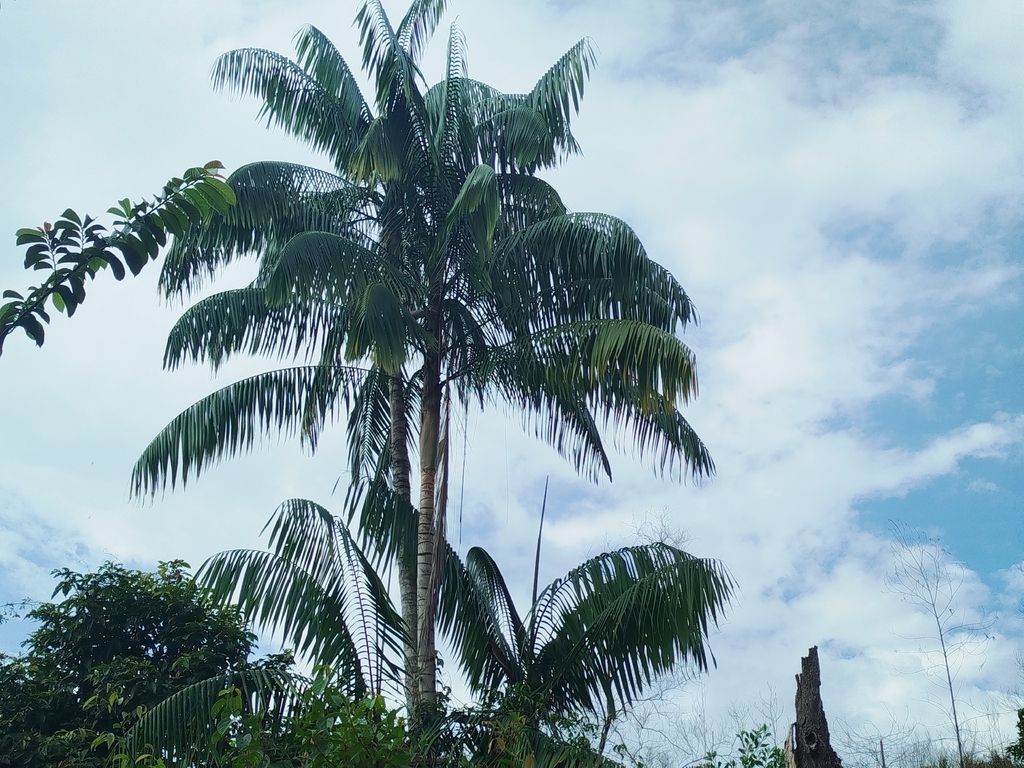
Image via iNaturalist (Research Grade). (c) Lars Mannzen, all rights reserved


1. Introduction
Habitat and Distribution
Oncosperma tigillarium is widely distributed throughout Southeast Asia, from southern Thailand and Peninsular Malaysia through Sumatra, Borneo, Java, Sulawesi to the Moluccas and western New Guinea. This versatile palm inhabits lowland to hill forests from sea level to 1,200 meters elevation, with highest abundance below 600 meters. It thrives in various habitats including primary rainforest, secondary growth, forest edges, and especially along rivers and streams.
Native Climate
Scientific Classification
Synonyms
- Areca tigillaria Jack (basionym, 1820)
- Oncosperma filamentosum auct. non Blume
- Euterpe filamentosa Spreng.
- Oncosperma javanicum Blume
- Keppleria angustifolia Meisn.
Common Names
- Colony Persistence: Centuries through continuous recruitment
First flowering at 10-15 years or when trunks reach 8-10 meters.
Specific Adaptations to Climate Conditions
- Flood Tolerance: Thrives in seasonally flooded areas
- Moderate Defense: Balanced spine protection
- Flexible Stems: Survive falling branches
- Pioneer Species: Colonizes gaps effectively
- Water Distribution: Often dispersed seeds
- Structural Wood: Durable timber adaptation
3. Reproduction and Propagation
Seed Reproduction
Seed Morphology and Diversity
O. tigillarium produces globose to slightly ovoid fruits, 1.3-1.8cm diameter. Immature fruits are green, ripening to black or dark purple with a waxy bloom. The exocarp is smooth and thin; mesocarp contains moderate irritant crystals; endocarp is papery. Seeds are globose, 8-12mm diameter, with homogeneous endosperm. Fresh seed weight is 0.7-1.5 grams. Good genetic diversity exists across populations.
Detailed Seed Collection and Viability Testing
- Less hazardous than O. horridum
- Use poles with hooks
- Collect fallen fruits daily
- Process promptly
- Fresh viability: 85-95%
- Moderate storage ability
- One week: 75-85%
- One month: 50-60%
- Three months: 20-30%
Pre-germination Treatments
- Remove fruit pulp (use gloves)
- Wash thoroughly
- Brief fermentation acceptable
- Don't over-dry
- Beneficial but not essential
- Light filing sufficient
- Hot water: 50°C for 20 minutes
- 20-30% improvement
- 24-48 hours warm water
- Change water daily
- Add fungicide if desired
Step-by-step Germination Techniques
- Medium: 40% sand, 30% peat, 20% coir, 10% perlite
- Container: Beds or large pots
- Planting: 2-3cm deep
- Temperature: 26-32°C (79-90°F)
- Humidity: 75-85%
- Light: Bright shade (60%)
- Moisture: Evenly moist
Germination Difficulty: Easy to Moderate
- Good germination rates
- Less demanding than some species
- Vigorous seedlings
- Tolerates some variation
Germination Time
- First germination: 30-60 days
- Peak germination: 60-90 days
- Complete process: 150 days
- Success rate: 75-90% with fresh seeds
Seedling Care and Early Development
- Moderate growth rate
- Spines appear gradually
- 60-70% shade optimal
- Monthly light feeding
- Increase fertilization
- First suckers possible
- Reduce shade to 50%
- Maintain humidity
- Trunk elongation begins
- Full spine development
- Can handle more sun
- Regular feeding program
Advanced Germination Techniques
Hormonal Treatments for Germination Enhancement
- 500-750 ppm effective
- 24-48 hour soak
- 25-35% improvement
- Faster, more uniform
- River mud storage
- Mimics natural conditions
- 2-4 week treatment
- Good results
- Effective treatment
- 1:75 dilution
- Breaks dormancy
- Natural forest chemical
Division Propagation
- Effective for rapid establishment
- Select healthy suckers with roots
- Spring division best
- Moderate care needed with spines
- 90%+ success rate
4. Cultivation Requirements
Light Requirements
Species-specific Light Tolerance Ranges
- Seedlings (0-2 years): 500-1000 μmol/m²/s (60-70% shade)
- Juveniles (2-6 years): 1000-1600 μmol/m²/s (40-50% shade)
- Sub-adults (6-12 years): 1600-2000 μmol/m²/s (20-30% shade)
- Adults: Full sun to light shade (2000+ μmol/m²/s)
- Moderately shade tolerant when young, sun-loving when mature
Seasonal Light Variations and Management
- Adapts to seasonal changes well
- Young plants benefit from protection
- Adults handle full exposure
- Natural forest gap colonizer
Artificial Lighting for Indoor Cultivation
- High light needs problematic
- Not suitable for indoor growing
- Greenhouse only
- Full spectrum required
Temperature and Humidity Management
Optimal Temperature Ranges
- Ideal: 24-32°C (75-90°F)
- Acceptable: 18-38°C (64-100°F)
- Minimum survival: 12°C (54°F)
- Maximum tolerance: 42°C (108°F)
- Wide temperature tolerance
Cold Tolerance Thresholds
- Light damage: 15°C (59°F)
- Severe damage: 12°C (54°F)
- Fatal: 8°C (46°F)
- Some population variation
Hardiness Zone Maps
- USDA Zones: 10a-11
- Marginal in 9b: With protection
- Sunset Zones: 22-24
- European: H2-H1a
Humidity Requirements and Modification
- Optimal: 65-85%
- Minimum: 50%
- Moderate humidity needs
- Adapts to various conditions
Soil and Nutrition
Ideal Soil Composition and pH
pH preference: 5.5-7.5 (wide range)
Versatile mix:
- 30% loam
- 25% sand
- 20% organic matter
- 15% coir
- 10% aged bark
Adaptable to many soils
Nutrient Requirements Through Growth Stages
- Moderate feeding
- 1/2 strength monthly
- Balanced formula
- NPK ratio: 6-3-5
- Monthly application
- Steady increase
- NPK ratio: 12-4-10
- Heavy feeder
- Bi-monthly or monthly
Organic vs. Synthetic Fertilization
- Organic builds soil
- Synthetic convenient
- Combination ideal
- Regular program important
- Aged manures excellent
- Compost beneficial
- Palm special blends
- Blood and bone meal
Micronutrient Deficiencies and Corrections
- Manganese: Most common issue
- Magnesium: In sandy soils
- Iron: Occasional need
- Generally robust nutrition
Water Management
Irrigation Frequency and Methodology
- Moderate to high water needs
- Consistent moisture preferred
- Flood tolerance useful
- Deep watering best
Drought Tolerance Assessment
- Established plants resilient
- Growth slows when dry
- Good recovery ability
Water Quality Considerations
- Tolerates various water
- Moderate salt tolerance
- pH adaptable
- Not particularly fussy
Drainage Requirements
- Good drainage preferred
- Tolerates wet conditions
- Avoid prolonged saturation
- Raised planting in clay
5. Diseases and Pests
Common Problems in Growing
- Red palm weevil: Regional threat
- Scale insects: Occasional
- Leaf spots: In wet seasons
- Generally healthy species
Identification of Diseases and Pests
Pest Issues
- Red palm weevil: Monitor carefully
- Rhinoceros beetle: Crown damage
- Scale insects: White patches
- Bagworms: Occasional defoliation
Diseases
- Ganoderma butt rot: Older palms
- Pestalotiopsis: Leaf spots
- Bud rot: Poor drainage
- Generally disease resistant
Environmental and Chemical Protection Methods
IPM Approach
- Good culture primary defense
- Monitor for weevils
- Biological controls when possible
- Minimal chemical use
If Treatment Needed
- Systemic insecticides for weevils
- Copper fungicides preventatively
- Horticultural oil for scales
- Safety gear for applications
6. Indoor Palm Growing
Specific Care in Housing Conditions
- Size issues eventual
- Spine hazard present
- High light needs
- Clustering habit problematic
Conservatory Possible
- Large spaces only
- Professional management
- Safety considerations
- Educational value
Replanting and Wintering
Replanting Challenges
- Spines require care
- Large containers needed
- Professional help advised
- Spring timing optimal
Winter Care
- Maintain above 15°C (59°F)
- Reduce watering 40%
- No fertilization
- Monitor for pests
- Adequate ventilation
7. Landscape and Outdoor Cultivation
Garden Applications
- Grove plantings spectacular
- Waterside features
- Large garden specimens
- Traditional/cultural gardens
Design Impact
- Vertical elements
- Tropical authenticity
- Sound of wind in fronds
- Less aggressive than O. horridum
8. Cold Climate Cultivation Strategies
Cold Hardiness
Limited cold tolerance despite adaptability.
Winter Protection
- Brief cold snaps survived
- Protection below 15°C (59°F)
- Mulch heavily
- Wrap if necessary
Hardiness Zone
- USDA 10a-11: Standard
- Zone 9b: Marginal
- Microclimate important
Winter Protection Systems and Materials
- Temporary structures possible
- Insulation for trunks
- Root zone protection
- Monitor temperatures
Establishment and Maintenance in Landscapes
Planting Techniques for Success
- Allow for clustering
- Consider ultimate height
- Spine safety zones
- Water feature proximity
- Improve drainage if needed
- Enrich with organics
- Wide planting holes
- Check pH
- Handle with care
- Plant at grade
- Support if needed
- Immediate watering
Long-term Maintenance Schedules
Final Summary
Oncosperma tigillarium represents the most balanced and garden-worthy of the nibung palms, combining moderate spine armament with elegant clustering habit and impressive height. This widespread Southeast Asian species has earned its place as the most cultivated Oncosperma through its adaptability, moderate maintenance requirements, and spectacular landscape presence.
The key to success lies in understanding its forest stream-side origins while appreciating its pioneer species adaptability. The moderate spine development allows careful handling by experienced gardeners, while the more open clustering habit creates manageable groves rather than impenetrable thickets. Its traditional use as house posts reflects both its durability and cultural importance.
Propagation is straightforward with fresh seeds showing good viability and germination rates. Division of established clumps provides instant landscape impact. The species' tolerance for various soils, moderate drought, and occasional flooding makes it adaptable to many garden situations in appropriate climates.
For tropical and subtropical gardeners with space, O. tigillarium offers the authentic nibung palm experience without the extreme hazards of O. horridum. Success requires respect for its spines, planning for its eventual size, and commitment to regular maintenance. The reward is one of tropical Asia's most impressive clustering palms—tall stems swaying in grove formation, creating vertical drama and tropical ambiance.
Its cultivation provides both ornamental value and preservation of traditional knowledge, as this species has been intertwined with Southeast Asian culture for centuries. O. tigillarium proves that with appropriate selection, even spiny clustering palms can find a place in cultivation, bridging the gap between botanical interest and practical garden beauty.
Plan for long-term growth and clustering habit from the start. Provide adequate space, respect the spines during maintenance, and ensure consistent moisture in the establishment phase. Most importantly, commit to regular monitoring as this palm rewards patient, attentive care with decades of spectacular display.
Perfect for spacious tropical gardens where clusters can develop naturally. Allow 5-10 meters between initial plantings for future expansion.
Excellent near ponds, streams, or water features where its natural flood tolerance and tall reflections create stunning effects.
Multiple specimens create authentic Southeast Asian forest atmosphere. Space initial plants 3-5 meters apart for grove effect.
Best suited for gardeners comfortable with spiny palms and long-term landscape commitments. Professional maintenance recommended for mature groves.
English: Nibung palm (shared with O. horridum), Tiger palm
- Malay: Nibong
- Indonesian: Anibong
- Thai: ตาลขน (tan khon)
- Javanese: Daluru
- Chinese: 丛立刺棕 (cóng lì cì zōng)
Global Expansion
O. tigillarium is the most cultivated Oncosperma species due to moderate spine development and attractive appearance:
- Common in Southeast Asian gardens
- Singapore Botanic Gardens: Established groves
- Bogor Botanical Gardens, Indonesia: Extensive collections
- Many tropical botanical gardens worldwide
- Regular in palm collections
- Seeds frequently available
- IUCN Red List status: Not assessed (widespread)
Better cultivation success due to moderate spine development and attractive appearance compared to O. horridum.
2. Biology and Physiology
Morphology
Growth Form
O. tigillarium forms elegant clusters of 10-50 stems, more open than O. horridum. Individual trunks reach 15-30 meters tall with diameters of 10-18cm, notably straight and uniform. The clustering pattern creates attractive groves with space between stems allowing easier access than O. horridum. New shoots emerge 0.5-1 meter from parent stems.
Spines
- Length: 3-10cm (shorter than O. horridum)
- Color: Black to dark brown
- Distribution: Concentrated on sheaths and petiole bases
- Density: Moderate, allowing careful handling
- Mature trunks: Become smooth relatively quickly
Leaves
Each trunk bears 15-25 pinnate leaves forming graceful, arching crowns. Leaves are 3-4.5 meters long with petioles 0.8-1.2 meters bearing scattered spines mainly at the base. Leaflets number 80-120 per side, regularly arranged, linear-lanceolate, 40-60cm long and 2.5-3.5cm wide. Terminal leaflets are briefly united. The overall appearance is more refined than O. horridum, with leaves bright green above and slightly glaucous below.
Inflorescences
Monoecious with pendulous inflorescences emerging below the crown. Inflorescences are 60-100cm long, branched to 3 orders, with moderate spines on peduncle and primary branches. Male and female flowers mix on the same branches. Male flowers are 3-5mm, cream to pale yellow with 6-9 stamens. Female flowers are 5-7mm, greenish-white. Flowering is seasonal with peaks at the start of rainy seasons.
Life Cycle
O. tigillarium shows steady growth and longevity:
- Germination to Seedling (0-2 years): Moderate initial growth
- Juvenile Phase (2-7 years): Trunk development begins
- Clustering Phase (7-12 years): Secondary shoots emerge
- Adult Phase (12-80 years): Full stature and reproduction