Oenocarpus bataua: A comprehensive Growing Guide for Enthusiasts & Collectors.
Oenocarpus bataua
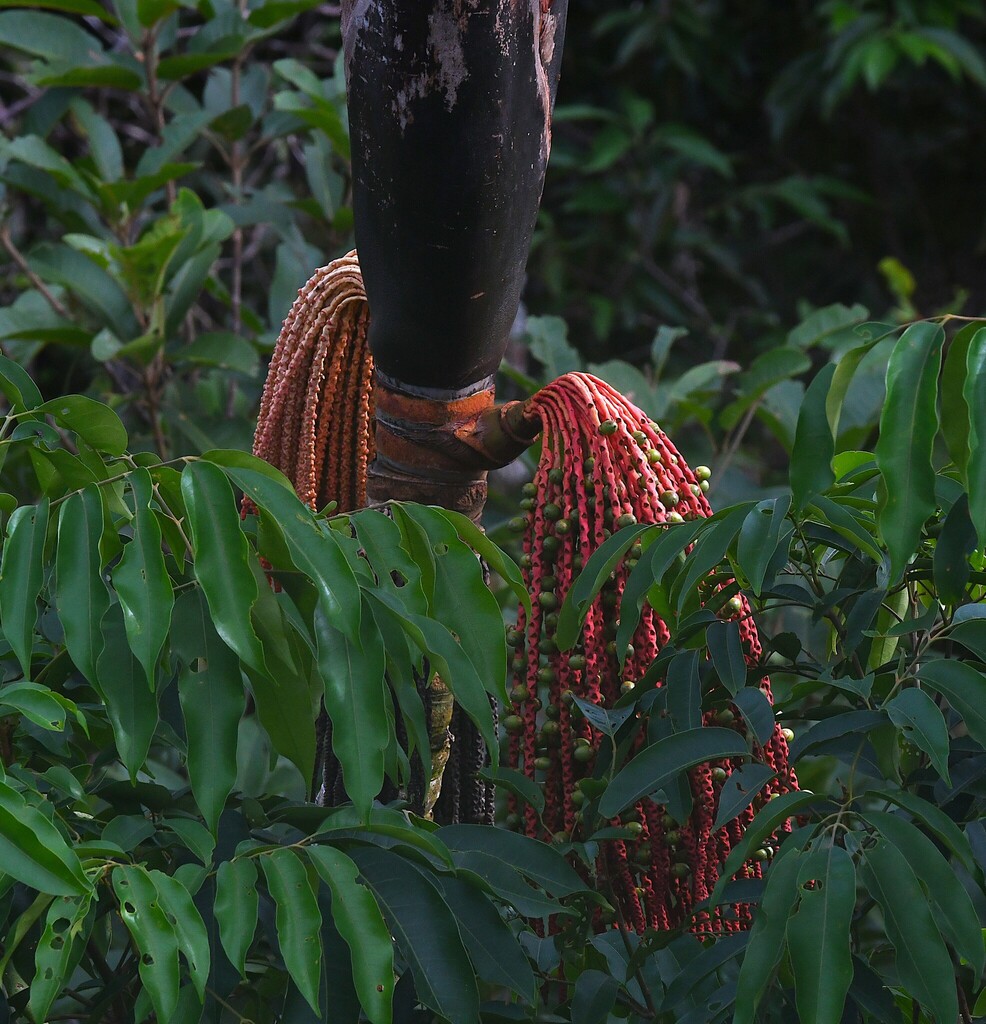
Image via iNaturalist (Research Grade). (c) Santiago Mailhos, some rights reserved (CC BY-NC)
Image via iNaturalist (Research Grade). (c) Santiago Mailhos, some rights reserved (CC BY-NC)


1. Introduction
Habitat and Distribution, Native Continent
Oenocarpus bataua has one of the widest distributions among neotropical palms, ranging from Honduras and Nicaragua in Central America through Colombia, Venezuela, the Guianas, Ecuador, Peru, Bolivia, and throughout the Amazon Basin of Brazil. This economically vital species inhabits diverse forest types from sea level to 1,200 meters elevation, including terra firme forests, gallery forests, forest-savanna transitions, and occasionally in várzea margins. O. bataua shows remarkable ecological amplitude, thriving in areas with annual rainfall from 1,500-5,000mm. The species often forms dense stands in suitable habitats and is considered a keystone species for wildlife, particularly during fruiting season. Its oil-rich fruits have been utilized by indigenous peoples for millennia.
Native Continent
📍 Native Distribution:
- Central America: Honduras, Nicaragua
- Northern South America: Colombia, Venezuela, Guianas
- Western Amazon: Ecuador, Peru
- Central Amazon: Throughout Brazil's Amazon Basin
- Southern Range: Bolivia
- Elevation: Sea level to 1,200 meters
- Habitat: Terra firme, gallery forests, várzea margins
- Rainfall: 1,500-5,000mm annually
Native range: Central America to Amazon Basin
Click on markers for details
Taxonomic Classification and Scientific Classification
Synonyms
- Jessenia bataua (Mart.) Burret
- Jessenia polycarpa H.Karst.
- Jessenia repanda Engl.
- Oenocarpus tucuma Barb.Rodr. (nom. illeg.)
Common Names
- English: Patawa (from indigenous name)
- English: American oil palm
- Spanish (Venezuela, Colombia): Seje
- Portuguese (Brazil): Patauá
- Colombia: Mil pesos
- Peru: Ungurahui
- Ecuador: Batá
- Bolivia: Turu
- French: Palmier patawa
Expansion in the World
- Increasingly planted in agroforestry systems
- Research stations throughout Amazon
- CIAT Colombia (extensive germplasm collection)
- Commercial plantations developing in Colombia and Brazil
- Limited in botanical gardens worldwide
- Seeds regularly available from specialists
- Growing interest due to high-value oil
The species' economic potential drives expanding cultivation efforts.
2. Biology and Physiology
Morphology
Trunk
O. bataua develops a massive solitary trunk reaching 20-35 meters in height with a diameter of 20-45cm, making it one of the largest Oenocarpus species. The trunk is straight, cylindrical, and smooth, colored gray to brown with prominent ring scars. The base may show slight buttressing in older specimens. The imposing trunk often emerges above the general forest canopy.
Leaves
The crown is full and symmetrical, consisting of 10-16 massive pinnate leaves forming a shuttlecock appearance. Leaves measure 5-8 meters long (occasionally to 10m), among the longest in the palm family. Leaflets number 100-160 per side, regularly arranged in one plane, pendulous, creating an elegant plumose effect. Each leaflet is 80-120cm long and 4-6cm wide, dark green above and slightly glaucous below. The rachis is strongly arched under the weight of the leaflets.
Flower Systems
Monoecious with spectacular infrafoliar inflorescences. The branched inflorescence is massive, 1-2 meters long at anthesis, with 200-400 pendulous rachillae creating a "horse tail" appearance. The inflorescence is initially enclosed in a large, woody, boat-shaped spathe up to 1.5 meters long. Flowers are arranged in characteristic triads basally on rachillae. Male flowers are yellowish-white, 6-8mm; female flowers are cream-colored, 4-5mm. Flowering is seasonal, typically at the onset of rainy seasons, with strong fragrance attracting numerous pollinators.
Life Cycle
O. bataua has an extended life cycle befitting its size:
- Germination to Seedling (0-3 years): Slow establishment
- Juvenile Phase (3-12 years): Developing substantial trunk
- Sub-adult Phase (12-25 years): Rapid vertical growth
- Adult Phase (25-100+ years): Full production period
- Senescent Phase (100-150+ years): Gradual decline
First flowering typically occurs at 15-20 years in cultivation, later in forest conditions.
Specific Adaptations to Climate Conditions
- Deep Taproot: Accesses water table during dry seasons
- Massive Leaves: Maximum photosynthesis in gaps
- Oil Storage: High-energy fruit for dispersal
- Phenological Plasticity: Flowers with seasonal cues
- Wind Resistance: Flexible leaves and strong trunk
- Nutrient Conservation: Efficient cycling in poor soils
3. Reproduction and Propagation
Seed Reproduction
Seed Morphology and Diversity
O. bataua produces ovoid to ellipsoid fruits, among the largest in the genus at 2.5-4.5cm long and 2-3cm diameter. Unripe fruits are green, turning purple-black when mature. The epicarp is thin and smooth; the mesocarp is oily, fibrous, 3-5mm thick, containing up to 40% oil content similar in quality to olive oil. The endocarp is woody and thick. Seeds are ellipsoid, 2-3cm long, with homogeneous endosperm. Fresh seed weight ranges from 3-8 grams. Significant variation exists in fruit size, oil content, and productivity across populations.
Detailed Seed Collection and Viability Testing
Collection Methods:
- Monitor for purple-black coloration
- Collect fallen fruits daily
- Net placement effective
- Process immediately
- Yield: 20-60kg fruits per tree annually
Viability Testing:
- Specific gravity test in water
- Cut test for white endosperm
- Oil extraction indicates maturity
- Fresh viability: 90-98%
- One month: 80-85%
- Three months: 60-70%
- Six months: 30-40%
Pre-germination Treatments
Fruit Processing:
- Ferment fruits 3-5 days
- Remove oily mesocarp completely
- Mechanical depulping beneficial
- Wash thoroughly
Scarification:
- Essential for timely germination
- File through woody endocarp
- Crack carefully in vise
- Hot water: 80°C for 10 minutes
Soaking:
- 48-72 hours after scarification
- Change water daily
- Seeds absorb water noticeably
Step-by-step Germination Techniques
- Medium: 40% coarse sand, 40% sawdust, 20% compost
- Container: Deep beds or large containers
- Planting: 3-5cm deep, pointed end down
- Temperature: 28-32°C (82-90°F) critical
- Humidity: 75-85%
- Light: Complete shade initially
- Moisture: Consistent but not waterlogged
Germination Difficulty
- Woody endocarp delays germination
- Scarification dramatically improves success
- Temperature sensitivity high
- Patience required
Germination Time
- First germination: 90-120 days (scarified)
- Peak germination: 120-180 days
- Complete process: up to 400 days
- Unscarified seeds: 6-24 months
- Success rate: 75-90% with treatment
Seedling Care and Early Development
First year:
- Maintain deep shade (80%)
- High humidity critical
- Begin feeding at 6 months
- Growth very slow
Years 2-4:
- Gradually reduce shade
- Increase fertilization
- Transplant at 18-24 months
- Monitor for deficiencies
Years 5-7:
- Trunk development begins
- Can tolerate 50% shade
- Regular fertilization program
- Faster growth phase
Advanced Germination Techniques
Hormonal Treatments for Germination Enhancement
Gibberellic Acid (GA3):
- 500-1000 ppm effective
- 48-hour soak after scarification
- 30-40% time reduction
- Improves uniformity
Mechanical Scarification:
- Commercial equipment available
- Sandpaper drums effective
- Partial endocarp removal
- Dramatic improvement
Combination Treatments:
- Scarification + GA3 + heat
- Up to 95% germination
- 60-90 day emergence
- Commercial propagation standard
4. Cultivation Requirements
Light Requirements
Species-specific Light Tolerance Ranges
- Seedlings (0-3 years): 100-500 μmol/m²/s (80-90% shade)
- Juveniles (3-8 years): 500-1200 μmol/m²/s (60-70% shade)
- Sub-adults (8-15 years): 1200-1800 μmol/m²/s (30-50% shade)
- Adults: Full sun preferred (2000+ μmol/m²/s)
Shade essential during establishment, full sun for production.
Seasonal Light Variations and Management
- Consistent shade for young plants
- Adults adapt to seasonal changes
- Fruit production highest in full sun
- Gradual exposure critical
Artificial Lighting for Indoor Cultivation
- High light requirements
- HID or high-output LED
- 14-16 hour photoperiod
- 500+ foot-candles minimum
Temperature and Humidity Management
Optimal Temperature Ranges
- Ideal: 25-32°C (77-90°F)
- Acceptable: 20-38°C (68-100°F)
- Minimum survival: 12°C (54°F)
- Maximum tolerance: 42°C (108°F)
- Year-round warmth preferred
Cold Tolerance Thresholds
- Light damage: 15°C (59°F)
- Severe damage: 12°C (54°F)
- Death likely: 8°C (46°F)
- Young plants more sensitive
Hardiness Zone Maps
- USDA Zones: 10b-11
- Marginal in 10a
- Sunset Zones: 23-24, H2
- European: H1a
Humidity Requirements and Modification
- Optimal: 70-85%
- Minimum tolerable: 55%
- High humidity improves growth
- Tolerates drier air when mature
Soil and Nutrition
Ideal Soil Composition and pH
Amazonian Mix for Oenocarpus bataua
- pH preference: 5.0-6.8 (acidic)
-
Amazonian mix:
- 35% loamy soil
- 25% organic matter
- 20% sand
- 15% aged compost
- 5% charcoal
- Deep, rich soils optimal
Nutrient Requirements Through Growth Stages
Seedlings (0-3 years):
- Light monthly feeding
- Balanced formulation
- Focus on establishment
Juveniles (3-8 years):
- NPK ratio: 6-2-4
- Monthly application
- Micronutrients important
Production phase (8+ years):
- NPK ratio: 14-5-20
- Heavy feeding program
- Boron for fruit set
- Quarterly applications
Organic vs. Synthetic Fertilization
Organic Program:
- Compost mulch base
- Aged manures beneficial
- Palm-specific organics
- Sustainable approach
Synthetic Approach:
- High-analysis fertilizers
- Controlled-release preferred
- Foliar feeding effective
- Monitor salt levels
Micronutrient Deficiencies and Corrections
- Boron: Critical for fruit production
- Magnesium: Common deficiency
- Manganese: "Frizzletop" symptoms
- Iron: Interveinal chlorosis
Water Management
Irrigation Frequency and Methodology
- High water requirement
- Deep, regular irrigation
- Critical during fruiting
- Drip systems ideal
Drought Tolerance Assessment
- Deep roots aid survival
- Production severely affected
- Recovery slow
Water Quality Considerations
- Tolerates various sources
- Moderate salt tolerance
- pH 5.5-7.5 acceptable
- High water volume needed
Drainage Requirements
- Good drainage preferred
- Tolerates brief flooding
- Avoid waterlogged soils
- Slope planting beneficial
5. Diseases and Pests
Common Problems in Growing
- Bud rot (Phytophthora): Major disease
- Palm weevil (Rhynchophorus): Lethal pest
- Leaf beetles: Defoliation
- Scale insects: Common issue
Identification of Diseases and Pests
- Bud rot: Fatal crown disease
- Leaf spots: Various fungi
- Root rot: Waterlogged soils
- Stem bleeding: Bacterial
- Palm weevil: Trunk borer
- Rhinoceros beetle: Crown damage
- Leaf miners: Cosmetic damage
- Rodents: Seed predation
Environmental and Chemical Protection Methods
IPM Strategies:
- Pheromone traps essential
- Biological controls encouraged
- Sanitation critical
- Resistant varieties developing
Chemical Controls:
- Systemic insecticides for borers
- Fungicides for bud rot
- Minimal use preferred
- Follow local regulations
6. Indoor Palm Growing
Specific Care in Housing Conditions
Indoor Limitations:
- Massive ultimate size
- High light requirements
- Better in conservatories
- Young plants only
Container Growing:
- Possible for 5-8 years
- Huge containers needed
- Supplemental lighting
- Regular repotting
Replanting and Wintering
Repotting Needs:
- Annual when young
- Massive root system
- Spring timing critical
- Professional help advised
Winter Care:
- Maintain above 18°C (64°F)
- Reduce watering slightly
- Maximum light exposure
- Watch for scale
- Monthly light feeding
7. Landscape and Outdoor Cultivation
Landscape Impact
- Majestic specimen palm
- Fruit production bonus
- Wildlife magnet
- Shade provider
Commercial Applications
- Oil production increasing
- Agroforestry systems
- Carbon sequestration
- Sustainable agriculture
8. Cold Climate Cultivation Strategies
Cold Hardiness
Winter Protection
- Not viable outdoors in temperate zones
- Greenhouse only option
- Minimum 15°C (59°F)
- High light critical
Hardiness Zone
- USDA 10b-11 required
- Zone 10a marginal
- Tropical only
Winter Protection Systems and Materials
- Heated greenhouse essential
- Supplemental lighting needed
- High humidity beneficial
- Consider alternatives
Establishment and Maintenance in Landscapes
Planting Techniques for Success
Site Selection:
- Full sun mature location
- Initial shade structure
- Deep, rich soil
- Space for 35m height
Preparation:
- Large planting hole
- Extensive amendments
- Drainage consideration
- Support stakes
Installation:
- Plant at original depth
- Water basin creation
- Immediate mulching
- Shade cloth initially
Long-term Maintenance Schedules
Monthly (Growing Season):
- Deep irrigation
- Fertilization program
- Pest monitoring
- Growth assessment
Quarterly:
- Major fertilization
- Pruning dead fronds
- Yield monitoring
- Health evaluation
Annual:
- Soil analysis
- Production records
- Propagation planning
- Market assessment
Production Phase:
- Harvest planning
- Processing arrangements
- Quality control
- Economic analysis
Final Summary
Oenocarpus bataua stands as one of the Amazon's most economically and ecologically important palms, combining majestic beauty with exceptional oil production potential. Its wide distribution across tropical America reflects remarkable adaptability, while its oil—comparable in quality to olive oil—positions it as a promising sustainable crop for the future.
The species' massive size, with trunks reaching 35 meters and leaves extending 8-10 meters, creates both opportunities and challenges for cultivation. While space requirements are substantial, the rewards include significant fruit yields (20-60kg annually per mature tree), valuable oil production, and creation of habitat for numerous wildlife species.
Successful cultivation requires patience through the lengthy juvenile phase, with first fruiting typically at 15-20 years. However, productive life extends beyond a century, making it a long-term investment. The key challenges include the woody seed coat requiring scarification for reasonable germination, extended juvenile period, and substantial space requirements.
For appropriate tropical locations (USDA Zones 10b-11), O. bataua offers multiple benefits: sustainable oil production, carbon sequestration, wildlife habitat, and magnificent landscape presence. Its deep taproot system and moderate drought tolerance, combined with adaptability to various soil types, make it suitable for diverse tropical environments.
As global demand for sustainable, healthy oils increases, O. bataua is poised to transition from forest resource to cultivated crop. Success requires understanding its rainforest origins while optimizing for production—full sun for mature trees, adequate nutrition for heavy fruiting, and integrated pest management for health. For those with appropriate space and patience, this "American oil palm" offers the opportunity to grow one of the world's most promising sustainable oil crops while preserving a keystone species of Amazon forests. The future of O. bataua cultivation looks bright as research continues to unlock its full agricultural potential.
- Massive palm - 20-35m tall with 5-10m leaves
- Exceptional oil content - up to 40%, olive oil quality
- Wide neotropical distribution - Honduras to Bolivia
- Significant fruit yield - 20-60kg per tree annually
- Scarification essential - woody endocarp delays germination
- Long juvenile period - 15-20 years to first fruiting
- Extended lifespan - productive for 100+ years
- Limited cold tolerance - USDA zones 10b-11 only
- Economic potential - sustainable oil crop of the future
- Conservation value - keystone species for wildlife