Nannorrhops ritchieana 'Kashmir': A comprehensive Growing Guide for Enthusiasts & Collectors.
Nannorrhops ritchieana 'Kashmir'
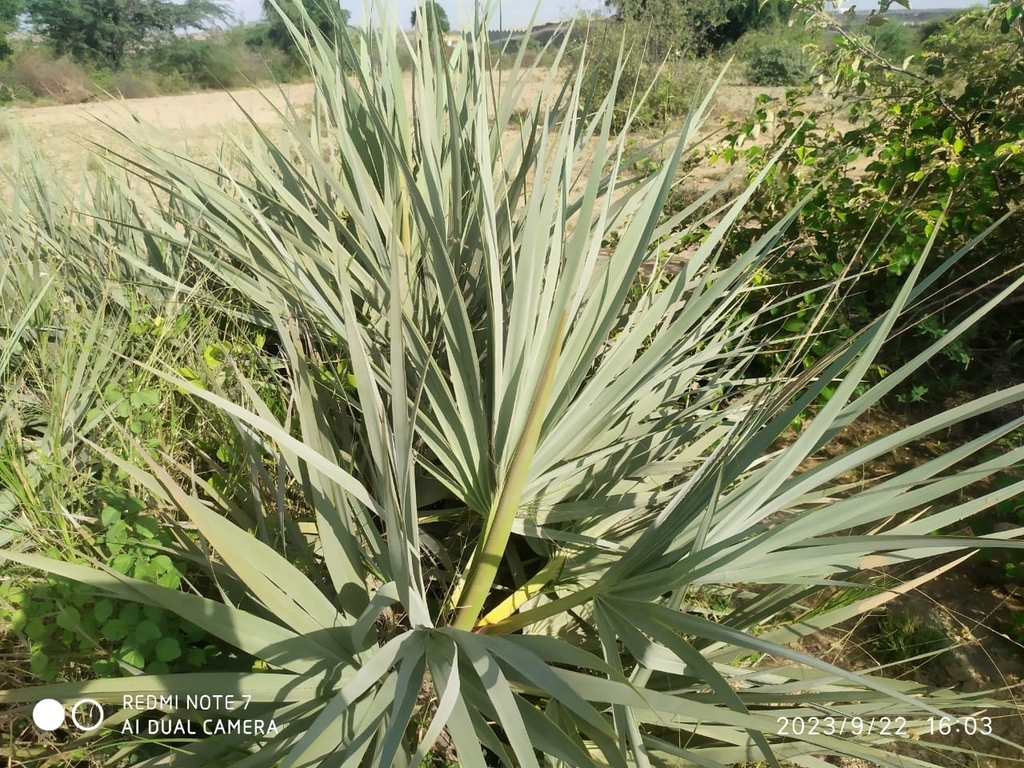
Image via iNaturalist (Research Grade). (c) Salman Baloch, some rights reserved (CC BY-NC)


1. Introduction
Habitat and Distribution, Native Continent
Nannorrhops ritchieana 'Kashmir' represents a distinct population from the Kashmir region spanning northern Pakistan, northwestern India, and eastern Afghanistan. This remarkable form occurs at the highest elevations of any Nannorrhops population, found between 1,500-3,000 meters in the western Himalayas and Hindu Kush mountains. The habitat is characterized by extreme continental climate with scorching summers (up to 45°C) and bitterly cold winters (down to -25°C), with snow cover lasting 3-4 months. Annual precipitation is 300-600mm, falling mainly as winter snow and spring rain. This Kashmir form grows on rocky slopes, moraines, and high valley floors, often in association with Juniperus and Artemisia. The extreme elevation and continental climate have produced the hardiest form of the species.
Native Continent
📍 Kashmir Form Distribution:
- Region: Northern Pakistan, NW India, E Afghanistan
- Elevation: 1,500-3,000 meters (highest Nannorrhops)
- Habitat: Rocky slopes, moraines, high valleys
- Climate: Extreme continental, -25°C to 45°C
- Precipitation: 300-600mm annually (winter snow)
Native range: Western Himalayas & Hindu Kush
Click on markers for details
Taxonomic Classification and Scientific Classification
Synonyms
- Nannorrhops arabica 'Kashmir' (if following synonymy)
- Chamaerops ritchieana Griff. (original basionym)
- Nannorrhops stocksiana (Griff.) Aitchison
- Sometimes listed as N. ritchieana var. altissima (invalid)
Common Names
- English: Kashmir mazari palm
- English: High mountain mazari
- English: Blue mountain palm
- Urdu: کشمیری مزاری ("Kashmiri mazari")
- Hindi: काश्मीर मजारी ("Kashmir majari")
- Chinese: 克什米尔玛扎里棕
Expansion in the World
- Sought after for extreme cold hardiness
- Limited in cultivation due to seed scarcity
- Specialist collections in cold climates
- Rarely available commercially
- Seeds difficult to obtain legally
- Premium prices when available
Political instability in the region limits collection and export.
2. Biology and Physiology
Morphology
Growth Form
'Kashmir' forms the most compact clumps in the genus, typically 1.5-3 meters tall and 2-4 meters wide. The reduced size is an adaptation to extreme altitude and cold. Trunks remain almost entirely subterranean, with only leaf crowns visible. The underground stems branch extensively, creating dense colonies that help survive extreme conditions. This form shows the tightest clumping pattern, with rosettes packed closely together.
Leaves
Costapalmate leaves are smaller than lowland forms, typically 50-80cm across with 18-25 segments. The distinctive blue-green to gray-green coloration is more muted than the bright silver of Iranian forms, with a waxy, matte finish. Petioles are notably short (30-60cm) and stout, an adaptation to high winds and snow load. The marginal teeth are smaller but more numerous. Leaves are held more horizontally than other forms, possibly to maximize snow shedding.
Adaptive Features
- Extremely short internodes
- Dense fiber protection on stems
- Contractile roots pull crowns down
- Thick, waxy leaf cuticle
- Compact growth reduces exposure
Flower Systems
Hermaphroditic but functionally dioecious like other forms. Inflorescences are shorter (0.8-1.5m) and emerge later in the season than lowland populations. Flowering is infrequent, possibly due to the short growing season, with individual rosettes flowering every 30-50 years. The hapaxanthic nature means flowering rosettes die, but the dense colony ensures survival.
Life Cycle
Extended life cycle due to harsh conditions:
- Germination to Seedling (0-6 years): Extremely slow growth
- Juvenile Phase (6-25 years): Underground development
- Adult Phase (25-150+ years): Gradual colony expansion
- Post-flowering: Individual rosette death
- Colony Longevity: Several centuries possible
Growth rates are the slowest in the genus.
Specific Adaptations to Climate Conditions
- Extreme Cold Adaptation: Survives -25°C through cellular protection
- Snow Load Management: Horizontal leaves and short petioles shed snow
- Compact Form: Reduces exposure to wind and cold
- Deep Dormancy: Complete metabolic shutdown in winter
- Short Growing Season: Rapid spring growth maximizes brief warm period
- Altitude Adaptation: UV protection and low atmospheric pressure tolerance
3. Reproduction and Propagation
Seed Reproduction
Seed Morphology and Diversity
'Kashmir' produces smaller fruits than other forms, typically 1.5-2.5cm diameter, adapted for the short growing season. Fruits ripen from green through orange to dark brown or black. Seeds are proportionally smaller (12-18mm diameter) but with thicker, harder endocarps. The endosperm is extremely hard and oily, presumably for extended dormancy. Fresh seed weight is 1-3 grams. Low genetic diversity exists due to isolated populations.
Detailed Seed Collection and Viability Testing
- Remote, dangerous locations
- Political/military restrictions
- Very limited fruiting
- Short collection window
- Export permits difficult
- Fresh viability: 85-95%
- Extended dormancy common
- Orthodox storage behavior
- Exceptional longevity when stored cool
- 5-year storage: still 40-50% viable
Pre-germination Treatments
Extended Scarification:
- Extra-hard seed coat
- Prolonged filing needed
- Hot water: 95°C for 3-5 minutes
- Acid: 60-90 minutes
Cold Stratification Essential:
- 90-120 days at 2-5°C
- Mimics winter requirement
- Moist medium critical
- May need two cycles
Combination Treatment:
- Scarify, then stratify
- Warm/cold/warm cycles
- Mimics natural conditions
- Best results
Step-by-step Germination Techniques
- Medium: 60% coarse sand, 30% perlite, 10% peat
- Container: Extra-deep pots
- Planting: 4-5cm deep
- Temperature: Fluctuating 15-30°C (59-86°F)
- Cool nights: Important
- Humidity: 50-65%
- Patience: Essential
Germination Difficulty
- Extremely hard seeds
- Deep, complex dormancy
- Extended stratification needed
- Very slow process
Germination Time
- First germination: 120-365 days
- Peak: 365-730 days
- Can extend: 3+ years
- Success rate: 20-50%
Seedling Care and Early Development
Years 1-2:
- Barely visible growth
- Cool conditions preferred
- Minimal watering
- Full sun beneficial
Years 3-5:
- Still very slow
- Blue-green color developing
- Extreme drought tolerance
- Cold tolerance developing
Years 6-10:
- Finally showing typical form
- Ready for careful transplant
- Fully cold hardy
Advanced Germination Techniques
Hormonal Treatments for Germination Enhancement
Gibberellic Acid (GA3):
- Higher concentrations: 2000-3000 ppm
- After scarification and stratification
- Limited improvement alone
- Combine with other treatments
Smoke Water:
- Very effective after stratification
- 1:10 strong solution
- 48-hour soak
- Significant improvement
Complex Protocols:
- Scarify + stratify + smoke + GA3
- Sequential temperature cycling
- Can achieve 60-70% germination
- 18-month process
4. Cultivation Requirements
Light Requirements
Species-specific Light Tolerance Ranges
- All stages: Full sun mandatory
- High altitude adaptation: Intense UV tolerance
- No shade tolerance: Any shade detrimental
- Seasonal: Tolerates winter snow cover
Requires maximum possible light exposure.
Seasonal Light Variations and Management
- Summer: Maximum exposure
- Winter: Snow cover tolerated
- Spring: Critical growth period
- Fall: Hardening period important
Artificial Lighting for Indoor Cultivation
- No artificial light sufficient
- Outdoor cultivation only
- High-altitude light quality needed
Temperature and Humidity Management
Optimal Temperature Ranges
- Summer: 20-40°C (68-104°F)
- Winter: -25-10°C (-13-50°F)
- Optimal growth: 15-30°C (59-86°F)
- Extreme survival: -25°C to 45°C (-13-113°F)
Widest temperature tolerance of any palm!
Cold Tolerance Thresholds
- No damage: -20°C (-4°F)
- Minor damage: -23°C (-9°F)
- Recovery likely: -25°C (-13°F)
- Possible survival: -28°C (-18°F) brief
The hardiest palm in cultivation!
Hardiness Zone Maps
- USDA Zones: 6b-11 (!!)
- Reliable in Zone 7
- Possible in Zone 6b with perfect siting
- Sunset Zones: 3-24
- European: H5-H6
Humidity Requirements and Modification
- Optimal: 30-60%
- Tolerates: 15-80%
- Dry air preferred
- Good drainage critical in humid areas
Soil and Nutrition
Ideal Soil Composition and pH
Mountain Soil Mix - Ultra-lean & Well-draining
- pH preference: 7.0-8.5
-
Mountain soil mix:
- 40% decomposed granite
- 30% coarse sand
- 20% gravel
- 10% minimal organics
- Sharp drainage essential
Nutrient Requirements Through Growth Stages
Seedlings (0-5 years):
- Nearly no fertilization
- Annual light feeding only
- Natural soil preferred
Juveniles (5-15 years):
- Minimal nutrition
- NPK ratio: 3-1-2
- Once or twice yearly
Adults (15+ years):
- Often no fertilization
- Natural rainfall nutrients sufficient
- Overfertilization harmful
Organic vs. Synthetic Fertilization
Ultra-minimal Approach:
- Avoid rich organics
- Mineral-based only if needed
- Natural poverty preferred
- Lean conditions best
Micronutrient Deficiencies and Corrections
- Adapted to poorest soils
- Iron rarely in extreme alkalinity
- Self-sufficient plants
Water Management
Irrigation Frequency and Methodology
- Extreme drought tolerance
- Natural precipitation often sufficient
- Supplemental only in establishment
- Deep, rare watering if any
Drought Tolerance Assessment
- Survives on snow melt alone
- Among most drought-tolerant plants
- Established plants xerophytic
- Overwatering fatal
Water Quality Considerations
- Any water acceptable
- Hard water fine
- Saline tolerance good
- Quantity more critical than quality
Drainage Requirements
- No tolerance for standing water
- Steep slopes ideal
- Gravel mulch mandatory
- Perfect drainage = survival
5. Diseases and Pests
Common Problems in Growing
- Root rot: Only in poor drainage
- No significant pests
- Cultural problems only
- Overcare syndrome
Identification of Diseases and Pests
- Essentially disease-free
- Root rot only cultural issue
- No foliar diseases
- No significant pests
- Too harsh for most insects
- Natural immunity
Environmental and Chemical Protection Methods
Cultural Only:
- Perfect drainage prevents all issues
- No chemicals needed
- Natural resistance high
- Proper siting essential
6. Indoor Palm Growing
Specific Care in Housing Conditions
- Extreme light needs
- Cold requirement
- Size issues
- Outdoor only
Replanting and Wintering
Container Culture:
- Possible but challenging
- Huge containers needed
- Perfect drainage
- Full exposure
- Natural winter cold needed
7. Landscape and Outdoor Cultivation
Unique Landscape Value
- Ultimate cold-hardy palm
- Alpine garden specimen
- Rock garden feature
- Xeriscape champion
- Four-season interest
Design Applications
- Mountain gardens
- Cold-climate palm
- Specimen plant
- Natural areas
- Slope stabilization
8. Cold Climate Cultivation Strategies
Cold Hardiness
Survives temperatures that would kill any other palm species.
Winter Protection
- Usually none needed!
- Drainage critical for hardiness
- Avoid wet feet
- Snow cover beneficial
Hardiness Zone
- USDA 6b-11
- Thrives in Zone 7
- Survives Zone 6b
Winter Protection Systems and Materials
Zone 6 Success:
- Perfect drainage absolutely critical
- South-facing slope ideal
- Gravel mulch essential
- Microclimate selection
- Avoid frost pockets with poor drainage
Establishment and Maintenance in Landscapes
Planting Techniques for Success
Critical Siting:
- Full sun mandatory
- Perfect drainage vital
- Slope preferred
- Cold air drainage good
Soil Preparation:
- Excavate deeply
- Create raised mound
- Add drainage material
- Minimal organics
Planting:
- Spring only
- Plant very high
- Gravel mulch immediately
- Water once, sparingly
Long-term Maintenance Schedules
Nearly No Maintenance:
- Annual inspection only
- Remove dead leaves
- Check drainage
- Otherwise ignore
Mature Plants:
- Maintenance-free
- Self-sufficient
- Problem-free
- Centuries-long lifespan
Final Summary
Nannorrhops ritchieana 'Kashmir' represents the absolute extreme in palm cold hardiness, pushing palm cultivation into regions previously thought impossible. This high-altitude form from the western Himalayas survives temperatures that would kill any other palm, making it invaluable for cold-climate gardeners wanting to grow palms.
The extreme adaptations that allow survival at -25°C come with trade-offs: extremely slow growth, difficult germination, and absolute requirements for perfect drainage and full sun. The compact size and muted blue-green coloration differ from the showier silver forms, but the ability to survive in Zone 6b makes this perhaps the most remarkable palm in cultivation.
Propagation challenges are severe, with seeds showing deep dormancy requiring extended cold stratification. Patience is essential, as germination can take years and growth is glacial. However, established plants are virtually indestructible, thriving on complete neglect in conditions that would kill most plants.
For gardeners in Zones 6b-11 seeking to grow palms in cold climates, 'Kashmir' offers the only real option for areas with severe winters. Success requires understanding its mountain origins: perfect drainage, full sun, minimal water, and no fertilization. The reward is growing a true palm in climates with -25°C winters—a feat impossible with any other palm species. This remarkable plant expands the concept of where palms can grow, bringing their unique architecture to mountain gardens, cold steppes, and continental climates worldwide. Its cultivation represents the ultimate achievement in cold-climate palm growing.
- Hardiest palm in the world - survives -25°C
- USDA Zones 6b-11 - grows where no other palm can
- Compact form - 1.5-3 meters tall
- Perfect drainage essential - most critical factor
- Full sun mandatory - no shade tolerance
- Extremely slow growth - decades to mature
- Difficult germination - 1-3 years, complex dormancy
- Nearly maintenance-free - once established
- Drought tolerant - minimal water needs
- Rare in cultivation - seeds difficult to obtain