Livistona drudei: A comprehensive Growing Guide for Enthusiasts & Collectors.
Livistona drudei
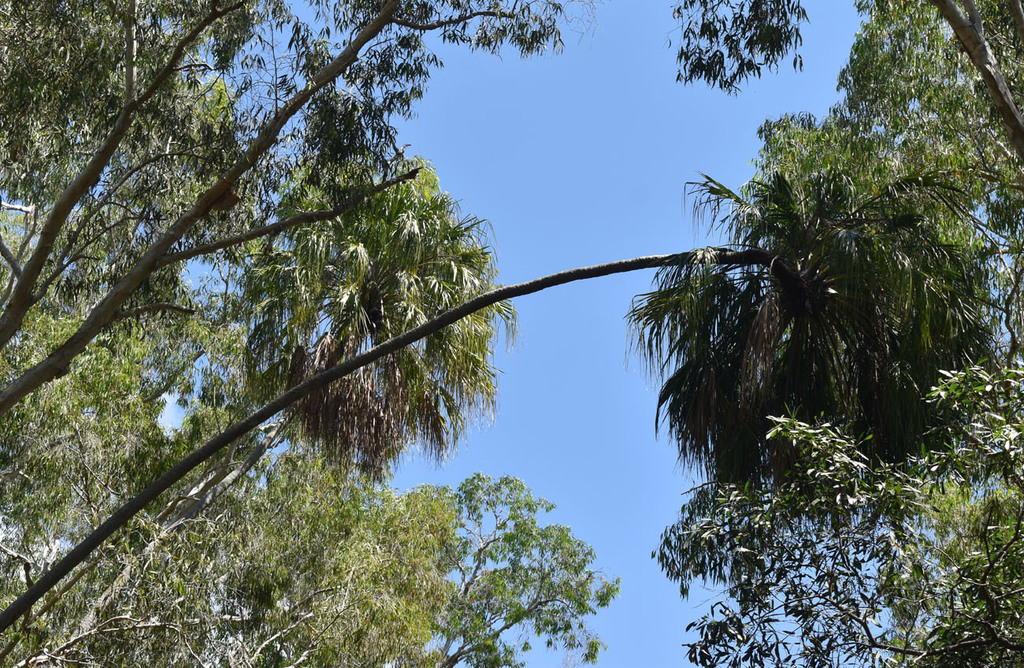
Image via iNaturalist (Research Grade). (c) Russell Cumming, some rights reserved (CC BY-NC)


1. Introduction
Habitat and Distribution, Native Continent
Livistona drudei is endemic to northeastern Queensland, Australia, with an extremely restricted distribution in the Halifax Bay area, particularly around the Halifax Bay Wetlands and adjacent coastal regions north of Townsville. This critically endangered palm inhabits seasonally inundated grasslands, the margins of wetlands, and open Melaleuca woodlands on heavy clay soils. The species occurs from sea level to approximately 50 meters elevation in areas receiving 1,200-1,600mm annual rainfall with a pronounced wet season from December to April. L. drudei represents one of the most threatened Australian palms, with the total wild population estimated at fewer than 1,000 mature individuals across highly fragmented habitat patches totaling less than 100 square kilometers.
Native Continent
📍 Endemic Distribution:
- Location: Halifax Bay Wetlands, north of Townsville
- Elevation: Sea level to 50 meters
- Habitat: Seasonally inundated grasslands, wetland margins
- Climate: 1,200-1,600mm annual rainfall, wet season Dec-Apr
- Area: Less than 100 square kilometers total
Native range: Halifax Bay area, Queensland, Australia (Endemic)
Click on markers for details
Taxonomic Classification and Scientific Classification
Synonyms
- Saribus drudei (F.Muell. ex Drude) O.F.Cook
- Sometimes confused with L. muelleri in literature
- Occasionally mislabeled as L. benthamii
Common Names
- English: Halifax fan palm
- English: Drude's fan palm
- English: Halifax Bay palm
- Local: Weeping cabbage palm
Expansion in the World
- Townsville Palmetum, Australia (ex-situ conservation priority)
- Australian National Botanic Gardens
- Fairchild Tropical Botanic Garden, Florida
- Few private collections in Australia and USA
- Seeds occasionally available from conservation programs
- Limited commercial availability
- IUCN Red List status: Critically Endangered
The species' rarity in cultivation reflects its endangered status and specific habitat requirements.
2. Biology and Physiology
Morphology
Trunk
L. drudei develops a solitary, slender trunk reaching 15-20 meters in height with a diameter of 15-25cm. The trunk is gray to brown, closely ringed with leaf scars, and often retains persistent leaf bases in the upper portion. A distinctive feature is the slight swelling at the base and the tendency for the trunk to lean slightly, possibly an adaptation to seasonal flooding. No crownshaft is formed.
Leaves
The crown consists of 25-35 costapalmate leaves forming a relatively open, spherical canopy. Petioles are 1.5-2 meters long, armed along the margins with small, curved black thorns that decrease in size toward the blade. The blade is orbicular, 1.2-1.8 meters in diameter, divided to about half its length into 60-80 segments. Segments are bifid at the tips and tend to droop gracefully, giving the crown a weeping appearance. Leaves are glossy green above and slightly paler below with a waxy coating.
Flower Systems
L. drudei is hermaphroditic with large, branched inflorescences emerging among the leaves. The inflorescence can reach 2-3 meters in length, branched to 4 orders, with numerous small cream to yellow flowers. Individual flowers are 3-4mm across with 3 sepals, 3 petals, 6 stamens, and a single pistil. Flowering occurs primarily during the late dry season (September-November), with peak activity just before the wet season begins.
Life Cycle
L. drudei has a life cycle typical of medium-sized fan palms:
- Germination to Seedling (0-3 years): Slow establishment phase
- Juvenile Phase (3-12 years): Trunk development begins
- Sub-adult Phase (12-25 years): Rapid height growth
- Adult Phase (25-80 years): Full size and regular reproduction
- Senescent Phase (80-120+ years): Gradual decline
First flowering typically occurs at 20-30 years when trunks reach 5-8 meters.
Specific Adaptations to Climate Conditions
- Flood Tolerance: Survives seasonal inundation
- Fire Adaptation: Recovers from grass fires
- Drought Resistance: Deep roots access water table
- Clay Soil Specialist: Thrives in heavy soils
- Heat Tolerance: Withstands extreme temperatures
- Cyclone Resistance: Flexible trunk and leaves
3. Reproduction and Propagation
Seed Reproduction
Seed Morphology and Diversity
L. drudei produces globose to ellipsoid fruits, 12-18mm diameter, ripening from green to glossy black or dark purple. Each fruit contains a single seed surrounded by a thin, fleshy pericarp. Seeds are globose, 10-14mm diameter, with a smooth, hard endosperm and small embryo. Fresh seed weight ranges from 0.8-1.5 grams. Limited genetic diversity exists due to small, fragmented populations, raising concerns about inbreeding depression.
Detailed Seed Collection and Viability Testing
Collection Methods:
- Monitor palms during fruiting season (December-March)
- Collect when fruits turn black/purple
- Use nets or ground collection
- Process within 48 hours
Viability Testing:
- Float test: Viable seeds sink
- Visual inspection: Full, heavy seeds best
- Cut test: White, firm endosperm
- Fresh viability: 85-95%
- One month storage: 70-80%
- Three months: 40-50%
- Six months: 10-20%
Pre-germination Treatments
Fruit Processing:
- Remove pericarp immediately
- Clean thoroughly
- Brief fungicide soak beneficial
- Never allow drying
Scarification:
- File small area on seed coat
- Hot water soak: 60°C for 30 minutes
- Improves germination rate
- Speeds emergence
Soaking:
- 24-48 hours in warm water
- Change water daily
- Seeds may swell slightly
Step-by-step Germination Techniques
- Medium: 50% coarse sand, 30% peat, 20% perlite
- Container: Deep pots (15cm+) or seed trays
- Planting: 2-3cm deep
- Temperature: 25-35°C (77-95°F) optimal
- Humidity: 70-80%
- Light: Bright shade initially
- Moisture: Consistent but well-drained
Germination Difficulty
- Fresh seeds germinate readily
- Temperature important
- Consistent moisture critical
- Prone to fungal issues
Germination Time
- First germination: 30-60 days
- Peak germination: 60-90 days
- Complete process: 120-150 days
- Success rate: 70-90% with fresh seeds
Seedling Care and Early Development
Year 1:
- Maintain warmth and humidity
- 60-70% shade initially
- Begin fertilizing at 3 months
- Growth slow but steady
Years 2-3:
- Gradually increase light
- Regular fertilization program
- Transplant when 4-5 leaves
- Watch for nutrient deficiencies
Years 4-5:
- Can tolerate more sun
- Establish in ground if climate suitable
- Growth rate increases
Advanced Germination Techniques
Hormonal Treatments for Germination Enhancement
Gibberellic Acid (GA3):
- Concentration: 250-500 ppm
- 24-hour soak
- 15-25% improvement
- Faster emergence
Smoke Water:
- Effective for this species
- 1:100 dilution
- 24-hour treatment
- Mimics natural fire regime
Combined Protocol:
- Scarification + smoke water + GA3
- Can achieve 95% germination
- Reduces time by 30%
4. Cultivation Requirements
Light Requirements
Species-specific Light Tolerance Ranges
- Seedlings (0-2 years): 500-1000 μmol/m²/s (50-70% shade)
- Juveniles (2-8 years): 1000-1800 μmol/m²/s (30-50% shade)
- Sub-adults (8-20 years): 1800-2200 μmol/m²/s (light shade to full sun)
- Adults: Full sun preferred (2200+ μmol/m²/s)
High light tolerance once established.
Seasonal Light Variations and Management
- Seedlings need consistent shade
- Adults thrive in full exposure
- Can handle seasonal extremes
- Gradual acclimation important
Artificial Lighting for Indoor Cultivation
- High light requirements
- Metal halide or LED needed
- 14-16 hour photoperiod
- 400+ foot-candles minimum
Temperature and Humidity Management
Optimal Temperature Ranges
- Ideal: 25-35°C (77-95°F)
- Acceptable: 15-42°C (59-108°F)
- Minimum survival: 5°C (41°F)
- Maximum tolerance: 45°C (113°F)
- Excellent heat tolerance
Cold Tolerance Thresholds
- Light damage: 5°C (41°F)
- Severe damage: 0°C (32°F)
- Fatal: -3°C (27°F)
- Brief frosts tolerated when mature
Hardiness Zone Maps
- USDA Zones: 9b-11
- Marginal in 9a with protection
- Sunset Zones: 13, 19-24
- European: H3-H2
Humidity Requirements and Modification
- Optimal: 50-70%
- Minimum tolerable: 30%
- Drought-adapted once established
- Coastal humidity beneficial
Soil and Nutrition
Ideal Soil Composition and pH
Recommended Garden Mix for Livistona drudei
- pH preference: 6.0-8.0 (wide tolerance)
-
Native soil adaptation:
- Heavy clay tolerated
- Seasonal waterlogging okay
- Good drainage preferred
- Rich alluvial soils ideal
-
Garden mix:
- 40% loam
- 30% compost
- 20% sand
- 10% aged manure
Nutrient Requirements Through Growth Stages
Seedlings (0-2 years):
- Light feeding monthly
- Balanced formulation
- Watch for deficiencies
Juveniles (2-8 years):
- NPK ratio: 8-2-12+4Mg
- Monthly in growing season
- Micronutrients important
Adults (8+ years):
- NPK ratio: 12-4-12+4Mg
- Quarterly application
- Heavy feeder
Organic vs. Synthetic Fertilization
Organic Program:
- Well-aged manure excellent
- Compost mulch beneficial
- Blood and bone meal
- Natural slow release
Synthetic Approach:
- Palm special formulations
- Controlled-release preferred
- Regular micronutrients
- Monitor for salt buildup
Micronutrient Deficiencies and Corrections
- Magnesium: Common - Epsom salts
- Manganese: Frizzle top - foliar spray
- Iron: Yellowing - chelated iron
- Boron: Distorted growth - borax
Water Management
Irrigation Frequency and Methodology
- High water needs when young
- Drought-tolerant when established
- Deep watering preferred
- Can handle wet feet seasonally
Drought Tolerance Assessment
- Good drought tolerance mature
- Seedlings vulnerable
- Deep roots access groundwater
- Leaf tips indicate stress
Water Quality Considerations
- Tolerates poor quality water
- Moderate salt tolerance
- pH 6.0-8.5 acceptable
- Hard water tolerated
Drainage Requirements
- Tolerates waterlogging better than most
- Still prefers good drainage
- Raised beds in very wet areas
- Natural depression planting okay
5. Diseases and Pests
Common Problems in Growing
- Scale insects: Most common pest
- Palm leaf beetles: Occasional damage
- Nutrient deficiencies: In sandy soils
- Root rot: Only in constantly wet conditions
Identification of Diseases and Pests
- Queensland palm scale: White encrustations
- Red palm mite: Leaf bronzing
- Grasshoppers: Leaf damage
- Palm dart butterfly: Larvae feed on leaves
- Ganoderma butt rot: Rare
- Leaf spots: Minor issue
- Phytophthora: In poor drainage
- Generally disease-resistant
Environmental and Chemical Protection Methods
Cultural Controls:
- Maintain plant vigor
- Remove old fronds
- Improve drainage if needed
- Natural predators encouraged
Chemical Options:
- Horticultural oil for scale
- Systemic insecticides if severe
- Fungicides rarely needed
- Minimal intervention preferred
6. Indoor Palm Growing
Specific Care in Housing Conditions
Indoor Challenges:
- High light requirements
- Large ultimate size
- Low humidity tolerance helps
- Better for conservatories
Container Culture:
- Needs very large pots eventually
- Good drainage essential
- Regular repotting when young
- Growth slower indoors
Replanting and Wintering
Replanting Schedule:
- Annually when young
- Every 2-3 years when older
- Spring optimal
- Large containers needed
Winter Care:
- Maintain above 10°C (50°F)
- Reduce watering 50%
- Maximum light exposure
- No fertilization
- Watch for scale
7. Landscape and Outdoor Cultivation
Landscape Value
- Specimen palm for large gardens
- Wetland edge plantings
- Conservation gardens
- Native plant landscapes
Design Applications
- Water feature accent
- Grove plantings effective
- Lawn specimen
- Wildlife habitat value
8. Cold Climate Cultivation Strategies
Cold Hardiness
Winter Protection
- Hardy to light frosts when mature
- Protect below 5°C (41°F) when young
- Mulch heavily
- Wrap trunk if needed
Hardiness Zone
- USDA 9b-11 reliable
- Zone 9a possible with protection
- Microclimate important
Winter Protection Systems and Materials
Frost Protection:
- Frost cloth wrapping
- Christmas lights for heat
- Heavy mulching
- Temporary structures
Establishment and Maintenance in Landscapes
Planting Techniques for Success
Site Selection:
- Full sun to light shade
- Tolerates wet areas
- Protection from cold winds
- Room for crown spread
Soil Preparation:
- Can handle heavy soils
- Amend sandy soils
- Add organic matter
- Ensure initial drainage
Planting Process:
- Plant at same depth
- Water in thoroughly
- Stake if necessary
- Mulch immediately
Long-term Maintenance Schedules
Monthly (Growing Season):
- Deep watering if dry
- Fertilization
- Pest monitoring
- Dead frond removal
Quarterly:
- Comprehensive inspection
- Micronutrient application
- Growth assessment
- Soil testing
Annually:
- Major pruning (minimal)
- Soil amendment
- Mulch renewal
- Photo documentation
Conservation Notes:
- Document all cultivation
- Share propagation success
- Maintain genetic records
- Support conservation efforts
Final Summary
Livistona drudei represents one of Australia's most endangered palms, confined to tiny remnants of coastal wetland habitat near Halifax Bay in Queensland. This critically endangered species combines ornamental value with urgent conservation needs, making every cultivated specimen valuable for species preservation.
The palm's adaptations to seasonal flooding, heavy clay soils, and extreme heat translate well to cultivation in appropriate climates. Its tolerance for poor drainage and seasonal waterlogging makes it suitable for challenging sites where other palms fail. The gracefully drooping leaf segments create an attractive weeping effect that distinguishes it from other Australian Livistona species.
Propagation is straightforward with fresh seeds, which germinate readily under warm conditions. The main challenge is obtaining seeds and providing appropriate growing conditions during establishment. Once established, L. drudei proves remarkably tough, tolerating drought, poor soils, and temperature extremes.
For growers in USDA Zones 9b-11, this species offers both ornamental value and conservation importance. Success requires understanding its wetland origins while appreciating its adaptability to various conditions. The species' critical conservation status means that every cultivated plant contributes to ex-situ preservation of this remarkable palm. With fewer than 1,000 plants remaining in the wild, cultivation may prove essential for long-term survival of this elegant Australian endemic. Its combination of grace, toughness, and conservation value makes L. drudei a priority for botanical gardens and dedicated palm enthusiasts who can provide appropriate conditions and contribute to preserving this irreplaceable piece of Australia's natural heritage.
- Critically endangered Queensland endemic
- Solitary fan palm - 15-20m height
- Weeping leaf appearance distinctive
- Excellent flood and drought tolerance
- Heavy clay soil specialist
- Fire and cyclone resistant
- Fresh seeds germinate readily (70-90%)
- USDA zones 9b-11
- Fewer than 1,000 wild individuals
- Every cultivated plant important for conservation
Viriar AI Plant Identifier
Ask about palms & plants