Livistona concinna: A comprehensive Growing Guide for Enthusiasts & Collectors.
Livistona concinna
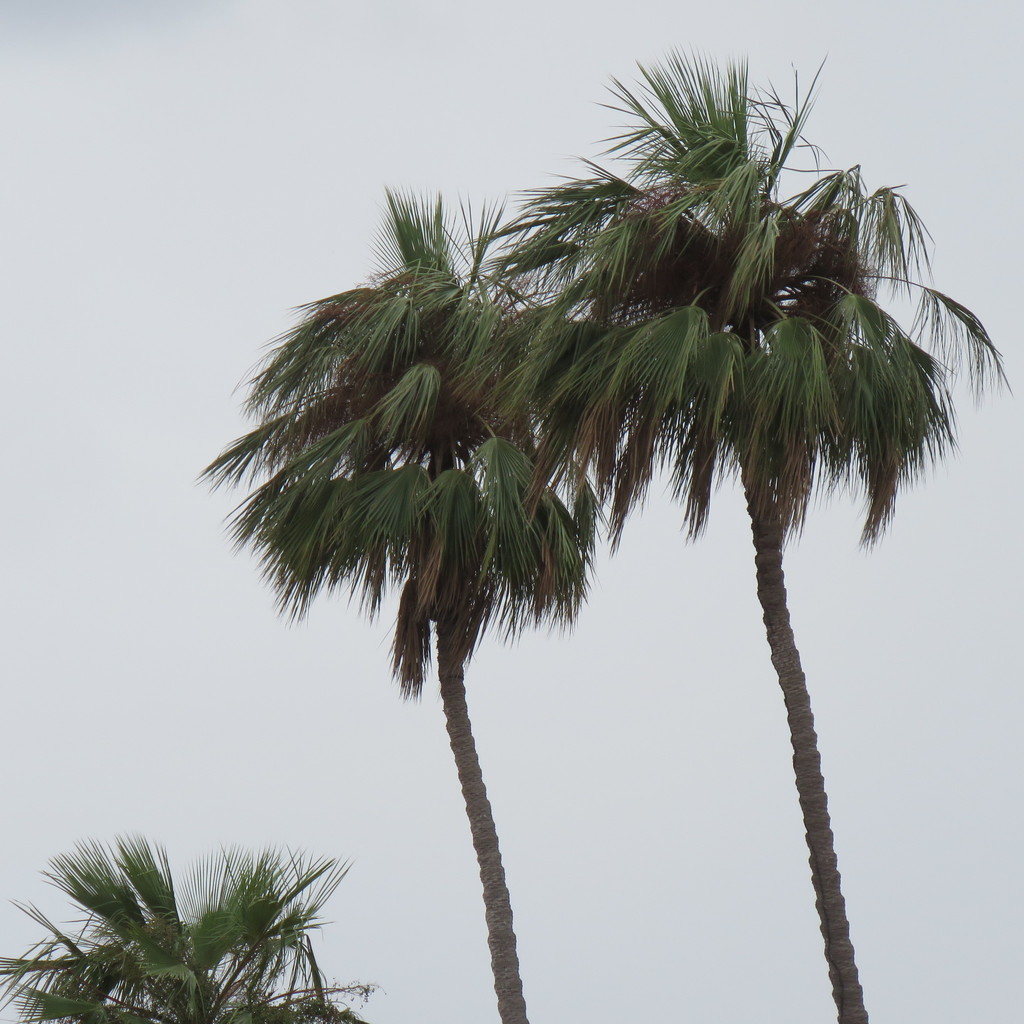
Image via iNaturalist (Research Grade). (c) Ian Cowan, some rights reserved (CC BY-NC)


1. Introduction to Livistona concinna
This report provides a detailed examination of Livistona concinna, a large fan palm native to North Queensland, Australia. The study synthesizes current knowledge on its taxonomic placement, botanical characteristics, life history, and horticultural requirements. By situating the species within its broader genus and detailing its specific ecological niche, this document serves as a definitive reference for botanists, horticulturists, and conservationists.
A. The Livistona Genus: A Global Perspective
The genus Livistona belongs to the palm family, Arecaceae, and represents one of the most ecologically diverse and geographically widespread groups of fan palms. The genus was formally established in 1810 by the botanist Robert Brown, who named it in honor of Patrick Murray, the Baron of Livingston. Murray's extensive plant collection was instrumental in the founding of the Royal Botanic Gardens, Edinburgh, in 1670, linking the genus to a foundational moment in botanical science.
The natural distribution of Livistona is remarkably broad and disjunct, extending from the Horn of Africa and southern Arabia across southeastern and eastern Asia, through Malesia, and into Australia. This extensive range has led to significant taxonomic complexity. The work of botanists such as Odoardo Beccari in the early 20th century, and more recent revisions by Tony Rodd and John Leslie Dowe, have been crucial in clarifying the relationships between species. A pivotal recent development, driven by molecular DNA analysis, was the resurrection of the genus Saribus. This led to the reclassification of several species previously placed within Livistona, thereby refining the phylogenetic boundaries of both genera.
B. Discovery, Taxonomy, and Nomenclature of Livistona concinna
Livistona concinna is a relatively recent addition to the formal botanical record, having been described as a new species by J.L. Dowe and A.S. Barfod in their 2001 paper on new palms from North Queensland and Papua New Guinea. The specific epithet concinna is Latin for 'neat' or 'elegant', chosen by the authors to reflect the "neat and regular appearance of the petioles in the crown". The fact that such a large and prominent canopy palm was only formally described in the 21st century highlights that the process of cataloging global biodiversity is far from complete, with significant discoveries still being made even in well-explored regions like Australia.
Prior to its scientific classification, the palm was recognized by local botanists and enthusiasts under several informal names, including 'Livistona sp. Cooktown', the 'Kennedy River Livistona', and the 'Cooktown Fan Palm', indicating its presence was known long before its formal description. The official type specimen, cataloged as J. L. Dowe 607, was collected on October 17, 2000, from a population growing along Barrett Creek, just north of the Cooktown Airport in Queensland, Australia, at an elevation of 5 meters.
As a clearly defined and recently described species, Livistona concinna has no accepted scientific synonyms. The genus Livistona itself, however, has one heterotypic synonym, Wissmannia, which is no longer in use.
C. Natural Habitat, Distribution, and Conservation Status
Livistona concinna is an endemic species with a highly restricted natural range in northeastern Queensland, Australia. Its distribution is confined to the area from around Cooktown north to Flinders Island, which lies off the coast of Cape Melville.
The species occupies specific ecological niches characterized by seasonal moisture. It is found in seasonally moist open forests, along the banks of creeks and rivers, in seasonally inundated Melaleuca (paperbark) swamps, and at the landward margins of mangrove forests in non-saline environments. It typically grows at low elevations, from sea level to 100 m, and almost exclusively in alluvial soils.
In its native range, it can be found growing alongside other large palms, such as Corypha utan and the related Livistona muelleri. Most wild populations are subject to regular bushfires, suggesting the palm has evolved adaptations to survive and perhaps even benefit from this environmental pressure.
📍 Endemic Distribution:
- Cooktown to Cape Melville: Primary range
- Elevation: Sea level to 100m
- Habitat: Alluvial soils, seasonal wetlands
- Conservation Status: Near Threatened (NCA)
- Discovery: Formally described 2001
2. Botanical Profile: Biology and Morphology
Livistona concinna is a visually striking palm, distinguished by its impressive stature and elegant foliage. Its morphology provides clear diagnostic features for identification and offers clues to its ecological adaptations.
A. Habit and Stature: A Canopy Palm of North Queensland
This species is a large, solitary-stemmed canopy palm that can reach a height of 30 meters. The trunk is grey and measures 24-35 cm in diameter at breast height (DBH), but it is characterized by a massively expanded base that can be up to 100 cm in diameter.
The trunk surface is marked with raised, annular leaf scars, and the internodes between them are relatively narrow, ranging from 2 to 20 cm wide. On mature palms, the old petiole bases are not persistent, leaving a relatively clean trunk.
B. The Crown: Detailed Analysis of Foliage and Petioles
The palm is topped by a dense, globose to hemispherical crown comprising 50 to 65 large leaves.
Petioles
The leaf stalks are long and robust, measuring 1.2 to 3.0 meters in length. They are green throughout, glabrous (smooth), and have a distinct triangular cross-section. The basal portion of the petiole margins is armed with solitary, symmetric black spines that are 3-5 mm long. The distal margins, closer to the leaf blade, are sharp and slightly winged but lack spines.
Lamina
The leaf blade is strongly costapalmate, meaning the petiole extends into the blade as a prominent midrib (the costa). The lamina is large and sub-circular, measuring 1.5-1.6 m in length and approximately 2 m in width. Both surfaces are glabrous and glossy; the adaxial (upper) surface is a mid-green, while the abaxial (lower) surface is a slightly lighter shade of green.
Segments
Each leaf blade is divided into 60 to 78 segments. A defining characteristic of the species is that these segments are free for about 60% of their total length, and their tips are deeply forked (bifurcate) and gracefully pendulous, or drooping.
C. Reproductive Structures: Flowers, Fruit, and Seed Morphology
Livistona concinna displays sexual dimorphism in its reproductive structures, a key feature of its biology.
Inflorescences
The inflorescences (flower clusters) are unbranched at their base and do not extend out beyond the limits of the leafy crown. There are distinct differences between male and female functioning structures. Functionally male inflorescences are 120-180 cm long and are branched to the 3rd or 4th order. In contrast, functionally female inflorescences are significantly larger, measuring 160-250 cm in length, and are more complexly branched, up to the 5th order.
Flowers
The individual flowers are small, 1.6-2 mm high and about 2 mm wide, and are white to cream in color. They are arranged solitarily or in small clusters of two to four along the finest branches of the inflorescence.
Fruit and Seed
The fruit is a globose drupe, 9-12 mm in diameter, which ripens to a shiny black color. Its skin (epicarp) is smooth but marked with scattered lenticellular pores. Inside the thin, oily mesocarp is a single globose to subglobose seed. The seed's interior is characterized by a contorted intrusion of the seed coat that extends about halfway into the endosperm. The embryo is small, approximately 2 mm long, and is located in a lateral to sub-lateral position.
D. Distinguishing L. concinna from Sympatric Species
In its native habitat, L. concinna grows in proximity to Livistona muelleri, but the two are easily distinguished by their size. L. concinna is a much more massive and imposing palm in every respect. Its trunk can reach 30 m in height, compared to a maximum of 10 m for L. muelleri. Furthermore, its leaf blades are significantly larger, measuring 1.5-1.6 m long, whereas those of L. muelleri are only 80-90 cm long.
| Characteristic | Description / Measurement |
|---|---|
| Maximum Height | To 30 m |
| Trunk Diameter (DBH) | 24-35 cm (expanding to 100 cm at base) |
| Crown | 50-65 leaves; globose to hemispherical |
| Leaf Type | Costapalmate |
| Petiole Length | 1.2 - 3.0 m |
| Lamina Dimensions | 1.5-1.6 m long, ~2.0 m wide |
| Segment Count | 60-78 per leaf |
| Flower Size | 1.6-2.0 mm high |
| Fruit Diameter | 9-12 mm |
| Seed Shape | Globose to subglobose |
3. Life History and Reproduction
The life cycle and reproductive biology of Livistona concinna are integral to its survival in its native environment and are critical considerations for its successful propagation in cultivation.
A. Reproductive Strategy: The Dynamics of Functional Dioecy
Livistona concinna is described as being functionally dioecious. This is a nuanced reproductive system that differs from true dioecy, where plants are strictly male or female. In functionally dioecious species, all plants produce flowers that appear morphologically bisexual (containing both male and female parts). However, on some individuals, only the pollen is viable (acting as males), while on others, the ovules are fertile and capable of producing seed (acting as females).
This system, common among Australian Livistona species, is thought to be an evolutionary step toward strict dioecy and may have evolved as a mechanism to promote outcrossing and maintain genetic diversity, particularly in stressful environments.
B. Phenology: Seasonal Cycles of Flowering and Fruiting
The life cycle of L. concinna is closely synchronized with the distinct wet and dry seasons of its monsoonal North Queensland habitat.
- Flowering: The palm flowers during the peak of the wet season, in the summer months from December to March.
- Fruiting: Following pollination, the fruits develop and ripen through the dry season and into the following spring, with mature fruit available from April to October.
The palm exhibits a rather slow growth rate, particularly during its juvenile phase. The combination of a potentially long germination period and slow early growth means that producing a landscape-ready specimen from seed is a long-term endeavor, often taking more than a decade. This extended production timeline inherently increases the horticultural value of mature plants, positioning L. concinna as a premium and relatively rare specimen in the nursery trade. While specific longevity data for L. concinna is not available, related large canopy palms in the genus are known to be very long-lived, with lifespans that can exceed 100 to 200 years.
C. Propagation from Seed: A Comprehensive Germination Protocol
Propagation of L. concinna is accomplished almost exclusively by seed. Success depends on mimicking the natural conditions that trigger germination, which requires careful attention to seed freshness, preparation, and environmental control.
1. Seed Collection, Viability, and Storage
Freshness is the single most important factor for success. Seeds should be collected from the palm when the fruit is fully mature, indicated by its shiny black color. Harvesting directly from the tree is preferable to collecting from the ground, as it minimizes the risk of pathogen contamination and ensures the seeds have not already begun to lose viability.
Like many tropical palms, Livistona seeds are often recalcitrant; they have a high moisture content at maturity and cannot tolerate drying or freezing. Therefore, seeds should be sown as soon as possible after collection. Viability can be quickly assessed using a "cut test"—a healthy seed will have a firm, white endosperm. A "float test" can also be used after cleaning; viable seeds of many species will sink, although this is not universally reliable.
2. Pre-Germination Treatments and Sowing Techniques
The fleshy outer layer of the fruit (mesocarp) contains chemical compounds that inhibit germination and must be completely removed. This is best accomplished by soaking the fresh fruits in water for 24-72 hours, changing the water daily to prevent fermentation. This process softens the pulp, allowing it to be easily scrubbed off by hand. After cleaning, the seeds should be soaked in fresh, warm water for another 24-48 hours to ensure they are fully hydrated before sowing.
For most Livistona species, harsh pre-treatments like mechanical scarification (abrading the seed coat) or chemical treatments with hormones like gibberellic acid (GA3) are unnecessary and often detrimental. While GA3 may hasten germination in some palms, it frequently leads to the growth of abnormally elongated, weak seedlings and is therefore not recommended.
3. Environmental Conditions for Optimal Germination
- Medium: A sterile, loose, and well-aerated germination medium is essential. A mixture of 1:1 or 2:1 perlite and peat moss or coir fiber provides an ideal balance of moisture retention and drainage. The pH should be in the neutral to slightly acidic range of 6.0 to 7.0.
- Temperature: Consistent warmth is the most critical factor. The optimal soil temperature for germination of tropical palms like Livistona is between 27°C and 35°C (80°F to 95°F). Using a thermostatically controlled heat mat is the most reliable way to maintain this temperature.
- Sowing and Moisture: Sow the seeds shallowly, covering them with a layer of medium no thicker than the diameter of the seed itself. This ensures access to oxygen, which is vital for germination. The medium must be kept consistently moist but not waterlogged. Using the "baggie method" (placing the medium and seeds in a sealed plastic bag) or covering the germination pots with plastic wrap is an effective way to maintain high humidity and prevent the medium from drying out.
- Light and Germination Time: Studies on related Livistona species show that germination is often best in complete darkness. Light should only be introduced after the seedling has emerged. Germination can be slow and uneven; the first sprouts may appear in 2 to 12 weeks, but some seeds may take several months to emerge. With fresh seed and optimal conditions, germination rates can exceed 80%.
4. Seedling Care and Early Development
Livistona species exhibit remote germination, where a tube-like structure (the cotyledonary petiole) grows away from the seed, and the first root and shoot emerge from the end of this tube. Once the first leaf appears, the seedling should be moved to a location with bright, indirect light, as direct sun will scorch the tender foliage. After the seedling has developed one or two true leaves, it can be carefully transplanted into a deep individual pot. Extreme care must be taken during this process to avoid damaging the primary root. A weak, balanced liquid fertilizer can be applied once the seedling is established and actively growing.
4. Cultivation and Horticultural Management
Successful cultivation of Livistona concinna hinges on replicating the key environmental conditions of its native habitat. Whether grown in a landscape or as a container specimen, providing the right balance of light, water, and soil is crucial for its long-term health and vigor.
A. General Requirements for Optimal Growth
The fundamental needs of L. concinna are dictated by its origins in the seasonally wet tropics of North Queensland. It requires high moisture availability, particularly during its growing season, combined with excellent soil drainage, warm temperatures, and high ambient humidity.
B. Outdoor Cultivation in Landscaping
1. Site Selection and Soil Preparation
- Light: A dynamic light requirement is a key aspect of this palm's life cycle. Young plants establish best in partial shade, which mimics the understory conditions of their natural habitat. As they mature and grow taller, they become adapted to and thrive in full sun. This necessitates careful long-term planning in landscape design; a site must either provide initial protection or be managed over time to allow for increasing sun exposure.
- Soil: The palm prefers a deep, humus-rich, and exceptionally well-drained soil. In landscape settings with heavy clay, significant soil amendment is required. Incorporating large amounts of organic matter, such as compost, along with coarse sand or perlite will improve both fertility and drainage. The combination of its high water needs and its native habitat of seasonal flooding makes it particularly susceptible to root rot in stagnant, poorly aerated garden soils. The primary goal is to create a soil structure that can be watered frequently and deeply without becoming waterlogged.
- Space: Given its ultimate size—up to 30 m tall with a wide, spreading crown—it must be planted in a location with ample space, away from overhead power lines and structures.
2. Planting, Watering, and Nutritional Programs
- Planting: The best time to plant is in the spring, allowing the palm a full growing season to establish its root system before winter. The planting hole should be two to three times the width of the root ball but no deeper. The palm should be planted so that the base of its trunk is level with or slightly above the surrounding soil grade to prevent water from pooling against the stem.
- Watering: Newly planted palms require regular and deep watering to encourage root establishment. Once established, L. concinna has a high water requirement, especially during hot and dry periods, but it is crucial to allow the soil to have good aeration between waterings.
- Fertilizing: During the active growing season of spring and summer, apply a balanced, slow-release fertilizer formulated specifically for palms. These fertilizers contain the necessary micronutrients, such as manganese, magnesium, and iron, which are vital for preventing common deficiencies in palms. Two to three applications per year are typically sufficient.
3. Long-term Maintenance and Pruning
Once established in the right location, L. concinna is a relatively low-maintenance palm. It is considered a self-cleaning species, meaning that old, dead fronds will naturally detach from the trunk over time. Pruning should be minimal and restricted to the removal of fronds that are completely brown and dead. It is important not to remove green or even yellowing fronds, as the palm is actively reabsorbing valuable nutrients from them.
C. Indoor Cultivation as a Container Specimen
1. Light, Temperature, and Humidity Management
- Light: Indoors, L. concinna requires bright, indirect light. A position near a south- or west-facing window is often ideal, but the plant should be protected from the harsh, direct midday sun, which can scorch its leaves.
- Temperature: It thrives in typical indoor temperatures ranging from 18°C to 29°C (65°F to 85°F). It is important to protect the plant from cold drafts from windows or doors and from abrupt temperature changes caused by heating and air conditioning vents.
- Humidity: This palm appreciates high humidity. In the typically dry air of an indoor environment, it is beneficial to mist the leaves regularly, place the pot on a tray of water-filled pebbles (ensuring the pot is not sitting in the water), or use a room humidifier to increase ambient moisture.
2. Potting, Soil Media, and Repotting Schedule
- Potting and Soil: Use a deep container with multiple drainage holes to accommodate the palm's root system. A high-quality, well-draining potting mix is essential. Commercial palm mixes are suitable, or a custom mix can be made by combining standard potting soil with perlite or coarse sand and peat moss or coir fiber.
- Repotting: As a slow-growing palm, it does not require frequent repotting. Plan to repot every two to three years, or when the palm becomes root-bound (e.g., roots are growing out of the drainage holes). Choose a new pot that is only 5-10 cm (2-4 inches) larger in diameter than the previous one. Repotting is best done in the spring.
3. Watering and Fertilization for Potted Palms
- Watering: Water the palm thoroughly whenever the top 2-5 cm (1-2 inches) of soil feels dry to the touch. When watering, continue until water flows freely from the drainage holes, then discard any excess water from the saucer. It is critical not to let the pot sit in standing water. During the fall and winter, when growth slows, reduce the frequency of watering.
- Fertilizing: Feed the palm during its active growing season (spring and summer) with a balanced liquid fertilizer diluted to half-strength. A feeding schedule of every two to four weeks is appropriate. Do not fertilize during the fall and winter.
| Parameter | Outdoor Landscape | Indoor Container |
|---|---|---|
| Light | Partial shade when young; full sun when mature | Bright, indirect light; avoid direct midday sun |
| Water | Deep, regular watering; allow soil to have good aeration | Water thoroughly when top 2-5 cm of soil is dry; do not let sit in water |
| Soil | Humus-rich, very well-drained soil | Well-draining palm potting mix with perlite or sand |
| Fertilizer | Slow-release palm fertilizer 2-3 times in growing season | Diluted liquid fertilizer every 2-4 weeks in growing season |
| Temperature | USDA Zones 9b-11; protect from frost | 18-29°C (65-85°F); avoid drafts |
| Humidity | Tolerates ambient humidity; benefits from moist locations | High humidity preferred; misting or humidifier recommended |
5. Health Management: Pests, Diseases, and Abiotic Disorders
Maintaining the health of Livistona concinna primarily involves proactive cultural care to prevent stress, as most health issues are opportunistic. The majority of problems encountered by growers, such as yellowing leaves or brown tips, are not pathogenic diseases but are symptoms of abiotic stress—a mismatch between the plant's environmental needs and the conditions provided. Therefore, effective health management focuses on perfecting cultivation practices rather than relying on reactive chemical treatments.
A. Common Insect Pests and Integrated Management
Sap-sucking insects are the most common pests, particularly on indoor plants or those under stress.
- Spider Mites: These tiny arachnids thrive in hot, dry conditions and can be identified by fine webbing on the undersides of fronds and a stippled, faded appearance of the leaves. Management includes increasing humidity by misting and treating with insecticidal soap or neem oil.
- Scale Insects and Mealybugs: Scale insects appear as small, immobile, shell-like bumps on fronds and stems, while mealybugs form white, cottony masses in leaf axils. Both feed on plant sap, causing yellowing, stunted growth, and producing a sticky "honeydew" that can lead to sooty mold. Small infestations can be managed by dabbing the pests with a cotton swab dipped in rubbing alcohol. Larger outbreaks may require treatment with horticultural oil or insecticidal soap.
B. Fungal and Pathogenic Diseases
- Root Rot: This is the most serious and common fatal disease for cultivated palms, caused by various soil-borne fungi like Phytophthora. It is not a primary infection but a direct result of overwatering and/or poorly drained, anaerobic soil conditions. Symptoms include a general decline, yellowing, and wilting, with the roots becoming brown and mushy. Prevention through the use of a well-draining soil mix and proper watering practices is the only effective control.
- Leaf Spot Diseases: Fungi such as Pestalotiopsis can cause brown or black spots on the fronds, sometimes surrounded by a yellow halo. These are typically cosmetic issues that arise in conditions of high humidity combined with poor air circulation. Management involves removing the most heavily infected fronds and improving air movement around the plant.
C. Identifying and Correcting Abiotic Stress and Nutrient Deficiencies
Common Nutrient Deficiency Symptoms
- Improper Watering: This is the most common cause of poor health. Overwatering leads to yellowing leaves and root rot, while underwatering results in wilting, slow growth, and brown, crispy leaf tips and margins.
-
Nutrient Deficiencies: Palms are prone to specific micronutrient deficiencies, which manifest with distinct visual symptoms:
- Nitrogen (N): A uniform, light green or yellow color across the entire plant, starting with the oldest fronds.
- Magnesium (Mg): A characteristic broad yellow band along the margins of the oldest leaves, while the central part of the leaf remains green.
- Manganese (Mn): Known as "frizzle top," this severe deficiency affects new growth. Emerging fronds are stunted, yellow, weak, and have a withered or scorched appearance. This condition can be fatal if not corrected promptly.
These deficiencies are best prevented and corrected by using a balanced fertilizer specifically formulated for palms, which includes a complete range of micronutrients.
6. Cultivation in Cooler Climates: Hardiness and Protection Strategies
While Livistona concinna is a tropical palm, its potential for cultivation in cooler, subtropical, or warm-temperate climates can be assessed by examining the hardiness of its close relatives and applying appropriate winter protection strategies.
A. Assessing Cold Hardiness: USDA Zone Considerations
Specific, tested cold hardiness data for L. concinna is not yet widely available due to its relative rarity in cultivation. However, a reliable estimate can be made by referencing more common species in the genus. Livistona chinensis (Chinese Fan Palm) is renowned as one of the most cold-tolerant species, reliably hardy in USDA Zones 9 through 11 and capable of surviving temperatures down to 15-20°F (-9 to -6°C) with some foliage damage. There are even reports of it surviving as a die-back perennial (regrowing from the roots) in Zone 7. Another related species, Livistona speciosa, is rated for Zones 9b-11.
Based on this information and its North Queensland origin, a conservative hardiness rating for Livistona concinna would be USDA Hardiness Zones 9b to 11. In Zone 9b, where average minimum winter temperatures are -4 to -1°C (25 to 30°F), it would likely survive but require protection during significant cold fronts to prevent severe damage or death.
B. Winter Protection Techniques for Marginal Zones (e.g., Zone 9a/9b)
Successfully growing L. concinna at the edge of its hardiness range depends on understanding that the roots and base of the palm are hardier than its foliage. The primary goal of winter protection is not necessarily to save every leaf, but to ensure the survival of the plant's core—the root system and the central growing point (the spear).
- Microclimate and Site Selection: Planting in a sheltered location, such as on the south side of a building or within a courtyard, can provide several degrees of ambient temperature protection from cold winds and frost.
- Root Protection: This is the most critical step. After the ground has cooled but before the first hard freeze, apply a thick layer (15-30 cm or 6-12 inches) of dry, airy mulch such as pine straw, bark chips, or shredded leaves over the entire root zone. This insulates the soil and protects the shallow roots from freezing.
- Crown and Trunk Protection: For nights when a hard freeze is forecast, the fronds can be gently tied up into a bundle. This helps protect the vulnerable central spear. The bundled crown can then be wrapped with a breathable insulating material like multiple layers of horticultural fleece, old blankets, or burlap. It is essential to avoid using plastic sheeting directly against the plant, as it traps moisture and can cause rot and freeze damage where it touches the leaves. For extra protection during severe, prolonged freezes, a string of non-LED Christmas lights can be wrapped around the trunk inside the insulation to generate a small amount of radiant heat. All protection should be removed promptly once the freezing temperatures have passed to allow the plant to breathe and dry out.
- Post-Freeze Care: Resist the urge to immediately prune frost-damaged, brown fronds. These dead fronds provide a small amount of insulation to the rest of the palm. Wait until all danger of frost has passed in the spring before trimming them off.
C. Overwintering Container-Grown Specimens
In climates colder than Zone 9a, L. concinna must be grown in a container and brought indoors for the winter. The plant should be moved to a protected location, such as an unheated garage or indoors, before the first hard freeze. If brought inside the home, it should be placed in the brightest possible location, away from direct heat sources. During its winter dormancy, watering should be reduced significantly, and fertilization should be stopped completely until spring.
Summary
Livistona concinna, the Cooktown Fan Palm, is a large, elegant, and ecologically significant palm endemic to a restricted area of North Queensland, Australia. Formally described in 2001, it is distinguished by its tall, solitary trunk with a massively expanded base, a dense crown of large, costapalmate leaves with deeply divided, pendulous segments, and a functionally dioecious reproductive system. It inhabits seasonally inundated forests and swamps, an environment that dictates its horticultural need for both high moisture and excellent soil aeration.
Propagation is by seed, which requires freshness, warmth, and moisture to germinate successfully. In cultivation, it is a versatile palm, suitable as a majestic landscape specimen in tropical and subtropical climates (USDA Zones 9b-11) and as a striking container plant for indoor spaces. Its slow juvenile growth rate makes mature specimens a long-term investment. Successful cultivation depends on providing appropriate light (shade when young, sun when mature), a well-draining, fertile soil, and consistent moisture. Health management is primarily preventative, focusing on proper cultural practices to avoid abiotic stress and opportunistic pests and diseases. While it possesses some cold tolerance, it requires protection in marginal climates to ensure the survival of its root system and growing point. Overall, L. concinna is a magnificent palm whose successful cultivation is a rewarding endeavor for the informed and patient grower.
- Endemic to North Queensland, Australia (Cooktown to Cape Melville)
- Can reach 30 meters in height with 100cm base diameter
- 50-65 large costapalmate leaves with pendulous segments
- Functionally dioecious - requires multiple plants for seed production
- Near Threatened conservation status
- USDA Zones 9b-11
- Requires excellent drainage despite high water needs
- Slow juvenile growth, long-lived (100+ years)
- Self-cleaning - minimal maintenance once established
- Ideal for large landscape specimens and botanical collections