Livistona carinensis: A comprehensive Growing Guide for Enthusiasts & Collectors.
Livistona carinensis
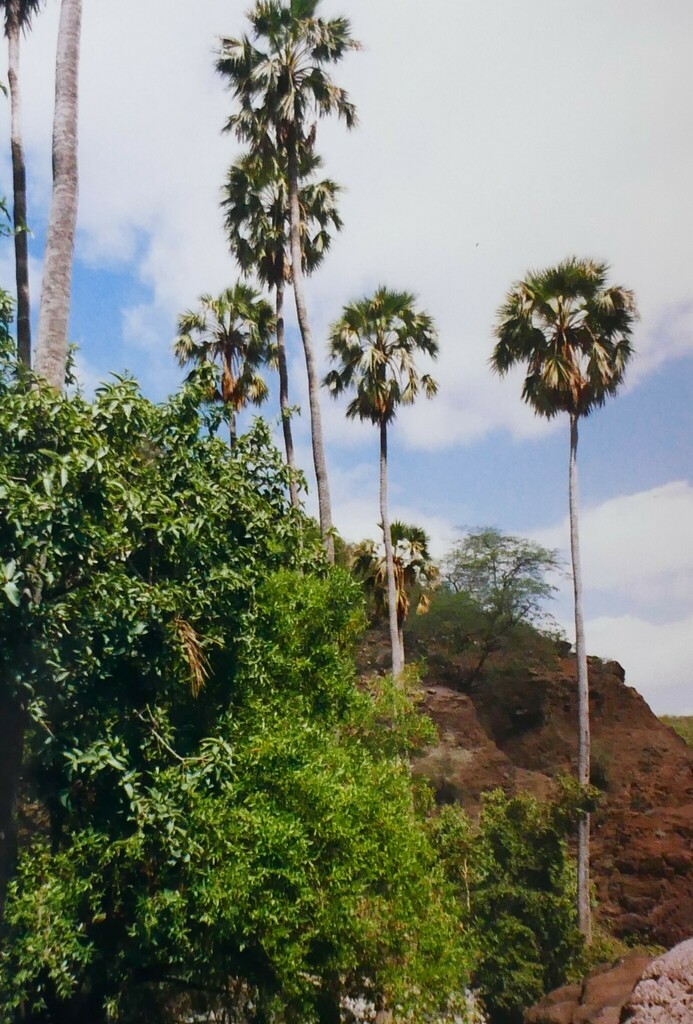
Image via iNaturalist (Research Grade). (c) CORDENOS Thierry, some rights reserved (CC BY-NC)


1. Introduction
Habitat and Distribution, Native Continent
Livistona carinensis is native to the eastern Himalayas and Southeast Asia, with its range extending from northeastern India (Assam, Arunachal Pradesh), Bangladesh, Myanmar, southern China (Yunnan), northern Thailand, Laos, and northern Vietnam. This distinctive fan palm inhabits seasonally dry forests and savanna-like habitats from near sea level to 1,500 meters elevation, with most populations occurring between 300-900 meters. It thrives in areas with a pronounced monsoonal climate, experiencing 1,200-2,500mm annual rainfall with a distinct 4-6 month dry season. The species often grows on limestone outcrops and well-drained slopes, frequently in association with dipterocarp forests and in areas subject to periodic fires.
📍 Native Distribution:
- Regions: NE India, Bangladesh, Myanmar, S China, N Thailand, Laos, N Vietnam
- Elevation: Sea level to 1,500m (most common 300-900m)
- Habitat: Seasonally dry forests, savanna, limestone outcrops
- Climate: Monsoonal, 1,200-2,500mm rainfall, 4-6 month dry season
- Associations: Dipterocarp forests, fire-adapted vegetation
Native range: Eastern Himalayas to Southeast Asia
Click on markers for regional details
Taxonomic Classification and Scientific Classification
Synonyms
- Wissmannia carinensis Chiov. (basionym, 1932)
- Livistona cochinchinensis auct. non (Blume) Mart.
- Livistona speciosa auct. non Kurz
- Livistona jenkinsiana auct. non Griff.
Common Names
- English: Bankoang palm
- English: Kho palm
- Thai: ตาลโตนด (taan toht)
- Bengali: পাটি তাল (pati tal)
- Vietnamese: Cọ lá
- Chinese: 龙鳞葵 (lóng lín kuí - "dragon scale sunflower")
Expansion in the World
L. carinensis has gained popularity in cultivation:
- Common in Southeast Asian gardens
- Fairchild Tropical Botanic Garden, Florida
- Increasing in Mediterranean climates
- Private collections worldwide
- Regularly available from palm nurseries
- Seeds commonly offered
- IUCN Red List status: Not assessed (widespread)
Its drought tolerance and architectural form drive cultivation interest. The species has proven adaptable to various climates within its hardiness range, performing particularly well in areas with distinct seasons.
2. Biology and Physiology
Morphology
Trunk
L. carinensis develops a solitary, robust trunk reaching 10-25 meters in height with a diameter of 20-35cm. The trunk is distinctive gray-brown, marked with closely spaced ring scars and often retaining persistent leaf bases on the upper portion. A unique feature is the slightly swollen base and the tendency for the trunk to show a subtle curve. Young palms often have a skirt of dead leaves that creates a distinctive appearance.
Leaves
The crown consists of 25-40 costapalmate (fan-shaped with a costa) leaves forming a full, rounded canopy. Individual leaves measure 1.5-2.5 meters across, divided to about half their length into 60-80 segments. Each segment is bifid (split) at the tip with characteristic drooping points. The petiole is 1-2 meters long, armed along the margins with robust, curved black spines up to 2cm long. Leaves are bright green above, distinctly glaucous (blue-gray waxy) below.
Costa
A distinguishing feature is the prominent costa (midrib extension) that extends 20-40cm into the blade, giving the leaves a distinctive folded appearance. This character helps separate it from similar species.
Flower Systems
L. carinensis is hermaphroditic with massive, branched inflorescences emerging among the leaves. The inflorescence can reach 2-3 meters long, with 4-5 orders of branching. Flowers are small (3-4mm), cream to pale yellow, borne in clusters along the rachillae. Each flower contains both functional male and female parts. Flowering typically occurs at the end of the dry season (March-May in most of range), with mass flowering events in populations.
Life Cycle
L. carinensis has a moderate to long life cycle:
- Germination to Seedling (0-3 years): Slow establishment
- Juvenile Phase (3-15 years): Trunk development begins
- Sub-adult Phase (15-30 years): Rapid height growth
- Adult Phase (30-100+ years): Full size and regular reproduction
- Longevity: Estimated 150-200 years
First flowering typically occurs at 20-30 years or when trunk reaches 5-8 meters.
Specific Adaptations to Climate Conditions
- Drought Tolerance: Deep taproot and waxy leaves conserve water during dry seasons
- Fire Resistance: Protected growing point, thick trunk bark, and leaf skirt shield from periodic burns
- Monsoon Adaptation: Flowering timed with end of dry season for optimal pollination and seed dispersal
- Wind Resistance: Flexible petioles and segmented leaves reduce wind damage
- Temperature Extremes: Tolerates seasonal variations from near-freezing to very hot
- Poor Soil Tolerance: Efficient nutrient uptake allows growth on limestone and degraded soils
3. Reproduction and Propagation
Seed Reproduction
Seed Morphology and Diversity
L. carinensis produces globose to ovoid fruits, 1.5-2.5cm diameter, ripening from green through orange to glossy black or dark purple. The epicarp is thin and smooth; the mesocarp is fleshy and fibrous; the endocarp is thin. Each fruit contains a single large seed, 1.2-1.8cm diameter, with homogeneous endosperm and a lateral embryo. Fresh seed weight ranges from 1.5-3.5 grams. Significant variation exists in fruit size and color between populations.
Detailed Seed Collection and Viability Testing
Collection Methods:
- Monitor for color change to dark purple/black
- Collect fresh fallen fruits daily
- Use nets or tarps under trees
- Process within one week
Viability Testing:
- Float test: Viable seeds generally sink
- Visual inspection: Plump, heavy seeds
- Cut test: White, firm endosperm
- Fresh viability: 85-95%
- Storage: Orthodox behavior
- 6 months at room temperature: 60-70%
- 1 year cool storage: 50-60%
- Long-term storage possible at low temperature
Pre-germination Treatments
Fruit Processing:
- Remove all fruit flesh
- Clean thoroughly
- Air dry for 24-48 hours
- Can store cleaned seeds
Scarification:
- File or sand the seed coat
- Hot water soak: 80°C for 5 minutes
- Helps speed germination
- Not essential but beneficial
Soaking:
- 24-48 hours in warm water
- Change water daily
- Seeds may swell slightly
Step-by-step Germination Techniques
- Medium: 50% peat, 50% perlite or coarse sand
- Container: Deep pots (15cm+) or beds
- Planting: 2-3cm deep, pointed end up
- Temperature: 25-35°C (77-95°F) optimal
- Humidity: 60-80%
- Light: Can germinate in full sun
- Moisture: Keep moist but not waterlogged
Germination Difficulty
- Fresh seeds germinate readily
- Tolerates wide temperature range
- Not particular about conditions
- Robust seedlings
Germination Time
- First germination: 30-60 days
- Peak germination: 60-90 days
- Complete process: 120-150 days
- Success rate: 70-90%
Seedling Care and Early Development
First year:
- Can tolerate full sun immediately
- Begin feeding at 3 months
- Growth initially slow
- Deep taproot develops
Years 2-3:
- Increase container size
- Regular fertilization
- Can plant out at 2 years
- Drought tolerance developing
Years 4-5:
- Trunk initiation
- Adult leaf characteristics
- Full sun preferred
- Minimal care needed
Advanced Germination Techniques
Hormonal Treatments for Germination Enhancement
Gibberellic Acid (GA3):
- 250-500 ppm effective
- 24-hour soak
- 20-30% faster germination
- More uniform emergence
Smoke Water:
- Very effective for this species
- 1:100 dilution
- Natural fire adaptation
- 30-40% improvement
Combined Treatment:
- Scarification + smoke water
- Best results
- 85-95% germination
- Faster emergence
4. Cultivation Requirements
Light Requirements
Species-specific Light Tolerance Ranges
- Seedlings (0-1 year): 1000-2200 μmol/m²/s (50% shade to full sun)
- Juveniles (1-5 years): 1500-2200+ μmol/m²/s (light shade to full sun)
- Sub-adults (5-15 years): Full sun preferred (2200+ μmol/m²/s)
- Adults: Full sun required for best growth
Very sun-tolerant from early age.
Seasonal Light Variations and Management
- Handles seasonal changes well
- No shade needed after establishment
- More sun equals faster growth
- Can tolerate some shade but grows slowly
Artificial Lighting for Indoor Cultivation
- High light requirements
- Not ideal for indoor growth
- Needs HID or strong LED
- Minimum 14-hour photoperiod
Temperature and Humidity Management
Optimal Temperature Ranges
- Ideal: 25-35°C (77-95°F)
- Acceptable: 10-42°C (50-108°F)
- Minimum survival: -2°C (28°F) brief
- Maximum tolerance: 45°C (113°F)
- Wide temperature tolerance
Cold Tolerance Thresholds
- Light damage: 0°C (32°F)
- Severe damage: -2°C (28°F)
- Fatal: -5°C (23°F)
- Brief frost tolerated when established
Hardiness Zone Maps
- USDA Zones: 9a-11
- Marginal in 8b with protection
- Sunset Zones: 13-17, 19-24
- European: H3-H2
Humidity Requirements and Modification
- Optimal: 40-70%
- Minimum tolerable: 20%
- Very drought-tolerant
- Low humidity tolerance good
Soil and Nutrition
Ideal Soil Composition and pH
Ideal Cultivation Mix for Livistona carinensis
- pH preference: 6.0-8.0 (wide tolerance)
-
Native soil adaptation:
- Tolerates limestone soils
- Handles poor, rocky soils
- Adapts to various types
-
Ideal mix for cultivation:
- 40% loam
- 30% coarse sand
- 20% compost
- 10% perlite
Nutrient Requirements Through Growth Stages
Seedlings (0-2 years):
- Light feeding monthly
- Balanced fertilizer
- 1/2 strength
Juveniles (2-10 years):
- NPK ratio: 8-2-8+Mg
- Monthly in growing season
- Full strength
Adults (10+ years):
- NPK ratio: 12-4-8
- Quarterly application
- Heavy feeder when growing
Organic vs. Synthetic Fertilization
Organic Program:
- Well-aged manure excellent
- Compost mulch beneficial
- Bone meal for phosphorus
- Natural slow release
Synthetic Program:
- Palm special formulations
- Controlled-release ideal
- Micronutrients important
- Avoid lawn fertilizers
Micronutrient Deficiencies and Corrections
- Manganese: Common deficiency ("frizzletop") - manganese sulfate foliar spray
- Magnesium: Older leaf yellowing - Epsom salts
- Iron: New leaf chlorosis - chelated iron
- Boron: Distorted new growth - borax solution
Water Management
Irrigation Frequency and Methodology
- Drought-tolerant once established
- Deep, infrequent watering best
- Increase during growth season
- Reduce in cool months
Drought Tolerance Assessment
- Survives extended dry periods
- Growth slows but recovers
- Deep taproot crucial
- One of the most drought-tolerant fan palms
Water Quality Considerations
- Tolerates poor water quality
- Handles moderate salinity
- Alkaline water acceptable
- Not fussy about water
Drainage Requirements
- Good drainage preferred
- Tolerates occasional flooding
- Avoid constant wet feet
- Raised planting in clay soils
5. Diseases and Pests
Common Problems in Growing
- Manganese deficiency: Most common issue
- Palm weevils: In endemic areas
- Scale insects: Occasional
- Generally very healthy
Identification of Diseases and Pests
Nutrient Issues:
- Frizzletop: Manganese deficiency
- Yellow older leaves: Magnesium
- Stunted growth: General deficiency
Pest Problems:
- Red palm weevil: Serious where present
- Palmetto weevil: Attacks stressed palms
- Scale insects: White or brown
- Generally pest-free
Diseases:
- Ganoderma butt rot: In old palms
- Leaf spots: Minor in humid conditions
- Root rot: Only in waterlogged soil
- Very disease-resistant
Environmental and Chemical Protection Methods
Cultural Prevention:
- Proper nutrition prevents most issues
- Good drainage essential
- Remove old fronds carefully
- Monitor for weevils
Chemical Controls:
- Manganese sulfate for frizzletop
- Systemic insecticides for weevils
- Horticultural oil for scales
- Minimal pesticide needs
6. Indoor Palm Growing
Specific Care in Housing Conditions
Challenges Indoors:
- High light requirements
- Large ultimate size
- Low humidity tolerance helps
- Better for conservatories
If Attempted:
- Maximum light essential
- Large containers needed
- Regular feeding important
- Air circulation crucial
Replanting and Wintering
Replanting Schedule:
- Young palms: Every 2 years
- Mature palms: Every 3-5 years
- Spring timing best
- Large containers eventually
Winter Care:
- Reduce watering 50%
- Stop fertilization
- Maintain above 10°C (50°F)
- Maximum light exposure
- Watch for scale insects
7. Landscape and Outdoor Cultivation
Landscape Value
- Excellent specimen palm
- Drought garden feature
- Street tree potential
- Tropical to subtropical accent
Design Applications
- Single specimen dramatic
- Group plantings effective
- Large spaces needed
- Pairs for formal entries
8. Cold Climate Cultivation Strategies
Cold Hardiness
Can survive brief periods at -2°C (28°F) when mature and established.
Winter Protection
- Hardy to light frost when mature
- Protect young plants below 0°C
- Wrap trunk in extreme cold
- Mulch heavily
Hardiness Zone
- USDA 9a-11 reliable
- Zone 8b possible with protection
- Microclimate important
Winter Protection Systems and Materials
For Marginal Areas:
- Trunk wrapping with burlap
- Heat cables for extreme events
- Antitranspirant sprays
- Wind protection critical
Establishment and Maintenance in Landscapes
Planting Techniques for Success
Site Selection:
- Full sun essential
- Well-drained location
- Protection from cold winds
- Allow for 10m+ height
Soil Preparation:
- Wide planting hole
- Amend heavy clay
- Add organic matter
- Ensure drainage
Planting Process:
- Plant at same depth
- Water thoroughly
- Stake if needed
- Mulch well
Long-term Maintenance Schedules
Monthly (Growing Season):
- Deep watering if dry
- Fertilizer application
- Pest monitoring
Quarterly:
- Comprehensive feeding
- Remove dead fronds
- Check for deficiencies
Annually:
- Major fertilization
- Soil testing
- Health assessment
- Photo documentation
Minimal Maintenance Overall:
- Very self-sufficient
- Drought-tolerant
- Pest-resistant
- Natural beauty
Final Summary
Livistona carinensis stands out among fan palms for its exceptional drought tolerance, architectural beauty, and adaptability to various growing conditions. Native to the monsoonal forests of Southeast Asia, this species has evolved to thrive in challenging seasonal climates with extended dry periods and variable soils.
The distinctive costapalmate leaves with their prominent costa, drooping segment tips, and blue-gray undersides create a tropical elegance while providing practical advantages in wind resistance and water conservation. The armed petioles and retained dead leaves on young palms add character while providing fire protection in habitat.
Cultivation is straightforward, with seeds germinating readily and seedlings showing unusual tolerance for full sun from an early age. The species' adaptation to seasonal drought translates to excellent performance in Mediterranean and subtropical climates where water conservation is important. Its tolerance for poor soils, including limestone, adds to its versatility.
For appropriate climates (USDA Zones 9a-11), L. carinensis offers an excellent combination of beauty, drought tolerance, and low maintenance. It performs well as a specimen plant, in groups, or even as a street tree where space allows. Success requires little more than full sun, reasonable drainage, and patience through the initial slow growth phase. Once established, this remarkable palm rewards with decades of trouble-free growth, eventually developing into a majestic specimen that captures the essence of tropical Asia while thriving in challenging conditions that would stress less adapted species.
- Native to Eastern Himalayas and Southeast Asia
- Exceptional drought tolerance - survives 4-6 month dry seasons
- Solitary trunk reaching 10-25 meters
- Costapalmate leaves with distinctive blue-gray undersides
- Fire-resistant - protected apex and thick trunk
- Germination easy - 70-90% success rate with fresh seeds
- Full sun tolerant from seedling stage
- Wide temperature range: -2°C to 45°C
- USDA Zones 9a-11, marginal in 8b
- Low maintenance - very self-sufficient once established
- Tolerates poor, limestone, and rocky soils
- Relatively pest and disease free
- Excellent for Mediterranean and drought-prone areas