Licuala lauterbachii: A comprehensive Growing Guide for Enthusiasts & Collectors.
Licuala lauterbachii
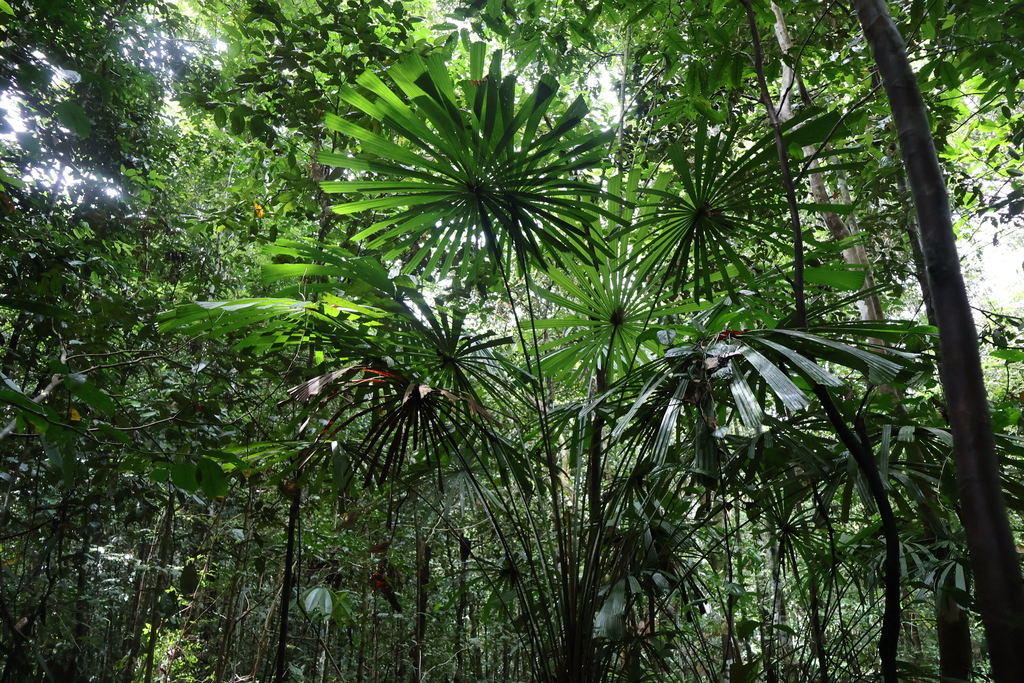
Image via iNaturalist (Research Grade). (c) Hakim, some rights reserved (CC BY-NC)


1. Introduction
Habitat and Distribution, Native Continent
Licuala lauterbachii is endemic to Papua New Guinea, specifically found in the lowland rainforests of the Sepik River basin, Madang Province, and adjacent areas of East Sepik Province. This spectacular palm inhabits swampy lowland forests, often in areas subject to seasonal flooding, from sea level to 200 meters elevation. It thrives in regions with extremely high rainfall exceeding 3,000mm annually, with no distinct dry season. The species typically grows in alluvial soils along rivers and in freshwater swamps, often forming dense stands in suitable habitat. Named after Carl Lauterbach, a German botanist who explored New Guinea in the 1890s.
Native Continent
📍 Endemic Distribution:
- Primary Range: Sepik River basin, Madang Province
- Elevation: Sea level to 200 meters
- Habitat: Swampy lowland forests, seasonal flooding areas
- Climate: Extreme rainfall 3,000mm+ annually
- Soil: Alluvial soils, riverbanks, freshwater swamps
Native range: Papua New Guinea lowlands (Endemic)
Click on markers for details
Taxonomic Classification and Scientific Classification
Synonyms
- Licuala spectabilis Miq. (misapplied)
- Licuala grandis var. lauterbachii (Dammer & K.Schum.) Becc.
- Sometimes confused with L. grandis in trade
Common Names
- English: Lauterbach's fan palm
- English: New Guinea fan palm
- Regional: Sepik fan palm
- Tok Pisin: Marita palm (though this usually refers to Pandanus)
- Chinese: 劳氏刺轴榈
Expansion in the World
- Popular in tropical botanical gardens
- Fairchild Tropical Botanic Garden (established specimens)
- Singapore Botanic Gardens
- Increasingly available in specialist trade
- Seeds regularly offered
- Tissue culture production established
- IUCN Red List status: Not assessed
Growing popularity due to spectacular appearance and vigor.
2. Biology and Physiology
Morphology
Trunk
L. lauterbachii develops a robust, solitary trunk reaching 6-12 meters in height (rarely to 15 meters) with a diameter of 10-20cm. The trunk is among the thickest in the genus, gray-brown, prominently ringed with raised leaf scars. Young palms retain leaf bases for several years, creating a shaggy appearance. The base may be slightly swollen, and aerial roots occasionally develop in swampy conditions. The crown is massive and dense.
Leaves
The leaves are extraordinary—among the largest in the genus. Each leaf is nearly circular, 150-250cm in diameter (occasionally to 300cm), making them some of the most impressive fan leaves in cultivation. The blade is divided into 14-20 wedge-shaped segments, split to about one-third of the radius, creating a relatively entire appearance. The segments are bright glossy green above, only slightly paler below, with prominent raised veins. Margins are entire or minutely toothed. Petioles are massive, 150-300cm long and 3-5cm thick, unarmed or with small spines near the base, green to yellow-green. New leaves emerge pale green to yellowish. A mature crown contains 20-30 leaves.
Flower Systems
L. lauterbachii is hermaphroditic with massive interfoliar inflorescences extending well beyond the leaves. The branched inflorescence can reach 200-350cm long, among the longest in Licuala. Primary branches are themselves branched, creating a complex panicle with hundreds of small flowers. Individual flowers are 4-5mm, cream to pale yellow, with a sweet fragrance particularly strong in evening. Flowering can occur throughout the year but peaks during wettest months. Large specimens may produce multiple inflorescences simultaneously.
Life Cycle
L. lauterbachii shows relatively rapid growth for a fan palm:
- Germination to Seedling (0-2 years): Fast initial growth
- Juvenile Phase (2-8 years): Impressive leaf development
- Sub-adult Phase (8-15 years): Trunk emergence and elongation
- Adult Phase (15-80+ years): Full glory and regular reproduction
- Longevity: 100+ years estimated
First flowering at 12-18 years, earlier than many large palms.
Specific Adaptations to Climate Conditions
- Swamp Adaptation: Tolerates waterlogging
- Massive Leaves: Captures light in dense forest
- Flexible Petioles: Survives flooding currents
- Rapid Growth: Competes in rich habitat
- Heat Tolerance: Thrives in lowland heat
- Aerial Roots: Additional support in soft soil
3. Reproduction and Propagation
Seed Reproduction
Seed Morphology and Diversity
L. lauterbachii produces large globose to ovoid fruits, 20-30mm diameter, among the largest in the genus. Fruits ripen from green through yellow to orange or red-orange. The epicarp is smooth and glossy; mesocarp is thick and fleshy; endocarp is hard. Each fruit contains 1-2 large seeds (usually 1). Seeds are globose to slightly compressed, 15-20mm diameter, with homogeneous endosperm. Fresh seed weight is 3-5 grams. Considerable variation exists in fruit size and color between populations.
Detailed Seed Collection and Viability Testing
- Monitor large infructescences
- Collect at orange stage
- Fruits fall when overripe
- Process immediately
- Large, heavy seeds best
- Float test very reliable
- Firm white endosperm essential
- Fresh viability: 90-95%
- One month: 70-80%
- Three months: 40-50%
- Six months: 10-20%
Pre-germination Treatments
Fruit Processing:
- Remove thick flesh completely
- Ferment 2-3 days if needed
- Clean thoroughly
- Never allow drying
Scarification:
- File through thick endocarp
- Hot water: 65°C for 30 minutes
- Mechanical cracking effective
- Significant improvement noted
Soaking:
- 48-72 hours after scarification
- Change water twice daily
- Seeds swell noticeably
- Fungicide beneficial
Step-by-step Germination Techniques
- Medium: 40% coarse sand, 30% peat, 20% perlite, 10% charcoal
- Container: Large individual pots (seeds big)
- Planting: 3-4cm deep
- Temperature: 28-35°C (82-95°F) optimal
- Humidity: 80-90%
- Light: Bright shade immediately
- Bottom heat: Very beneficial
Germination Difficulty
- Fresh seeds germinate readily
- Scarification important
- Heat crucial
- Vigorous seedlings
Germination Time
- First germination: 30-75 days
- Peak germination: 75-120 days
- Complete process: 180 days
- Success rate: 80-95% with fresh seeds
Seedling Care and Early Development
Year 1:
- Remarkably fast growth
- Large first leaves
- High nutrition needs
- 70% shade optimal
Years 2-3:
- Impressive leaf size already
- Heavy feeding required
- Can handle more light
- Trunk base forming
Years 4-5:
- Near-adult leaf size
- Trunk elongation begins
- Full sun tolerance developing
- Landscape-ready
Advanced Germination Techniques
Hormonal Treatments for Germination Enhancement
Gibberellic Acid (GA3):
- 500-750 ppm optimal
- 48-hour soak
- 25-30% faster germination
- More uniform emergence
Smoke Water:
- Effective for PNG species
- 1:50 dilution
- Natural germination cue
- Combine with GA3
Bottom Heat Protocol:
- 32-35°C soil temperature
- Dramatic improvement
- Reduces time by 30-40%
- Essential for best results
4. Cultivation Requirements
Light Requirements
Species-specific Light Tolerance Ranges
- Seedlings (0-2 years): 500-1000 μmol/m²/s (70-80% shade)
- Juveniles (2-8 years): 1000-1800 μmol/m²/s (40-60% shade)
- Sub-adults (8-15 years): 1800-2200 μmol/m²/s (20-30% shade)
- Adults: Full sun tolerance (2200+ μmol/m²/s)
Remarkably adaptable to varying light levels.
Seasonal Light Variations and Management
- Young plants need consistent shade
- Adults thrive in full sun
- Can handle seasonal variations
- Gradual acclimation important
Artificial Lighting for Indoor Cultivation
- High light needs when mature
- Metal halide or LED required
- 14-16 hour photoperiod
- 400+ foot-candles
Temperature and Humidity Management
Optimal Temperature Ranges
- Ideal: 26-35°C (79-95°F)
- Acceptable: 20-40°C (68-104°F)
- Minimum survival: 15°C (59°F)
- Maximum tolerance: 45°C (113°F) briefly
- Exceptional heat tolerance
Cold Tolerance Thresholds
- Light damage: 18°C (64°F)
- Severe damage: 15°C (59°F)
- Fatal: 10°C (50°F)
- No frost tolerance
Hardiness Zone Maps
- USDA Zones: 10b-11
- Marginal in 10a
- Sunset Zones: 23-24
- European: H1a
Humidity Requirements and Modification
- Optimal: 70-90%
- Minimum: 50%
- Tolerates dry air better than most
- Benefits from misting
Soil and Nutrition
Ideal Soil Composition and pH
Swamp Adaptation Mix for Licuala lauterbachii
- pH preference: 5.5-7.5 (wide range)
-
Swamp adaptation mix:
- 30% rich loam
- 25% peat or coir
- 20% composted manure
- 15% perlite
- 10% sand
- Rich, moisture-retentive
Nutrient Requirements Through Growth Stages
Seedlings (0-2 years):
- Begin feeding at 3 months
- 1/2 strength bi-weekly
- Rapid nutrient uptake
Juveniles (2-8 years):
- NPK ratio: 5-2-4
- Weekly during growth
- Very heavy feeder
Adults (8+ years):
- NPK ratio: 15-5-15
- Massive nutrient needs
- Weekly applications
- Supplemental feeding beneficial
Organic vs. Synthetic Fertilization
Organic Program:
- Heavy compost mulching
- Aged manure excellent
- Blood meal for nitrogen
- Thrives on rich soil
Synthetic Approach:
- High rates tolerated
- Controlled-release plus liquid
- Complete micronutrients
- Push growth hard
Micronutrient Deficiencies and Corrections
- Nitrogen: Most common - heavy feeding
- Magnesium: Regular Epsom salts
- Iron: In alkaline soils
- Generally heavy feeder
Water Management
Irrigation Frequency and Methodology
- Very high water requirement
- Daily in hot weather
- Can tolerate waterlogging
- Deep watering preferred
Drought Tolerance Assessment
- Wilts quickly
- Large leaves lose water rapidly
- Permanent damage if severe
Water Quality Considerations
- Tolerant of most water
- Not salt sensitive
- Swamp adaptation helps
- pH 5.5-7.5 fine
Drainage Requirements
- Tolerates poor drainage
- Can grow in standing water
- Adapts to various conditions
- Unique among cultivated palms
5. Diseases and Pests
Common Problems in Growing
- Scale insects: On massive leaves
- Nutrient deficiencies: From rapid growth
- Wind damage: Large leaves vulnerable
- Generally healthy species
Identification of Diseases and Pests
- Coconut scale on petioles
- Palm aphids on new growth
- Occasional caterpillars
- Two-spotted mites in dry conditions
- Leaf spots minor issue
- Root rot rare (swamp adapted)
- Bud rot in cold/wet
- Very disease resistant
Environmental and Chemical Protection Methods
Cultural Management:
- Meet high nutrient needs
- Provide adequate water
- Good air circulation
- Remove damaged leaves
If Treatment Needed:
- Systemic insecticides for scale
- Horticultural oil sprays
- Rarely needs fungicides
- Focus on nutrition
6. Indoor Palm Growing
Specific Care in Housing Conditions
Indoor Challenges:
- Massive size problematic
- High light needs
- Spectacular when young
- Outgrows spaces quickly
Temporary Indoor Use:
- Beautiful juvenile specimen
- Needs very bright light
- High humidity beneficial
- Plan for transplanting
Replanting and Wintering
Replanting Requirements:
- Large containers needed
- Annual when young
- Rich medium essential
- Heavy root system
Winter Care:
- Maintain above 18°C (64°F)
- Reduce watering slightly
- Continue feeding lightly
- Maximum light critical
- Watch growth in warmth
7. Landscape and Outdoor Cultivation
Garden Impact
- Spectacular specimen supreme
- Massive tropical statement
- Rapid growth satisfying
- Crown jewel of collections
Design Applications
- Large lawn specimen
- Tropical pool areas
- Parks and estates
- Conservation collections
8. Cold Climate Cultivation Strategies
Cold Hardiness
Winter Protection
- Not suitable outdoors in temperate zones
- Greenhouse specimen when young
- Minimum 15°C (59°F)
- Protect from all cold
Hardiness Zone
- USDA 10b-11 only
- Not for marginal zones
Winter Protection Systems and Materials
- Heated greenhouse only option
- Cannot protect outdoors
- Move containers inside
- Plan for eventual size
Establishment and Maintenance in Landscapes
Planting Techniques for Success
Site Selection:
- Full sun to light shade
- Rich, moist soil
- Space for massive crown
- Protection from strong winds
Soil Preparation:
- Deep, rich preparation
- Heavy organic matter
- Can handle wet sites
- pH adjustment if needed
Planting Process:
- Large planting hole
- Abundant amendments
- Plant slightly high
- Immediate support
Long-term Maintenance Schedules
Weekly (Growing Season):
- Deep watering
- Fertilization
- Growth monitoring
- Pest inspection
Monthly:
- Comprehensive feeding
- Remove old leaves
- Check for deficiencies
- Photograph growth
Annually:
- Soil enrichment
- Major fertilization
- Support inspection
- Measure growth rate
Special Requirements:
- Space for falling leaves
- Regular heavy feeding
- Wind protection
- Appreciate rapid growth
Final Summary
Licuala lauterbachii stands as one of the most spectacular fan palms available to cultivation, combining massive circular leaves—among the largest in the genus—with surprisingly rapid growth and adaptability. Native to New Guinea's swampy lowlands, this magnificent species brings tropical drama to any suitable landscape while proving more amenable to cultivation than its size might suggest.
The palm's adaptation to swampy conditions provides unusual tolerance for waterlogged soils, setting it apart from most cultivated palms and making it valuable for wet sites where others fail. This same vigor translates to heavy nutritional needs that must be met for optimal growth, but when satisfied, few palms match its growth rate and impact.
Propagation is straightforward with fresh seeds, which germinate readily when provided with warmth and scarification. Seedlings grow with exceptional vigor, developing impressive leaves within just a few years. This rapid development makes L. lauterbachii particularly satisfying for impatient gardeners accustomed to the slow growth of many palms.
For tropical gardeners with space to accommodate its eventual massive crown, L. lauterbachii offers unmatched rewards. Success requires understanding its swamp forest origins—providing abundant water and nutrients while protecting the huge leaves from strong winds. The palm's adaptability to various light levels, from shade when young to full sun at maturity, adds to its versatility. This is a palm that makes a statement, transforming any suitable landscape with its enormous circular leaves and robust growth. As one of the finest ornamental palms for the wet tropics, L. lauterbachii deserves its growing popularity and stands ready to create lasting impressions wherever its modest requirements can be met.
- Massive circular leaves - 150-300cm diameter
- Rapid growth for a fan palm
- Swamp adaptation - tolerates waterlogging
- Heavy feeder - needs abundant nutrients
- Fresh seeds germinate 80-95%
- First flowering at 12-18 years
- Full sun to light shade tolerance
- USDA zones 10b-11 only
- No cold tolerance below 15°C
- Spectacular landscape specimen