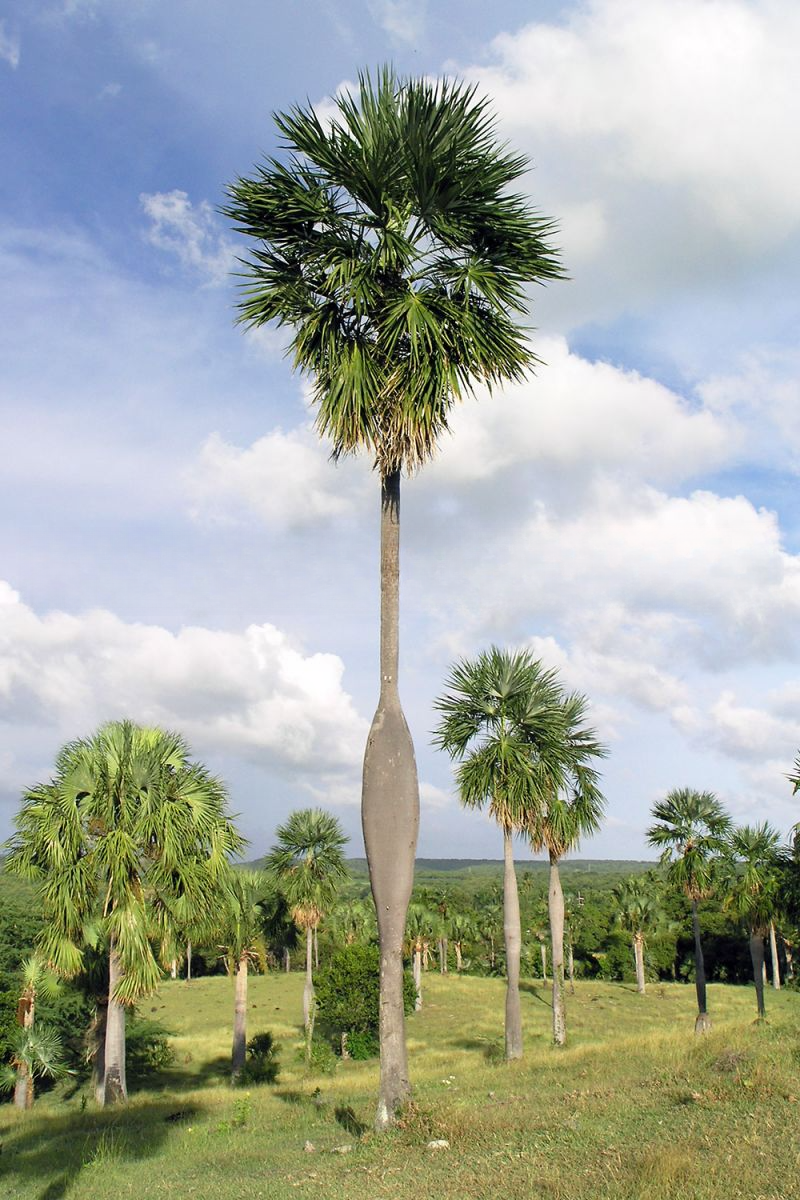
Coccothrinax spissa: A comprehensive Growing Guide for Enthusiasts & Collectors.
Coccothrinax spissa
This study provides a detailed overview of the palm Coccothrinax spissa, covering its biology, cultivation, and care. It is designed to be a valuable resource for beginners, experienced growers, and botanical enthusiasts interested in this unique and charismatic species.


1. Introduction
-
Habitat and Distribution, Native Continent:
Coccothrinax spissa is endemic to the island of Hispaniola, which is shared by Haiti and the Dominican Republic in the Caribbean Sea (North America). It thrives in dry, exposed, and often harsh environments, such as coastal thickets, dry broadleaf forests, and particularly on serpentine soils, which are low in essential plant nutrients and high in heavy metals. This adaptation to challenging conditions makes it a remarkably resilient palm. -
Taxonomic Classification and Species of this Palm Trees, Scientific Classification:
-
Kingdom: Plantae
-
Clade: Tracheophytes (Vascular plants)
-
Clade: Angiosperms (Flowering plants)
-
Clade: Monocots
-
Order: Arecales
-
Family: Arecaceae (Palm family)
-
Subfamily: Coryphoideae
-
Tribe: Cryosophileae
-
Genus: Coccothrinax
-
Species: C. spissa
-
-
Synonyms:
This species is well-defined, and there are no widely accepted scientific synonyms in current botanical use. It has been consistently identified as Coccothrinax spissa since its description. -
Common Names:
Its distinctive shape has earned it several descriptive common names, including:-
Guano de Barril (Spanish for "Barrel Guano")
-
Barrel Palm
-
Hispaniolan Barrel Palm
-
Hispaniolan Silver Palm
-
-
Expansion of this Palm Trees in the World:
While endemic to Hispaniola, Coccothrinax spissa has gained significant popularity among palm collectors and landscape designers in tropical and subtropical regions worldwide. Its unique swollen trunk, moderate size, and high drought tolerance make it a prized specimen plant for xeriscaping and gardens in climates such as those found in Southern California, Florida, Australia, and the Mediterranean. Its expansion is primarily through horticultural trade rather than naturalization.
2. Biology and Physiology
-
Morphology (Trunk, Leaves, Flower Systems):
-
Trunk: The most notable feature of C. spissa is its solitary, stout, and often conspicuously swollen trunk, which can be barrel-shaped, bottle-shaped, or columnar. The Latin epithet "spissa" means "dense" or "thick," referring to this characteristic. The trunk can reach heights of 3-10 meters (10-33 ft) and is covered in a dense, persistent mat of woven fibers from old leaf sheaths.
-
Leaves: The palm has a compact crown of costapalmate (fan-shaped) leaves. The leaves are stiff, deeply split into segments, and measure about 1 meter (3 ft) in diameter. The upper (adaxial) surface is typically green to blue-green, while the lower (abaxial) surface is covered in a stunning, bright silvery-white tomentum, which helps reflect harsh sunlight and reduce water loss.
-
Flower Systems: The inflorescences are shorter than the leaves, emerging from within the crown. They are branched and bear small, bisexual, yellowish-white flowers. The subsequent fruits are small, spherical, and turn from green to a dark purple or black when ripe, typically measuring less than 1 cm in diameter.
-
-
Life Cycle of Palm Trees:
C. spissa is a slow-growing, long-lived perennial. From seed, it spends several years in a juvenile stage, slowly developing its root system and trunk base before gaining significant height. Flowering and fruiting begin once the palm reaches a certain level of maturity, which can take many years. -
Specific Adaptation to Different Climate Conditions:
Its biology is a masterclass in adaptation to dry, sunny climates. The silvery undersides of the leaves reflect intense solar radiation. The thick, fibrous trunk protects the vascular tissue from sun and fire. Its deep root system is efficient at seeking out water, and its overall physiology is geared towards extreme drought tolerance.
3. Reproduction and Propagation
Seed Reproduction
-
Seed Morphology and Diversity:
The seeds are small, spherical, and contained within the thin pulp of the fruit. Fresh, viable seeds are essential for successful germination. -
Detailed Seed Collection and Viability Testing:
Collect fruits only when they are fully ripe (dark purple/black). The fleshy outer layer (pulp) contains germination inhibitors and must be removed immediately. This can be done by mashing the fruits in water and rubbing them against a screen. A simple viability test is the "float test": viable, dense seeds will often sink in water, while non-viable or immature seeds may float, though this is not always 100% accurate. -
Pre-germination Treatments (Scarification, Heat Treatments):
Scarification (nicking the seed coat) is generally not necessary or recommended for Coccothrinax. The most critical pre-treatment is a soak in warm water for 24-48 hours to fully hydrate the seed. The key to germination is not scarification but sustained high temperatures. -
Step-by-step Germination Techniques with Humidity and Temperature Controls:
-
Medium: Use a sterile, well-draining, and moisture-retentive mix, such as 50% peat moss or coir and 50% perlite or vermiculite.
-
Sowing: Plant seeds about 1-2 cm (0.5 inches) deep in a community pot or use the "baggie method" (placing seeds and moist medium in a sealed plastic bag).
-
Temperature: This is the most crucial factor. Coccothrinax spissa requires consistent high heat to germinate. Maintain a constant temperature of 29-35°C (85-95°F). A seedling heat mat is almost essential for achieving this.
-
Humidity: The sealed baggie or a cover over the pot will maintain 100% humidity. Ensure the medium is moist but not waterlogged.
-
Patience: Be prepared to wait.
-
-
Germination Difficulty:
Difficult. Coccothrinax species are notoriously slow and erratic germinators. Low germination rates and long waiting times are common. -
Germination Time:
Germination is highly variable, ranging from 3 months to well over a year. Some seeds may germinate sporadically over a two-year period. -
Seedling Care and Early Development Stages:
Once a seed sprouts its first strap leaf, carefully transplant it into a deep pot with a very well-draining soil mix. Seedlings are very slow-growing and highly susceptible to rot if overwatered. Provide bright, indirect light, warmth, and allow the soil to dry out between waterings.
Advanced Germination Techniques
-
Hormonal Treatments for Germination Enhancement:
For experienced growers struggling with stubborn seeds, a 24-hour soak in a dilute solution of Gibberellic Acid (GA3) may help break dormancy and promote more uniform germination. However, proper heat and fresh seed remain the most important factors.
4. Cultivation Requirements
-
Light Requirements:
Coccothrinax spissa is a sun-loving palm. For optimal health and to develop its characteristic stout trunk, it requires full sun. Young seedlings and juvenile plants can tolerate some partial shade but should be acclimated to full sun as they mature. -
Temperature and Humidity Management:
-
Optimal Temperature: Thrives in warm, tropical, and subtropical conditions. Ideal growth occurs in temperatures between 24-32°C (75-90°F).
-
Cold Tolerance: It is moderately cold-hardy, tolerating brief temperature drops to about -2°C (28°F) once mature and established. It is best suited for USDA Hardiness Zone 10a and warmer.
-
Humidity: It is well-adapted to both humid and dry air, making it more versatile than many tropical palms.
-
-
Soil and Nutrition:
-
Ideal Soil: Excellent drainage is non-negotiable. The ideal soil is sandy, gritty, or rocky, with a neutral to slightly alkaline pH. For container growing, use a mix for cacti and palms amended with extra pumice, perlite, or gravel.
-
Nutrient Requirements: It is adapted to nutrient-poor soils and is not a heavy feeder. During the growing season, apply a slow-release palm fertilizer that contains a full range of micronutrients (especially magnesium and potassium) once or twice a year.
-
-
Water Management:
-
Irrigation: Once established in the landscape, it is extremely drought-tolerant. Water deeply but infrequently, allowing the soil to dry out completely between waterings. In pots, water thoroughly when the top few inches of soil are dry.
-
Water Quality: It is tolerant of various water qualities but, like many palms, can be sensitive to high levels of chlorine or salts over the long term.
-
Drainage: Poor drainage is the single most common cause of failure in cultivation, leading to fatal root rot.
-
5. Diseases and Pests
-
Common Problems in Growing:
The most common problem is root rot caused by overwatering or poorly draining soil. Nutrient deficiencies can cause yellowing or frizzled leaves, particularly a lack of Potassium (K). -
Identification of Diseases and Pests:
-
Pests: Generally pest-resistant but can occasionally be affected by scale insects, mealybugs, and spider mites, especially on indoor or stressed plants.
-
Diseases: Besides root rot (a fungal issue), Ganoderma butt rot can affect very old or stressed palms, appearing as a conk at the base of the trunk.
-
-
Environmental and Chemical Protection Methods:
The best protection is prevention through good culture: proper watering, excellent drainage, and adequate sunlight. Pests can be controlled with horticultural oils, neem oil, or insecticidal soaps. Fungicides are rarely effective for root rot once it has taken hold.
6. Indoor Palm Growing
-
Specific Care in Housing Conditions:
Growing C. spissa indoors is challenging due to its high light requirements. Place it directly in the sunniest window available (e.g., a south-facing exposure). Use a very gritty, fast-draining potting mix. Water sparingly, especially during winter when growth slows. Good air circulation is beneficial. -
Replanting and Wintering:
Repot only when the palm is severely root-bound, as it dislikes root disturbance. Choose a new pot that is only slightly larger than the previous one. Wintering involves reducing water frequency and ensuring it continues to receive maximum light.
7. Landscape and Outdoor Cultivation
Establishment and Maintenance in Landscapes
-
Planting Techniques for Success:
Select a site in full sun with excellent drainage. If planting in heavy clay soil, it is essential to either plant on a raised mound or amend a very large planting area with sand and gravel to improve drainage. Do not plant the palm deeper than it was growing in its container. Water it in well initially but then back off to an infrequent watering schedule once established. -
Long-term Maintenance Schedules:
This is a very low-maintenance palm. Pruning is minimal; only remove leaves that are completely brown and dead. Fertilize lightly once a year in spring. No other routine maintenance is typically required.
8. Cold Climate Cultivation Strategies
-
Cold Hardiness:
C. spissa is hardy to approximately -2°C (28°F) for very short durations. Damage will occur at and below these temperatures, especially if frost settles on the crown. -
Hardiness Zone:
It is reliably hardy in USDA Zone 10b and warmer. It is marginal in Zone 10a, where it may require protection during cold snaps. It is not suitable for outdoor cultivation in Zone 9b or colder. -
Winter Protection Systems and Materials:
In marginal zones (10a), plant it in a microclimate, such as near a south-facing wall that radiates heat. During predicted freezes, cover the palm with frost cloth or blankets. For small plants, stringing old-fashioned (C7/C9) Christmas lights around the trunk and crown can provide a few degrees of critical warmth. Ensure the central spear (growing point) is protected from ice and moisture.
Final Short Summary
Coccothrinax spissa, the "Barrel Palm," is a highly distinctive and desirable palm native to Hispaniola. Its defining features are a uniquely swollen trunk, stiff fan leaves with a brilliant silver underside, and extreme tolerance for drought and sun. While its slow growth and difficult, heat-dependent germination require patience, it rewards the grower with a low-maintenance and architecturally stunning specimen. Success in cultivation hinges on three critical factors: providing full sun, ensuring exceptionally fast-draining soil, and avoiding overwatering. It is an excellent choice for xeriscaping and collectors in warm, subtropical, and tropical climates (USDA Zone 10a and above).