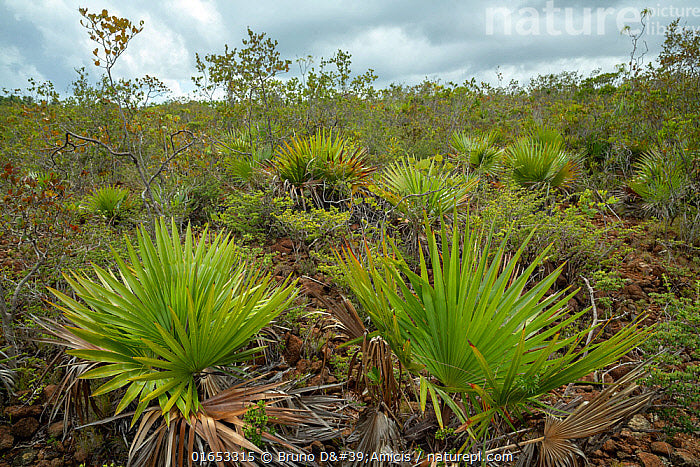
Coccothrinax sp. 'Cuba': A comprehensive Growing Guide for Enthusiasts & Collectors.
Coccothrinax sp. 'Cuba'
1. Introduction


-
Habitat and Distribution, Native Continent: The genus Coccothrinax is native to the Caribbean, with its epicenter of diversity in Cuba. Other species are found in Florida, the Bahamas, Hispaniola, and other islands, as well as coastal regions of Mexico and Central America. These palms are highly adapted to a range of challenging environments, including windswept coastal strands, rocky limestone hills (mogotes), and nutrient-poor serpentine savannas.
-
Taxonomic Classification and Species:
-
Scientific Classification:
-
Kingdom: Plantae
-
Clade: Tracheophytes
-
Clade: Angiosperms
-
Clade: Monocots
-
Order: Arecales
-
Family: Arecaceae (Palm Family)
-
Subfamily: Coryphoideae
-
Tribe: Cryosophileae
-
Genus: Coccothrinax
-
-
Species Designation: The name Coccothrinax sp. 'Cuba' is a horticultural or trade name, not a formal botanical classification. The "sp." indicates an unspecified species, and "'Cuba'" denotes its origin or a particular cultivated form. It likely refers to one of the dozens of species native to Cuba, such as the common Coccothrinax miraguama, the silver-leaved Coccothrinax macroglossa, or the famously fibrous Coccothrinax crinita. For the purpose of this guide, we will address the general characteristics of the genus, which are broadly applicable.
-
-
Synonyms: Specific species within the genus have synonyms, but there are no formal synonyms for the trade designation Coccothrinax sp. 'Cuba'.
-
Common Names: Palms in this genus are widely known as "Thatch Palms" due to the historical use of their leaves for roofing. Specific common names exist for individual species, such as "Old Man Palm" for C. crinita or "Miraguama Palm" for C. miraguama.
-
Expansion in the World: Due to their elegance, moderate size, and high tolerance for drought, wind, and salt, Coccothrinax palms have become prized ornamentals in tropical and subtropical regions worldwide. They are staples in botanical gardens, private collections, and coastal landscape designs in places like Florida, California, Southeast Asia, and the Mediterranean.
2. Biology and Physiology
-
Morphology:
-
Trunk (Strain): Typically solitary, slender, and upright. A defining characteristic of many species is the trunk's covering of woven, fibrous leaf base remnants. This fiber can be dense and shaggy (as in C. crinita) or form a neat, burlap-like sheath that may eventually slough off to reveal a smooth, ringed trunk.
-
Leaves: Palmate (fan-shaped) and held on thin petioles (leaf stalks). The leaves are often deeply split into segments. Leaf color varies from rich deep green to a stunning silvery-white on the abaxial (lower) surface, creating a beautiful shimmering effect in the wind.
-
Flower Systems (Inflorescence): The inflorescence emerges from between the leaves. It is typically branched and shorter than or as long as the leaves, bearing small, often inconspicuous, bisexual flowers that are usually yellow or whitish. These are followed by small, spherical fruits.
-
-
Life Cycle: The life cycle follows the standard palm pattern: seed germination, a slow seedling stage, a prolonged juvenile period, and finally maturity, marked by the ability to flower and produce fruit. Growth is notoriously slow, with some species taking decades to form a significant trunk.
-
Specific Adaptation: Coccothrinax palms are masters of survival. Their adaptations include deep root systems to seek water, high tolerance to saline soils and salt spray (ideal for coastal planting), and an ability to thrive in nutrient-poor, alkaline limestone or serpentine soils where other plants struggle. Their tough, leathery leaves are resistant to wind damage.
3. Reproduction and Propagation
-
Seed Reproduction:
-
Seed Morphology and Diversity: Seeds are generally small, spherical, and turn dark purple or black when fully ripe. They are encased in a thin layer of fleshy fruit pulp.
-
Seed Collection and Viability Testing: Collect seeds directly from the palm when they are fully colored and slightly soft. To test viability, remove the pulp and place seeds in water; fresh, viable seeds will typically sink. Discard any floaters. Cleaning off all fruit pulp is critical, as it contains germination-inhibiting chemicals.
-
Pre-germination Treatments: Scarification (nicking the seed coat) is generally not required or recommended. The most important pre-treatment is soaking the cleaned seeds in warm water for 24-48 hours, changing the water daily. Heat treatments are not standard, but consistent warmth is the key to germination.
-
Step-by-step Germination Techniques:
-
Clean all pulp from the seeds.
-
Soak seeds for 24-48 hours.
-
Prepare a sterile, well-draining germination medium (e.g., 50/50 mix of peat moss and perlite or coarse sand).
-
Plant seeds so they are half-buried in the medium.
-
Place the pot in a sealed plastic bag or a propagator to maintain high humidity.
-
Maintain a consistently high temperature between 85-95°F (29-35°C). A heat mat is highly recommended.
-
-
Germination Difficulty: Germination is considered difficult due to its slow and erratic nature.
-
Germination Time: Be patient. Germination can take anywhere from 2 months to over a year, even within the same batch of seeds.
-
Seedling Care and Early Development: After germination, the palm will first send down a long taproot. The first leaf appears later. Keep seedlings in a warm, bright location with indirect light. Use a deep pot to accommodate the root system. Be extremely careful not to overwater; let the soil surface dry out between waterings.
-
-
Advanced Germination Techniques:
-
Hormonal Treatments: For advanced growers, a soak in a weak solution of Gibberellic Acid (GA3) can sometimes help break dormancy and encourage more uniform germination. This is an advanced technique and requires careful dosage to avoid abnormal growth.
-
4. Cultivation Requirements
-
Light Requirements: Mature Coccothrinax palms thrive in full, direct sun, which enhances the silver coloration on the underside of the leaves. Seedlings and young juvenile plants, however, prefer bright, indirect light or partial shade to prevent scorching.
-
Temperature and Humidity Management: These are tropical/subtropical palms. The optimal temperature for growth is 70-95°F (21-35°C). Most species have some cold tolerance, generally withstanding brief dips to 25-28°F (-4 to -2°C) once established. They are best suited for USDA Hardiness Zones 10a to 11. They appreciate humidity but are tolerant of drier air due to their drought-resistant nature.
-
Soil and Nutrition: The single most critical soil requirement is excellent drainage. They are highly susceptible to root rot in waterlogged soil. An ideal mix is sandy, gritty, and slightly alkaline (pH 7.0-8.0). They are adapted to nutrient-poor soils and are therefore light feeders. Use a quality slow-release palm fertilizer with micronutrients (Magnesium, Manganese, Iron) once or twice during the growing season. Avoid over-fertilizing.
-
Water Management: Coccothrinax are highly drought-tolerant once established in the landscape. For container plants, water thoroughly, then allow the top 2-3 inches of soil to dry out completely before watering again. Reduce watering frequency significantly in winter. They are far more likely to be killed by overwatering than underwatering.
5. Diseases and Pests
-
Common Problems: The most common problem is root rot caused by overwatering and poor drainage. Slow growth is a natural characteristic, not a problem. Nutrient deficiencies can occur, such as "frizzle top" (new leaves emerging deformed) due to manganese deficiency in alkaline soils.
-
Identification of Diseases and Pests: Look for common indoor pests like spider mites (fine webbing on leaves) and scale insects (small, brown bumps on leaves and stems).
-
Environmental and Chemical Protection: The best defense is a healthy plant. Ensure proper light, water, and air circulation. For pests, treat with horticultural oil or insecticidal soap. For nutrient deficiencies, use a fertilizer formulated for palms containing micronutrients.
6. Indoor Palm Growing
-
Specific Care in Housing Conditions: Provide the brightest possible location, such as a south-facing window. Use a deep pot to allow for their taproot. Rotate the plant periodically for even growth. Water sparingly, especially in winter.
-
Replanting and Wintering: These palms resent root disturbance, so repot only when absolutely necessary (e.g., the plant is severely root-bound), typically every 3-5 years. When you do repot, move to a pot that is only slightly larger and use a fast-draining soil mix. For wintering, simply reduce watering and ensure the plant is safe from frost.
7. Landscape and Outdoor Cultivation & 8. Cold Climate Cultivation Strategies
-
Cold Hardiness: Hardiness varies by species, but most are reliable in USDA Zone 10a and warmer. Some, like C. miraguama, may survive in Zone 9b with protection, but will likely suffer leaf damage in a hard freeze.
-
Winter Protection: In marginal zones (9b), plant in a protected microclimate, such as on the south side of a building or near a body of water. For cold snaps, wrap the trunk with blankets or burlap and apply a thick layer of mulch over the root zone. Frost cloths can be used to cover the entire canopy during a freeze.
-
Hardiness Zone: General recommendation: Zone 10a-11.
-
Establishment and Maintenance in Landscapes:
-
Planting Techniques for Success: Select a site with full sun and excellent drainage. If you have heavy clay soil, amend a large area with coarse sand and organic matter to improve drainage. Plant the palm slightly high, with the top of the rootball just above the surrounding soil level, to ensure water drains away from the trunk.
-
Long-term Maintenance Schedules: Once established, Coccothrinax are exceptionally low-maintenance. They require little to no supplemental irrigation in most subtropical climates. Fertilize lightly once a year in spring if desired. Pruning is only necessary to remove fully dead leaves; do not remove partially green leaves, as the palm is still drawing nutrients from them.
-
Final Short Summary
Coccothrinax sp. 'Cuba' refers to a group of slow-growing, elegant fan palms native to Cuba, prized for their slender trunks and often silvery leaves. Success in cultivation hinges on providing three key conditions: full sun (for mature plants), exceptionally well-draining soil, and minimal watering. They are highly drought-tolerant but extremely susceptible to fatal root rot from overwatering. Germination is a slow and difficult process requiring high heat and patience. Ideal for low-maintenance tropical, coastal, or container gardening, these palms offer a refined and durable presence for growers willing to accommodate their slow pace.