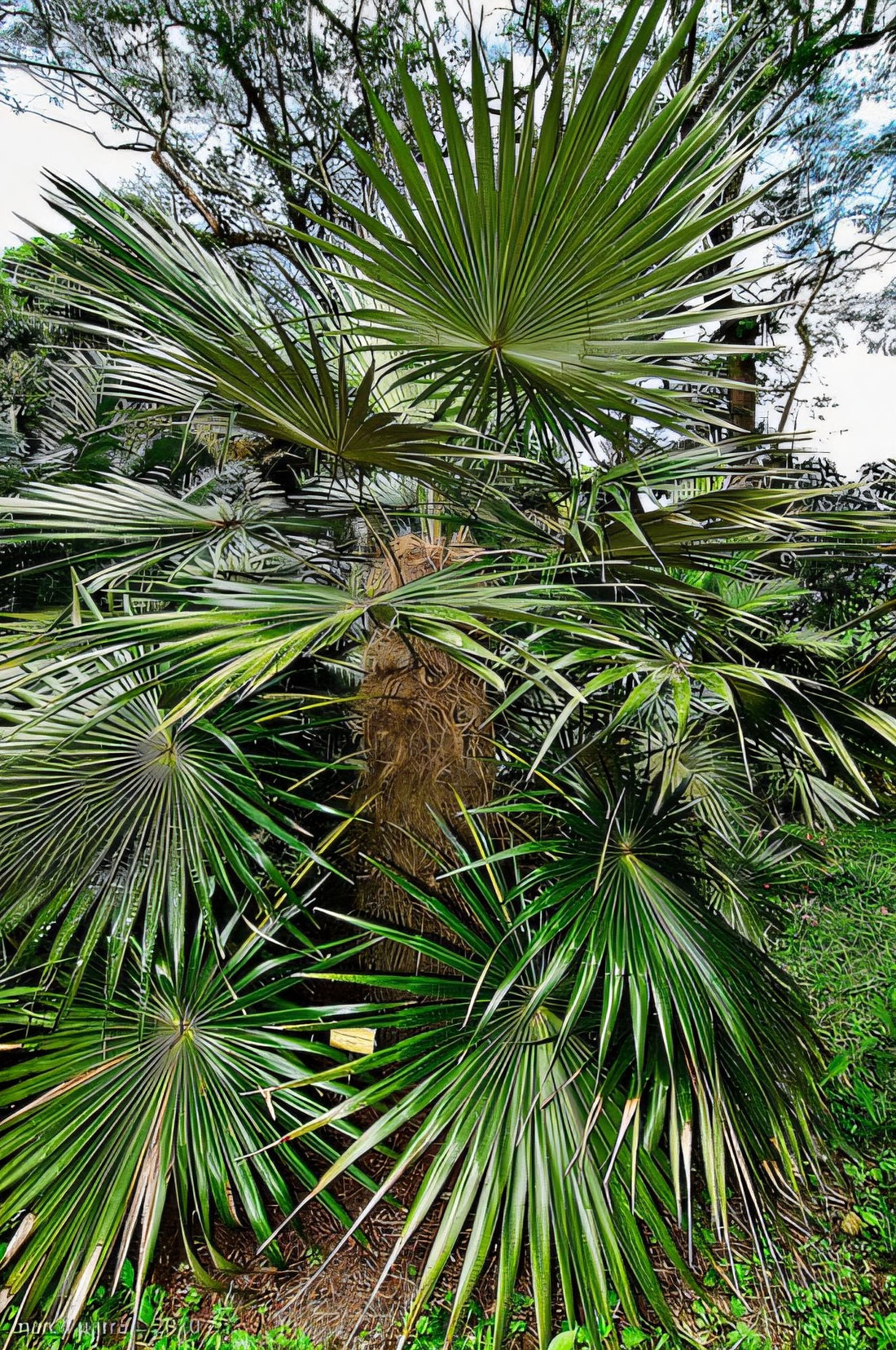
Coccothrinax orientalis: A comprehensive Growing Guide for Enthusiasts & Collectors.
Coccothrinax orientalis
This guide provides a detailed study of the palm Coccothrinax orientalis, designed to be a valuable resource for novice growers, seasoned horticulturalists, and palm enthusiasts. It covers the palm's origins, biology, cultivation, and care, from seed to landscape specimen.


1. Introduction
-
Habitat and Distribution, Native Continent: Coccothrinax orientalis is native to the continent of North America, specifically to a localized region in eastern Cuba. It thrives in harsh, exposed coastal environments, often growing in serpentine soils, which are rocky, nutrient-poor, and high in heavy metals. This adaptation to a challenging habitat makes it a resilient but specific palm in cultivation.
-
Taxonomic Classification and Species of this Palm Trees, Scientific Classification:
-
Kingdom: Plantae
-
Phylum: Tracheophyta
-
Class: Liliopsida
-
Order: Arecales
-
Family: Arecaceae (Palm Family)
-
Genus: Coccothrinax
-
Species: C. orientalis
-
-
Synonyms: This palm was previously known and is still sometimes referred to by its synonym, Coccothrinax yuraguana var. orientalis. Understanding this synonym is useful when searching for older literature or seed sources.
-
Common Names: The most widely used common name is Yuraguana. It may also be referred to as the Eastern Silver Palm, referencing its geographic origin and the silvery coloration on the underside of its leaves.
-
Expansion of this Palm Trees in the World: Coccothrinax orientalis is not an invasive or widely naturalized species. Its expansion beyond Cuba is almost exclusively through horticultural trade. It is a prized collector's palm, valued for its elegant form, slender trunk, and resilience to drought and sun. It is grown in subtropical and tropical botanical gardens and private collections worldwide.
2. Biology and Physiology
-
Morphology (Strain, Leaves, Flower Systems):
-
Trunk/Stem: It features a solitary, exceptionally slender trunk that can grow up to 10 meters (33 feet) tall but is often much shorter in cultivation. The trunk is covered in a dense, woven mat of light brown or grey fibers from the old leaf bases, which eventually weathers away on the lower portions of mature palms.
-
Leaves: The leaves are palmate (fan-shaped) and deeply costapalmate, meaning the petiole (leaf stalk) extends slightly into the leaf blade, giving it a gentle fold. The leaves are stiff, about 60-90 cm (2-3 feet) in diameter, and are divided into numerous rigid segments. A key feature is the striking silvery-white tomentum (a layer of fine hairs) on the underside of the leaves, which contrasts beautifully with the green upper surface.
-
Flower Systems: The inflorescence (flower stalk) is shorter than or equal to the length of the leaves, appearing amongst the leaf crown. It is branched and bears small, inconspicuous, bisexual, whitish-yellow flowers.
-
Fruit: After pollination, the flowers develop into small, spherical fruits (drupes) that ripen from green to a purplish-black color. Each fruit contains a single seed.
-
-
Life Cycle of Palm Trees: Like other palms, C. orientalis follows a slow and steady life cycle. It begins as a seed, which germinates to produce a seedling. The palm then enters a prolonged juvenile stage, slowly building trunk width below ground before gaining vertical height. It is considered a very slow-growing palm, especially in its early years. Maturity is reached when it begins to flower and produce fruit, a process that can take over a decade.
-
Specific Adaptation to Different Climate Conditions: Its native habitat has conditioned C. orientalis to be highly adapted to:
-
Full, intense sun.
-
Drought and infrequent rainfall.
-
Nutrient-poor, alkaline, and well-draining soils.
-
Coastal conditions, including some salt spray tolerance.
It is not, however, adapted to cold or waterlogged conditions.
-
3. Reproduction and Propagation
Seed Reproduction
-
Seed Morphology and Diversity: Seeds are small, spherical, and black, typically 4-6 mm in diameter. There is little morphological diversity within the species.
-
Detailed Seed Collection and Viability Testing: Collect fruits when they are fully ripe (purplish-black). The fleshy outer layer contains germination inhibitors and must be removed immediately. This is best done by mashing the fruits in water and rubbing them against a screen. To test viability, place the cleaned seeds in water; viable, dense seeds will typically sink, while unviable or hollow seeds will float.
-
Pre-germination Treatments (Scarification, Heat Treatments):
-
Soaking: A mandatory pre-treatment is to soak the cleaned seeds in warm water for 24-48 hours, changing the water daily to remove any remaining inhibitors.
-
Scarification: Mechanical scarification (lightly nicking or sanding the seed coat) is generally not required and can damage the small embryo if done incorrectly.
-
Heat Treatments: Consistent high heat is the most critical factor for germination.
-
-
Step-by-step Germination Techniques with Humidity and Temperature Controls:
-
Medium: Prepare a sterile, moisture-retentive but well-draining medium, such as a 50/50 mix of peat moss or coco coir and perlite. Lightly moisten it so it's damp but not waterlogged.
-
Method: The "baggie method" is highly effective. Place the moist medium and soaked seeds in a zip-lock bag, press out excess air, and seal it.
-
Temperature: Place the bag in a consistently warm location. Optimal temperature is 30-35°C (86-95°F). A heat mat with a thermostat is the best way to achieve this. Germination will fail or be extremely slow at lower temperatures.
-
Patience: Check the bag weekly for signs of germination (a small white root emerging) but avoid opening it often.
-
-
Germination Difficulties: Germination of Coccothrinax species is notoriously slow, erratic, and has a low success rate. Lack of consistent, high heat is the primary reason for failure.
-
Germination Time: Be prepared to wait. Germination can take anywhere from 3 months to over a year, with seeds often sprouting at different times from the same batch.
-
Seedling Care and Early Development Stages: Once a seed sprouts a root, carefully plant it about 1 cm deep in a deep, narrow pot with a well-draining soil mix. Keep the seedling warm, humid, and in bright, indirect light. Do not expose it to full sun until it has several leaves. Growth is extremely slow initially.
Advanced Germination Techniques
-
Hormonal Treatments for Germination Enhancement: For difficult batches, a soak in a solution of Gibberellic Acid (GA3) for 24 hours after the initial water soak can sometimes help break dormancy and speed up germination. This is an advanced technique and should be done with care, following product instructions.
4. Cultivation Requirements
Light Requirements
-
Species-Specific Light Tolerance Ranges: Once established, C. orientalis demands full sun to thrive and maintain its compact, robust form.
-
Seasonal Light Variations and Management: In hot desert climates, some protection from the most intense afternoon sun can prevent leaf scorch. Juvenile palms (under 3 years) prefer bright, indirect light or partial sun.
-
Artificial Lighting for Indoor Cultivation: If grown indoors, it requires the brightest possible location, such as a south-facing window. Supplemental high-intensity grow lights will likely be necessary in lower-light homes to prevent stretching and decline.
Temperature and Humidity Management
-
Optimal Temperature Ranges by Species: Ideal growing temperatures are between 24-35°C (75-95°F).
-
Cold Tolerance Thresholds with Hardiness Zone Maps: This palm is not cold-hardy. It can tolerate very brief temperature drops to about -1°C to -2°C (28-30°F) but will sustain leaf damage. It is best suited for USDA Hardiness Zone 10a and warmer. It will not survive sustained freezes.
-
Humidity Requirements and Modification Techniques: It is tolerant of a wide range of humidity levels, from moderate to high. In very dry indoor environments, occasional misting or a pebble tray can be beneficial.
Soil and Nutrition
-
Ideal Soil Composition and pH Values: Excellent drainage is the single most important soil requirement. An ideal mix is sandy and gritty, simulating its native serpentine soils. Use a mix of potting soil, sand, perlite, or pumice. It is tolerant of alkaline soils (pH 7.0-8.0).
-
Nutrient Requirements Through Growth Stages: As it is adapted to poor soils, it is a light feeder. Over-fertilization can be fatal.
-
Organic vs. Synthetic Fertilization Approaches: Use a high-quality, slow-release palm fertilizer that includes micronutrients (especially magnesium and potassium) once or twice during the growing season (spring and summer).
-
Micronutrient Deficiencies and Corrections: Like many palms, it can be prone to potassium deficiency (yellowing on oldest leaves) and magnesium deficiency (broad yellow band on leaf edges). Using a dedicated palm fertilizer helps prevent this.
Water Management
-
Irrigation Frequency and Methodology: Water deeply but infrequently. Allow the top several inches of soil to dry out completely between waterings.
-
Drought Tolerance Assessment by Species: Once established in the landscape, it is highly drought-tolerant. Container-grown palms will require more regular watering.
-
Water Quality Considerations: It is generally tolerant of tap water quality but, like most palms, will perform best with water that is not excessively hard or saline.
-
Drainage Requirements: This cannot be overstated. The pot or planting site must have excellent drainage. It will not tolerate "wet feet," which quickly leads to fatal root rot.
5. Diseases and Pests
-
Common Problems in Growing: The most common problem is root rot due to overwatering or poor drainage. The second is slow growth, which is natural for the species.
-
Identification of Diseases and Pests:
-
Pests: Generally pest-resistant. Indoors, it can be susceptible to scale insects, mealybugs, and spider mites.
-
Diseases: The primary disease risk is fungal root rot (caused by Phytophthora or Pythium). Leaf spot fungi can occur in overly humid, stagnant conditions but are rarely serious.
-
-
Environmental and Chemical Protection Methods:
-
Environmental: The best defense is a healthy plant. Provide proper light, water, and drainage. Good air circulation helps prevent pests and fungal issues.
-
Chemical: For pests, treat with insecticidal soap or horticultural oil (neem oil). For severe infestations, systemic insecticides may be necessary. Fungicides are rarely needed if watering is correct.
-
6. Indoor Palm Growing
-
Specific Care in Housing Conditions: Place in the sunniest window available. Use a very fast-draining potting mix. Water only when the top 50% of the soil is dry. Its slow growth makes it a manageable indoor specimen for many years.
-
Replanting and Wintering: Due to its slow growth, it only needs to be repotted every 3-4 years, or when it becomes root-bound. Move up only one pot size. During winter, reduce watering frequency as growth slows. Keep it away from cold drafts and heating vents.
7. Landscape and Outdoor Cultivation
-
Establishment and Maintenance in Landscapes:
-
Planting Techniques for Success: Choose a location with full sun and well-draining soil. If your soil is heavy clay, amend the planting area heavily with sand and gravel to create a berm or raised bed. Do not plant the palm deeper than it was in its nursery pot. Water it regularly for the first year to help it establish its root system.
-
Long-Term Maintenance Schedules: This is a low-maintenance landscape palm. Once established, it requires little more than supplemental watering during prolonged droughts. Prune off only completely dead, brown leaves; cutting half-green leaves can stress the palm. Fertilize lightly once a year in spring.
-
8. Cold Climate Cultivation Strategies
-
Cold Hardiness: C. orientalis is not suitable for in-ground cultivation in cold climates. Its hardiness is limited to Zone 10a and above.
-
Winter Protection: In marginal zones like 9b, heavy mulching and wrapping the trunk and crown with frost cloth during freeze events might allow it to survive, but damage is likely.
-
Hardiness Zone: Strictly a Zone 10a-11 palm.
-
Winter Protection Systems and Materials: The only viable strategy for growing this palm in a cold climate is in a container. The container can be moved into a protected, frost-free location like a greenhouse, garage, or a bright room indoors during the winter months. Using materials like bubble wrap around the pot can help insulate the roots during transport or short cold snaps.
Final Short Summary
Coccothrinax orientalis, the Yuraguana palm, is a slow-growing, highly elegant, and slender palm native to eastern Cuba. It is prized for its resilience to full sun, drought, and poor soils, making it an excellent choice for warm, dry climates (Zone 10a+). Its key cultivation requirements are maximum sunlight and exceptionally well-draining soil to prevent root rot. Propagation from seed is a significant challenge, requiring consistent high heat and patience, often taking over a year. While low-maintenance once established in the landscape, it is best grown as a container specimen in any region with freezing temperatures, allowing it to be moved to a protected location for the winter.