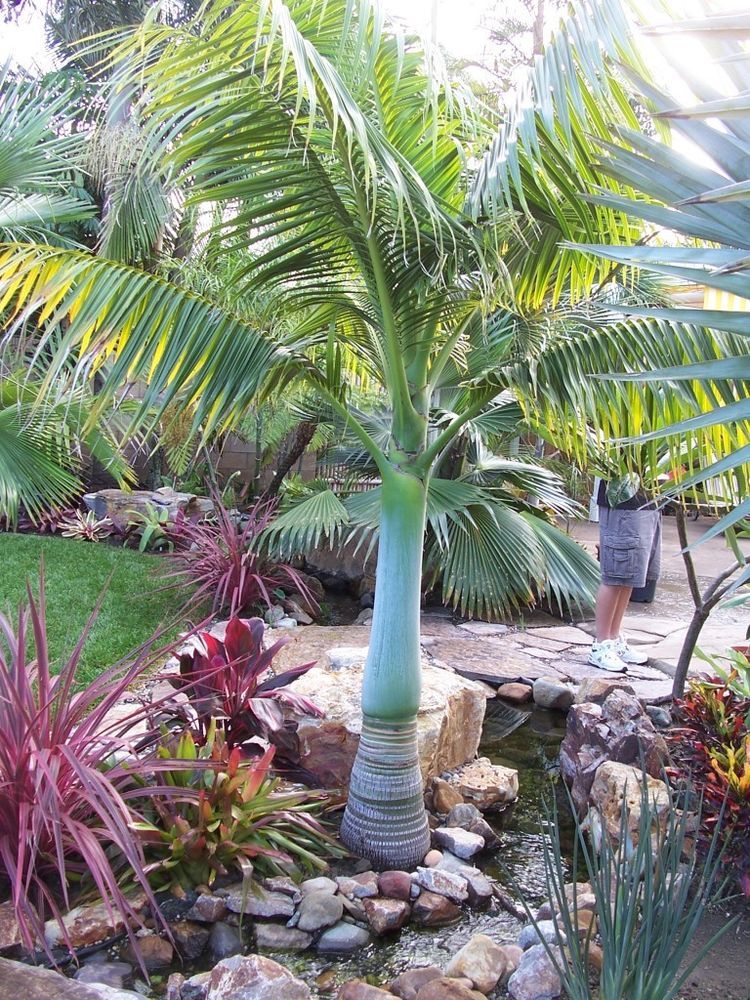
Clinostigma savoryanum: A comprehensive Growing Guide for Enthusiasts & Collectors.
Clinostigma savoryanum


1. Introduction
Habitat and Distribution, Native Continent
Clinostigma savoryanum is a rare palm species endemic to the Pacific Islands, specifically native to Fiji. This palm naturally occurs in tropical rainforest environments at elevations ranging from sea level to approximately 600 meters. The species thrives in the understory of dense forests, where it receives filtered sunlight and benefits from high humidity levels consistently above 70%.
Taxonomic Classification and Scientific Classification
- Kingdom: Plantae
- Clade: Tracheophytes
- Clade: Angiosperms
- Clade: Monocots
- Clade: Commelinids
- Order: Arecales
- Family: Arecaceae (Palmae)
- Subfamily: Arecoideae
- Tribe: Areceae
- Genus: Clinostigma
- Species: C. savoryanum
- Binomial name: Clinostigma savoryanum (Rchb.f. & Zoll.) Becc.
Synonyms
- Kentia savoryana Rchb.f. & Zoll. (basionym)
- Exorrhiza savoryana (Rchb.f. & Zoll.) Burret
- Clinostigma exorrhizum H.Wendl. (misapplied)
Common Names
- Fijian Mountain Palm
- Savory's Palm
- Pacific Clinostigma
- Local Fijian names: "Niu sawa" (varies by region)
Expansion in the World
While originally confined to Fiji, Clinostigma savoryanum has been introduced to botanical gardens and private collections worldwide since the late 19th century. Notable populations exist in:
- Hawaii Tropical Botanical Garden
- Montgomery Botanical Center, Florida
- Royal Botanic Gardens, Sydney
- Singapore Botanic Gardens
- Various European conservatories with tropical houses
2. Biology and Physiology
Morphology
Stem (Trunk)
- Solitary, erect trunk reaching 15-20 meters in height
- Diameter: 15-25 cm at base, tapering slightly toward crown
- Surface: Smooth, green when young, aging to gray-brown
- Prominent leaf scars forming regular rings
- Presence of stilt roots at base in mature specimens
Leaves
- Pinnate leaves, 2.5-3.5 meters long
- Pinnae: 60-80 per side, regularly arranged
- Individual pinnae: 40-60 cm long, 3-5 cm wide
- Leaf color: Deep green above, lighter green below
- Petiole: 30-50 cm long, robust, channeled above
- Crown shaft: Well-developed, 60-90 cm long, light green
Flower Systems
- Monoecious species (male and female flowers on same plant)
- Infrafoliar inflorescences emerging below crown shaft
- Branching to 3 orders
- Rachillae: 20-40 cm long, bearing triads of flowers
- Male flowers: Cream-colored, 6-8 mm diameter
- Female flowers: Smaller, 3-4 mm, greenish-white
Life Cycle
- Germination: 3-6 months
- Seedling stage: 0-3 years
- Juvenile stage: 3-10 years (trunk formation begins)
- Sub-adult stage: 10-20 years (approaching reproductive maturity)
- Adult stage: 20+ years (full reproductive capacity)
- Lifespan: Estimated 80-120 years in natural habitat
Specific Adaptations to Climate Conditions
- Humidity adaptation: Specialized stomata regulation for high humidity environments
- Light adaptation: Shade-tolerant photosynthetic system optimized for filtered light
- Temperature sensitivity: Limited cold tolerance, damage occurs below 10°C
- Wind resistance: Flexible pinnae and strong petioles reduce wind damage
- Water uptake: Extensive surface root system for efficient moisture absorption
3. Reproduction and Propagation
Seed Reproduction
Seed Morphology and Diversity
- Shape: Ellipsoid to ovoid
- Size: 15-20 mm long, 10-12 mm diameter
- Color: Bright red to orange when ripe
- Endosperm: Homogeneous, white, firm
- Embryo: Lateral, 3-4 mm long
- Seed coat: Thin, fibrous mesocarp surrounding hard endocarp
Detailed Seed Collection and Viability Testing
- Collection timing: Harvest when fruits turn bright red-orange
-
Collection method:
- Use pole pruners or climbing equipment
- Collect entire infructescence
- Process within 24-48 hours
-
Viability testing:
- Float test: Viable seeds sink in water
- Cut test: White, firm endosperm indicates viability
- Tetrazolium test for scientific accuracy
Pre-germination Treatments
-
Scarification:
- Mechanical: Light filing of endocarp
- Chemical: 10-minute soak in 10% sulfuric acid
-
Heat treatments:
- Warm water soak: 40°C for 24 hours
- Alternating temperatures: 30°C day/20°C night
- Cleaning: Remove all fruit pulp to prevent fungal growth
Step-by-step Germination Techniques
- Container preparation: Use deep pots (15cm minimum) with drainage
- Medium: 50% peat, 30% perlite, 20% coarse sand
- Sowing depth: 1.5x seed diameter
- Temperature control: Maintain 25-30°C consistently
- Humidity: Cover with plastic, maintain 80-90% RH
- Monitoring: Check weekly for fungal issues
Germination Difficulty: Moderate to difficult
- Inconsistent germination rates
- Susceptibility to fungal pathogens
- Temperature sensitivity
Germination Time: 3-6 months (occasionally up to 12 months)
Seedling Care and Early Development
- First leaf emergence: 4-6 weeks after germination
- Light: Bright, indirect light (500-1000 lux)
- Watering: Keep consistently moist, never waterlogged
- Fertilization: Begin at 3 months with 1/4 strength balanced fertilizer
- Transplanting: When 3-4 leaves present
Advanced Germination Techniques
Hormonal Treatments
-
GA3 (Gibberellic Acid):
- Concentration: 500-1000 ppm
- Soak duration: 24 hours
- Effect: 20-30% improvement in germination rate
-
Cytokinin application:
- 6-BAP at 100 ppm
- Applied as seed soak or medium drench
-
Combined treatments:
- GA3 + warm stratification
- Smoke water treatment (karrikinolide)
4. Cultivation Requirements
Light Requirements
Species-specific Light Tolerance
- Optimal range: 10,000-25,000 lux
- Minimum tolerance: 5,000 lux
- Maximum tolerance: 40,000 lux (with gradual acclimation)
- Photoperiod: Neutral (12/12 optimal)
Seasonal Light Variations
- Summer management: Provide 50-70% shade in hot climates
- Winter considerations: Maximum available light in temperate zones
- Transition periods: Gradual adjustment over 2-3 weeks
Artificial Lighting for Indoor Cultivation
- Light type: Full spectrum LED or T5 fluorescent
- Intensity: 15,000-20,000 lux at canopy level
- Duration: 12-14 hours daily
- Distance: 60-90 cm from crown
Temperature and Humidity Management
Optimal Temperature Ranges
- Ideal range: 22-28°C (72-82°F)
- Minimum survival: 10°C (50°F)
- Maximum tolerance: 35°C (95°F)
- Root zone temperature: 20-25°C optimal
Cold Tolerance Thresholds
- Frost damage: Occurs at 2°C
- Leaf damage: Below 5°C
- Permanent damage: Extended exposure below 0°C
- Recovery capacity: Limited below 10°C
Humidity Requirements
- Optimal range: 70-85%
- Minimum tolerance: 50%
-
Modification techniques:
- Grouping plants
- Pebble trays
- Room humidifiers
- Misting systems (automated preferred)
Soil and Nutrition
Ideal Soil Composition
- Organic matter: 40%
- Coarse sand: 30%
- Perlite/pumice: 20%
- Coconut coir: 10%
- pH range: 6.0-6.8
- EC tolerance: 1.0-2.0 mS/cm
Nutrient Requirements by Growth Stage
-
Seedling (0-1 year):
- N-P-K: 10-10-10 at 1/4 strength monthly
-
Juvenile (1-5 years):
- N-P-K: 15-5-15 at 1/2 strength bi-weekly
-
Adult (5+ years):
- N-P-K: 8-2-12+4Mg monthly
Organic vs. Synthetic Approaches
- Organic options: Compost tea, fish emulsion, seaweed extract
- Synthetic benefits: Precise control, immediate availability
- Integrated approach: Organic base with synthetic supplements
Micronutrient Requirements
- Iron: Critical for chlorophyll production
- Magnesium: Prevent yellowing with Epsom salts
- Manganese: Frizzle top prevention
- Boron: New growth development
Water Management
Irrigation Frequency
- Summer: Every 2-3 days
- Winter: Weekly or when top 5cm dry
- Container plants: More frequent monitoring needed
Drought Tolerance: Low to moderate
- Can survive short dry periods once established
- Prolonged drought causes permanent frond damage
Water Quality Considerations
- pH: 6.0-7.0 preferred
- Salinity: Below 1000 ppm TDS
- Temperature: Room temperature to tepid
- Chlorine: Allow tap water to stand 24 hours
Drainage Requirements
- Soil permeability: Must drain within 30 minutes
- Container drainage: Multiple holes essential
- Landscape drainage: Raised beds in heavy soils
5. Diseases and Pests
Common Problems in Growing
- Yellowing fronds: Usually nutritional or water-related
- Brown tips: Low humidity or fluoride toxicity
- Stunted growth: Root bound or nutrient deficiency
- Leaf spots: Fungal or bacterial infections
Identification of Diseases and Pests
Diseases
-
Ganoderma butt rot:
- Symptoms: Wilting, trunk soft at base
- Prevention: Good drainage, avoid wounds
-
Leaf spot diseases:
- Bipolaris, Cylindrocladium species
- Circular to irregular spots
-
Bud rot (Phytophthora):
- Terminal bud decay
- Often fatal if untreated
Pests
- Palm aphids: Cerataphis spp.
- Scale insects: Various species
- Spider mites: In low humidity
- Palm weevils: Rhynchophorus spp. (in outdoor settings)
Environmental and Chemical Protection Methods
Environmental Controls
- Air circulation: Prevent fungal issues
- Quarantine: New plants for 30 days
- Sanitation: Remove dead material promptly
- Biological control: Beneficial insects
Chemical Controls
- Fungicides: Copper-based for leaf spots
- Insecticides: Horticultural oil for scale
- Systemic treatments: Imidacloprid for persistent pests
- Application timing: Early morning or evening
6. Indoor Palm Growing
Specific Care in Housing Conditions
- Container selection: 1.5x root ball width
- Placement: Near east or west windows
- Air quality: Avoid heating/cooling vents
- Cleaning: Monthly leaf washing
- Rotation: Quarter turn monthly for even growth
Repotting and Wintering
Repotting Guidelines
- Frequency: Every 2-3 years when young, 3-5 years when mature
- Timing: Spring or early summer
- Pot size increase: 5-10 cm diameter maximum
- Root pruning: Only dead or circling roots
- Post-repotting care: Shade and high humidity for 2 weeks
Wintering Strategies
- Temperature: Maintain above 15°C
- Light supplementation: May be necessary
- Watering reduction: Allow slight drying between waterings
- Fertilizer: Reduce to monthly or suspend
- Humidity: Critical to maintain above 60%
7. Landscape and Outdoor Cultivation
Site Selection
- Microclimate assessment: Protected from cold winds
- Soil preparation: Amend heavy clays with organic matter
- Companion planting: Understory with larger trees
- Spacing: Minimum 4 meters from structures
Design Considerations
- Tropical themes: Combine with gingers, heliconias
- Specimen planting: Focal point in protected courtyards
- Grove plantings: Multiple specimens for forest effect
8. Cold Climate Cultivation Strategies
Cold Hardiness
- USDA Hardiness Zones: 10b-11
- Marginal zones: 10a with protection
- Absolute minimum: 10°C (50°F)
Winter Protection Systems
-
Wrapping method:
- Burlap or frost cloth
- Heat cables for extreme events
- Stuff crown with straw
-
Temporary structures:
- PVC frame with plastic sheeting
- Ventilation on warm days
-
Mulching:
- 15-20 cm organic mulch
- Keep away from trunk base
Establishment and Maintenance in Landscapes
Planting Techniques for Success
-
Site preparation:
- Dig hole 2x root ball width
- Amend backfill with 30% compost
- Install drainage if needed
-
Planting process:
- Plant at same depth as in container
- Water thoroughly to eliminate air pockets
- Stake if necessary for 6-12 months
-
Establishment period:
- Daily watering first 2 weeks
- Gradually reduce frequency
- Monitor for stress signs
Long-term Maintenance Schedules
Monthly Tasks:
- Inspect for pests and diseases
- Remove dead fronds
- Check soil moisture
Quarterly Tasks:
- Fertilizer application
- Micronutrient supplementation
- Growth assessment
Annual Tasks:
- Comprehensive health evaluation
- Soil testing
- Mulch renewal
- Winter preparation (if applicable)
As-Needed Tasks:
- Seed collection when available
- Pruning of dead material only
- Treatment applications
- Support system adjustments
Final Summary
Clinostigma savoryanum represents a magnificent but demanding palm species that rewards careful cultivation with stunning architectural beauty. Success requires understanding its tropical rainforest origins and replicating these conditions as closely as possible. Key factors include consistent warmth (22-28°C), high humidity (70-85%), filtered bright light, and well-draining but moisture-retentive soil.
While challenging for beginners, this palm can thrive in cultivation with attention to its specific needs. Indoor growing is possible in spacious areas with supplemental humidity and light. Outdoor cultivation is limited to tropical and warm subtropical regions (USDA zones 10b-11).
The species' moderate growth rate and eventual large size require long-term planning. Propagation through seeds demands patience, with germination taking 3-6 months under optimal conditions. Regular monitoring for pests and diseases, combined with preventive care, ensures healthy growth.
For collectors and botanic gardens, C. savoryanum serves as an excellent representative of Pacific Island palm diversity and makes a striking specimen where conditions allow. Its conservation status in the wild makes cultivated specimens important for ex-situ preservation of this remarkable species.