Elegia thyrsifera: Complete Grass Growing Guide
Elegia thyrsifera
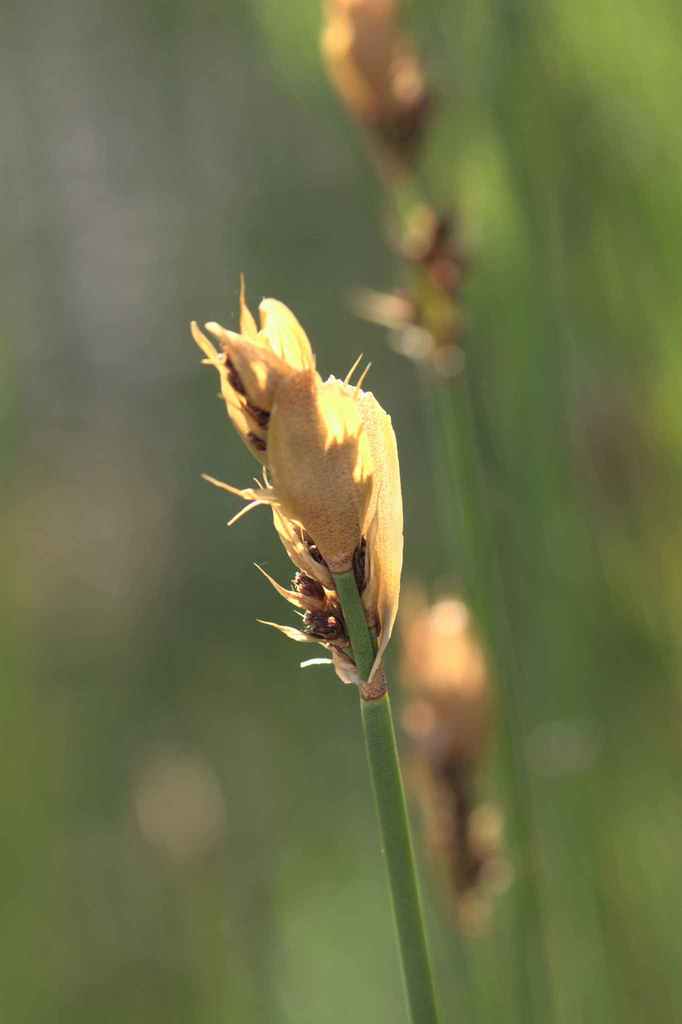
Elegia thyrsifera (Source: inaturalist)
1. Introduction & Taxonomy
Elegia thyrsifera is a robust and elegant restio from the Cape fynbos, distinguished by its thyrsoid (densely branched, panicle-like) inflorescences that set it apart from the simpler flower arrangements of most other Elegia species. This vigorous species brings both height and substance to fynbos garden plantings, with its sturdy stems and well-structured branching creating a boldly architectural presence. It is one of the lesser-known restios in cultivation but deserves wider recognition for its strong form and garden-worthy character.
Elegia thyrsifera is an erect, clump-forming, evergreen restio growing 100-200 cm tall from a woody, creeping rhizome. The culms are sturdy, green, and moderately branched, with whorls of branchlets at the nodes that are somewhat coarser than in E. tectorum but finer than in many other restio genera. True leaves are reduced to dark brown, chartaceous sheaths at the nodes. The distinguishing feature is the inflorescence: a dense, compound, thyrsoid (thyrse-shaped) arrangement of dark brown spikelets, more elaborate and showier than the simple spikelet clusters of many Elegia species. The plant is dioecious, with male inflorescences being larger and more conspicuous than female ones. The overall form is upright and architectural, with mature clumps developing a strong, columnar to vase-shaped habit.
Taxonomic Classification
Habitat and Distribution
Elegia thyrsifera is endemic to the Western Cape of South Africa, growing in fynbos on sandy, acidic, well-drained soils. It is found on mountain slopes and coastal lowlands, typically from near sea level to about 800 meters elevation, often in somewhat sheltered positions near watercourses.
Botanical Note: Restionaceae (the restio family) contains about 500 species, concentrated in the Cape Floristic Region of South Africa and southwestern Australia. Restios are rush-like plants with photosynthetic stems (culms) and reduced or absent leaves. They are adapted to nutrient-poor, acidic, sandy soils and Mediterranean climates with dry summers. Their architectural, bamboo-like appearance makes them increasingly popular in water-wise and contemporary garden design.
Native Range & Distribution Map
The map below shows the native range and notable cultivation regions for Elegia thyrsifera.
2. Biology & Morphology
<\!-- SIZE_COMPARISON_SVG -->Growth Form & Architecture
Elegia thyrsifera belongs to the restio family (Restionaceae), a group of rush-like plants with photosynthetic stems and reduced or absent leaves, adapted to nutrient-poor, acidic soils.
Species-Specific Morphology
Elegia thyrsifera is an erect, clump-forming, evergreen restio growing 100-200 cm tall from a woody, creeping rhizome. The culms are sturdy, green, and moderately branched, with whorls of branchlets at the nodes that are somewhat coarser than in E. tectorum but finer than in many other restio genera. True leaves are reduced to dark brown, chartaceous sheaths at the nodes. The distinguishing feature is the inflorescence: a dense, compound, thyrsoid (thyrse-shaped) arrangement of dark brown spikelets, more elaborate and showier than the simple spikelet clusters of many Elegia species. The plant is dioecious, with male inflorescences being larger and more conspicuous than female ones. The overall form is upright and architectural, with mature clumps developing a strong, columnar to vase-shaped habit.
Inflorescence & Flower Structure
The inflorescence structure varies across grass-related families.
Key Characteristics
- Height: 0.5-2m
- Growth Habit: Clumping / Caespitose
- Growth Rate: Moderate under optimal conditions
- Life Cycle: Perennial
- Toxicity: Not toxic. No known adverse effects on humans, pets, or livestock.
- Conservation Status: Least Concern. Not currently threatened within its native range. Protected in several nature reserves and national parks in the Western Cape. Localized threats from alien invasive plants and urbanization affect some populations.
3. Reproduction & Propagation
<\!-- PROPAGATION_METHODS_SVG -->Primary propagation methods for Elegia thyrsifera: Seed or vegetative division.
Propagating Elegia thyrsifera
Seed propagation with smoke treatment is the standard approach. Treat seeds with smoke-infused water for 12-24 hours, then sow on a well-drained, sandy, acidic seed mix at 15-20C. Keep consistently moist but never waterlogged. Germination takes 4-10 weeks. Division of established clumps is possible in early spring but should be done carefully. Each division needs a portion of woody rhizome with multiple growing points. Replant immediately in well-drained soil and water well while maintaining excellent drainage.
Vegetative Propagation
Propagated by clump division in spring or early summer.
Propagation Tip: For restio species, smoke treatment is essential for germination.
4. Cultivation Requirements
<\!-- CULTIVATION_SVG -->Soil / Substrate
Acidic, sandy, nutrient-poor soil with excellent drainage. Use coarse sand (60%), peat (30%), perlite (10%). Avoid phosphorus-rich fertilizers.
Watering
Low once established. Adapted to Mediterranean climate with winter rainfall and dry summers. Regular watering during the first 2 years of establishment, then minimal supplemental irrigation. Overwatering is the greatest risk.
Light Requirements
Full sun to partial shade. Most ornamental grasses perform best in full sun with at least 6 hours of direct light daily.
Temperature
- Optimal Growth: 18-30°C (65-86°F)
- Minimum Tolerance: -23°C (-10°F)
- USDA Hardiness: Zones 6-10
Fertilization
Restios are adapted to nutrient-poor soils. Apply only low-phosphorus native plant fertilizer sparingly.
Common Cultivation Mistake: For restios: avoid phosphorus-rich fertilizers which can be lethal.
Seasonal Care Calendar
Follow this season-by-season guide for optimal care timing throughout the year.
🌱 Spring (March–May)
Plant out new specimens in well-drained, acidic, sandy soil in full sun. Water consistently during the first growing season. Remove old, brown culms to make room for vigorous new growth.
☀️ Summer (June–August)
Minimal care for established plants. Drought-tolerant once rooted in. The thyrsoid inflorescences develop on male plants and are an attractive feature. Avoid phosphorus-based fertilizers.
🍂 Fall (September–November)
A good secondary planting time in Mediterranean climates. Seeds can be collected from female plants. Remove dead material and tidy clumps before winter.
❄️ Winter (December–February)
Evergreen and structurally attractive through winter. Protect from severe frost (below -5C) with mulch or temporary cover. Natural rainfall is sufficient in Mediterranean climates.
5. Diseases & Pests
Below are the most common pests and diseases affecting Elegia thyrsifera and how to manage them.
Phytophthora root rot
The ever-present threat to cultivated restios. This water mold destroys roots in poorly drained soils, and the robust size of E. thyrsifera makes the loss particularly dramatic. Plant only in perfectly drained conditions.
Scale insects
Immobile sap-feeders that can colonize stems, particularly in sheltered or overcrowded plantings. Regular inspection and treatment with horticultural oil prevents buildup.
Stem borer larvae
Occasional moth larvae that tunnel into the thicker culms, causing individual stems to wilt and die. Remove and destroy affected stems promptly.
IPM: (1) Choose the right species for your conditions. (2) Maintain good air circulation. (3) Cut back dead foliage in late winter. (4) Most ornamental grasses are remarkably pest-free when well-sited.
6. Indoor Growing Guide
Elegia thyrsifera can be grown in containers and brought indoors during winter in cold climates.
Container Selection
Use containers with adequate drainage holes. Terra cotta pots provide good drainage and stability.
Indoor Light
Place in the brightest available location. Most grasses need at least 4-6 hours of direct or bright indirect light.
Indoor Success Key: Bright direct light is the single most important factor for growing grasses indoors.
7. Landscape Use & Design
Elegia thyrsifera brings architectural elegance to water-wise and Mediterranean-style gardens.
Design Applications
- Tall architectural accent in fynbos gardens
- Background planting in water-wise borders
- Specimen plant in large containers
- Screening in Mediterranean-climate gardens
- Fynbos restoration planting
- Botanical collection feature
Companion Planting
These species pair well with Elegia thyrsifera in garden settings:
- Elegia capensis
- Leucadendron laureolum
- Protea neriifolia
- Erica mammosa
- Thamnochortus insignis
- Ischyrolepis subverticillata
Design Principle: Ornamental grasses are at their most magical when backlit by low sun. Position where morning or evening light illuminates inflorescences from behind.
8. Cold Climate Strategies
Elegia thyrsifera has limited frost tolerance. In cold climates, grow in containers that can be moved to frost-free shelter.
Hardiness Thresholds
- USDA Zones: 6-10
- Minimum Survival Temperature: -23°C (-10°F)
Overwintering Options
- Leave in Place (hardy species): Cut back dead foliage in late winter. Apply 5-10 cm of mulch around the crown.
- Container Culture: Move potted plants to a frost-free location for winter.
- Mulching: Apply thick straw or bark mulch over the crown after the first hard frost.
Winter Survival Rule: Restios tolerate cold better when kept dry. Wet cold is far more damaging.
Winter Care Tip: Evergreen and structurally attractive through winter. Protect from severe frost (below -5C) with mulch or temporary cover. Natural rainfall is sufficient in Mediterranean climates.
9. Ethnobotany & Cultural Significance
Elegia thyrsifera, like its better-known relatives, is part of the globally significant Restionaceae family that underpins the fynbos biome. While it has not achieved the commercial fame of E. tectorum or E. capensis, it is valued by restio specialists and fynbos plant collectors for its distinctive inflorescences and robust stature. Its strong stems have been used locally for rough thatching and fence-making in the Cape. The species contributes to the broader narrative of restio conservation and the promotion of indigenous South African plants as sustainable alternatives to exotic ornamentals.
Conservation Note: Many grass, sedge, and rush species play critical ecological roles as habitat providers, soil stabilizers, and water filtration agents. By growing Elegia thyrsifera, you contribute to maintaining awareness of these often-overlooked botanical workhorses.
Did You Know?
- The thyrsoid inflorescence of E. thyrsifera is one of the most complex flower arrangements found in the Restionaceae, making it a point of interest for botanical study.
- Restios are among the most ancient lineages of monocots, with fossil evidence suggesting they existed alongside the dinosaurs in Gondwanaland.
- The family Restionaceae is centered in the Cape Floral Kingdom, which holds the highest concentration of plant species per unit area of any region on Earth.
- In the wild, E. thyrsifera depends on fire every 10-20 years to clear dead material and allow regeneration from the rhizome and soil seed bank.
Frequently Asked Questions
What does 'thyrsifera' mean?
It means 'bearing a thyrse,' referring to the densely branched, compound inflorescence structure that distinguishes this species from other Elegia species with simpler flower arrangements.
How big does it get?
It is one of the larger Elegia species, reaching 1-2 meters tall with clumps up to 1.5 meters wide. Give it adequate space to develop its full architectural form.
Is it easy to grow?
As with all restios, success depends on providing the right conditions: acidic, sandy, extremely well-drained soil, full sun, and no phosphorus fertilizers. Given these, it is a reliable and long-lived plant.
Where can I buy it?
It is available from specialist fynbos nurseries in South Africa and occasionally from restio specialists in California, Australia, and the Mediterranean region. It is less commonly stocked than E. tectorum or E. capensis.
Summary & Key Takeaways
Elegia thyrsifera, is a clumping member of the genus Elegia (Restionaceae), native to the Western Cape of South Africa.
Key Points to Remember:
- Propagation: Seed or clump division
- Light: Full sun for most species
- Substrate: Acidic, sandy, low-phosphorus
- Watering: Moderate — avoid overwatering
- Hardiness: USDA Zones 6-10, minimum -23°C (-10°F)