Annona herzogii (Herzog's Sugar Apple): Complete Care & Growing Guide
Annona herzogii
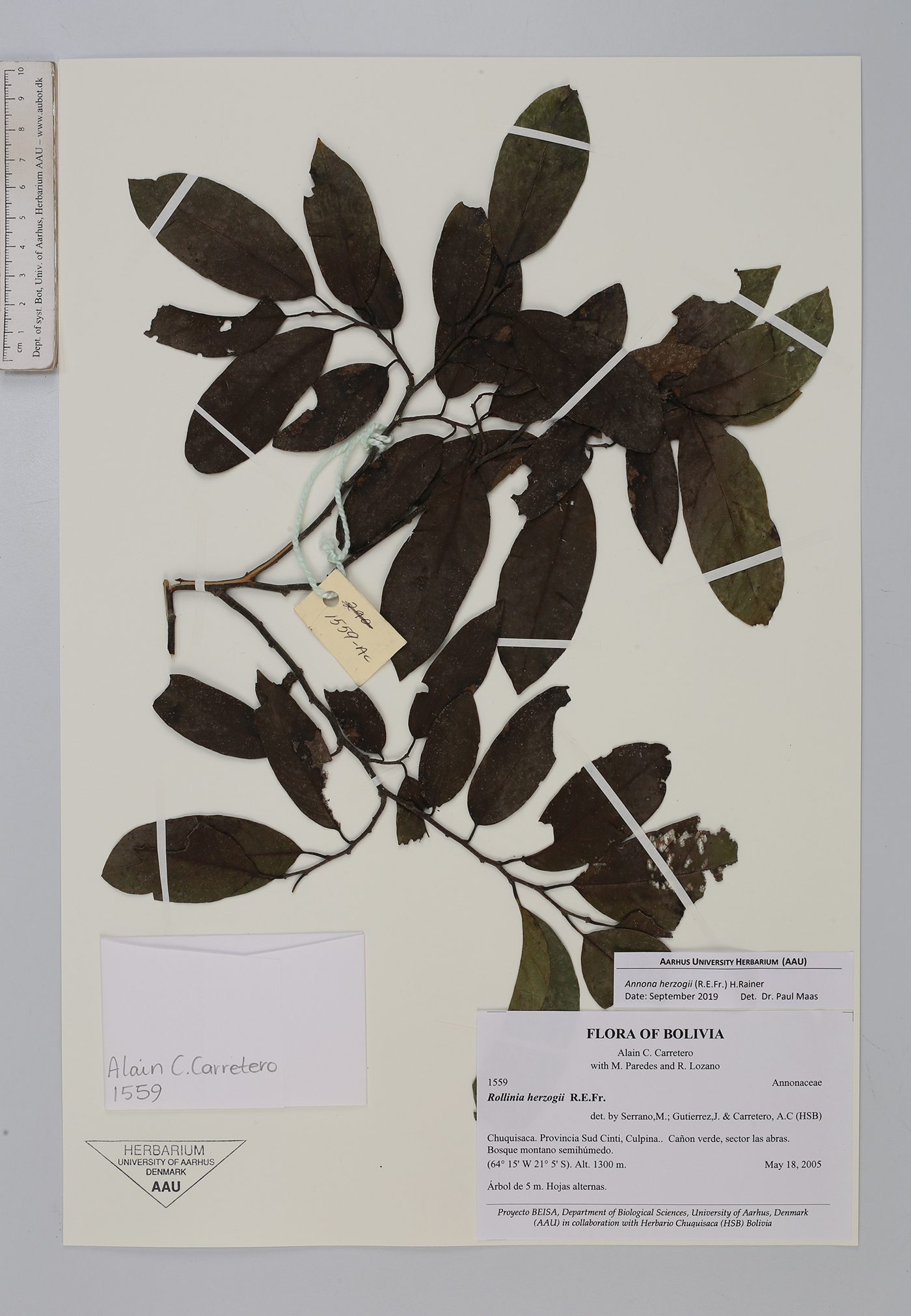
Annona herzogii (Herzog's Sugar Apple)
1. Introduction & Taxonomy
Few tropical fruit genera inspire the same passion among growers as Annona, and Annona herzogii carries forward the tradition of distinct fruit quality that defines the custard apple family. The combination of rich, custard-like texture and complex flavour notes sets Annonaceae apart from all other fruit families. Its natural range in dryish scrubland in the foothills of the Andes in Peru, Bolivia and Paraguay at low to moderate elevations provides important clues to the growing conditions, seasonality, and environmental cues that drive its flowering and fruiting cycle. Annona herzogii is notable for its delicious edible fruits, sweet, flavorful flesh, its rarity and conservation significance.
This very rare Annona is native to dryish scrubland in the foothills of the Andes in Peru, Bolivia and Paraguay at low to moderate elevations. It grows into a smallish shrub to 1.5 m tall with entire leaves and small, cream colored flowers followed by small, edible, wrinkly fruits that turn golden yellow when ripe and have a sweet, creamy pulp. Annona herzogii is not in cultivation yet but is a very promising fruit plant for drier, warm temperate to tropical climates.
Taxonomic Classification
Habitat and Distribution
Annona herzogii is native to The native range of Annona herzogii in dryish scrubland in the foothills of the Andes in Peru, Bolivia and Paraguay at low to moderate elevations places it within one of the most important centres of edible plant diversity in the Americas. The Andes and their surrounding lowlands have given the world numerous important fruit crops and continue to yield new species of culinary promise.. This species is valued for its edible fruits, ornamental qualities, or ecological importance.
Botanical Note: The genus Annona contains about 170 species of trees and shrubs producing some of the world's most delicious tropical fruits. Cherimoya, soursop, sugar apple, and atemoya are prized for their creamy, aromatic flesh. The family Annonaceae is one of the most ancient flowering plant families.
Native Range & Distribution Map
The map below shows the native range and notable cultivation regions for Annona herzogii.
2. Biology & Morphology
Growth Form & Architecture
Annona herzogii is typically a small to medium tree with simple, alternate leaves. The flowers are fleshy and somewhat waxy, often fragrant, and require hand-pollination in commercial cultivation. The compound fruits have a custard-like flesh surrounding dark seeds.
Pollination & Fruit Development
Annona herzogii flowers are pollinated by insects, birds, bats, or wind depending on the species. After successful pollination, fruits develop over weeks to months. Many fruit tree species require cross-pollination from a different variety or individual for optimal fruit set.
Key Characteristics
- Height: 1.5 m
- Growth Habit: Small Fruit Tree
- Growth Rate: Moderate under optimal conditions
- Foliage: Evergreen
Fruit Tree Significance: Fruit trees, vines, shrubs, and cacti provide essential nutrition, unique flavors, and economic value to communities worldwide. Understanding the biology and fruiting patterns of each species is key to successful cultivation and abundant harvests.
Notable Adaptations
The reproductive biology of Annona herzogii follows the Annona pattern: protogynous dichogamy (the female phase precedes the male phase in each flower) limits self-pollination and often necessitates hand pollination in cultivation. The compound fruit develops from the fusion of multiple carpels, each contributing a segment of flesh around its seed. The creamy texture is due to a high starch content that converts to sugar as the fruit ripens.
3. Reproduction & Propagation
The primary propagation method for Annona herzogii: Grafting (commercial) / Seeds (rootstock).
Propagating Annona herzogii
Propagation of Annona herzogii from seed is straightforward but slow. Seeds retain viability for several months when stored cool and dry. For commercial production, grafting is essential to maintain cultivar characteristics and reduce the juvenile period. Veneer grafting and chip budding onto compatible Annona rootstocks are the most reliable techniques. Given the rarity of this species, every seed collection should be treated as precious. Use optimal germination conditions, maintain detailed records, and consider distributing material to multiple growers and botanic gardens to safeguard the cultivated gene pool.
Annona seeds have a hard coat and benefit from scarification. Soak in warm water for 48 hours, or carefully nick the seed coat with a file. Sow in moist, well-draining mix at 25–30°C. Germination is erratic, taking 3–8 weeks. Grafting onto seedling rootstock is the standard commercial method for named varieties.
Vegetative Propagation
- Grafting/Budding: The standard commercial method for fruit trees. Named cultivars are grafted onto disease-resistant rootstock to maintain fruit quality, reduce juvenile period, and control tree size.
- Cuttings: Many fruit species can be grown from semi-hardwood or hardwood cuttings. Use rooting hormone and maintain high humidity until roots develop.
- Air Layering: An effective technique for species that are difficult to root from cuttings. Wound a branch, apply rooting hormone, and wrap with moist sphagnum moss.
Propagation Tips: (1) Use fresh, high-quality seeds from ripe fruits. (2) Grafted trees fruit years earlier than seedlings. (3) Match rootstock to local soil and climate conditions. (4) Maintain hygiene to prevent damping-off. (5) Protect young plants from extreme heat and cold.
4. Cultivation Requirements
Cultivation of Annona herzogii centres on providing warmth, good drainage, and attention to pollination. Space trees 4–6 m apart in full sun. Prune to maintain an open canopy that admits light and air to all parts of the tree — this promotes flowering and reduces disease pressure. Fruit thinning may improve individual fruit size and quality. The compact size makes container culture practical. Use a large, well-drained container with fertile potting mix and feed regularly during the growing season to support fruit production.
Soil / Substrate
Rich, well-draining soil with good organic matter content. Annonas prefer slightly acidic to neutral soil (pH 5.5–7.0). They are sensitive to waterlogging — raised beds or mounded planting improves drainage in heavy soils.
Watering
Water regularly during the growing season and fruit development period. Most fruit trees need deep, regular watering during flowering and fruiting, but allow the soil surface to dry between waterings. Reduce watering after harvest and during dormancy.
Light Requirements
Full sun is essential. At least 6-8 hours of direct sunlight daily for optimal fruiting.
Temperature
- Optimal Growth: 10–25°C (50–77°F)
- Minimum Tolerance: -25°C (-13°F)
- USDA Hardiness: Zones 5-9
Fertilization
Apply balanced fertilizer (e.g., 10-10-10) during the growing season. Increase potassium before and during fruiting to improve fruit quality and yield. Organic options include compost, fish emulsion, and seaweed extract. Avoid excess nitrogen, which promotes leaf growth at the expense of fruiting.
Fruiting Requirements: Many fruit trees require specific conditions to initiate flowering and fruiting: adequate chilling hours (for temperate species), a dry rest period (for tropical species), proper nutrition, mature age (3–10+ years from seed), and appropriate pollination. Understanding your species' specific requirements is key to a successful harvest.
Seasonal Care Calendar
Follow this season-by-season guide for optimal care and harvest timing throughout the year.
🌱 Spring (March–May)
Resume watering and feeding as growth begins. Apply balanced fruit tree fertiliser. Prune for shape and to remove dead wood. Watch for late frost damage to emerging flowers.
☀️ Summer (June–August)
Water regularly during fruit development. Feed monthly with potassium-rich fertiliser. Thin fruits if set is heavy. Monitor for pests and diseases. Begin harvesting early-ripening varieties.
🍂 Fall (September–November)
Complete harvest. Reduce watering and stop feeding. Apply heavy mulch around root zone. In marginal climates, prepare winter protection materials.
❄️ Winter (December–February)
Minimal watering. Protect trunk from frost cracks with tree wrap if needed. Prune during dormancy for improved fruit production next season. Order seeds and rootstocks for spring.
5. Diseases & Pests
As a rare and little-studied species, the specific disease susceptibility of Annona herzogii is not well documented. Standard practices for fruit tree health should be applied: ensure good drainage, avoid overwatering, monitor for common pests, and maintain good air circulation to prevent fungal problems.
Major Problems
Root Rot (Phytophthora / Pythium)
The most common cause of death in fruit trees. Waterlogged soil and poor drainage create ideal conditions for root rot fungi. Symptoms include wilting despite moist soil, yellowing leaves, and decline. Prevention: ensure excellent drainage and avoid overwatering.
Anthracnose
A fungal disease affecting fruits, flowers, and leaves of many tropical fruit trees. Dark, sunken lesions on fruits reduce quality and yield. Prevention: improve air circulation, avoid overhead irrigation, and apply copper-based fungicides preventively during wet periods.
Common Pests
- Fruit Flies — The most serious pest of tropical fruit crops worldwide. Females lay eggs inside ripening fruits; larvae feed on the flesh. Use fruit fly traps, bag individual fruits, and harvest promptly.
- Scale Insects & Mealybugs — Sap-sucking insects that weaken plants and attract sooty mold. Control with horticultural oil, neem oil, or biological agents like ladybugs and parasitic wasps.
- Aphids — Cluster on new growth and flower buds, distorting leaves and transmitting viruses. Spray with water, apply insecticidal soap, or encourage natural predators.
- Birds & Bats — Many animals compete for ripe fruits. Netting is the most effective protection for smaller trees and berry plants.
Integrated Pest Management: (1) Choose disease-resistant varieties when available. (2) Maintain plant vigor through proper nutrition. (3) Remove fallen fruits promptly to break pest cycles. (4) Use physical barriers (netting, fruit bags). (5) Favour biological control over chemical pesticides.
Additional Disease & Pest Considerations
Preventive care is paramount for rare species like Annona herzogii. Inspect regularly, maintain excellent drainage and air circulation, and act immediately at the first sign of pest or disease pressure. The most common cause of fruit tree death in cultivation is root rot from overwatering or poor drainage. Tropical fruit species from well-drained forest or hillside habitats are particularly susceptible when planted in heavy, waterlogged soils. Ensure excellent drainage at the planting site.
6. Indoor Growing Guide
Annona herzogii can be grown indoors where bright conditions are available. The compact growth habit suits container culture, and with adequate light, warmth, and attention to pollination, fruit production indoors is possible. Maintain humidity by misting regularly or using a humidity tray.
Container Cultivation
Use a large container (minimum 30–50 liters for trees, 10–20 liters for shrubs) with excellent drainage holes. Use a quality potting mix with added perlite for drainage. Repot every 1–2 years as the plant grows, or top-dress with fresh compost annually.
Light & Environment
Maximum light is essential for fruiting. Place in the brightest available position — a south-facing window, conservatory, or greenhouse. This species tolerates cool conditions and may need a cold period to trigger flowering. Supplemental grow lights can extend the photoperiod during winter.
Pruning for Containers
Regular pruning keeps container-grown fruit plants compact and productive. Prune to shape, remove crossing branches, and encourage fruiting wood. Many fruit trees respond well to training as standards, espaliers, or bushes.
Fruiting Indoors: Many fruit species can produce fruit in containers with proper care. Dwarf or naturally compact varieties are best suited to container culture. Key success factors: maximum light, adequate pot size, proper nutrition, and appropriate pollination (hand-pollination may be needed indoors).
7. Landscape Use & Design
In landscape design, Annona herzogii serves as both an ornamental and a productive fruit tree. Plant as a specimen in a sunny, sheltered position where the attractive flowers and developing fruits can be appreciated. The open branching habit creates dappled shade beneath — ideal for underplanting with shade-tolerant herbs and ground covers.
Design Applications
- Food Forest: Combine fruit trees with understory plants, herbs, and ground covers to create a productive, multi-layered edible ecosystem.
- Kitchen Garden: Plant fruit trees and bushes near the kitchen for convenient access to fresh, homegrown fruits.
- Edible Hedge: Some fruiting shrubs and small trees make attractive and productive informal hedges.
- Container Garden: Many fruit species thrive in containers on patios, balconies, and rooftop gardens.
Companion Planting
Create productive and beautiful food gardens by combining fruit trees with:
- Nitrogen-fixing plants — beans, peas, clover, and leguminous trees enrich soil for companion fruit trees
- Pollinator attractors — lavender, borage, and flowering herbs attract bees and improve fruit set
- Ground covers — living mulches protect soil, retain moisture, and suppress weeds
- Aromatic herbs — basil, mint, and lemongrass can deter pests from nearby fruit plants
Edible Landscaping: Modern garden design increasingly embraces the concept of productive beauty — landscapes that are both ornamental and productive. Fruit trees, berry bushes, and edible vines can replace purely ornamental plants while providing food security, biodiversity, and connection to the seasons through flowering and fruiting cycles.
8. Fruit Properties & Harvest Guide
Annona herzogii produces edible fruits valued in its native range. The fruits can be eaten fresh, or processed into juices, preserves, and other products depending on the species and local culinary traditions.
Harvest Timing
Harvest timing is critical for optimal flavor and quality. Most fruits are best picked when fully ripe on the tree, though some (like mangos and persimmons) can be ripened after harvest. Signs of ripeness include color change, slight softening, and characteristic fragrance.
Storage & Processing
- Fresh Consumption: Most fruits are best eaten fresh and at peak ripeness for maximum flavor and nutrition.
- Refrigeration: Store ripe fruits in the refrigerator to extend shelf life by several days. Tropical fruits are sensitive to cold damage below 10°C.
- Freezing: Most fruits can be frozen for long-term storage. Peel and cut before freezing for convenience.
- Processing: Fruits can be made into juices, jams, dried fruits, wines, and other preserved products.
Nutritional Value
Tropical and subtropical fruits are generally rich in vitamins (especially A, C, and B-complex), minerals (potassium, magnesium), dietary fiber, and antioxidants. Many underutilized fruit species have exceptional nutritional profiles that rival or exceed those of common commercial fruits.
Yield & Productivity: Fruit yield depends on tree age, variety, growing conditions, pollination success, and management. Most fruit trees begin bearing 3–7 years from planting (sooner for grafted trees). Established trees can produce abundantly for decades with proper care, pruning, and nutrition.
9. Ethnobotany & Cultural Significance
The cultural significance of custard apples spans millennia and continents. From the Aztec and Maya civilisations to the present day, Annona fruits have been prized for their unique flavour and texture. In traditional medicine, various parts of the plant are used to treat digestive complaints, fevers, and parasitic infections. The leaves are used as a natural insecticide in many tropical farming systems. The conservation of fruit plant diversity depends on both habitat protection in the wild and responsible cultivation. Growing Annona herzogii from legally sourced seed contributes to the long-term preservation of this species and helps maintain the genetic diversity that will be essential for future crop improvement and food security. The rarity of Annona herzogii in cultivation underscores the importance of responsible propagation and distribution. Each cultivated specimen helps preserve the genetic diversity of this species for future generations and potential breeding programmes.
Conservation Note: Many tropical fruit species are underutilized and threatened by habitat loss. By growing Annona herzogii from responsibly sourced seeds, you contribute to the conservation of fruit biodiversity and support sustainable agriculture and food security.
Frequently Asked Questions
How do I get my custard apple to fruit?
Annona herzogii requires warm conditions, consistent moisture during the growing season, and — critically — hand pollination for reliable fruit set. Annona flowers are protogynous (the female stage comes first), so transfer pollen from freshly opened flowers to receptive stigmas using a small brush early in the morning. Trees typically begin bearing 3–5 years from planting.
When and how do I harvest Herzog's Sugar Apple?
Timing the harvest of Annona herzogii is crucial for flavour. Most fruits are best picked when they show full colour development and yield slightly to gentle pressure. Some species drop their fruits when ripe — placing netting beneath the tree or checking daily during the harvest period ensures fruit is collected at peak quality.
How cold-hardy is Herzog's Sugar Apple?
Annona herzogii tolerates temperatures down to approximately -25°C (-13°F) (USDA zones 5-9) when established. Good drainage is essential — cold, wet soils cause more damage than cold, dry conditions. Young plants are more frost-sensitive than established specimens, so provide extra protection during the first 2–3 winters.
Summary & Key Takeaways
Annona herzogii is a compact fruiting shrub growing to just 1.5 m, native to dryish scrubland in the foothills of the Andes in Peru, Bolivia and Paraguay at low to moderate elevations, notable for edible fruit. It shows good cold tolerance (USDA zones 5-9, minimum -25°C (-13°F)), making it suitable for cultivation in temperate climates. As a member of the custard apples, it belongs to the Annonaceae and produces aggregate fruits. This rare species is a prized addition to any fruit plant collection.
Key Points to Remember:
- Propagation: Seeds or grafting (for named cultivars)
- Light: Full sun for most species
- Substrate: Well-draining, fertile soil
- Watering: Regular during fruiting; moderate otherwise
- Hardiness: USDA Zones 5-9, minimum -25°C (-13°F)
- Key Feature: Edible fruits with unique flavors and nutritional value