Aucoumea klaineana (Okoume): Complete Care & Growing Guide
Aucoumea klaineana
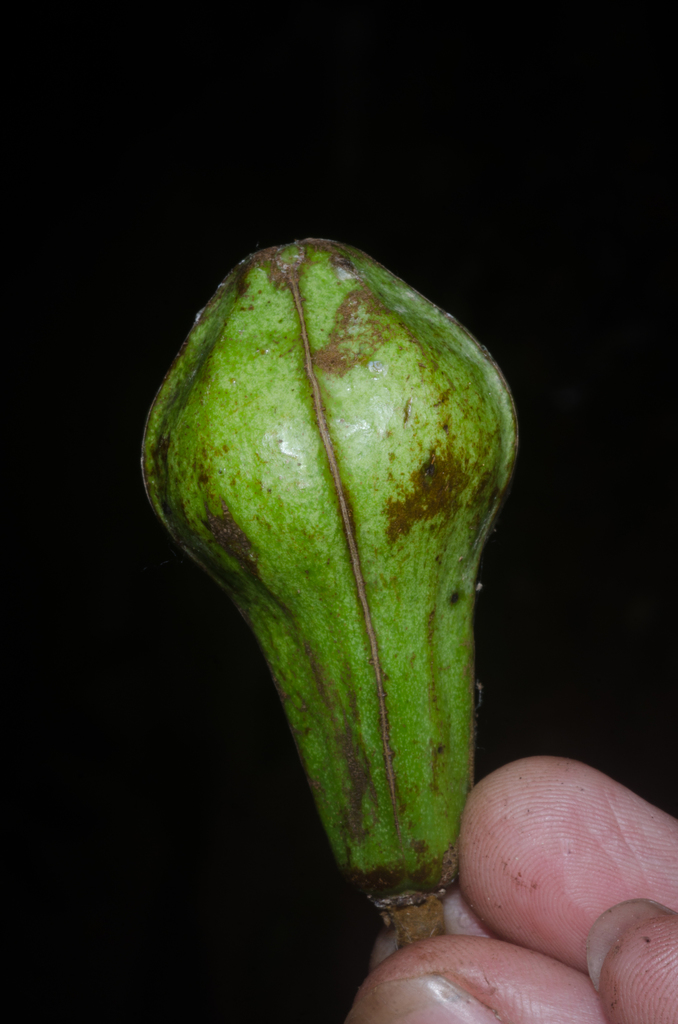
Aucoumea klaineana (Okoume)
1. Introduction & Taxonomy
Aucoumea klaineana (Various, order Various) is a forestry tree native to equatorial west Africa in Gabon, the Republic of the Congo, and Río Muni.
Aucoumea klaineana is a tree in the family Burseraceae, native to equatorial west Africa in Gabon, the Republic of the Congo, and Río Muni. It is a large hardwood tree growing to 30–40 m tall, rarely larger, with a trunk 1.0–2.5 m diameter above the often large basal buttresses. The tree generally grows in small stands, with the roots of the trees intertwined with neighboring trees. In Gabon, it is the primary timber species.
Taxonomic Classification
Habitat and Distribution
Aucoumea klaineana is native to equatorial west Africa in Gabon, the Republic of the Congo, and Río Muni. This species is valued in forestry for its timber production, ecological services, or agroforestry potential.
Botanical Note: This species belongs to a diverse group of tropical timber trees valued for their wood production, ecological services, and agroforestry potential. Tropical forestry encompasses hundreds of tree species across dozens of plant families, united by their importance in sustainable wood production and forest ecosystem management.
Native Range & Distribution Map
The map below shows the native range and notable cultivation regions for Aucoumea klaineana.
2. Biology & Morphology
Growth Form & Architecture
Aucoumea klaineana develops simple, often leathery leaves adapted to its native habitat. It typically grows with a straight trunk suited to timber production, and its canopy form varies with growing conditions.
Reproductive Biology
Aucoumea klaineana is a flowering plant that produces flowers (often small and inconspicuous) followed by fruits or seed pods. Many tropical timber trees rely on insects, bats, or wind for pollination, and their seeds may be dispersed by wind, water, or animals.
Key Characteristics
- Height: 10-30m
- Growth Habit: Tropical Timber Tree
- Growth Rate: Moderate under optimal conditions
- Foliage: Evergreen
Forestry Significance: Timber tree species like Aucoumea klaineana are the foundation of sustainable forestry and plantation management worldwide. The ideal forestry tree combines fast growth with high-quality wood, straight trunk form, disease resistance, and adaptability to a range of growing conditions. Understanding the biology and growth patterns of each species is essential for successful cultivation and timber production.
3. Reproduction & Propagation
The primary propagation method for Aucoumea klaineana: Seeds.
Seed Propagation
Seeds of Aucoumea klaineana should be sown fresh when possible. Soak in tepid water for 12-24 hours before sowing. Use a well-draining seed mix and maintain at 25-30°C. Germination time varies by species but typically occurs within 2-8 weeks.
Vegetative Propagation
- Cuttings: Some forestry species can be propagated from stem cuttings or air layering, though success rates vary. Juvenile material (from young trees or coppice regrowth) generally roots more readily than mature wood.
- Grafting: Selected superior genotypes may be grafted onto rootstock for clonal seed orchards and breeding programs.
- Tissue Culture: Micropropagation is used commercially for some high-value species like teak and eucalyptus to produce genetically uniform planting stock.
Nursery Management: Tropical forestry seedlings are typically raised in polythene bags or root trainers in a shaded nursery for 3-6 months before field planting. Hardening off — gradually increasing light and reducing water — prepares seedlings for the stress of outplanting. Plant at the start of the rainy season for best establishment.
Propagation Tips: (1) Use fresh, high-quality seeds from superior mother trees. (2) Match pretreatment to species requirements. (3) Maintain hygiene to prevent damping-off. (4) Provide adequate shade for young seedlings. (5) Harden off gradually before field planting.
4. Cultivation Requirements
Soil / Substrate
Well-draining, moderately fertile tropical soil. Most forestry tree species are adaptable regarding soil type but achieve best growth in deep, fertile soils with adequate moisture. Avoid compacted or permanently waterlogged sites.
Watering
Water regularly during the first 2-3 years to establish a deep root system. Once established, most tropical timber trees are moderately drought-tolerant, though growth slows significantly during dry periods. Avoid waterlogging, which promotes root rot.
Light Requirements
Full sun for optimal growth. Most timber trees require at least 6 hours of direct sunlight daily, though some species tolerate light shade when young.
Temperature
- Optimal Growth: 20–35°C (68–95°F)
- Minimum Tolerance: 0°C (32°F)
- USDA Hardiness: Zones 10-12
Fertilization
Apply balanced fertilizer at planting time and annually during the first 3-5 years of establishment. In plantation forestry, fertilizer application is typically limited to the establishment phase, as mature trees access nutrients from deep soil layers.
Plantation Spacing: Proper spacing is critical for timber quality. Wide spacing (4×4 m to 6×6 m) produces stocky trees with larger crowns and thicker branches. Close spacing (2×2 m to 3×3 m) promotes height growth and natural pruning but requires thinning. For high-quality sawlogs, progressive thinning from close initial spacing generally produces the best results.
5. Diseases & Pests
No major disease issues reported for Aucoumea klaineana. Proper site selection and drainage prevent most problems.
Major Problems
Root Rot (Phytophthora / Armillaria / Ganoderma)
Root rot fungi are the most serious threat to plantation trees. Waterlogged soil, poor drainage, and root damage predispose trees to infection. Symptoms include canopy thinning, yellowing, and progressive decline. Prevention: ensure excellent drainage and avoid soil compaction.
Stem Canker & Heartrot
Fungal infections of the trunk can cause localized bark death (canker) or internal decay (heartrot), reducing timber value. Prune cleanly, avoid bark wounds, and remove infected branches promptly. Some heartrot fungi enter through pruning wounds, so prune during dry weather.
Common Pests
- Bark Beetles & Borers — Bore into trunks and branches of stressed trees, creating galleries that weaken the wood and introduce fungal infections. Keep trees healthy through proper management.
- Defoliators — Caterpillars, beetles, and other leaf-feeding insects can cause significant defoliation, particularly in plantations. Monitor populations and apply biological control (e.g., Bacillus thuringiensis) when thresholds are exceeded.
- Termites — A major pest of tropical timber trees, particularly during establishment. Treat planting holes with appropriate termiticides and select termite-resistant species where possible.
- Shoot Borers — Larvae bore into growing tips, causing forking and reducing timber quality. Hypsipyla shoot borer is a devastating pest of Meliaceae (mahogany family) species.
Integrated Pest Management: (1) Choose species adapted to local conditions. (2) Maintain plant vigor through proper nutrition and watering. (3) Use mixed-species plantations to reduce pest buildup. (4) Monitor regularly for early detection. (5) Favour biological control over chemical pesticides where possible.
6. Indoor Growing Guide
Aucoumea klaineana can be maintained in a large container for several years when young, provided it receives maximum light and appropriate temperature conditions. It will eventually need to be planted outdoors to reach its full potential.
Container Cultivation
Use a large, deep container with excellent drainage. Timber trees develop strong taproots and extensive lateral roots. Choose containers at least 50 cm deep and wide, and repot every 1-2 years as the tree grows. Use a freely draining potting mix with added perlite or pumice.
Light & Environment
Maximum light is essential for all forestry tree species. Place in the brightest available position — a south-facing window, conservatory, or greenhouse. Tropical species need warmth (minimum 15°C) and high humidity year-round. Supplemental lighting may be necessary during winter months.
Pruning & Training
Regular pruning is essential to maintain container-grown timber trees at a manageable size. Prune during the growing season to shape the canopy and control height. Some species respond well to coppicing (cutting back to the base) and will regrow vigorously.
Realistic Expectations: Timber trees are not traditional houseplants. Most species will eventually outgrow any indoor space. Container cultivation is best viewed as a temporary phase — typically 2-5 years — while trees are young, before transplanting to a permanent outdoor location or a large greenhouse.
7. Landscape Use & Design
Aucoumea klaineana provides shade, timber potential, and ecological benefits in the landscape. It can serve as a specimen tree, shade tree, or component of an agroforestry system combining trees with agricultural crops.
Design Applications
- Specimen Tree: Large timber trees make dramatic focal points in parks, large gardens, and institutional landscapes.
- Shade Tree: The broad canopy of many forestry species provides excellent shade for outdoor living areas, livestock, and understory crops.
- Windbreak / Shelterbelt: Fast-growing species like eucalyptus and alders create effective windbreaks to protect crops and buildings.
- Agroforestry: Many forestry species are grown in combination with agricultural crops, providing timber income while maintaining food production.
Companion Planting & Agroforestry
Create productive and beautiful landscapes by combining timber trees with:
- Nitrogen-fixing trees — alders, acacias, and other legumes enrich soil for companion plants
- Shade-tolerant crops — coffee, cacao, vanilla, and cardamom thrive under timber tree canopy
- Fruit trees — diversify income and food production alongside timber species
- Cover crops & ground covers — protect soil, suppress weeds, and add organic matter
Sustainable Forestry: Modern forestry emphasizes sustainability — balancing timber production with biodiversity conservation, soil health, water protection, and community benefits. Mixed-species plantations, selective harvesting, and long rotation periods produce higher-quality timber while maintaining ecosystem services.
8. Timber Properties & Wood Uses
Aucoumea klaineana produces timber that is valued in its native range for various applications. Wood properties depend on growing conditions, age at harvest, and post-harvest processing.
Common Wood Uses
- Construction: Structural timber, beams, posts, and framing
- Furniture: Indoor and outdoor furniture, cabinetry
- Flooring: Solid wood and engineered flooring
- Veneer & Plywood: Decorative and structural veneers
- Specialty Uses: Musical instruments, carving, turning, boatbuilding
Plantation Forestry
Sustainable plantation forestry of Aucoumea klaineana involves careful site selection, appropriate spacing, timely thinning, and pruning to produce high-quality sawlogs. Rotation lengths vary from 7-15 years for fast-growing species (eucalyptus, teak) to 30-80+ years for slow-growing hardwoods (ebony, ironwood). Progressive thinning removes inferior trees and concentrates growth on the best stems.
Timber Quality Factors: Wood quality is influenced by genetics, site conditions, silvicultural management, and harvest age. Key properties include density (weight per volume), grain straightness, natural durability (resistance to fungi and insects), workability, color, and figure. Slow-grown wood from natural forests is generally denser and more durable than fast-grown plantation timber.
Summary & Key Takeaways
Aucoumea klaineana, is a member of the genus Aucoumea, native to equatorial west Africa in Gabon, the Republic of the Congo, and Río Muni, notable for proven plantation potential.
Key Points to Remember:
- Propagation: Seeds (with appropriate pretreatment)
- Light: Full sun for most species
- Substrate: Deep, well-draining, fertile soil
- Watering: Regular during establishment; moderate once mature
- Hardiness: USDA Zones 10-12, minimum 0°C (32°F)
- Key Feature: Timber production, agroforestry, and ecological services