Ipomoea teotitlanica (Teotitlan Tree Morning Glory): Complete Care & Growing Guide
Ipomoea teotitlanica
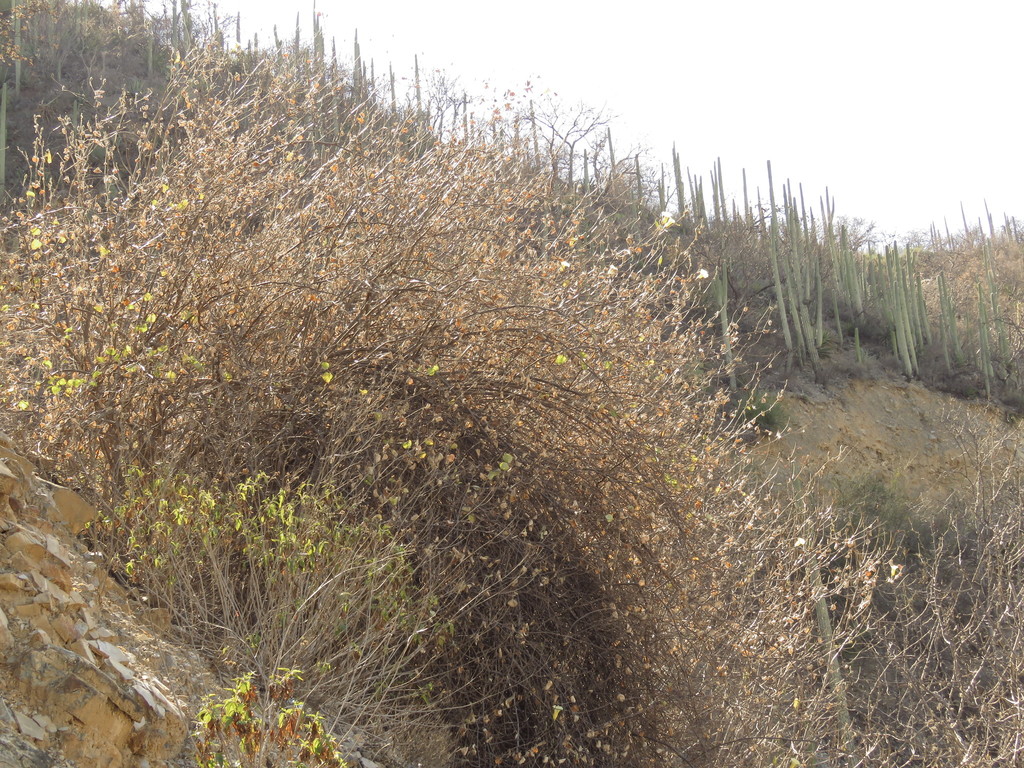
Ipomoea teotitlanica (Teotitlan Tree Morning Glory)
1. Introduction & Taxonomy
Ipomoea teotitlanica is one of the most distinct members of the morning glory family, having evolved from a vine into a deciduous tree with a swollen, succulent trunk that stores water through the long dry season of its native habitat. Its natural range in seasonally dry wood and scrublands in Oaxaca, Mexico provides important clues to its preferred growing conditions and the seasonal cues that trigger flowering. The white flowers are a defining feature of the species, providing a brilliant display that attracts pollinators and distinguishes it from its congeners. Its deciduous habit is a key part of its floral strategy — many tropical flowering trees shed their leaves before blooming, ensuring that the floral display is not obscured by foliage and is maximally visible to pollinators. Ipomoea teotitlanica is notable for its spectacular white flowers.
A member of the same genus as the morning glory vines and the sweet potato, this species grows into an attractive, soft and succulent-stemmed, dry deciduous, small to moderate tree with pale bark and showy white flowers during the dry season. It is native to seasonally dry wood and scrublands in Oaxaca, Mexico.
Taxonomic Classification
Habitat and Distribution
Ipomoea teotitlanica is native to The native range of Ipomoea teotitlanica in seasonally dry wood and scrublands in Oaxaca, Mexico places it within the extraordinarily diverse Mesoamerican flora, where seasonal drought has driven the evolution of notable adaptations including succulent stems, water-storing trunks, and dry-season flowering.. This species inhabits environments typical of its genus, from dry deciduous forests and savannas to moist tropical woodlands.
Botanical Note: While the genus Ipomoea is best known for its morning glory vines and the sweet potato (I. batatas), several species have evolved into notable trees with swollen, succulent trunks (pachycauls). Ipomoea teotitlanica from Oaxaca, Mexico, develops a distinctive pale-barked, bottle-shaped trunk that stores water for survival during the long dry season. The showy white flowers are unmistakably those of a morning glory, revealing its surprising family connection.
Native Range & Distribution Map
The map below shows the native range and notable cultivation regions for Ipomoea teotitlanica.
2. Biology & Morphology
Growth Form & Architecture
Ipomoea teotitlanica is a notable pachycaul (swollen-trunked) tree with a soft, water-storing trunk covered in pale, smooth bark. During the dry season, the tree drops its leaves and produces showy morning-glory flowers on bare branches, revealing its surprising relationship to the common morning glory vine.
Flower & Fruit Biology
Flowering trees have evolved diverse pollination strategies. Many Erythrina and Butea species are pollinated by birds (ornithophily), with their tubular, nectar-rich flowers adapted for avian visitors. Other species attract bees, butterflies, or bats. The timing of flowering — often during the dry season on bare branches — maximizes visibility to pollinators and prevents competition with foliage.
Key Characteristics
- Height: 4-8m
- Growth Habit: Pachycaul Deciduous Tree
- Growth Rate: Moderate under optimal conditions
- Flower Color: White
Ecological Insight: Many flowering trees in the Fabaceae family (including Erythrina, Butea, and Gliricidia) are nitrogen-fixers, hosting symbiotic Rhizobium bacteria in root nodules. This enriches the soil and makes them valuable in agroforestry systems. Their leaf litter decomposes readily, further improving soil fertility.
Notable Adaptations
Ipomoea teotitlanica demonstrates the distinct evolutionary plasticity of the morning glory family. From a lineage of twining vines, it has evolved a pachycaul (thick-trunked) growth form with a swollen, water-storing stem — convergent with the baobabs and bottle trees of other dry tropical regions. The deciduous habit is an adaptation to seasonal drought, allowing the tree to shed its leaves and reduce water loss during the dry season. Many deciduous tropical trees flower on bare branches, a strategy that maximises the visibility of flowers to pollinators and is timed to coincide with peak pollinator activity.
3. Reproduction & Propagation
The primary propagation method for Ipomoea teotitlanica: Seeds.
Propagating Ipomoea teotitlanica
Propagation of Ipomoea teotitlanica follows methods similar to other pachycaul species. Seeds germinate after scarification, and stem cuttings root in warm conditions. As with many succulent-stemmed trees, allow cuttings to dry for several days before inserting into a free-draining mix to prevent bacterial and fungal rot at the cut surface.
Seeds should be scarified (nick the seed coat) or soaked in warm water for 24 hours before sowing. Sow in a well-draining mix at 20-25°C. Germination typically occurs within 2-4 weeks. The species can also be propagated from stem cuttings, which root readily during the growing season.
Seed Viability: Seeds of Ipomoea teotitlanica should ideally be sown fresh for best germination rates. Store seeds in a cool, dry place if immediate sowing is not possible.
Propagation Tips: (1) Sow seeds fresh for best results. (2) Use a well-draining, sterile seed mix. (3) Maintain warmth (20-28°C) and consistent moisture. (4) Protect young seedlings from direct sun. (5) Transplant seedlings when they develop their first true leaves.
4. Cultivation Requirements
Cultivation of Ipomoea teotitlanica centres on providing the warmth, sun, and drainage that flowering trees from tropical regions require. Container cultivation is practical in cooler climates, allowing the tree to be moved under cover during winter months. The deciduous period is a natural response to seasonal drought or cold and should not cause alarm. Reduce watering during leaf drop, then resume regular irrigation and feeding when new growth emerges.
Soil / Substrate
Well-draining, sandy soil mimicking its dry Mexican habitat. A mix of sandy loam with added perlite or volcanic rock provides ideal drainage. The swollen trunk stores water, so the soil should dry between waterings. pH 6.0-7.5.
Watering
The pachycaul trunk stores water for the dry season. Water moderately during the growing season and withhold water almost entirely during dormancy. Overwatering causes trunk rot.
Light Requirements
Full sun for best flowering. Most flowering trees need at least 6 hours of direct sunlight daily to produce abundant blooms. Young plants may appreciate light shade during establishment but should be gradually moved to full sun.
Temperature
- Optimal Growth: 15–30°C (59–86°F)
- Minimum Tolerance: 5°C (41°F)
- USDA Hardiness: Zones 10-12
Fertilization
Apply a balanced slow-release fertilizer in spring. Supplement with potassium-rich feed during the growing season to support flowering. Avoid over-fertilizing, which promotes leaf growth at the expense of flowers.
Common Cultivation Mistake: Overwatering is the primary cause of loss for succulent and pachycaul species. These trees evolved to store water in their trunks and will rot if kept constantly wet. Ensure excellent drainage and allow soil to dry between waterings.
5. Diseases & Pests
Ipomoea teotitlanica is relatively pest-free in cultivation. The succulent trunk can be vulnerable to rot if overwatered or planted in poorly drained soil — this is the primary cause of death in cultivation. Spider mites may infest foliage in dry conditions. Mealybugs occasionally colonise leaf bases and branch junctions.
Major Problems
Root Rot
Caused by waterlogged soil conditions, especially in poorly drained sites. Particularly dangerous for succulent and pachycaul species whose fleshy trunks are prone to fungal infection when kept too wet.
Fungal Leaf Spots
Various fungal pathogens can cause leaf spotting, especially during humid weather. Remove affected leaves, improve air circulation, and apply copper-based fungicide if severe.
Common Pests
- Borers — Stem and trunk borers can attack stressed trees. Maintain tree health through proper watering and fertilization. Remove and destroy affected branches.
- Scale Insects — Brown or white bumps on branches and leaves. Treat with horticultural oil or systemic insecticide.
- Mealybugs — White, cottony masses at branch junctions. Treat with isopropyl alcohol or neem oil.
- Caterpillars — Various species feed on foliage. Hand-pick or use Bt (Bacillus thuringiensis) for heavy infestations.
Prevention: (1) Plant in well-drained soil. (2) Provide full sun and good air circulation. (3) Avoid wounds to the trunk that invite borers. (4) Keep trees healthy through appropriate watering and fertilization. (5) Monitor regularly for early signs of pest or disease problems.
Additional Disease & Pest Considerations
Monitor regularly for the first signs of pest or disease problems. Early intervention — whether manual removal, targeted spraying, or cultural adjustment — is always more effective than treating established infestations. Avoid broad-spectrum pesticides that harm beneficial predators and pollinators.
6. Indoor Growing Guide
Ipomoea teotitlanica can be grown indoors as a striking caudiciform specimen, its swollen trunk providing architectural interest even when leafless during dormancy. A bright, sunny windowsill and extremely well-drained soil are essential. The tree's compact size and drought tolerance make it surprisingly well-suited to indoor conditions.
Container Selection
Use a large container with excellent drainage holes. Terracotta or unglazed pots are ideal for succulents as they allow moisture to evaporate through the pot walls. The container should be at least 40 cm deep and wide for young trees.
Indoor Light
Bright direct light is essential. Place in the sunniest window available (south-facing in the Northern Hemisphere). Supplement with full-spectrum grow lights if natural light is insufficient. At least 6 hours of direct light is needed for healthy growth.
Indoor Watering
Allow the soil to dry completely between waterings. Water thoroughly when you do water, allowing excess to drain. Reduce watering significantly in winter. Overwatering is the number one killer of container-grown succulents.
Seasonal Indoor Care
- Spring: Resume regular feeding and increase watering as growth resumes. Repot if root-bound.
- Summer: Peak growth. Move outdoors to a sunny position if possible.
- Autumn: Reduce feeding. Prepare for winter dormancy if deciduous.
- Winter: Keep cool (10-15°C) and dry for deciduous species. Evergreen species need reduced but regular watering.
Indoor Success Key: The unusual caudex form makes this species particularly well-suited to container culture. It can be displayed as a living sculpture even during its leafless dormant period.
Species-Specific Indoor Tips
The caudiciform trunk of Ipomoea teotitlanica is the primary ornamental feature during the dormant season. Allow the plant to go fully dormant, withholding water almost entirely. Resume watering when new growth appears. The dramatic seasonal cycle of dormancy and leafing out is one of the charms of growing this species indoors. During the leafless dormant period, reduce watering substantially but do not allow the root ball to dry out completely. The dormant tree can be stored in a cool, frost-free location with minimal light. Resume normal watering and feeding when new growth appears in spring. For indoor container cultivation, use a well-drained potting mix and a pot with adequate drainage holes. Feed regularly with a balanced liquid fertiliser during the growing season, switching to a high-potassium feed as flowering approaches to promote bud formation.
7. Landscape Use & Design
The white flowers of Ipomoea teotitlanica create a striking seasonal display that makes this species an excellent specimen tree for tropical and subtropical gardens. Position where the flowering canopy can be appreciated from a distance and where fallen flowers create a colourful carpet beneath the tree.
Design Applications
- Specimen Tree: The dramatic flowering display makes these trees perfect focal points in gardens, parks, and public spaces.
- Shade Tree: The canopy provides welcome shade in hot climates.
- Avenue Planting: Can be used in formal or informal avenue plantings in suitable climates.
- Wildlife Garden: Flowers attract hummingbirds, sunbirds, butterflies, and bees, making these trees excellent choices for wildlife-friendly gardens.
Companion Planting
Create stunning compositions by pairing with:
- Palms — complementary tropical silhouettes and different textures
- Bougainvillea — complementary flower colours for extended bloom season
- Plumeria (Frangipani) — another spectacular flowering tree for layered planting
- Heliconias & Gingers — lush tropical understorey beneath the tree canopy
- Cycads — prehistoric texture contrast at the base of flowering trees
- Ground Covers — colourful flowering ground covers beneath the drip line
Design Principle: Flowering trees create the structural canopy layer in a tropical garden. Plant them where their flower display can be seen against the sky or a contrasting backdrop. Deciduous species that flower on bare branches are particularly dramatic when backlit by morning or evening sun. Consider the flowering season when planning garden compositions.
Species-Specific Design Ideas
The deciduous habit of Ipomoea teotitlanica creates opportunities for layered landscape design: understorey plants can receive direct sunlight during the leafless period, while benefiting from shade during the growing season when the canopy is in full leaf. For maximum landscape impact, position Ipomoea teotitlanica where it receives full sun and is visible from key viewpoints in the garden. The interplay of flowering trees with palms, shrubs, and ground covers creates the layered, lush composition that defines the tropical garden style.
8. Cold Climate Strategies
The deciduous habit of Ipomoea teotitlanica provides some natural cold protection, as the dormant tree can survive brief cold spells more readily than actively growing specimens. In USDA zones 10-12, outdoor cultivation is possible with protection during hard frosts. Mulch heavily around the root zone and wrap the trunk with fleece during extreme cold events.
Hardiness Thresholds
- USDA Zones: 10-12
- Minimum Survival Temperature: 5°C (41°F)
Overwintering Options
- Container Culture: Grow in a large pot and move to a frost-free greenhouse, conservatory, or bright indoor space before the first frost. This is the safest option for most tropical flowering trees.
- Mulching & Wrapping: For borderline-hardy species, apply a thick layer of dry mulch around the root zone and wrap the trunk with horticultural fleece during cold spells.
- Microclimate Selection: Plant against a south-facing wall or in a sheltered courtyard that traps heat. Urban heat islands can extend the effective hardiness zone by 1-2 zones.
- Root Zone Heating: In-ground heating cables or thick organic mulch can protect roots from freezing even if the top growth is killed back.
Winter Survival Rule: Protect the root zone above all else. A tree can recover from loss of branches but not from frozen roots. In marginal climates, choose the most sheltered, well-drained spot in the garden and apply heavy mulch before winter.
Additional Winter Protection
The dormant, leafless tree is significantly more cold-tolerant than when in active growth. Time any necessary cold protection to coincide with the period of active growth and flowering in spring, when new growth is most vulnerable to late frosts. Monitor long-range weather forecasts during autumn and take protective action before the first hard frost. An emergency strategy: heap dry mulch around the root zone, wrap the trunk with fleece or hessian, and cover the canopy with breathable frost protection fabric.
9. Ethnobotany & Cultural Significance
While the specific ethnobotanical uses of Ipomoea teotitlanica are less documented than those of more widespread Ipomoea species, the genus as a whole has been profoundly important to human cultures. From the sweet potato that sustained Pacific Island civilisations to the morning glory seeds used in Mesoamerican ritual, Ipomoea species are woven into the ethnobotanical fabric of cultures across the tropics. The conservation of flowering tree diversity depends on both habitat protection in the wild and responsible cultivation ex situ. Growing Ipomoea teotitlanica from legally sourced material contributes to the long-term preservation of this species and raises awareness of the distinct diversity and ecological importance of tropical flowering trees.
Conservation Note: Many tropical flowering trees face threats from habitat loss, deforestation, and climate change. Some Erythrina species are now rare in the wild. By growing Ipomoea teotitlanica from responsibly sourced seeds, you contribute to the ex-situ conservation of these spectacular trees and help maintain genetic diversity for future generations.
Frequently Asked Questions
How fast does Teotitlan Tree Morning Glory grow?
Specific growth rate data for Ipomoea teotitlanica is limited, but most tropical flowering trees grow vigorously when provided with adequate warmth, sunlight, water, and nutrients. Expect moderate to fast growth in suitable climates.
How cold-hardy is Teotitlan Tree Morning Glory?
Ipomoea teotitlanica is estimated to be suitable for USDA zones 10-12, tolerating temperatures down to approximately 2°C (36°F) with protection. In colder climates, container cultivation with indoor overwintering is the most reliable approach.
When does Teotitlan Tree Morning Glory flower?
Ipomoea teotitlanica produces white flowers, typically during the warm season or at the transition between dry and wet seasons. Many deciduous tropical trees flower on bare branches before the new leaves emerge, creating a dramatic display.
How much water does Teotitlan Tree Morning Glory need?
Water Ipomoea teotitlanica regularly during the growing season, ensuring the soil remains moist but never waterlogged. Good drainage is essential — root rot from overwatering is the most common cause of flowering tree death in cultivation. Reduce watering during the dormant or cool season.
Can Teotitlan Tree Morning Glory be grown in a container?
Ipomoea teotitlanica can be grown in a container, especially in cooler climates where indoor overwintering is necessary. Use a large, well-drained pot and a quality growing mix. Feed regularly during the growing season. Be aware that the tree may eventually outgrow container culture.
Is Teotitlan Tree Morning Glory related to morning glories?
Yes, Ipomoea teotitlanica belongs to the same genus (Ipomoea) as the familiar morning glory vines and the sweet potato. Its tree form with a succulent, water-storing trunk is a notable evolutionary departure from the climbing habit of most species in this enormous genus.
What grows well with Teotitlan Tree Morning Glory?
Ideal companion plants for Ipomoea teotitlanica include palms for vertical structure, gingers and heliconias for bold tropical foliage, frangipani and hibiscus for complementary flowering, and ground covers like Tradescantia or tropical ferns for the understorey. Choose companions with similar climate and watering requirements.
Does Teotitlan Tree Morning Glory need full sun?
Yes, most flowering trees perform best in full sun, which promotes the most abundant flowering and strongest growth. Some species tolerate light shade, but flower production is reduced. In hot climates, afternoon shade may be beneficial during the hottest months.
Summary & Key Takeaways
Ipomoea teotitlanica is a distinctive member of the genus Ipomoea, native to seasonally dry wood and scrublands in Oaxaca, Mexico, notable for white flowers, a deciduous habit. Hardy to approximately 2°C (36°F) (USDA zones 10-12), it can be grown in suitable warm climates with winter protection. Its succulent, water-storing trunk and morning-glory flowers make it a prized caudiciform specimen.
Key Points to Remember:
- Propagation: Seeds
- Light: Full sun for best flowering
- Substrate: Well-draining soil; sandy for succulents
- Watering: Drought-tolerant once established; allow soil to dry between waterings
- Hardiness: USDA Zones 10-12, minimum 5°C (41°F)
- Key Feature: Spectacular flowering display, often on bare branches