Erythrina gibbosa: Complete Care & Growing Guide
Erythrina gibbosa
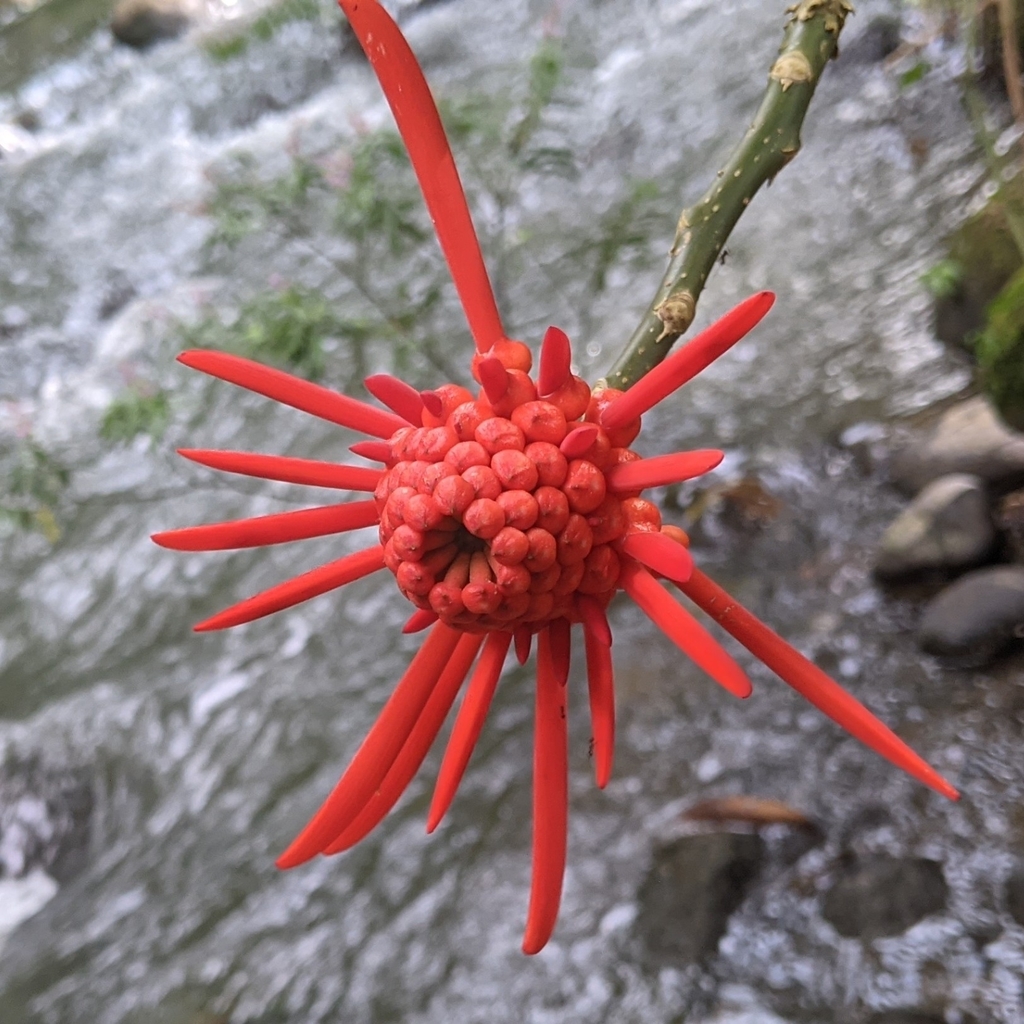
Erythrina gibbosa
1. Introduction & Taxonomy
Few flowering trees rival the visual drama of the coral trees, and Erythrina gibbosa delivers the full spectacle: vivid blooms erupting from leafless branches, attracting sunbirds, hummingbirds, and honeyeaters from across the landscape. Erythrina gibbosa is notable for reaching an impressive 30 m in height.
Erythrina is a genus of plants. Erythrina is a genus of plants in the pea family, Fabaceae. It contains about 130 species, which are distributed in tropical and subtropical regions worldwide. They are trees, with the larger species growing up to 30 m (98 ft) in height. These species are known for their large flowers with long and bright red or orange petals.
Taxonomic Classification
Habitat and Distribution
Erythrina gibbosa is native to Distributional data for Erythrina gibbosa is currently limited. Further field surveys and herbarium studies will help clarify its native range within the broader distribution of the genus Erythrina.. This species inhabits environments typical of its genus, from dry deciduous forests and savannas to moist tropical woodlands.
Botanical Note: The genus Erythrina contains about 130 species of flowering trees and shrubs, commonly known as coral trees. They are found throughout the tropics and subtropics, prized for their spectacular flowers that appear in vivid shades of red, orange, and scarlet. Many species flower on bare branches before the leaves emerge, creating a stunning display. Like other legumes, Erythrina species fix atmospheric nitrogen through symbiotic root bacteria, enriching the soil. The seeds are typically bright red or orange and contain toxic alkaloids.
Native Range & Distribution Map
The map below shows the native range and notable cultivation regions for Erythrina gibbosa.
2. Biology & Morphology
Growth Form & Architecture
Erythrina gibbosa is a semi-deciduous tree with trifoliate leaves and spectacular flower clusters. The flowers are typically borne on bare or nearly bare branches, creating a vivid display. The bark is often thorny, and the wood is light and soft.
Flower & Fruit Biology
Flowering trees have evolved diverse pollination strategies. Many Erythrina and Butea species are pollinated by birds (ornithophily), with their tubular, nectar-rich flowers adapted for avian visitors. Other species attract bees, butterflies, or bats. The timing of flowering — often during the dry season on bare branches — maximizes visibility to pollinators and prevents competition with foliage.
Key Characteristics
- Height: 12-30 m
- Growth Habit: Deciduous Flowering Tree
- Growth Rate: Fast under optimal conditions
Ecological Insight: Many flowering trees in the Fabaceae family (including Erythrina, Butea, and Gliricidia) are nitrogen-fixers, hosting symbiotic Rhizobium bacteria in root nodules. This enriches the soil and makes them valuable in agroforestry systems. Their leaf litter decomposes readily, further improving soil fertility.
Notable Adaptations
The floral biology of Erythrina gibbosa is intimately linked to bird pollination. The flowers produce copious nectar from a nectary at the base of the ovary, and their robust, tubular structure is adapted to the probing bills of nectarivorous birds. The bright red to orange colouration is a classic bird-pollination signal — conspicuous to birds but largely invisible to most insects. Like all legumes, Erythrina species form symbiotic associations with nitrogen-fixing bacteria (rhizobia) in root nodules, enabling them to thrive in nutrient-poor soils and enriching the soil for surrounding vegetation.
3. Reproduction & Propagation
The primary propagation method for Erythrina gibbosa: Seeds or hardwood cuttings.
Propagating Erythrina gibbosa
Propagation of Erythrina gibbosa is straightforward by both seed and cutting. The bright red seeds are hard-coated and benefit from scarification before sowing. Alternatively, large stem cuttings pushed directly into the ground will root and grow rapidly — a property that has made Erythrina species popular as living fence posts throughout the tropics.
Seeds should be scarified (nick or sand the hard seed coat) or soaked in hot water (not boiling) for 24 hours before sowing. This breaks the physical dormancy common to legume seeds. Sow in a well-draining mix at 20-28°C. Germination usually takes 1-4 weeks. Erythrina can also be easily propagated from large hardwood cuttings — thick branches pushed into moist soil will root and grow quickly.
Vegetative Propagation
- Hardwood Cuttings: Large branch sections (2-5 cm diameter, 30-60 cm long) can be pushed directly into moist soil. They root within weeks during the warm growing season.
- Timing: Best done at the start of the rainy season when natural moisture supports rooting
- Success Rate: Very high — this is the preferred commercial propagation method
Seed Viability: Legume seeds (Erythrina, Butea, Gliricidia) with their hard seed coats can remain viable for years when stored dry and cool. Scarification before sowing is essential for consistent germination.
Propagation Tips: (1) Scarify or hot-water treat hard-coated legume seeds before sowing. (2) Use a well-draining, sterile seed mix. (3) Maintain warmth (20-28°C) and consistent moisture. (4) Protect young seedlings from direct sun. (5) Large hardwood cuttings offer a faster alternative to seed propagation.
4. Cultivation Requirements
Coral trees including Erythrina gibbosa are among the easiest tropical flowering trees to cultivate. Full sun, good drainage, and minimal frost are the key requirements. The nitrogen-fixing ability of leguminous trees means that even nutrient-poor soils support good growth. Pruning is well tolerated and can be used to control size.
Soil / Substrate
Fertile, well-draining soil with organic matter. Most flowering trees in the legume family are adaptable to a range of soil types, from sandy to clay loams. Good drainage is important to prevent root rot. pH 5.5-7.5.
Watering
Water regularly during the first 2-3 years to establish a deep root system. Once established, most species are moderately drought-tolerant. Water deeply during prolonged dry spells. Reduce watering during the cool season or dormancy period.
Light Requirements
Full sun for best flowering. Most flowering trees need at least 6 hours of direct sunlight daily to produce abundant blooms. Young plants may appreciate light shade during establishment but should be gradually moved to full sun.
Temperature
- Optimal Growth: 18–35°C (65–95°F)
- Minimum Tolerance: 2°C (36°F)
- USDA Hardiness: Zones 10-12
Fertilization
Leguminous trees fix their own nitrogen, so high-nitrogen fertilizers are unnecessary. Apply a balanced or phosphorus-rich fertilizer (e.g., 5-10-10) once or twice during the growing season to promote flowering. Organic compost mulch is ideal.
Common Cultivation Mistake: Planting in heavy, waterlogged soil is the most common cause of failure. While these trees tolerate a range of soils, they need adequate drainage. Young trees also need protection from strong winds that can damage developing root systems.
5. Diseases & Pests
The Erythrina gall wasp (Quadrastichus erythrinae) is the most serious pest of coral trees worldwide, causing extensive galling of leaves and shoots that can weaken and kill trees. Monitor for the characteristic leaf curling and gall formation. In addition, coral trees may be affected by Fusarium wilt, root rot in waterlogged soils, and various defoliating caterpillars. Good drainage and tree vigour are the best defences.
Major Problems
Root Rot
Caused by waterlogged soil conditions, especially in poorly drained sites. Ensure good drainage and avoid overwatering. Improve soil structure with organic matter and coarse sand if drainage is poor.
Fungal Leaf Spots
Various fungal pathogens can cause leaf spotting, especially during humid weather. Remove affected leaves, improve air circulation, and apply copper-based fungicide if severe.
Common Pests
- Erythrina Gall Wasp — This invasive wasp causes disfiguring galls on leaves and shoots. Systemic insecticides (imidacloprid) can provide control. Biological control agents are being researched.
- Scale Insects — Brown or white bumps on branches and leaves. Treat with horticultural oil or systemic insecticide.
- Mealybugs — White, cottony masses at branch junctions. Treat with isopropyl alcohol or neem oil.
- Caterpillars — Various species feed on foliage. Hand-pick or use Bt (Bacillus thuringiensis) for heavy infestations.
Prevention: (1) Plant in well-drained soil. (2) Provide full sun and good air circulation. (3) Avoid wounds to the trunk that invite borers. (4) Keep trees healthy through appropriate watering and fertilization. (5) Monitor regularly for early signs of pest or disease problems.
Additional Disease & Pest Considerations
Root rot caused by Phytophthora and Pythium species is a significant concern for coral trees in poorly drained soils. Ensure the planting site has excellent drainage and avoid overwatering. In container culture, use a free-draining mix and never allow the pot to stand in water.
6. Indoor Growing Guide
Indoor cultivation of Erythrina gibbosa is feasible only in very bright, well-lit conditions such as a large conservatory or glasshouse. Most flowering trees require full sun and outdoor conditions for optimal growth and flower production. Container culture with seasonal outdoor placement gives the best results in cooler climates.
Container Selection
Use a large container with excellent drainage holes. Plastic or glazed ceramic containers are suitable. Ensure adequate drainage layer at the bottom. The container should be at least 40 cm deep and wide for young trees.
Indoor Light
Bright light with some direct sun. A south-facing window or sunny conservatory is ideal. These are sun-loving trees that will become leggy and weak without adequate light.
Indoor Watering
Water when the top few centimeters of soil feel dry. Reduce watering in winter when growth slows. Good drainage is critical to prevent root rot in containers.
Seasonal Indoor Care
- Spring: Resume regular feeding and increase watering as growth resumes. Repot if root-bound.
- Summer: Peak growth. Move outdoors to a sunny position if possible.
- Autumn: Reduce feeding. Prepare for winter dormancy if deciduous.
- Winter: Keep cool (10-15°C) and dry for deciduous species. Evergreen species need reduced but regular watering.
Indoor Success Key: Light is the critical factor. Without adequate direct sunlight, these trees will not thrive or flower indoors. A sunny conservatory or greenhouse is far more successful than a typical room window.
Species-Specific Indoor Tips
For indoor container cultivation, use a well-drained potting mix and a pot with adequate drainage holes. Feed regularly with a balanced liquid fertiliser during the growing season, switching to a high-potassium feed as flowering approaches to promote bud formation.
7. Landscape Use & Design
In landscape design, Erythrina gibbosa is unsurpassed as a seasonal focal point, its vivid flowers erupting on bare branches to create one of the most dramatic displays in the tropical garden. Plant where the flowering spectacle can be appreciated — as a lawn specimen, at the end of a vista, or along a driveway.
Design Applications
- Specimen Tree: The dramatic flowering display makes these trees perfect focal points in gardens, parks, and public spaces.
- Shade Tree: Many leguminous flowering trees provide excellent filtered shade while fixing nitrogen to enrich the soil beneath.
- Avenue Planting: Coral trees and Flame of the Forest create spectacular avenues when planted in rows along roads or pathways.
- Wildlife Garden: Flowers attract hummingbirds, sunbirds, butterflies, and bees, making these trees excellent choices for wildlife-friendly gardens.
Companion Planting
Create stunning compositions by pairing with:
- Palms — complementary tropical silhouettes and different textures
- Bougainvillea — complementary flower colours for extended bloom season
- Plumeria (Frangipani) — another spectacular flowering tree for layered planting
- Heliconias & Gingers — lush tropical understorey beneath the tree canopy
- Cycads — prehistoric texture contrast at the base of flowering trees
- Ground Covers — colourful flowering ground covers beneath the drip line
Design Principle: Flowering trees create the structural canopy layer in a tropical garden. Plant them where their flower display can be seen against the sky or a contrasting backdrop. Deciduous species that flower on bare branches are particularly dramatic when backlit by morning or evening sun. Consider the flowering season when planning garden compositions.
Species-Specific Design Ideas
Consider the ecological dimension of planting Erythrina gibbosa: the flowers provide critical nectar resources for birds and insects, the nitrogen-fixing roots enrich the soil, and the seasonal canopy dynamics create habitat niches for a diversity of garden wildlife.
8. Cold Climate Strategies
Erythrina gibbosa can be cultivated in temperate climates with proper winter protection. The minimum survival temperature is approximately 2°C (36°F). Options include in-ground planting with heavy mulching and trunk wrapping, or container culture that allows moving plants under cover during winter.
Hardiness Thresholds
- USDA Zones: 10-12
- Minimum Survival Temperature: 2°C (36°F)
Overwintering Options
- Container Culture: Grow in a large pot and move to a frost-free greenhouse, conservatory, or bright indoor space before the first frost. This is the safest option for most tropical flowering trees.
- Mulching & Wrapping: For borderline-hardy species, apply a thick layer of dry mulch around the root zone and wrap the trunk with horticultural fleece during cold spells.
- Microclimate Selection: Plant against a south-facing wall or in a sheltered courtyard that traps heat. Urban heat islands can extend the effective hardiness zone by 1-2 zones.
- Root Zone Heating: In-ground heating cables or thick organic mulch can protect roots from freezing even if the top growth is killed back.
Winter Survival Rule: Deciduous species that drop their leaves before winter are generally more cold-tolerant than evergreen ones, as dormant wood can withstand lower temperatures than active growth. Some Erythrina species will resprout from the base even after top growth is killed by frost.
Additional Winter Protection
Spring is often more dangerous than winter for flowering trees in marginal climates. New growth triggered by warm days is extremely vulnerable to late frosts. Do not remove winter protection prematurely — wait until the risk of frost has genuinely passed before uncovering the tree.
9. Ethnobotany & Cultural Significance
The ethnobotanical uses of Erythrina species are remarkably diverse. The flowers of several species are eaten as vegetables in Central America and Southeast Asia. The bright red seeds are strung as beads for jewellery and religious items. The bark has been used in traditional medicine across the tropics. As nitrogen-fixing trees, coral trees are valued in agroforestry for shade, soil improvement, and living fence posts — cut branches pushed into the ground root readily, creating an instant fence that grows. The conservation of flowering tree diversity depends on both habitat protection in the wild and responsible cultivation ex situ. Growing Erythrina gibbosa from legally sourced material contributes to the long-term preservation of this species and raises awareness of the distinct diversity and ecological importance of tropical flowering trees.
Conservation Note: Many tropical flowering trees face threats from habitat loss, deforestation, and climate change. Some Erythrina species are now rare in the wild. By growing Erythrina gibbosa from responsibly sourced seeds, you contribute to the ex-situ conservation of these spectacular trees and help maintain genetic diversity for future generations.
Frequently Asked Questions
How fast does Erythrina gibbosa grow?
Specific growth rate data for Erythrina gibbosa is limited, but most tropical flowering trees grow vigorously when provided with adequate warmth, sunlight, water, and nutrients. Expect moderate to fast growth in suitable climates.
How cold-hardy is Erythrina gibbosa?
Erythrina gibbosa is estimated to be suitable for USDA zones 10-12, tolerating temperatures down to approximately 2°C (36°F) with protection. In colder climates, container cultivation with indoor overwintering is the most reliable approach.
When does Erythrina gibbosa flower?
Flowering in Erythrina gibbosa is typically seasonal, triggered by temperature changes, day length, or the alternation of wet and dry seasons. Full sun and appropriate growing conditions promote the most abundant flowering. Young trees may take several years to reach flowering maturity.
How much water does Erythrina gibbosa need?
Water Erythrina gibbosa regularly during the growing season, ensuring the soil remains moist but never waterlogged. Good drainage is essential — root rot from overwatering is the most common cause of flowering tree death in cultivation. Reduce watering during the dormant or cool season.
Can Erythrina gibbosa be grown in a container?
Erythrina gibbosa can be grown in a container, especially in cooler climates where indoor overwintering is necessary. Use a large, well-drained pot and a quality growing mix. Feed regularly during the growing season. Be aware that the tree may eventually outgrow container culture.
Are Erythrina gibbosa seeds poisonous?
Yes, Erythrina seeds contain toxic alkaloids (erythroidine and related compounds) and must not be eaten. The bright red colour serves as a warning. Despite their toxicity, the seeds are widely used for decorative purposes in jewellery and craft. Handle seeds normally but keep away from children and pets.
What grows well with Erythrina gibbosa?
Ideal companion plants for Erythrina gibbosa include palms for vertical structure, gingers and heliconias for bold tropical foliage, frangipani and hibiscus for complementary flowering, and ground covers like Tradescantia or tropical ferns for the understorey. Choose companions with similar climate and watering requirements.
Does Erythrina gibbosa need full sun?
Yes, most flowering trees perform best in full sun, which promotes the most abundant flowering and strongest growth. Some species tolerate light shade, but flower production is reduced. In hot climates, afternoon shade may be beneficial during the hottest months.
Summary & Key Takeaways
Erythrina gibbosa is a distinctive member of the genus Erythrina. Hardy to approximately 2°C (36°F) (USDA zones 10-12), it can be grown in suitable warm climates with winter protection. As a leguminous coral tree, it fixes atmospheric nitrogen and produces vivid flowers pollinated by birds.
Key Points to Remember:
- Propagation: Seeds or hardwood cuttings
- Light: Full sun for best flowering
- Substrate: Well-draining soil; fertile loam for legumes
- Watering: Regular watering during establishment; drought-tolerant once mature
- Hardiness: USDA Zones 10-12, minimum 2°C (36°F)
- Key Feature: Spectacular flowering display, often on bare branches