Utricularia campbelliana
Utricularia campbelliana
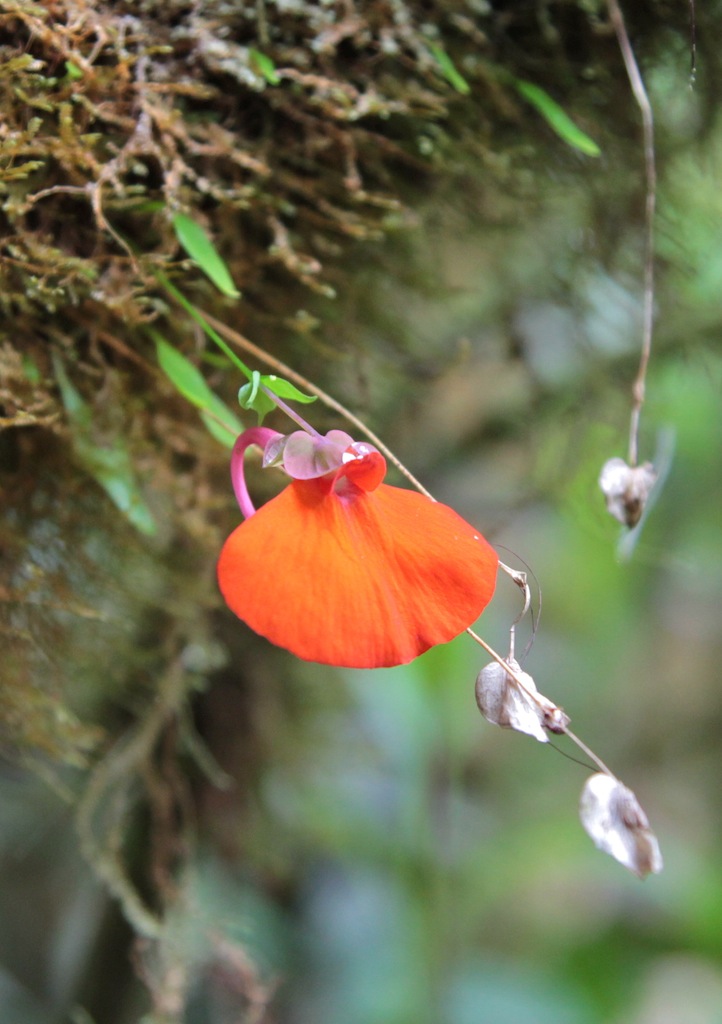
Table of Contents
Use only distilled water, reverse osmosis (RO), or rainwater — ideally under 50 ppm TDS. Tap water, bottled mineral water, and softened water contain calcium, magnesium, and sodium that accumulate in the substrate and kill carnivorous plants within weeks. This is the #1 cause of cultivation failure.
Introduction & Discovery
Utricularia campbelliana is an epiphytic bladderwort of rare beauty and considerable horticultural challenge, native to the mist-shrouded tepui summits of the Guiana Highlands in Venezuela and adjacent regions. This species represents one of the most notable ecological adaptations in the plant kingdom: a carnivorous plant that has abandoned terrestrial life to grow perched on mossy branches and in the water-filled leaf axils of bromeliads in cloud forests, hunting microscopic prey in ephemeral pools hundreds of meters above the ground. The flowers of U. campbelliana are striking, producing vivid red to scarlet blooms that are among the most intensely colored in the entire genus, rivaled only by its close relative U. quelchii. These brilliant flowers, which emerge from the mossy substrate on slender scapes, appear almost impossibly exotic against the primeval backdrop of the tepui cloud forests. The species takes its name from a collector who obtained specimens in the highlands of British Guiana. For carnivorous plant enthusiasts, U. campbelliana represents the pinnacle of bladderwort cultivation challenge, requiring the precise combination of cool temperatures, high humidity, bright but filtered light, and excellent air circulation that characterizes its cloud forest home. Those who succeed in growing this species are rewarded with one of the most visually spectacular bladderworts in existence, a living reminder that the genus Utricularia has conquered ecological niches far beyond the waterlogged soils and quiet ponds typically associated with carnivorous plants.
Discovery & Naming
Utricularia campbelliana was described by the prolific American botanist Benjamin Lincoln Robinson in 1895, based on specimens collected from the highlands of what was then British Guiana, now the nation of Guyana. The species was named in honor of its collector, who obtained material from the tepui region that straddles the borders of Venezuela, Guyana, and Brazil. The tepui highlands, with their flat-topped sandstone mountains rising dramatically above the surrounding lowlands, had long fascinated European naturalists, and expeditions to these remote summits during the nineteenth and early twentieth centuries yielded a notable haul of botanical novelties. Peter Taylor, in his 1989 monograph on Utricularia, placed U. campbelliana within section Orchidioides, a group of predominantly epiphytic Neotropical bladderworts characterized by their large, colorful flowers and their habit of growing on mossy substrates in cloud forests. Taylor recognized the species as closely related to U. quelchii, another red-flowered epiphytic bladderwort from the same region, differing primarily in details of floral morphology. Subsequent field work by Venezuelan and international botanists has documented U. campbelliana from several tepui summits, including Roraima, Kukenaam, and associated highlands, refining our understanding of its distribution and ecology. The species remains relatively rare in cultivation, with most plants in the hobby traceable to a limited number of collections made during field expeditions. Its rarity, combined with its extraordinary beauty and demanding cultivation requirements, has made U. campbelliana one of the most coveted species among serious bladderwort collectors.
Trapping Mechanism
The bladder traps of Utricularia campbelliana are adapted to function in the thin films of water associated with its epiphytic habitat, capturing microorganisms that inhabit the moisture layer on mossy branches and in the tiny pools that accumulate in leaf axils and crevices. Each trap is a small bladder, typically under one millimeter in diameter, borne on the stolons that thread through the moss and organic debris of the epiphytic substrate. The mechanism operates on the universal bladderwort principle of hydraulic suction: specialized glands pump water out of the sealed bladder, creating an internal partial vacuum that stores elastic potential energy in the concave bladder walls. When a microorganism touches the trigger hairs on the external face of the trapdoor, the door buckles inward with extraordinary speed, and the rush of water and prey into the bladder occurs in less than one millisecond. This suction event is among the fastest known movements in the plant kingdom, and its speed is essential for capturing the small but motile organisms that constitute the prey base in this unusual habitat. The epiphytic lifestyle of U. campbelliana adds an additional dimension to the trap ecology. The moisture films on mossy branches support a specialized community of microorganisms different from those found in terrestrial soils or open water, including various protozoa, rotifers, and the microscopic larvae of invertebrates associated with epiphytic moss communities. The traps must function effectively in these thin, often intermittent moisture films, a constraint that may have influenced the evolution of trap size and sensitivity in this lineage. Following capture, digestion proceeds via the standard enzymatic pathway, with the absorbed nutrients supplementing the extremely limited mineral supply available to an epiphytic plant growing on decaying organic matter.
Native Range & Distribution Map
Distribution map showing the native range of Utricularia campbelliana.
Biology & Trapping Mechanism
Utricularia campbelliana exhibits the specialized morphology of the epiphytic bladderworts in section Orchidioides, combining the reduced vegetative body plan characteristic of the genus with adaptations for life in the cloud forest canopy. The stolons are somewhat more robust than those of many terrestrial species, reflecting the need to anchor the plant in the mossy, often vertical substrates of its epiphytic habitat. These stolons branch extensively through the moss mat, bearing both bladder traps and modified leaf-like organs that may be photosynthetically active when exposed to light at the moss surface. Some leaves are more developed than in many bladderwort species, being ovate to reniform and several centimeters in length, providing meaningful photosynthetic area. True roots are absent, consistent with the genus-wide condition. The flowers are the most conspicuous feature, being large for the genus at up to three centimeters, and displaying a vivid red to scarlet coloration that is rare in the predominantly yellow, purple, and white-flowered genus. The bilabiate flowers have a prominent lower lip and a curved spur containing nectar, and are thought to be pollinated by hummingbirds or large insects in the wild, though confirmed pollination studies are lacking. Self-pollination may occur but appears to be less reliable than in many bladderwort species. The fruit is a capsule containing minute seeds adapted for wind dispersal, which is essential for colonizing the scattered epiphytic habitats on which the species depends. The growth rate is slow compared to the weedy terrestrial bladderworts, reflecting the nutrient-limited conditions of the epiphytic environment and the cool temperatures of the cloud forest habitat.
Prey & Feeding Ecology
The prey ecology of Utricularia campbelliana reflects its unusual epiphytic lifestyle, with the bladder traps capturing microorganisms that inhabit the thin moisture films on mossy branches and in the miniature aquatic habitats formed by bromeliad tanks and bark crevices in cloud forests. These ephemeral microhabitats support specialized communities of protozoa, rotifers, nematodes, and other microscopic organisms adapted to the fluctuating conditions of the epiphytic environment. Protozoa, including various ciliates and flagellates that graze on bacteria and algae in the moss water, are likely primary prey items, their active movement through the moisture films bringing them into contact with trap triggers. Rotifers, which are abundant in the water films associated with epiphytic mosses, are also captured regularly. The larvae of tiny dipterans and other insects that breed in the moisture associated with moss mats represent a potential prey source, though the small trap size limits captures to the earliest larval instars. In bromeliad tanks, where U. campbelliana stolons may extend into the accumulated water, a richer microfaunal community including mosquito larvae, copepods, and ostracods may contribute to the diet. The nutritional importance of carnivory to U. campbelliana is likely substantial, as the epiphytic habitat provides minimal mineral nutrition from the decaying organic matter that constitutes the growing substrate. Nitrogen and phosphorus obtained through prey capture supplement the meager supply available from atmospheric deposition and leachate from decomposing plant material, enabling the species to thrive in a nutrient environment that would be marginal for non-carnivorous plants.
Comparison with Similar Species
Within section Orchidioides, Utricularia campbelliana is most closely related to U. quelchii, which shares its tepui cloud forest habitat and red-flowered habit. The two species can be distinguished by details of floral morphology, with U. quelchii typically producing somewhat broader and more deeply colored flowers. Both species share similar cultivation requirements and present comparable challenges to the grower. U. humboldtii, another member of section Orchidioides, differs in its much larger size and purple rather than red flowers, and its habit of growing specifically in the large water-filled rosettes of Brocchinia bromeliads. U. nelumbifolia, an epiphytic species from the Brazilian Atlantic Forest, shares the epiphytic habit but occupies a different geographic and ecological niche. Compared to the terrestrial bladderworts like U. bifida, U. bisquamata, or U. subulata, U. campbelliana represents a fundamentally different ecological strategy, having abandoned the soil entirely to colonize the cloud forest canopy. The contrast with the large aquatic species like U. macrorhiza is equally dramatic, illustrating the extraordinary range of habitats that bladderworts have colonized using the same fundamental trap mechanism. In terms of cultivation difficulty, U. campbelliana sits near the apex of the challenge spectrum, demanding conditions that few other commonly cultivated bladderworts require. Only the most demanding highland tepui species present comparable cultivation challenges, making U. campbelliana a benchmark against which a grower's skill and dedication can be measured.
Reproduction & Propagation
Propagation of Utricularia campbelliana is a slow and delicate process, reflecting the species' generally slow growth rate and demanding cultural requirements. Stolon division is the most reliable method, performed by carefully separating portions of the moss substrate containing healthy, actively growing stolons. The fragments should be at least several centimeters in length and include visible growing tips. Transfer them to small containers of fresh live sphagnum, maintaining the same temperature, humidity, and light conditions as the parent plant. Establishment is slow, and it may be several weeks before new growth becomes apparent. During this period, avoid disturbing the divisions and maintain stable environmental conditions. Patience is essential, as recently divided plants are more vulnerable to environmental stress and disease than established specimens. Seed propagation is theoretically possible but rarely practiced due to the difficulty of obtaining viable seed in cultivation. Self-pollination may not be reliable in U. campbelliana, and hand pollination using a fine brush to transfer pollen between flowers may be necessary. If seeds are obtained, they should be sown on the surface of moist sphagnum and maintained under the same cool, humid conditions required by the adult plant. Germination may be slow and unpredictable, and seedling growth is extremely gradual. Some specialist growers have experimented with tissue culture propagation, which offers the potential for producing larger numbers of plants from small amounts of starting material. This technique requires sterile laboratory conditions and specialized media but can be valuable for multiplying rare clones. Regardless of the propagation method used, the key to success is maintaining the precise environmental conditions that U. campbelliana requires throughout the process.
Cultivation & Substrate
Cultivating Utricularia campbelliana is one of the greatest challenges in the carnivorous plant hobby, requiring a precise recreation of the cool, humid cloud forest conditions of its native tepui habitat. The growing medium should consist of live sphagnum moss, chopped long-fiber sphagnum, and perlite, maintained in a shallow container that allows excellent drainage while retaining consistent moisture. Some growers use pure live sphagnum, which provides both a substrate and a humidity-regulating medium that mimics the natural moss mat habitat. Temperature is the most critical cultural factor: U. campbelliana requires cool conditions, with daytime temperatures of fifteen to twenty-two degrees Celsius and nighttime drops to ten to sixteen degrees. Sustained temperatures above twenty-five degrees can cause decline, and prolonged exposure above thirty degrees is usually fatal. This temperature requirement largely restricts successful cultivation to highland greenhouses, cooled growing chambers, or naturally cool climates. Humidity should be maintained above seventy percent at all times, ideally above eighty percent, using enclosed growing chambers, foggers, or ultrasonic humidifiers. Air circulation is equally important; stagnant conditions promote fungal disease that can quickly destroy the plant. A gentle, continuous air flow provided by small fans is essential. Light should be bright but filtered, equivalent to the dappled illumination of a cloud forest understory. Direct intense sunlight is harmful. Under artificial lighting, moderate-intensity LEDs operated for twelve hours daily provide adequate illumination. Water quality must be pristine, using only distilled or reverse osmosis water. The species grows slowly even under optimal conditions, and patience is essential. Flowering requires well-established plants maintained in excellent health for extended periods.
Substrate: Live sphagnum, peat + sand, or aquatic
Water: Distilled / Rainwater only — NEVER tap water
Light: Bright indirect to full sun
Humidity: 60-95%
Common Mistakes to Avoid
The most frequent and fatal mistake in cultivating Utricularia campbelliana is failure to provide sufficiently cool temperatures. This species is adapted to the cool cloud forests of the tepui highlands and cannot survive in the warm conditions that suit most tropical carnivorous plants. Growers in tropical lowland climates or warm indoor environments will find that the plant declines rapidly without active cooling. A dedicated cooling system, highland greenhouse, or naturally cool climate is essentially mandatory. The second most common error is insufficient humidity. U. campbelliana requires consistently high humidity above seventy percent, and the dry air of most indoor environments, particularly those with central heating or air conditioning, is inadequate. A sealed or semi-sealed growing chamber with humidity control is necessary in most situations. Poor air circulation compounds the humidity problem, as stagnant, moist air promotes fungal disease that can destroy the plant rapidly. Many growers who achieve the right temperature and humidity fail on air circulation, losing their plants to Botrytis or other fungal pathogens. Excessive light is another common error; while the plant needs adequate illumination, the intense direct light tolerated by many terrestrial bladderworts is harmful to this cloud forest species. Bright, filtered light is the correct approach. Overwatering the growing medium, particularly if using substrates without adequate drainage, creates waterlogged conditions that promote root zone pathogens. The medium should be moist but not saturated, with good aeration throughout. Finally, impatience is a significant factor in failure. U. campbelliana grows slowly and may take considerable time to establish and flower. Constantly disturbing the plant through unnecessary repotting or inspection disrupts its delicate stolon network.
Seasonal Considerations
Utricularia campbelliana comes from a climate of limited seasonality, with cool, humid conditions prevailing year-round on the tepui summits. In cultivation, the goal is to maintain as stable an environment as possible throughout the year, minimizing temperature and humidity fluctuations. During summer in temperate climates, the primary challenge is preventing temperatures from rising above the species' comfort zone of fifteen to twenty-two degrees Celsius. Active cooling through air conditioning, Peltier coolers, or placement in naturally cool locations such as basement growing rooms becomes essential during warm spells. Humidity may also drop during summer if growing in open greenhouses, requiring supplemental misting or fogging. During winter, maintaining adequate warmth becomes the concern in unheated growing spaces, as temperatures below eight degrees can damage the plant. A minimum of ten to twelve degrees at night and fifteen degrees during the day should be maintained. Winter humidity is generally easier to maintain in enclosed growing chambers, and the lower ambient temperatures may actually benefit the plant. Lighting should be consistent year-round at twelve hours per day under artificial illumination. The species does not require or benefit from a dormancy period, and any interruption of favorable conditions represents a setback rather than a natural resting phase. Watering remains constant throughout the year: keep the sphagnum substrate moist but not waterlogged, using pure water exclusively. Growth is slow but should be perceptible throughout the year, with new stolons and occasionally new leaves emerging from the moss surface. Flowering, when it occurs, may happen at any time of year and is more dependent on overall plant health and vigor than on seasonal cues.
Seasonal Care Calendar
🌱 Spring (Mar-May)
Water: Moderate
Feeding: No feeding
Monitor growth and adjust care as needed.
☀️ Summer (Jun-Aug)
Water: Moderate
Feeding: No feeding
Monitor growth and adjust care as needed.
🍂 Autumn (Sep-Nov)
Water: Moderate
Feeding: No feeding
Monitor growth and adjust care as needed.
❄️ Winter (Dec-Feb)
Water: Moderate
Feeding: No feeding
Monitor growth and adjust care as needed.
Diseases & Pests
Utricularia campbelliana is susceptible to several diseases that are exacerbated by the high-humidity growing conditions the species requires. Botrytis gray mold is the most frequent and destructive pathogen, thriving in the cool, humid environment that U. campbelliana demands. Botrytis appears as a fuzzy gray mycelium on leaves, stolons, and particularly on flower scapes and blooms, causing rapid tissue collapse. Prevention through excellent air circulation is the primary defense, and any affected tissue should be removed immediately upon detection. Fungicidal treatments may help but must be used cautiously on this sensitive species. Pythium and Phytophthora oomycete pathogens can attack the stolons in waterlogged conditions, causing progressive rot. Maintaining adequate drainage and avoiding substrate saturation reduces this risk. If rot is detected, removing healthy tissue to fresh substrate and improving drainage conditions may save the plant. Bacterial infections can also occur in warm, stagnant conditions, causing soft, malodorous decay of affected tissues. Algal and cyanobacterial growth on the sphagnum surface is a common cosmetic issue that can impede plant growth if excessive. Maintaining moderate light levels and good air circulation helps control this problem. The sphagnum substrate itself can become a source of problems as it decomposes, becoming compacted and potentially harboring pathogens. Regular replacement of the sphagnum, typically every six to twelve months, helps maintain a healthy growing environment. Pest problems are generally minimal in the cool growing conditions required by this species, though the occasional appearance of fungus gnats or shore flies may warrant attention.
Indoor Growing & Terrariums
Growing Utricularia campbelliana successfully indoors is among the most challenging endeavors in carnivorous plant cultivation, requiring a dedicated growing setup that recreates the cool, humid cloud forest conditions of its native habitat. The species is not suited to windowsill culture or standard indoor conditions due to its strict temperature and humidity requirements. A dedicated growing chamber is essentially mandatory for indoor success. This can be a modified aquarium or terrarium equipped with a cooling system such as a Peltier cooler or thermoelectric wine cooler converted to a growing chamber, capable of maintaining temperatures between fifteen and twenty-two degrees Celsius. Humidity must be maintained above seventy percent, preferably above eighty percent, using an ultrasonic humidifier or fogger. Air circulation via small computer fans is non-negotiable to prevent fungal disease. Lighting should be moderate-intensity LED, providing bright but not intense illumination for twelve hours daily. The growing chamber should be positioned away from direct sunlight and heat sources. Despite these demanding requirements, a well-designed indoor growing system can support excellent growth and even flowering of U. campbelliana. The key is investing in appropriate equipment and monitoring environmental conditions closely, adjusting cooling, humidity, and ventilation as needed. For enthusiasts who are willing to make this investment, the reward is one of the most beautiful and unusual plants in cultivation, a genuine cloud forest treasure that few growers outside specialized botanical institutions can claim to grow successfully.
Terrarium Setup
A dedicated terrarium or growing chamber offers the best prospect for successfully cultivating Utricularia campbelliana, as it allows precise control of the temperature, humidity, and air circulation that this demanding species requires. The ideal setup is a modified terrarium or converted display refrigerator that provides both cooling and humidity control. The enclosure should be at least forty by thirty by thirty centimeters and equipped with a small Peltier cooler or thermoelectric cooling device to maintain temperatures in the fifteen to twenty-two degree range. A substrate of live sphagnum moss, two to three centimeters deep, placed over a thin drainage layer of perlite or LECA provides the ideal growing medium. The water level should be maintained below the sphagnum surface, keeping the moss moist but not waterlogged. An ultrasonic fogger or small humidifier connected to a humidity controller maintains the required eighty percent relative humidity. Crucially, one or more small computer fans must provide gentle but continuous air circulation to prevent fungal growth. Lighting should be moderate-intensity LED, providing approximately three thousand to five thousand lux at the plant level, operated for twelve hours daily. The terrarium can be designed as a cloud forest diorama, incorporating other cool-growing epiphytic plants such as small orchids, miniature ferns, and mosses alongside the Utricularia. Mounting U. campbelliana stolons on a piece of tree fern fiber or cork bark covered with live sphagnum creates a naturalistic display that mimics the species' epiphytic habit. Regular maintenance includes monitoring temperature and humidity, removing spent growth, refreshing the sphagnum as it decomposes, and ensuring the ventilation system functions properly.
Landscape & Bog Garden Use
Depending on climate, Utricularia campbelliana may be grown outdoors in a bog garden or container water tray during the growing season.
Conservation & Collector Notes
Utricularia campbelliana faces significant conservation concerns related to the vulnerability of its highly specialized cloud forest habitat. While it has not been formally assessed by the IUCN, the species' restricted distribution on a limited number of tepui summits and upper slopes, combined with the emerging threats to these habitats, places it in a precarious position. Climate change represents perhaps the most insidious threat, as rising temperatures could shift the cloud base upward, reducing the zone of persistent cloud immersion on which the tepui cloud forests depend. Even modest changes in temperature and moisture patterns could dramatically alter the epiphytic communities that support U. campbelliana, potentially pushing the species toward extinction on lower-elevation tepuis while leaving nowhere to migrate on the highest summits. Mining exploration in the Guiana Shield region poses a direct threat to tepui ecosystems, with deposits of coltan, gold, and other minerals attracting commercial interest in areas of high biodiversity value. Tourism, while providing economic incentives for conservation, can cause localized damage to fragile summit habitats through trampling, waste, and the introduction of invasive species. The Venezuelan national park system, including Canaima National Park, provides some protection for the major tepui formations, but enforcement is inconsistent and political instability in the region has complicated conservation efforts. The species' rarity in cultivation means that ex-situ conservation is limited, and efforts to increase the representation of U. campbelliana in botanical garden collections and specialist nurseries would be valuable insurance against wild population declines.
Collector Notes
Utricularia campbelliana is one of the most coveted species in the carnivorous plant collecting community, its combination of extraordinary beauty, extreme rarity in cultivation, and formidable growing challenge making it a true prize for the dedicated hobbyist. The species is seldom offered commercially and most plants in cultivation are traceable to a small number of original collections. Acquisition typically requires networking within the specialist bladderwort collecting community and may involve waitlists or exchange arrangements with other growers who maintain established plants. The species' demanding cultural requirements mean that it is best attempted only by experienced growers who have already mastered the cultivation of less challenging bladderworts and have the equipment and space to provide cool, humid growing conditions. In a collection, U. campbelliana represents section Orchidioides and the extraordinary tepui flora, making it one of the most biogeographically and ecologically significant species that can be maintained. For exhibition, a well-grown specimen in flower is virtually guaranteed to attract attention and admiration. The vivid red flowers, produced on slender scapes emerging from a bed of live sphagnum, create a display that is difficult to rival in the carnivorous plant world. Collectors should be aware that U. campbelliana is closely related to U. quelchii, another red-flowered tepui epiphyte, and maintaining both species provides an opportunity to compare these closely allied but distinct forms and appreciate the radiation of epiphytic bladderworts in the Guiana Highlands.
Ethnobotany & Cultural Significance
The ethnobotanical significance of Utricularia campbelliana is inseparable from the cultural importance of the tepui highlands to the indigenous peoples of the Guiana region. The Pemon people, who have inhabited the Gran Sabana at the base of the tepuis for centuries, consider many of these mountains sacred and incorporate them into their creation myths and spiritual traditions. The summit plateaus, where U. campbelliana grows among the mosses and bromeliads, are often regarded as the dwelling places of spirits and are approached with reverence. While specific use or recognition of the bladderwort by the Pemon is not documented in the ethnobotanical literature, the cloud forest ecosystems of the tepuis are valued as places of spiritual power and ecological importance. European exploration of the tepuis, beginning in the nineteenth century with expeditions by Robert Schomburgk, Everard im Thurn, and others, brought these remote mountains to international attention and inspired Arthur Conan Doyle's novel The Lost World. The botanical discoveries made during these expeditions, including many endemic species, contributed to the scientific understanding of the Guiana region as a center of exceptional biodiversity. In the modern context, U. campbelliana serves as a flagship species for the unique biodiversity of the tepui cloud forests, its beauty and rarity making it an effective ambassador for conservation of these threatened habitats. The species' presence in specialist collections worldwide maintains a living connection to these remote and endangered ecosystems, raising awareness of their value among a global community of plant enthusiasts.
Frequently Asked Questions
Can I grow Utricularia campbelliana in a regular terrarium without cooling?
This depends entirely on your ambient temperatures. If your home or growing space naturally maintains temperatures between fifteen and twenty-two degrees Celsius year-round, an enclosed terrarium with high humidity and good air circulation may suffice. However, in most climates, summer temperatures will exceed the species' tolerance without active cooling, making a temperature-controlled growing chamber necessary for long-term success.
Why are the red flowers so unusual in Utricularia?
Red-flowered bladderworts are extremely rare, with U. campbelliana and the closely related U. quelchii being the most notable examples. The red coloration is thought to be an adaptation to attract hummingbird pollinators in the cloud forest habitat, similar to the evolution of red flowers in many other tropical plant families. Most bladderworts produce yellow, purple, or white flowers pollinated by insects.
How long does it take for Utricularia campbelliana to flower?
Flowering in U. campbelliana requires a well-established plant in excellent health, and this can take one to several years from division under optimal conditions. The species grows slowly compared to terrestrial bladderworts, and rushing the process by adjusting conditions is unlikely to be effective. Patience and consistent, high-quality care are the best approach to achieving flowers.
Can I mount Utricularia campbelliana on a branch like an orchid?
Yes, this is an excellent way to grow U. campbelliana and mimics its natural epiphytic habit. Wrap the stolons in a pad of live sphagnum moss and secure them to a piece of tree fern fiber, cork bark, or a mossy branch using nylon fishing line or cotton thread. The mounted plant should be maintained in a humid growing chamber with regular misting to keep the sphagnum moist. This approach provides the excellent drainage and aeration the species requires.
Is Utricularia campbelliana worth the difficulty of cultivation?
For enthusiasts who are passionate about rare plants and enjoy the challenge of recreating specific ecological conditions, U. campbelliana is absolutely worth the effort. The vivid red flowers are among the most spectacular in the genus, and successfully growing this cloud forest species is a genuine achievement. However, it is not a species for beginners or casual growers, and the investment in cooling and humidity equipment should be considered before acquisition.
Explore Our Other Encyclopedias
12,000+ expert articles on tropical & exotic plants
Quick Reference Summary: Utricularia campbelliana
Golden Rule: Pure water, poor soil, maximum light. If you remember nothing else, remember this.
Utricularia campbelliana is a rare and stunning epiphytic bladderwort from the tepui cloud forests of the Guiana Highlands, producing vivid red flowers that are among the most spectacular in the entire genus. Requiring cool temperatures between fifteen and twenty-two degrees, high humidity, and excellent air circulation, it represents one of the greatest cultivation challenges in the carnivorous plant hobby. This species is a prized jewel of serious collections, embodying the extraordinary ecological diversity achieved by bladderworts in their conquest of habitats from underground soils to cloud forest canopies.