Bambusa nutans (Nodding Bamboo): Complete Care & Growing Guide
Bambusa nutans
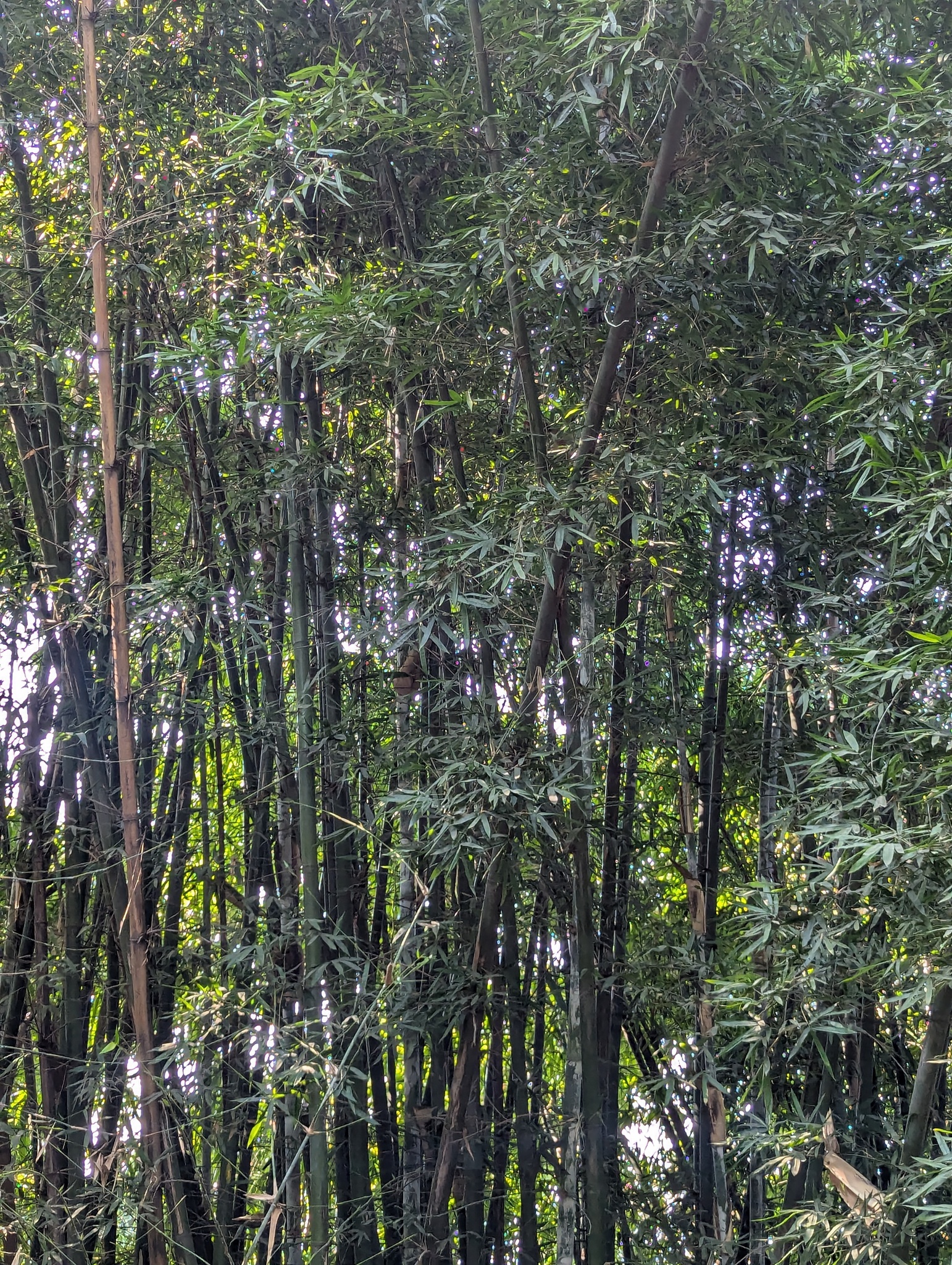
Bambusa nutans (Nodding Bamboo) (Source: inaturalist)
1. Introduction & Taxonomy
Bambusa nutans is one of the most elegant and commercially valuable bamboo species in South Asia, distinguished by its slender, gracefully nodding culms that reach 6–15 meters in height and 5–10 cm in diameter. This sympodial (clumping) bamboo is widely cultivated across the Indian subcontinent for its high-quality culms used in construction, paper pulp, and cottage industries, and it produces some of the most highly regarded edible shoots of any bamboo species. Native to the eastern Himalayan foothills, it thrives in tropical to warm-temperate climates and is considered one of the best all-purpose bamboos for tropical agroforestry. Bambusa nutans is notable for with culms reaching 12 m in height, culm diameter up to 7 cm, valued for construction, handicrafts.
A medium to large, densely clustering bamboo native to India and southeast Asia with straight, smooth culms to more than 12 m (40 ft.) tall and to 7 cm (3 in.) in diameter. The long leaves can reach a length of 30 cm (12 in.) The thick-walled culms are used for construction and handicrafts. It is suitable for cultivation in tropical and warm temperate climates in USDA Zones 10 and above.
Taxonomic Classification
Habitat and Distribution
Bambusa nutans is native to Bambusa nutans is native to the eastern Himalayan region, including Nepal, Bhutan, northeastern India (Sikkim, Assam, West Bengal, Meghalaya, Arunachal Pradesh), Bangladesh, and northern Myanmar. It occurs naturally in moist tropical to subtropical forests at elevations from 200 to 1,500 meters.. Bamboos occupy a wide range of habitats, from tropical lowland forests to high-altitude montane cloud forests, and from riverbanks to dry deciduous forests.
Botanical Note: Bamboos belong to the grass family Poaceae, subfamily Bambusoideae. With over 1,400 species in about 115 genera, bamboos are the largest and most diverse group of grasses. Bambusa is a major genus of tropical clumping bamboos with over 100 species, characterized by thick-walled culms used extensively in construction throughout Asia. Unlike running bamboos, Bambusa species have pachymorph (sympodial) rhizomes that form dense clumps.
Native Range & Distribution Map
The map below shows the native range and notable cultivation regions for Bambusa nutans.
2. Biology & Morphology
<\!-- SIZE_COMPARISON_SVG -->Culm Architecture & Growth Form
Bambusa nutans is a clumping bamboo with a pachymorph (sympodial) rhizome system that produces culms in dense, tight clusters. New culms emerge at the edge of the clump each growing season, reaching their full height in just a few months. The culms are woody, segmented by nodes, and hollow between nodes.
Rhizome System
Clumping bamboos like Bambusa nutans have pachymorph (sympodial) rhizomes. Each new rhizome turns upward to become a new culm at the edge of the existing clump, resulting in a dense, expanding circle of culms that grows outward slowly and predictably.
Monocarpic Flowering
One of the most notable aspects of bamboo biology is monocarpic (gregarious) flowering. Most bamboo species flower only once in their lifetime, after cycles of 30 to 120 years. When flowering occurs, all plants of that species worldwide may flower simultaneously, produce seed, and then die. This phenomenon remains one of botany's great mysteries. The resulting mass seed production can trigger ecological disruptions including rodent population explosions.
Key Characteristics
- Culm Height: 5-12 m
- Culm Diameter: 7 cm
- Growth Habit: Clumping (Pachymorph Rhizome)
- Growth Rate: Fast under optimal conditions
Anatomical Insight: Bamboo culms do not increase in diameter after emerging. A new culm emerges at its final diameter and grows only in height, sometimes at astonishing rates — Dendrocalamus species have been recorded growing over 90 cm in a single day. The culm wall is composed of vascular bundles embedded in a matrix of parenchyma cells, giving bamboo its notable strength-to-weight ratio — superior to steel in tension.
Notable Adaptations
The culms are thin to moderately thick-walled, initially erect then gracefully arching (nodding) at the tips, covered with deciduous culm sheaths bearing stiff brown hairs. The pachymorph rhizome system produces moderately open clumps with short to medium rhizome necks, typically containing 30–60 culms per mature clump. Flowering is gregarious and monocarpic, reported on cycles of approximately 35–40 years; the most recent widespread flowering in the eastern Himalayas occurred in the early 2000s.
3. Reproduction & Propagation
<\!-- PROPAGATION_METHODS_SVG -->The primary propagation methods for Bambusa nutans: Division, culm cuttings, or seed (when available).
Vegetative Propagation
Clumping bamboos are best propagated by division of established clumps. Remove a section from the edge of the clump with 3-5 culms and attached rhizome. Offset division in spring gives best results. Culm cuttings are also possible for some species.
Seed Propagation
Bamboo seeds are extremely rare because most species flower only once every 30-120 years (monocarpic flowering). When seeds are available, sow fresh — bamboo seed viability drops rapidly, often within weeks. Sow on the surface of moist, well-draining compost at 20-28°C. Germination typically occurs within 7-21 days for fresh seed.
Propagating Bambusa nutans
Offset division with attached rhizome during the pre-monsoon period (April–June) gives the highest success rate, typically above 90%. Culm cuttings from 1–2 year old culms with 2–3 nodes root well in sand beds with intermittent mist, achieving 60–75% success when treated with rooting hormone (IBA at 100–200 ppm). Seeds, when available from rare flowering events, germinate within 7–14 days and seedlings grow vigorously, reaching transplantable size within 6–8 months.
Bamboo Flowering Mystery: The synchronous flowering of bamboo species across vast geographic areas remains one of the most puzzling phenomena in botany. When Phyllostachys edulis last flowered in the 1960s, plants in China, Japan, and Europe all flowered simultaneously despite being propagated vegetatively for centuries. The biological clock mechanism behind this is still not fully understood.
Propagation Tips: (1) Use fresh seed immediately — viability drops within 2-4 weeks. (2) Division is the most reliable method; do it in spring. (3) Keep divisions moist and shaded for the first 4-6 weeks. (4) Culm cuttings work best from 1-2 year old culms. (5) Air layering is also possible for some species.
4. Cultivation Requirements
<\!-- CULTIVATION_SVG -->Bambusa nutans prefers deep, well-drained sandy loam to clay loam soils with pH 5.5–7.0 and grows best with annual rainfall of 1,200–2,500 mm or equivalent irrigation. It is a heavy nitrogen feeder—apply 100–150 g urea per clump in two split doses, supplemented with 5–10 kg of compost or FYM annually per clump. Space clumps 6–8 meters apart for timber production or 4–5 meters for hedgerow/shoot production; full sun produces the straightest, strongest culms.
Soil / Substrate
Rich, well-draining tropical soil. A mix of loam (40%), compost (30%), perlite (20%), and sand (10%) works well. Giant bamboos are heavy feeders that respond dramatically to rich soil and abundant moisture. Mulch heavily with organic matter.
Watering
Tropical bamboos need abundant water during the growing season, especially in the first 2-3 years. Once established, large clumping bamboos can tolerate brief dry periods, but consistent moisture produces the largest culms. Deep watering 2-3 times per week is ideal in summer.
Light Requirements
Most bamboos prefer full sun (6+ hours direct sunlight) for optimal growth. In tropical regions, some shade tolerance is possible, but culm size and density decrease in shaded conditions.
Temperature
- Optimal Growth: 22-35°C (72-95°F)
- Minimum Tolerance: -2°C (28°F)
- USDA Hardiness: Zones 10-12
Fertilization
Bamboos are grasses and respond very well to nitrogen-rich fertilizers. Apply a high-nitrogen fertilizer (e.g., NPK 20-5-10) in spring and again in midsummer. Organic options include composted manure, blood meal, or lawn fertilizer. Giant species benefit from monthly feeding during the growing season. Stop fertilizing 6-8 weeks before your first expected frost.
Common Cultivation Mistake: Underwatering newly planted bamboo is the most common cause of failure. New bamboo plantings need consistent moisture for at least the first two growing seasons. Once established, bamboo is remarkably tough, but the establishment period is critical.
Seasonal Care Calendar
Follow this season-by-season guide for optimal bamboo care timing throughout the year.
🌱 Spring (March–May)
Apply first nitrogen fertilizer dose and compost as new shoots begin to emerge. Thin clumps by removing dead and the oldest culms (5+ years), cutting at the first node above ground. Check for early aphid or scale activity on new growth.
☀️ Summer (June–August)
Ensure deep, regular watering during the growing season—bamboo shoots are 90% water and require consistent moisture for quality growth. Apply second fertilizer dose midway through the monsoon season and refresh mulch around the clump base.
❄️ Winter (December–February)
Mulch the root zone heavily in areas prone to frost. Avoid pruning or disturbing clumps during dormancy. Plan propagation and planting activities for the coming monsoon season, preparing offset material and nursery beds as needed.
5. Diseases & Pests
Bamboo blight (caused by Sarocladium oryzae) can affect culm sheaths and young shoots during humid monsoon periods, causing brown lesions and shoot die-back. Bamboo hispid mites and red spider mites cause leaf bronzing and premature defoliation during hot, dry weather, reducing photosynthetic capacity. The bamboo borer beetle (Dinoderus minutus) and longhorn beetles (Chlorophorus annularis) attack both standing dead culms and harvested stems.
Major Diseases
Culm Rot & Root Rot (Fusarium, Pythium)
Caused by waterlogged soil or poor drainage. Affected culms show softening at the base and may collapse. Prevention: ensure excellent drainage and avoid planting in low-lying areas where water collects.
Bamboo Blight (Sarocladium oryzae)
A fungal disease causing dieback of culm tips and branch tips with brown, withered leaves. More common in dense plantings with poor air circulation. Remove affected culms and improve spacing.
Common Pests
- Bamboo Mites (Schizotetranychus celarius) — Cause distinctive streaked discoloration on leaves. Spray with miticide or horticultural oil.
- Bamboo Mealybugs — White, cottony clusters in culm sheaths and branch axils. Treat with systemic insecticide or isopropyl alcohol.
- Aphids — Sometimes cluster on new shoots; usually controlled by natural predators (ladybirds, lacewings).
- Scale Insects — Brown bumps on culms and branches. Scrape off or treat with horticultural oil.
- Bamboo Powder-post Beetles (Dinoderus) — Bore into harvested culms; not usually a problem in living plants. Treat harvested culms with borax solution.
Integrated Pest Management: (1) Maintain good air circulation by thinning old culms annually. (2) Remove fallen leaves and debris from the base of clumps. (3) Avoid overhead watering. (4) Inspect new plants for pests before adding to your garden. (5) Neem oil is effective against most soft-bodied bamboo pests.
Additional Disease & Pest Considerations
Sooty mold secondary to aphid honeydew can blacken leaves and reduce vigor; control the aphid population to eliminate the mold problem. Regular clump maintenance—removing old, damaged, and dead culms—is the single most effective disease prevention practice.
6. Indoor Growing Guide
While Bambusa nutans reaches 6–15 meters outdoors, it can be maintained as a semi-dwarf specimen in large containers (150–200 liters) for several years in bright conservatories or covered patios. Container-grown plants will remain much smaller (2–4 meters) but require excellent drainage, regular feeding, and will never achieve the characteristic nodding habit of mature outdoor specimens. True indoor culture in typical room conditions is not recommended due to insufficient light and humidity.
Container Selection
Use large, heavy containers (minimum 45-60 cm diameter) with excellent drainage. Bamboo roots are vigorous and can crack thin pots. Heavy concrete, glazed ceramic, or thick resin containers work best. Ensure at least 3-4 drainage holes.
Indoor Light
Bamboos need the brightest possible indoor location — a south-facing window or conservatory is essential. Without adequate light, bamboo becomes leggy, produces thin culms, and loses lower leaves. Full-spectrum grow lights can supplement natural light during winter.
Humidity & Air Circulation
Indoor bamboo benefits from elevated humidity (50%+). Brown leaf tips are the first sign of insufficient humidity. Group with other tropical plants, use a humidifier, or place on a pebble tray. Ensure good air circulation to prevent fungal issues.
Indoor Maintenance
- Spring: Resume regular feeding and increase watering. Repot if severely rootbound.
- Summer: Peak growth — water consistently, feed monthly. Move outdoors if possible for a summer boost.
- Autumn: Reduce feeding gradually. Growth slows as days shorten.
- Winter: Reduce watering, stop fertilizing. Keep in brightest location. Watch for spider mites in dry heated rooms.
Indoor Success Key: The #1 factor for indoor bamboo success is light. If you cannot provide at least 4-6 hours of direct sunlight daily, bamboo will decline slowly. Consider a conservatory or large south-facing window. Small Bambusa cultivars and compact Fargesia are the best choices for indoor culture.
7. Landscape Use & Design
The nodding bamboo is one of the most attractive bamboos for ornamental landscape use, with its graceful arching culms creating a fountain-like silhouette that is visually stunning as a specimen or grove planting. It makes an excellent living privacy screen when planted in rows at 4–5 meter intervals, and its clumping habit eliminates concerns about invasive spread. The species is also widely used in agroforestry systems, intercropped with fruit trees and vegetables in the eastern Himalayas.
Design Applications
- Privacy Screen: Dense clumps provide excellent visual and sound screening
- Windbreak: Bamboo's flexibility makes it an excellent windbreak — culms bend rather than break in strong winds
- Timber Grove: Large species can be grown as a sustainable timber resource, with mature culms harvested annually
- Erosion Control: The dense root system of bamboo is highly effective at stabilizing slopes and riverbanks
- Sound Barrier: Dense bamboo plantings reduce noise by 3-5 dB and the gentle rustling sound masks urban noise
Companion Planting
Create stunning compositions by pairing with:
- Palms — complementary tropical silhouettes at different heights
- Bananas (Musa, Ensete) — bold foliage contrast with bamboo's fine-textured leaves
- Heliconias — bright flowers against bamboo's green backdrop
- Ferns — delicate understorey beneath bamboo groves
- Ornamental Grasses — texture and movement contrast
- Japanese Maples — classic Asian garden aesthetic
Design Principle: Clumping bamboo is the safest choice for residential landscapes as it will not invade neighboring properties. Space clumps 2-4 m apart for a continuous screen, or use a single specimen as an architectural focal point.
8. Cold Climate Strategies
Bambusa nutans has somewhat better cold tolerance than many tropical Bambusa species, surviving brief exposure to −3°C to −5°C with leaf damage and dieback of young culm tips. In USDA zone 9a–9b, provide winter protection by mulching the root zone heavily (15–20 cm) and wrapping young culms with burlap or frost cloth during severe cold events. Established clumps in sheltered positions have been reported to survive occasional lows of −7°C in the Himalayan foothills, though with significant top damage.
Hardiness Thresholds
- USDA Zones: 10-12
- Minimum Survival Temperature: -2°C (28°F)
Overwintering Options
- In-Ground (hardy species): Apply 15-30 cm of dry mulch (straw, leaves, bark) around the base before first frost. This insulates the rhizome system — even if above-ground culms are damaged, the rhizomes will regenerate in spring.
- Container Culture: For tender species, grow in large containers and move to a frost-free greenhouse, garage, or bright indoor location for winter. Keep barely moist and do not fertilize during dormancy.
- Microclimate Placement: Plant against south-facing walls, near heated buildings, or in sheltered courtyards where radiated heat provides several degrees of extra protection.
- Wrapping: In borderline zones, wrap culms in horticultural fleece and mulch the root zone heavily. This is effective for gaining 3-5°C of extra protection.
Winter Survival Rule: Protect the root zone above all else. A bamboo that loses its above-ground culms to frost but retains living rhizomes will regenerate. A bamboo whose rhizomes freeze solid will die. Heavy mulch is the single most effective winter protection.
9. Ethnobotany & Cultural Significance
Bambusa nutans is the most important bamboo for the cottage industry and paper pulp sector in northeastern India and Nepal, where it supplies raw material for weaving, mat-making, and bamboo board manufacturing. The young shoots are considered among the finest-tasting bamboo shoots in the Himalayan region, fermented to make 'mesu' (a traditional Nepali condiment) and 'soibum' (a fermented shoot product from Manipur). In Nepali and Bhutanese culture, the species is integral to rural livelihoods, providing materials for housing, water pipes, and ceremonial structures.
Conservation Note: Bamboo is one of the most sustainable building materials on Earth, with some species growing over 1 m per day. By cultivating Bambusa nutans, you contribute to carbon sequestration and provide an alternative to slow-growing hardwood timber. Many bamboo species are threatened by habitat loss and the mass die-offs that follow monocarpic flowering events.
Frequently Asked Questions
What makes Bambusa nutans shoots special compared to other bamboo shoots?
B. nutans shoots are prized for their mild, slightly sweet flavor and tender texture with relatively low bitterness (lower cyanogenic glycoside content than many species). They are particularly valued for fermented preparations like Nepali 'mesu' and Manipuri 'soibum', which develop complex umami flavors. Nutritionally, the shoots are rich in dietary fiber, potassium, and B vitamins.
How long until a new Bambusa nutans planting produces harvestable culms?
From offset planting, you can expect the first harvestable culms in 3–4 years, with the clump reaching full productivity by year 6–8. Young clumps should not be harvested heavily—allow all shoots to develop into culms for the first 2–3 years to build clump biomass. Once established, harvest no more than 60–70% of mature culms annually to maintain clump vigor.
Is Bambusa nutans suitable for paper pulp production?
Yes, B. nutans is one of the most important bamboo species for paper and pulp in South Asia due to its fiber characteristics—moderate fiber length, good pulping properties, and high cellulose content. Culms are harvested at 2–3 years for pulp (before full lignification) and processed using kraft or soda pulping methods. Several paper mills in India and Nepal rely on this species as a primary raw material.
Summary & Key Takeaways
Bambusa nutans combines exceptional beauty with outstanding utility, earning its place as one of the most valued bamboo species across the eastern Himalayan region. Its graceful nodding habit, superb shoot quality, and versatile culms make it an ideal choice for tropical agroforestry, ornamental landscaping, and rural livelihoods.
Key Points to Remember:
- Propagation: Division (most reliable), culm cuttings, or seed (rare)
- Light: Full sun for best growth
- Substrate: Rich, well-draining soil with heavy organic mulch
- Watering: Regular deep watering during growing season
- Hardiness: USDA Zones 10-12, minimum -2°C (28°F)
- Containment: Not needed — clumping bamboo stays contained
- Key Threat: Root rot from waterlogged soil; rhizome damage from deep frost