Adenia volkensii: Complete Care & Growing Guide
Adenia volkensii
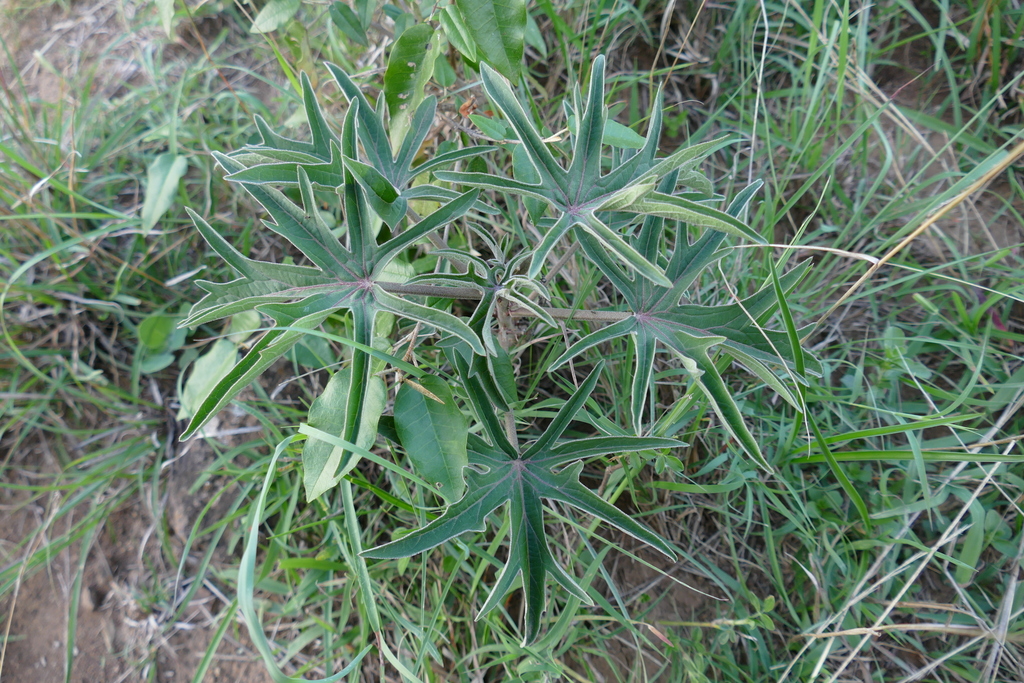
Adenia volkensii
1. Úvod a taxonómia
Bylinné celoročné, Adenia volkensii buduje trvalú koreňovú sústavu a korunu. Rast v každej sezóne čerpá z rezerv nahromadených počas predchádzajúceho roka.
Adenia je rod rastlín. Adenia je rod kvitnúcich rastlín z čeľade Passifloraceae (mučenky). Obsahuje asi 100 druhov rozšírených v tropických a subtropických oblastiach starého sveta. Centrá biodiverzity sa nachádzajú na Madagaskare, východnej a západnej tropickej Afrike a juhovýchodnej Ázii. Názov rodu Adenia pochádza z "aden", čo údajne bol arabský názov rastliny od Petra Forsskåla, autora tohto rodu.
Taxonomická klasifikácia
Habitat a distribúcia
Adenia volkensii je pôvodom z rôznych miernych a tropických oblastí.
Botanická poznámka: Tento druh patrí do jednej z mnohých čel'astí, ktoré zahŕňajú trvácne bylinné rastliny. Trvácne rastliny sú rastliny, ktoré žijú dlhšie ako dva roky, v zime odumierajú do základne (rastlinné) alebo si zachovávajú nadzemnú časť (ihličnaté stromy) a každoročne kvitnú.
Natívny rozsah a distribúcia Mapa
Mapa nižšie zobrazuje prirodzený areál rozšírenia a významné oblasti pestovania pre Adenia volkensii.
2. Biológia a morfológia
Rastová forma a architektúra
Adenia volkensii je trvácna bylina, ktorá vytvára dlhotrvajúci koreňový systém, z ktorého každý rok vyrastá nová vegetácia. Jej nadzemné časti môžu odumierať v zime (v chladnejších klímach) alebo zostať celoročne v miernejších podmienkach.
Hlavné charakteristiky
- Výška: 0.3-1m
- Rastové návyky: Bylinný perennial
- Miera rastu: Mierne v optimálnych podmienkach
- Fólia: Evergreen
Pozoruhodné úpravy
Po určení, Adenia volkensii venuje viac energie rastu a kvitnutiu ako jednoročná rastlina – jej koreňový systém pretrváva cez zimu a poskytuje výhodu na jar.
3. Rozmnožovanie a propagácia
Metóda primárneho šírenia Adenia volkensii: Semená a rozdelenie.
Propagácia Adenia volkensii
Za Adenia volkensii, osivo aj vegetatívne rozmnožovanie sú účinné. Semená by sa mali zasiať do dobre priepustnej zeminy za vhodných podmienok pre daný druh. Delenie na jar alebo na jeseň poskytuje okamžité výsledky. Odrezky kmeňa alebo koreňa môžu byť tiež úspešné v závislosti od druhu.
Semená Adenia volkensii by sa mali zasiať do dobre priepustnej zeminy. Udržiavajte teplotu 18–22°C a udržujte trvalo vlhkú, ale nie premočenú pôdu. Čas klíčenia sa pohybuje od 1 do 8 týždňov v závislosti od druhu a podmienok.
Vegetatívne rozmnožovanie
- divízia: Na jar alebo na jeseň možno deliť väčšinu trvácnych rastlín tvoriacich zhluky. Rastlinu vykopnite a oddelíte ju na časti, každú s koreňmi a vegetačnými bodmi.
- Rezanie: Mnohé trvácne rastliny sa rozmnožujú odrezkami špičky výhonu, základňových odrezkov alebo koreňovými odrezkami získanými počas vegetačného obdobia.
- Kompenzácie/bubny: Žiarovky a rastliny s hľuzami často vytvárajú prízemné výhony, ktoré je možné oddeliť a pestovať samostatne.
Tipy na propagáciu: (1) Používajte čisté a ostré nástroje na zamedzenie šírenia chorôb. (2) Udržiavajte stálu vlhkosť pre semená a odrezky. (3) Spodné vyhrievanie (18–22°C) zlepšuje zakoreňovanie a klíčenie. (4) Označte všetok rozmnožovací materiál názvom druhu a dátumom. (5) Postupne aklimatizujte mladé rastliny pred výsadbou do záhrady.
4. Požiadavky na pestovanie
Úspešné pestovanie Adenia volkensii začína pochopením jej prirodzeného stanovišťa. Prispôsobte pôdu, svetlo a vlhkosť čo najviac prirodzenému prostrediu rastliny. Pravidelné odstraňovanie odkvitnutých kvetov podporuje pokračujúce kvitnutie u mnohých trvácnych druhov.
Pôda/substrát
Fertilná, dobre priepustná pôda obohatená o organickú hmotu. Väčšina bylín rastie v kvalitnej záhradníckej zmesi. Zlepšite ťažkú hlinitú pôdu pridaním štrku a kompostu; piesočnatú pôdu zlepšite organickou hmotou, aby ste zvýšili zadržiavanie vlhkosti.
Zalievanie
Zalievajte pravidelne počas vegetačného obdobia, udržujte pôdu trvalo vlhkú, ale nie premočenú. V zime znížte zavlažovanie u listnatých druhov. Mulčovanie pomáha zadržiavať vlhkosť v pôde a potláča rast burín.
Požiadavky na svetlo
Plné slnko až čiastočný tieň v závislosti od druhu. Väčšina bylín najlepšie kvitne na plnom slnku (6+ hodín denne), ale mnohé tolerujú alebo uprednostňujú čiastočný tieň, najmä v teplých klimatických podmienkach.
Teplota
- Optimálny rast: 10
- Minimálna tolerancia: 3°C (27° F)
- USDA Tvrdosť: Zóna 9
Hnojenie
Počas vegetačného obdobia aplikujte vyvážené hnojivo. Každé 2–4 týždne pomôže všeobecné kvapalinové hnojivo podporiť zdravý rast a kvitnutie.
Pestovanie Tip: Pre väčšinu druhov je dôležitejšia priepustnosť pôdy ako jej bohatstvo.
Kalendár sezónnej starostlivosti
Sledujte tento sprievodca podľa sezón pre optimálnu starostlivosť počas celého roka.
Vysádzajte až po odznení rizika posledných mrazov. Začnite s prihnojovaním a zavlažovaním. Odstráňte všetky poškodené časti rastlín z vplyvom zimného počasia. Strihajte vrcholové púčiky pre hustejší porast.
- Leto (jún - august)
Pravidelne zalievajte a hnojte každé 2 týždne tekutým hnojivom. Odstraňujte odkvitnuté kvety, aby ste predĺžili kvitnutie. Sledujte výskyt škodcov. Odoberajte odrezky na rozmnožovanie.
Znížte zavlažovanie a prihnojovanie. Citlivé rastliny premiestnite do interiéru pred prvým mrazom. Odstráňte opadnuté listy. Naneste ochrannú mulčovacej vrstvu.
Zima (Február)
Rastlinám prezimujúcim v interiéri zabezpečte chladné, svetlé prostredie a miernu zálievku. Skontrolujte uložené cibuľky a hľuzy na znaky plesnivej hniloby. Naplánujte výsadbu na budúci rok. Objednávajte semienka včas.
5. Choroby a prekážky
Adenia volkensii je vo všeobecnosti odolná, ak sa pestuje za vhodných podmienok. Dôsledne dbajte na hygienu záhrady, zabezpečte vhodné zavlažovanie a poskytnite dostatočný priestor pre cirkuláciu vzduchu. Väčšina problémov pramení z nevhodných pestovateľských podmienok, nie zo špecifických patogénov.
Hubové choroby
Koreň Rot
Najbežnejšia príčina úhynu mnohých trvaliek. Premokrená pôda, nedostatočná drenáž a chladné, vlhké prostredie vytvárajú ideálne podmienky pre Pythium, Phytophthora a Fusarium. Prevencia: zabezpečte dobrú drenáž, zabráňte nadmernému zavlažovaniu a poskytnite dostatočný priestor pre cirkuláciu vzduchu.
Powdery Mildew
Bežné hubové ochorenie postihujúce mnohé trvalky, ktoré sa prejavuje bielymi, púdrovitými škvrnami na listoch. Podporujte dobrú cirkuláciu vzduchu, zalievajte pri koreni (nie po povrchu) a v prípade závažnosti ošetrite fungicídom.
Bežné pálenky
- vošky Malé hmyzíky sajúce rastlinnú šťavu, ktoré sa zhlukujú na novom raste a púčikoch kvetov. Kontrolujte pomocou insekticídneho mydla, neemového oleja alebo podporujte prirodzených dravcov (ladybugy, zlatoočka).
- Slimáky a slimáky Hlavné škodce trvaliek s mäkkými listami, najmä vo vlhkom prostredí. Používajte prípravky na slimákov, medené bariéry alebo pasce z piva.
- Roztoče pavúkov Malé škodce spôsobiace škvrnité a odtieňované listy. Častejšie sa vyskytujú v horúcich a suchých podmienkach. Zvýšte vlhkosť vzduchu a v prípade závažnosti použite akaricíd.
- Vine Weevil Dospelé jedince ohrýzajú okraje listov; larvy sa živia koreňmi (zvlášť ničivé pre rastliny v kvetináčoch). Použite biologickú ochranu (nematódy) alebo systémový insekticíd.
Integrovaný manažment škodcov: (1) Vyberte si odrody odolné voči chorobám, ak sú dostupné. (2) Dávajte pozor na dobrú hygienu záhrady – odstraňujte odumreté listy a nečistoty. (3) Zalievať pri koreni rastlín, nie zhora. (4) Podporujte prospešný hmyz výsadbou rôznych druhov. (5) Umiestnite nové rastliny do karantény pred ich pridávaním k už existujúcej výsadbe.
Ďalšie aspekty chorôb a škodcov
Integrovaná ochrana rastlín kombinuje agrotechnické postupy (kvalitná pôda, vhodné zavlažovanie, spoločné pestovanie), biologickú reguláciu (podpora prospešného hmyzu) a cielenej chemickej ochrany len v nevyhnutných prípadoch. Tento vyvážený prístup udržuje záhrady zdravé a zároveň minimalizuje dopad na životné prostredie.
6. Sprievodca pestovaním izbových rastlín
Adenia volkensii Je možné ich pestovať v nádobách na terasu alebo do skleníka. Zabezpečte dostatok svetla, pravidelnú zálievku počas vegetácie a pravidelné hnojenie. Rastliny v nádobách potrebujú častejšiu zálievku a hnojenie ako rastliny pestované záhradne.
Pestovanie kontajnerov
Vyberte nádoby s dobrými odvodňovacími otvormi. Použite kvalitnú substrátovú zmes vhodnú pre daný druh. Zabezpečte dostatočnú drenáž, aby sa zabránilo zadržiavaniu vody.
Svetlo & Životné prostredie
Umestnite ich podľa svetelných nárokov druhu. Väčšina izbových rastlín sa prispôsobuje bežným úrovniam vlhkosti v interiéri, hoci niektoré tropické druhy majú prospech zo zvýšenej vlhkosti. Doplnkové osvetlenie môže predĺžiť vegetačné obdobie a zlepšiť kvitnutie.
Prezimovanie
Preneste mrazuvzdorné rastliny do interiéru pred prvým mrazom. Chladné, tmavé miesto bez mrazu (50°C) je ideálne na prezimovanie. Znížte zálievku výrazne počas vegetačného klidu.
Tipy na pestovanie kontajnerov: Rastliny v nádobách vyschnú rýchlejšie ako rastliny záhradné a potrebujú častejšiu zálievku a hnojenie. Počas vegetačného obdobia používajte kvalitnú substrátovú zeminu a pravidelne ich hnojte. Prepresujte každé 1 až 2 roky, aby ste obnovili pestovací substrát a prispôsobili rast koreňov.
7. Použiť & dizajn krajiny
Použitie Adenia volkensii Môže byť súčasťou vrstvenej výsadby, ktorá kombinuje štruktúrné rastliny, plničky a pôdne krytiny. Jeho sezónna prezentácia dodáva záhrade rytmus a charakter a stáva sa pôsobivejšou s každým rokom.
Dizajnové aplikácie
- Zmiešané hranice: Skombinujte trvácne rastliny s rôznymi výškami, textúrami a časmi kvitnutia na okraji, ktoré poskytujú záujem od jari do jesene.
- Chata Záhrady: Nechajte ich rásť v neformálnych skupinách a umožnite rastlinám prirodzene sa prepletať, čím vytvoríte romantický, uvoľnený štýl.
- Moderné / minimalistické: Používajte architektonické trvácne rastliny ako akcenty v čistých dizajnoch so štrkom alebo dlažbou.
- Záhrady voľne žijúcich živočíchov: Mnoho trvácnych rastlín je vynikajúce pre opelovače.
Pestovanie spoločníkov
Vytvorte harmonické rastlinné spoločenstvá kombináciou rôznych foriem rastu:
- Konštrukčné zariadenia
- Plniace vložky
- cibule
- Pozemné kryty
Ročný úrok: Kľúčom k úspešnej celoročnej záhrade je vrstvenie rastlín s rôznymi obdobiami kvitnutia. Jarné cibuľoviny, letné kvitnúce trvalky, jesenné trávy a zimné stálezelené rastliny zaisťujú, že vaša záhrada nebude nikdy holá. Dobre naplánovaná celoročná záhrada sa s každým rokom zlepšuje.
8. Liečebné a ekonomické Použitie
Kým Adenia volkensii Pestuje sa predovšetkým ako okrasná trvalka, pričom mnohé druhy majú tradičné liečivé, kulinárske alebo ekonomické využitie. Rozmanitosť trvácnych rastlín zaisťuje, že ich nájdeme aj mimo záhrad.
Ekonomický význam
- Okrasný obchod: Trávnaté rastliny predstavujú jeden z najväčších segmentov globálneho záhradníckeho priemyslu. Celoročný trh s rastlinami má hodnotu miliárd eur ročne a zahŕňa záhradné centrá, predaj cez internet a špecializované školky.
- Cut Kvetinový priemysel: Mnohé trvalky sa pestujú komerčne na rezané kvety.
- Ekologické služby: Trvalé výsadby poskytujú základné ekosystémové služby: prostredie pre opeľovače, kontrolu erózie, sekvestráciu uhlíka a podporu biodiverzity. Natívne trvalky sa čoraz viac oceňujú pre ekologickú obnovu.
- Výroba osiva: Zriedkavé a neobvyklé druhy a kultivary trvácnych rastlín podporujú špecializovaný seed priemysel, záľuby zberateľov, botanické záhrady a programy ochrany.
Okrasné a záhradnícke Hodnota
Primárna ekonomická hodnota väčšiny trvácnych druhov je okrasná. Ich sezónne kvitnutie a listnatosť, ročná spoľahlivosť a rastúca krása s vekom tvoria základ záhradného dizajnu po celom svete. Od chatových záhrad až po modernú krajinu, trvalky poskytujú štruktúru, farbu a zaujímavosť, ktorá sa každoročne neopakuje.
Ochrana a udržateľnosť: Pestovanie trvácnych rastlín zo semien podporuje genetickú rozmanitosť a zachovanie. Mnohým divokým druhom hrozí strata biotopu, zmena klímy a nadmerné využívanie zdrojov. Záhradníci prispievajú k zachovaniu botanickej biodiverzity pestovaním rastlín zo semien pochádzajúcich z etického prostredia.
Často kladené otázky
Kedy je najlepší čas na výsadbu Adenia volkensii?
Závod Adenia volkensii Na jar alebo na jeseň, keď sú teploty mierne. Jesenná výsadba umožňuje koreňom sa dobre uchytiť pred zimou. Jarná výsadba je bezpečnejšia v chladnejšom podnebí.
Ako rozdeliť Adenia volkensii?
Rozdeliť Adenia volkensii Na jar alebo na začiatku jesene. Vyjmite rastlinu z pôdy, rozdělte ju na časti, pričom každá časť by mala mať korene a rastové body, a okamžite ju presádzajte do rovnakého hĺbkového rozsahu. Po rozdelení dobre zalejte.
Je Adenia volkensii vhodná pre začiatočníkov?
za vhodných podmienok pestovania, Adenia volkensii Nie je náročné na pestovanie. Začnite so zdravými, dobre zakorenenými rastlinami a sústreďte sa skôr na zabezpečenie správneho prostredia ako na intenzívnu starostlivosť.
Zhrnutie a kľúčové kroky
Adenia volkensii, je bylinné trvalka.
Hlavné body, na ktoré treba pamätať:
- Propagácia: Semená, výhonky, odrezky alebo prílistce (v závislosti od rodu)
- Svetlo: Plné slnko až hlboký tieň (v závislosti od druhu)
- Substrát: Dobre priepustná pôda, obohatená o organickú hmotu (väčšina druhov)
- Zalievanie: Pravidelná počas vegetačného obdobia, znížená v období pokoja
- Tvrdosť: USDA zóny 9
- Kľúčová vlastnosť: Bylinný Perennial