Roystonea violacea (Violet Royal Palm): A comprehensive Growing Guide for Enthusiasts & Collectors.
Roystonea violacea
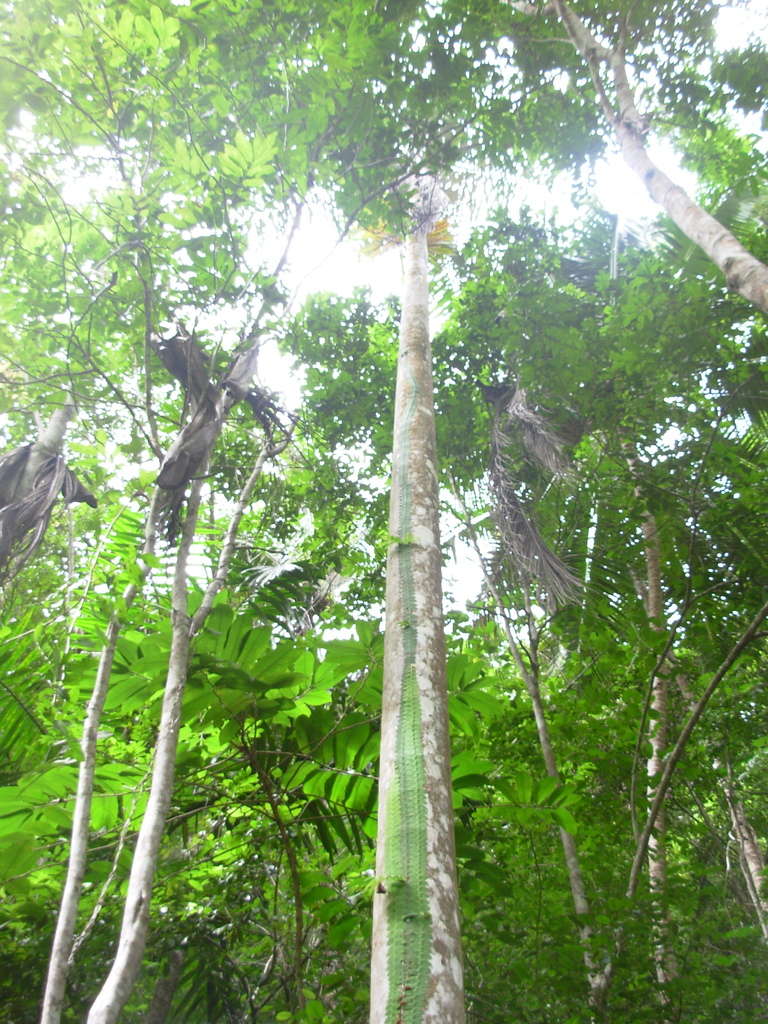
Image via iNaturalist (Research Grade). (c) Klaus Riede, some rights reserved (CC BY-NC)
🏝️ CARIBBEAN ENDEMIC SPECIES
Majestic royal palm endemic to specific Caribbean islands. Distinguished by its stunning violet-purple crownshaft and exceptional hurricane resistance. Premier ornamental palm for tropical and subtropical landscapes worldwide.


1. Introduction
Habitat and Distribution
Roystonea violacea is endemic to the Caribbean region, specifically found in scattered populations across several islands. This majestic royal palm naturally inhabits coastal plains, limestone hills, and inland valleys at elevations from sea level to approximately 500 meters. The species thrives in areas with well-drained soils and regular rainfall, often forming distinctive stands in open savannas and along forest margins. It demonstrates remarkable resilience to Caribbean weather patterns, including seasonal hurricanes and periodic droughts.
Native Continent
Native range: Caribbean islands
Click markers for details • Use buttons to switch map types
Scientific Classification
Synonyms
- Roystonea regia var. violacea (León) H.E.Moore
- Roystonea hispaniolana L.H.Bailey (misapplied)
- Roystonea borinquena O.F.Cook (in part)
- Oreodoxa violacea (León) Reasoner ex L.H.Bailey
Common Names
- Violet Royal Palm, Purple Royal Palm, Caribbean Royal Palm (English)
- Palma real violeta, Palma real morada, Palmiste violet (Spanish)
- Palmier royal violet, Palmiste à chou violet (French)
- Palma de yagua (Dominican Republic), Palmiste (Haiti)
Global Expansion
Originally restricted to its Caribbean homeland, Roystonea violacea has been introduced to tropical regions worldwide as an ornamental species. Successful introductions include:
- Florida, USA: Widely cultivated in South Florida, particularly Miami-Dade and Monroe counties
- Hawaii: Established in botanical gardens and landscapes throughout the islands
- Central America: Ornamental plantings in Costa Rica, Panama, and Honduras
- South America: Cultivated in coastal Brazil, Venezuela, and Colombia
- Southeast Asia: Growing popularity in Thailand, Singapore, and the Philippines
- Australia: Northern Queensland cultivation in tropical gardens
- Indian Ocean: Limited cultivation in Mauritius and Seychelles
The species' expansion has been driven primarily by its exceptional ornamental value, with its distinctive violet-tinged crownshaft making it highly sought after for tropical landscaping.
2. Biology and Physiology
Morphology
Trunk/Stem
Roystonea violacea develops a striking solitary trunk reaching heights of 15-25 meters, occasionally up to 30 meters in optimal conditions. The trunk is remarkably straight and columnar, with a diameter of 40-60 cm at the base, slightly swollen (ventricose) at various points along its length. The smooth, light gray bark is marked with distinctive ring scars from fallen leaves. The most distinctive feature is the violet to purple-tinged crownshaft (formed by tightly overlapping leaf bases), which gives the species its name and ranges from 1.5-2.5 meters in length.
Leaves
The crown consists of 15-20 massive pinnate leaves, each measuring 3-4.5 meters in length. Leaves are arranged spirally, creating a full, rounded crown. Each leaf contains 80-120 pairs of linear leaflets (pinnae) arranged in multiple planes, giving a plumose appearance. Individual leaflets measure 60-90 cm long and 3-5 cm wide, dark green above and slightly lighter below. The petiole is short (20-40 cm), and the rachis is robust with a prominent ridge on the lower surface.
Flower Systems
Roystonea violacea is monoecious, producing both male and female flowers on the same branched inflorescence (panicle) that emerges below the crownshaft. The cream to pale yellow inflorescence measures 60-100 cm long, enclosed initially in a woody, boat-shaped spathe. Flowering occurs throughout the year with peaks during warm, wet seasons. Male flowers are numerous, small (6-8 mm), with 6-9 stamens, occupying the terminal portions of rachillae. Female flowers are fewer, larger (4-5 mm), located basally on the same branches, with a three-carpelled pistil.
Life Cycle
The palm follows a continuous growth pattern:
- Germination phase (0-3 months): Rapid germination and initial root development
- Seedling phase (3 months-2 years): Establishment, developing 4-6 leaves
- Juvenile phase (2-7 years): Trunk formation begins, crown development
- Sub-adult phase (7-12 years): Rapid trunk elongation, crownshaft formation
- Adult reproductive phase (12+ years): Continuous flowering and fruiting
- Mature phase (20-80+ years): Full height achieved, regular reproduction
- Senescent phase (80-150 years): Gradual decline, eventual death
Climate Adaptations
- Temperature tolerance: Optimal growth at 24-32°C, survives 10-40°C
- Humidity preference: Performs best at 60-85% relative humidity
- Wind resistance: Excellent hurricane tolerance due to flexible leaves and strong trunk
- Salt tolerance: Moderate tolerance to salt spray, suitable for coastal planting
- Drought adaptation: Deep taproot system, waxy leaf coating reduces water loss
3. Reproduction and Propagation
Seed Reproduction
Seed Morphology and Diversity
Roystonea violacea produces globose to ellipsoid fruits measuring 10-14 mm long and 8-11 mm wide. When ripe, fruits turn dark purple to black, each containing a single seed. Seeds are ovoid, 8-10 mm long, with a hard, brown endocarp. The endosperm is homogeneous and white, with the embryo positioned laterally. Fresh seed weight ranges from 0.5-0.8 grams. Genetic diversity is moderate within populations, with variation in fruit size, seed viability, and crownshaft coloration intensity.
Seed Collection and Viability Testing
- Remove pulp by soaking in water for 24-48 hours
- Clean thoroughly to prevent fungal growth
- Viability testing: Fresh seeds show 80-95% viability
- Float test: Viable seeds sink in water
- Cut test: White, firm endosperm indicates viability
- Germination test: Sample batch for accurate assessment
Pre-germination Treatments
- Generally unnecessary due to relatively thin endocarp
- Light mechanical scarification can speed germination
- Avoid chemical scarification which may damage embryo
- Warm water soak: 24-48 hours at 30-35°C
- Growth regulator soak: Optional, not typically required
- Change water daily to prevent fermentation
Step-by-step Germination Techniques
- Seed preparation: Clean seeds thoroughly, remove all fruit pulp
- Pre-treatment: Soak in warm water for 24-48 hours
- Growing medium: Use sterile mix: 50% peat, 30% perlite, 20% vermiculite
- Container selection: Individual pots or community trays with good drainage
- Sowing depth: Plant seeds 1-2 cm deep, positioned horizontally
- Temperature maintenance: Constant 28-32°C using bottom heat
- Moisture control: Keep consistently moist but not waterlogged
- Humidity maintenance: Cover with clear plastic, 70-80% humidity
- Light exposure: Bright, indirect light or 60% shade cloth
- Monitoring: Check daily, remove any moldy seeds immediately
Germination Difficulty: Easy to moderate
Primary advantages:
- High viability and relatively quick germination
- Success rate: 70-90% under optimal conditions
- Main challenges: Temperature consistency, fungal issues in high humidity
Germination Time
- Range: 4-12 weeks
- Average: 6-8 weeks at optimal temperatures
- First sign: Emergence of radicle followed by cotyledonary petiole
- Complete emergence: Additional 2-3 weeks for first pinnate leaf
Seedling Care and Early Development
Weeks 1-4 post-emergence:
- Maintain humidity at 70%, stable temperature
Months 2-4:
- Begin weekly dilute fertilization (1/4 strength balanced)
Months 4-8:
- Gradually increase light to 50% full sun
Months 8-12:
- Transplant to larger containers when 3-4 leaves present
Year 1-2:
- Establish in final position, protect from wind
Advanced Germination Techniques
Hormonal Treatments:
- GA3 (Gibberellic acid): 100-500 ppm, 24-hour soak (minimal benefit)
- Smoke water: Natural germination enhancer, 1:10 dilution
- Seaweed extract: Organic option, promotes root development
- Commercial enhancers: Limited improvement over standard methods
4. Cultivation Requirements
Light Requirements
Species-specific Light Tolerance
- Germination stage: 60-70% shade essential
- Seedlings (0-1 year): 50-60% shade (5,000-8,000 lux)
- Juveniles (1-4 years): 30-40% shade optimal (8,000-15,000 lux)
- Sub-adults (4-8 years): Light shade to full sun (15,000-50,000 lux)
- Adults (8+ years): Full sun preferred (50,000-120,000 lux)
Seasonal Light Management
- Summer: May benefit from light afternoon shade in extreme climates
- Winter: Maximize sun exposure in subtropical regions
- Cloudy periods: No adjustment needed, tolerates variable light
- Transition timing: Gradual exposure increase over 3-4 weeks
Artificial Lighting for Indoor Cultivation
- Light type: High-intensity LED or metal halide
- Intensity: 300-500 μmol/m²/s for optimal growth
- Photoperiod: 12-14 hours daily
- Positioning: 100-150 cm above crown
- Spectrum: Full spectrum with enhanced blue for compact growth
Temperature and Humidity Management
Optimal Temperature Ranges
- Ideal daytime: 26-32°C (79-90°F)
- Night temperature: 20-26°C (68-79°F)
- Absolute maximum: 40°C (104°F) with adequate water
- Minimum tolerance: 5°C (41°F) for brief periods
- Growth cessation: Below 15°C (59°F)
Cold Tolerance and Hardiness
- Hardiness Zone: USDA Zones 10a-12 (minimum 30°F/-1°C briefly)
- Frost tolerance: Light frost causes frond damage
- Cold damage symptoms: Brown leaf tips, stunted growth
- Recovery ability: Good from minor cold damage
Humidity Requirements
- Optimal range: 60-80% relative humidity
- Minimum tolerance: 40% with compensation through irrigation
- Maximum tolerance: 95% with good air circulation
- Indoor modifications: Humidifiers, grouping plants, misting systems
Soil and Nutrition
Ideal Soil Composition
Texture: Well-draining sandy loam to clay loam
pH range: 6.0-7.5 (slightly acidic to slightly alkaline)
Organic content: 3-5% optimal
Drainage: Critical - no waterlogging tolerance
Recommended mix: 50% native soil, 25% compost, 15% sand, 10% perlite
Nutrient Requirements by Growth Stage
Seedlings:
- 6-6-6 NPK monthly at 1/4 strength
Juveniles:
- 8-2-12+4Mg palm special, bi-monthly
Adults:
- 8-2-12+4Mg, 1.5 kg per application quarterly
- Micronutrients: Essential - use palm-specific formulations
Organic vs. Synthetic Fertilization
Organic options:
- Composted manure, bone meal, kelp meal
Synthetic preference:
- Controlled-release palm fertilizers
- Application method: Broadcast around drip line, not against trunk
- Timing: Begin spring, reduce in winter
Micronutrient Deficiencies and Corrections
- Magnesium deficiency: Yellow bands on older fronds - apply Epsom salts
- Potassium deficiency: Orange speckling, frond tip necrosis - increase K
- Manganese deficiency: "Frizzletop" new growth - manganese sulfate spray
- Boron deficiency: Crumpled new leaves - borax application
- Iron deficiency: Yellow new growth - chelated iron supplement
Water Management
Irrigation Requirements
- Establishment phase: Daily for first month, then every other day
- Juvenile plants: 3-4 times weekly in growing season
- Mature palms: 2-3 times weekly, deep watering
- Volume: 30-50 liters per irrigation for mature specimens
- Method: Drip irrigation or soaker hose optimal
Drought Tolerance
- Established plants: Moderate - survives 3-4 weeks without irrigation
- Adaptations: Deep roots, reduced transpiration
- Stress signs: Frond yellowing, reduced growth rate
- Recovery: Rapid with resumed irrigation
Water Quality Considerations
- Salinity tolerance: Moderate - up to 1,500 ppm TDS
- pH preference: 6.5-7.5 optimal
- Chlorine sensitivity: Low - tap water generally acceptable
- Temperature: Avoid cold water shock
Drainage Requirements
- Critical factor: Poor drainage is primary cause of failure
- Soil percolation: Minimum 10 cm/hour
- Solutions: Raised planting, French drains, soil amendment
- Container drainage: Multiple large holes essential
5. Diseases and Pests
Common Problems
- Nutritional deficiencies: Most frequent issue in cultivation
- Poor drainage: Root rot and decline
- Cold damage: In marginal zones
- Transplant shock: Common with large specimens
- Wind damage: Rare but possible in hurricanes
Disease Identification
Fungal Diseases:
- Ganoderma butt rot: Lethal, no cure - conks at base, remove tree
- Thielaviopsis trunk rot: Black spore masses, trunk soft - no treatment
- Leaf spots (various): Brown/black spots - remove affected fronds, fungicide
- Pink rot (Gliocladium): Pink spore masses - fungicide treatment
- Root rot (Phytophthora): Yellowing, decline - improve drainage, fungicides
Bacterial Diseases:
- Lethal yellowing: Phytoplasma disease - preventive antibiotic injection
- Bacterial bud rot: Growing point decay - no cure, prevention crucial
Viral Diseases:
- Texas Phoenix Palm Decline: Lethal phytoplasma - no cure
- Coconut cadang-cadang viroid: Not yet detected but potential threat
Pest Identification
Major Insect Pests:
- Palm weevil (Rhynchophorus): Trunk damage - pheromone traps, insecticides
- Royal palm bug (Xylastodoris): Leaf yellowing - systemic insecticides
- Palmetto weevil: Crown damage - preventive treatments
- Scale insects: Frond yellowing - horticultural oil
- Palm aphid: Sooty mold - insecticidal soap
Other Pests:
- Rats: Fruit and flower damage - baiting programs
- Birds: Fruit consumption - generally beneficial
- Snails: Seedling damage - copper barriers, baits
Protection Methods
Environmental Controls:
- Proper spacing for air circulation
- Avoid overhead irrigation
- Remove dead fronds promptly
- Maintain optimal nutrition
- Regular monitoring programs
Chemical Controls:
- Preventive fungicide programs in humid climates
- Systemic insecticides for boring insects
- Micronutrient injections for deficiencies
- Antibiotic injections in lethal yellowing zones
Biological Controls:
- Beneficial insects for aphid control
- Nematodes for weevil larvae
- Bacillus thuringiensis for caterpillars
6. Indoor Palm Growing
Specific Indoor Care
Container Requirements:
- Size: Minimum 75cm diameter for mature plants
- Depth: At least 60cm for root development
- Material: Heavy ceramic or fiberglass for stability
- Drainage: Essential - raised on pot feet
Environmental Control:
- Light: South or west exposure essential
- Temperature: Maintain 20-28°C year-round
- Humidity: 60-70% optimal, use humidifiers
- Air circulation: Gentle fan to prevent fungal issues
Growth Limitations:
- Height restrictions in standard rooms
- Reduced growth rate compared to outdoor
- May not achieve flowering indoors
- Regular pruning of lower fronds needed
Replanting Procedures
- Timing: Late spring to early summer
- Frequency: Every 2-3 years when young, 3-5 years when mature
- Pot selection: Increase size gradually (20% larger)
- Root management: Minimal root pruning, only damaged roots
- Soil preparation: Fresh palm mix, pre-moistened
- Transplanting: Maintain same planting depth
- Support: Stake if necessary for 2-3 months
- Aftercare: Shade for 2 weeks, regular misting
Wintering Indoor Palms
- Temperature management: Minimum 18°C (65°F)
- Light supplementation: LED grow lights 8-10 hours
- Watering reduction: Decrease frequency by 30-40%
- Fertilization: Suspend November through February
- Humidity increase: Combat dry indoor air
- Pest vigilance: Check for spider mites, scale
- Positioning: Away from heat sources and drafts
7. Landscape and Outdoor Cultivation
Design Applications
- Avenue planting: Classic formal drives and streets
- Specimen focal points: Singular dramatic statements
- Group plantings: Groves of varying heights
- Coastal landscapes: Salt-tolerant for beach proximity
- Tropical themes: Combined with other palms and tropicals
- Public spaces: Parks, plazas, institutional grounds
- Resort landscaping: Quintessential tropical ambiance
Site Selection Criteria
- Full sun exposure for best growth
- Protection from extreme winds when young
- Well-draining soil essential
- Allow 8-10 meter spacing from structures
- Consider ultimate height for utility lines
- Account for falling fruits near walkways
- Visibility to showcase purple crownshaft
Companion Planting
- Understory: Philodendrons, ferns, bromeliads
- Ground covers: Liriope, mondo grass, purple heart
- Accent plants: Crotons, ti plants, heliconias
- Other palms: Coconut, foxtail, Christmas palms
8. Cold Climate Cultivation Strategies
Cold Hardiness Assessment
Temperature Thresholds:
- Optimal growth: 26-32°C (79-90°F)
- Acceptable range: 15-38°C (59-100°F)
- Growth slows: Below 20°C (68°F)
- Chilling stress: Below 10°C (50°F)
- Frost damage: At 0°C (32°F)
- Severe damage: Below -2°C (28°F)
- Death: Extended exposure below -3°C (27°F)
Winter Protection Systems
Passive Protection:
- Mulching: 20-30cm organic mulch around base
- Wrapping: Burlap or frost cloth on trunk and crown
- Anti-desiccants: Spray application before cold events
- Wind barriers: Temporary screens or permanent hedges
Active Protection:
- Christmas lights: Incandescent bulbs for heat
- Heat cables: Wrapped spirally up trunk
- Propane heaters: For extreme cold events
- Temporary structures: Removable greenhouses
Hardiness Zone Specifications
- Zone 10b-12: No protection needed
- Zone 10a: Occasional protection during cold snaps
- Zone 9b: Regular winter protection required
- Zone 9a: Marginal - only with extensive protection
- Zone 8 and below: Container cultivation only
Microclimate Optimization:
- South-facing walls for radiant heat
- Protected courtyards and atriums
- Near large water bodies for temperature moderation
- Urban heat island effects in cities
Winter Protection Materials and Methods
Materials List:
- Frost blankets (multiple weights)
- Burlap and twine
- Heat cables (outdoor rated)
- Incandescent light strings
- PVC pipe for frames
- Clear plastic sheeting
- Insulating mulch materials
Protection Timeline:
- Early winter: Install mulch, check irrigation
- Cold warning: Wrap trunk and crown
- During freeze: Activate heating elements
- Post-freeze: Gradual removal of protection
- Late winter: Assess damage, prune if needed
Establishment and Maintenance in Landscapes
Planting Techniques for Success
Pre-planting Preparation:
- Site analysis: Sun exposure, drainage, space assessment
- Soil testing: pH, nutrients, compaction evaluation
- Drainage test: Percolation rate determination
- Amendment calculation: Based on soil test results
- Utility check: Underground and overhead clearances
Planting Process:
- Hole dimensions: 2-3x root ball width, same depth
- Soil preparation: Mix native soil with amendments
- Root inspection: Check for circling roots, trim if needed
- Placement: Position straight, crown at grade level
- Backfilling: In layers with water settling
- Support system: Three-stake system for 1-2 years
- Initial irrigation: Deep watering to eliminate air pockets
- Mulch application: 10cm layer, keep from trunk
- Temporary shade: If planted in summer
Post-planting Care:
- Week 1-2: Daily watering
- Week 3-4: Every other day
- Month 2-3: Twice weekly
- Month 4+: Regular schedule based on conditions
Long-term Maintenance Schedules
Monthly Tasks:
- Visual health inspection
- Check for pests and diseases
- Adjust irrigation as needed
- Remove dead fronds if present
Quarterly Tasks:
- Fertilizer application (palm special)
- Micronutrient supplementation
- Mulch replenishment
- Growth rate assessment
Annual Tasks:
- Professional arborist inspection (mature trees)
- Lightning protection system check
- Root barrier inspection if installed
- Photographic documentation
Special Considerations:
- Hurricane preparation: Preventive pruning controversial
- Fruit management: Regular removal if over pavement
- Crownshaft monitoring: Color intensity indicates health
- Height management: No topping - permanent damage
Final Summary
Roystonea violacea represents one of the Caribbean's most majestic palm species, distinguished by its characteristic violet to purple-tinged crownshaft that sets it apart from other royal palms. This remarkable ornamental palm combines exceptional aesthetic appeal with robust growth characteristics and good environmental adaptability within appropriate climatic zones.
The species thrives in tropical and subtropical climates (USDA zones 10a-12), demonstrating excellent hurricane resistance and moderate salt tolerance that makes it particularly valuable for Caribbean and coastal landscapes. Its relatively easy propagation from seed, with 70-90% germination rates under optimal conditions, makes it accessible for both commercial production and hobbyist cultivation.
Key cultivation success factors include ensuring excellent drainage to prevent root rot, maintaining consistent nutrition with palm-specific fertilizers rich in micronutrients, and providing full sun exposure once established. The species' moderate drought tolerance and adaptability to various soil types, from sandy to clay loams with pH 6.0-7.5, increase its versatility in landscape applications.
The palm's rapid growth rate, reaching reproductive maturity in 12-15 years and achieving heights of 15-25 meters, makes it an excellent choice for creating immediate landscape impact. Its straight, smooth gray trunk topped with the distinctive purple crownshaft and full crown of pinnate leaves creates an unmistakable tropical elegance that has made it increasingly popular in suitable climates worldwide.
Indoor cultivation presents challenges due to the species' ultimate size, but young specimens can be successfully grown in containers with adequate light, humidity control, and regular repotting. The primary limiting factor for broader cultivation remains cold sensitivity, with temperatures below 5°C causing significant damage and frost being potentially fatal.
Disease and pest management focuses primarily on prevention, with lethal yellowing and palm weevils representing the most serious threats in endemic areas. Regular monitoring, proper nutrition, and maintaining optimal growing conditions provide the best defense against most problems.
For landscape use, Roystonea violacea excels in formal avenue plantings, as specimen focal points, and in groups creating palm groves. Its compatibility with understory plantings and other tropical species makes it valuable for creating layered, tropical landscape designs. The falling fruits should be considered in placement near walkways and parking areas.
The combination of outstanding ornamental characteristics, relatively straightforward cultivation requirements, and good environmental tolerance within appropriate zones makes Roystonea violacea a premier choice for tropical and subtropical landscapes. Whether used in public spaces, resort developments, or private gardens, this violet royal palm provides unmatched elegance and tropical ambiance, justifying its increasing popularity beyond its native Caribbean range. Success with this species rewards growers with one of the most architecturally striking and visually distinctive palms available in cultivation.
- Majestic Caribbean endemic with violet crownshaft
- Solitary trunk reaching 15-25m height
- Germination: 4-12 weeks with 70-90% success
- Excellent hurricane and salt tolerance
- Full sun required for optimal growth
- Temperature range: 26-32°C optimal
- Zone 10a-12 cultivation only
- Flowering at 12-15 years
- Premier ornamental for tropical landscapes
- Cold sensitive - requires protection below 5°C