Reinhardtia paiewonskiana: A comprehensive Growing Guide for Enthusiasts & Collectors.
Reinhardtia paiewonskiana
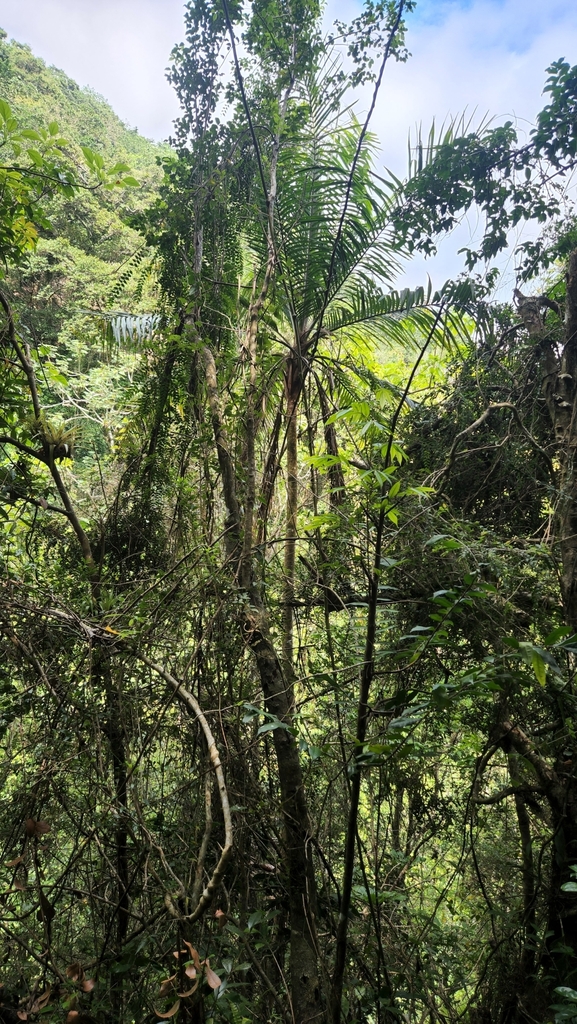
Image via iNaturalist (Research Grade). (c) Yolanda M. Leon, some rights reserved (CC BY-NC)


1. Introduction
Habitat and Distribution
Reinhardtia paiewonskiana is one of the rarest members of the genus, endemic to very specific cloud forest habitats in Central America, primarily found in isolated populations in Costa Rica and western Panama. This extremely localized species inhabits elevations between 1,200-2,200 meters, exclusively in pristine primary cloud forests with year-round fog exposure. The palm shows remarkable habitat specificity, growing only on north-facing slopes where cloud immersion is most persistent, typically in areas receiving 3,000-4,000mm of annual precipitation combined with additional moisture from horizontal precipitation (fog drip).
Native Continent
📍 Endemic Distribution:
- Talamanca Range: Only natural habitat
- Elevation: 1,200-2,200m
- Habitat: Cloud forest, north-facing slopes
- Precipitation: 3,000-4,000mm annually
- Conservation: Critically important
Native range: Talamanca Mountains, Costa Rica-Panama border
Click on markers for details
Scientific Classification
Synonyms
- Reinhardtia sp. nov. (in earlier literature)
- Sometimes confused with R. elegans in older texts
Common Names
- English: Paiewonski's palm, Dwarf window palm
- Spanish: Palmita de Paiewonski
- Local names: Coyolillo fino (Costa Rica), Palmita de neblina (Panama)
Global Expansion
Due to its recent scientific description and extreme rarity, Reinhardtia paiewonskiana has minimal presence outside its native range:
- Ex-situ Conservation: Limited to specialized botanical gardens
- Private Collections: Fewer than 20 documented collections worldwide
- Research Institutions: Cultivated for conservation studies
- Commercial Trade: Virtually absent due to scarcity and difficulty
The species remains critically important for conservation efforts but has not expanded beyond scientific collections.
2. Biology and Physiology
Morphology
Trunk/Stem
Reinhardtia paiewonskiana is the smallest member of its genus, developing delicate, solitary or sparsely clustering stems reaching only 1-2 meters in height with diameters of 0.5-1.0 cm. The stems are distinctively green with a subtle purple tinge, especially near the nodes. Ring scars are closely spaced at 1-2 cm intervals. The stem surface has a unique velvety texture due to microscopic trichomes, an adaptation for fog water collection. Unlike other Reinhardtia species, clustering is minimal, with typically only 1-3 stems per plant.
Leaves
The species exhibits the characteristic bifid leaves of the genus but with distinctive proportions. Leaves are 15-25 cm long, divided to three-quarters of their length into two narrow segments. The leaf substance is remarkably thin, almost translucent, allowing observation of venation patterns when backlit (hence contributing to the "window palm" common name). Leaves display a unique blue-green coloration with a silvery sheen on the underside. Only 4-8 leaves are present at any time, giving the palm a delicate, minimalist appearance. Petioles are proportionally long (15-20 cm) and extremely slender.
Flower Systems
Like other Reinhardtia species, R. paiewonskiana is dioecious. Inflorescences are the smallest in the genus, rarely exceeding 10 cm in length. Male inflorescences bear 20-30 tiny white flowers with purple-tipped stamens. Female inflorescences are even more reduced, with only 5-10 flowers. The species shows strong flowering seasonality, blooming only during the peak cloud season. Flowers emit a faint sweet fragrance detectable only in still air conditions.
Life Cycle
The palm exhibits extremely slow growth:
- Germination phase (0-6 months): Extended dormancy common
- Seedling phase (6 months-3 years): Single leaf stage prolonged
- Juvenile phase (3-7 years): Slow leaf addition
- Sub-adult phase (7-12 years): Stem elongation begins
- Adult phase (12+ years): Sporadic flowering
- Longevity (Unknown): Estimated 40-50 years
Climate Adaptations
- Temperature tolerance: Narrow range 15-22°C optimal
- Humidity requirements: Minimum 85%, optimal 95-100%
- Cloud immersion: Requires daily fog exposure
- Light tolerance: Extreme shade adaptation
- Water absorption: Foliar uptake capabilities
3. Reproduction and Propagation
Seed Reproduction
Seed Morphology and Diversity
Seeds are the smallest in the genus, spherical, 5-7 mm in diameter. The thin pericarp is purple-black when ripe with minimal flesh. Seeds weigh only 0.2-0.4 grams. The embryo is proportionally large relative to the endosperm. Genetic diversity is limited due to small population sizes, with evidence of inbreeding depression in isolated populations.
Seed Collection and Viability Testing
Collection is challenging due to:
- Irregular fruiting (not annual)
- Small crop size (10-30 seeds per plant)
- Rapid viability loss (viable for <7 days)
- Immediate processing required
- Collection permits required in native habitat
Pre-germination Treatments
Critical Requirements:
- No scarification needed - seeds are delicate
- Temperature cycling: 15°C night/20°C day
- High humidity maintenance: 95-100%
- Gibberellic acid beneficial: 100 ppm for 6 hours
Step-by-step Germination Techniques
- Immediate processing: Clean within 2 hours of collection
- Medium preparation: 60% milled sphagnum, 30% fine perlite, 10% charcoal
- Sterilization: Treat medium with boiling water, cool before use
- Container: Small pots in enclosed propagator
- Sowing: Surface sow, barely cover
- Temperature: Maintain 18-20°C constantly
- Humidity: 95-100% using propagation dome
- Light: Complete darkness for first month
- Monitoring: Check daily but minimize disturbance
Germination Difficulty: Very difficult
- Success rate: 20-40% even with fresh seeds
- Viability window: Less than one week
Germination Time
- Range: 3-12 months
- Average: 6-8 months
- Extremely erratic emergence
Seedling Care and Early Development
- Months 1-6: Maintain in propagator, 95% humidity
- Months 6-12: No fertilization, sphagnum moss only
- Year 1-2: Begin 1/10 strength fertilizer monthly
- Year 2-3: Gradually acclimate to 90% humidity
Advanced Germination Techniques
Hormonal Treatments:
- GA3: Essential for breaking dormancy
- IBA: 25 ppm improves root development
- Cytokinin: Improves germination percentage
Tissue Culture:
- Most reliable propagation method
- Protocols being developed for conservation
- Not available commercially
4. Cultivation Requirements
This species requires near-perfect replication of cloud forest conditions. Success is extremely rare outside specialized facilities.
Light Requirements
Species-specific Light Tolerance
- All stages: 90-95% shade required (500-1,500 lux)
- Maximum tolerance: 2,000 lux causes immediate stress
- Optimal range: 800-1,200 lux
- Complete shade tolerance: Can survive in near darkness
Seasonal Light Management
- Maintain constant deep shade year-round
- Use multiple shade cloth layers
- Monitor for any light stress signs
Artificial Lighting for Indoor Cultivation
- Type: Low-intensity LED or fluorescent
- Intensity: 20-40 μmol/m²/s maximum
- Duration: 8-10 hours only
- Distance: Minimum 50 cm from foliage
Temperature and Humidity Management
Optimal Temperature Ranges
- Day temperature: 18-22°C (64-72°F)
- Night temperature: 15-18°C (59-64°F)
- Absolute maximum: 25°C (77°F)
- Absolute minimum: 10°C (50°F)
Cold Tolerance and Hardiness
- Hardiness Zone: USDA Zone 10b-11 only
- Frost tolerance: None - fatal at 5°C
- Heat tolerance: Very poor above 25°C
Humidity Requirements
- Absolute minimum: 85%
- Optimal range: 92-98%
- Fog simulation: Beneficial daily
Soil and Nutrition
Ideal Soil Composition
Special Cloud Forest Mix
- Special mix: 50% long-fiber sphagnum, 25% fine orchid bark, 15% perlite, 10% tree fern fiber
- pH range: 4.5-5.5 (very acidic)
- Organic matter: Maximum possible
- Structure: Extremely airy yet moisture-retentive
Nutrient Requirements
- Fertilization: Minimal - 1/10 strength monthly
- Type: Balanced orchid fertilizer
- Method: Primarily foliar feeding
- Caution: Over-fertilization quickly fatal
Organic vs. Synthetic Fertilization
- Organic only: Synthetic salts toxic at normal concentrations
- Options: Dilute worm casting tea, compost tea
- Frequency: Monthly during growth season only
Micronutrient Management
- Iron: Chelated iron essential
- Calcium: From rainwater or supplement
- Trace elements: Via organic sources only
Water Management
Irrigation Requirements
- Frequency: Multiple times daily misting
- Substrate: Never allow to dry
- Water type: Rain, distilled, or RO only
- Temperature: Cool water preferred
Drought Tolerance
- None: Permanent damage within 24 hours
- Recovery: Usually impossible from drought
Water Quality
- TDS: Must be below 50 ppm
- pH: 5.0-6.0
- Minerals: Zero tolerance for salts
Drainage Requirements
- Balance critical: Moist but never waterlogged
- Air circulation: In root zone essential
- Pot type: Clay or mesh pots preferred
5. Diseases and Pests
Common Problems
- Environmental stress: Most common issue
- Low humidity: Immediate leaf damage
- Temperature fluctuation: Growth cessation
- Water quality: Mineral burn
Disease Identification
Fungal Diseases
- Botrytis: Gray mold in poor ventilation
- Pythium: Root rot from overwatering
- Leaf spots: Various fungi in high humidity
Bacterial Diseases
- Erwinia: Soft rot in warm conditions
- Bacterial leaf spot: From overhead watering
Pest Identification
Rare but Possible:
- Aphids: On new growth
- Fungus gnats: In constantly moist soil
- Slugs/snails: In high humidity
Protection Methods
Environmental
- Perfect environment prevents most issues
- Air movement without drafts
- Sanitation critical
Chemical
- Avoid if possible - palm very sensitive
- Only organic/biological controls
- Quarter strength of any treatment
6. Indoor Palm Growing
Specific Indoor Care
Specialized Requirements
- Terrarium culture: Often most successful
- Wardian case: Traditional method
- Controlled environment: Climate cabinet ideal
- Bathroom placement: If humidity adequate
Container Selection
- Small pots appropriate to size
- Excellent drainage with humidity retention
- Annual repotting unnecessary
- Minimal root disturbance
Replanting Procedures
- Frequency: Every 2-3 years maximum
- Timing: Only during active growth
- Method: Slide out intact root ball
- Fresh medium: Pre-moistened and cooled
- Recovery: In humidity chamber
Wintering Indoor Palms
- Temperature: Maintain 15-20°C
- Humidity: Critical to maintain 90%+
- Watering: Slightly reduce frequency
- Fertilization: Completely suspend
- Light: Maintain deep shade
7. Landscape and Outdoor Cultivation
Design Applications
- Cloud forest gardens: Specialized habitat gardens
- Conservation collections: Ex-situ preservation
- Mist houses: Commercial or botanical settings
- Terrarium displays: Educational exhibits
Site Selection
- Outdoor cultivation nearly impossible outside native range
- Requires controlled environment in most locations
- Cloud forest simulation required
8. Cold Climate Cultivation Strategies
Cold Hardiness Assessment
Temperature Thresholds
- Optimal: 15-22°C (59-72°F)
- Stress begins: Below 12°C or above 24°C
- Damage: Below 10°C (50°F)
- Fatal: Below 5°C (41°F)
Winter Protection Systems
Indoor Only
- Heated greenhouse essential
- Humidity control critical
- Temperature stability required
Hardiness Zone Specifications
- Zone 11: Possible outdoors with perfect microclimate
- Zone 10b: Heated greenhouse only
- All other zones: Climate-controlled indoor only
Winter Protection Materials
Not applicable - requires controlled environment
Establishment and Maintenance in Landscapes
Planting Techniques for Success
Controlled Environment Setup
- Misting system: Automated, multiple nozzles
- Shade structure: 90-95% shade minimum
- Temperature control: Cooling system essential
- Humidity monitoring: Digital sensors required
- Backup systems: Power failure protection
Planting Process
- Container culture: Usually preferable
- Medium preparation: Sterilize before use
- Plant handling: Minimal root disturbance
- Positioning: Deep shade location
- Acclimatization: Gradual over weeks
Long-term Maintenance Schedules
Daily Tasks
- Humidity monitoring
- Misting system check
- Temperature verification
Weekly Tasks
- Growth inspection
- Pest monitoring
- Water quality testing
Monthly Tasks
- Minimal fertilization
- Dead tissue removal
- Environment adjustment
Annual Tasks
- System maintenance
- Medium replacement consideration
- Conservation status documentation
Final Summary
Reinhardtia paiewonskiana represents one of the most challenging palms in cultivation, requiring near-perfect replication of cloud forest conditions. This species is suitable only for the most dedicated specialists with access to controlled environment facilities. Success depends entirely on maintaining constant high humidity (92-98%), cool temperatures (15-22°C), and extreme shade (90-95%).
The palm's extreme rarity and conservation status make it primarily important for ex-situ preservation efforts rather than ornamental cultivation. Its tiny size, extremely slow growth, and exacting requirements limit it to botanical gardens, research facilities, and the most sophisticated private collections.
Critical success factors include using rainwater or distilled water exclusively, maintaining acidic pH (4.5-5.5), providing minimal nutrition, and ensuring perfect drainage while never allowing the medium to dry. The species' intolerance to environmental fluctuation means automated climate control systems are essentially mandatory.
Propagation is extremely challenging due to short seed viability and low germination rates. Tissue culture protocols being developed for conservation purposes may eventually provide a more reliable propagation method. The species' specialized adaptations for cloud forest life, including foliar water absorption and extreme shade tolerance, make it a fascinating subject for botanical study.
For conservation purposes, maintaining ex-situ populations is critical given habitat threats in its native range. However, cultivation should only be attempted by those with the resources and commitment to provide the highly specialized conditions this remarkable palm requires for survival. Its successful cultivation represents one of the ultimate achievements in palm growing, requiring expertise, patience, and sophisticated equipment to maintain this jewel of the Central American cloud forests.
- Temperature: 15-22°C constantly
- Humidity: 92-98% minimum
- Light: 90-95% shade (500-1,500 lux)
- Water: Rain/distilled only, TDS <50 ppm
- pH: 4.5-5.5 (very acidic)
- Fertilization: 1/10 strength monthly maximum
- Environment: Automated climate control essential
- Germination: 20-40% success, 6-8 months
- Growth rate: Extremely slow (1-2m in decades)
- Difficulty: Expert level only