Ravenea lakatra: A comprehensive Growing Guide for Enthusiasts & Collectors.
Ravenea lakatra
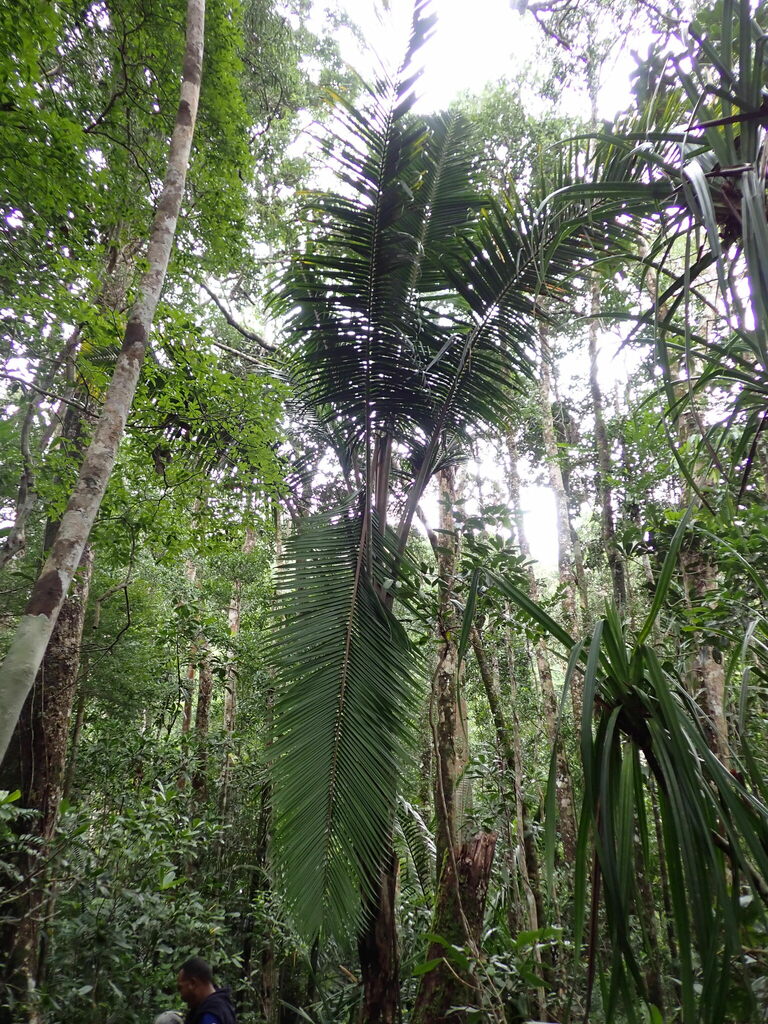
Image via iNaturalist (Research Grade). (c) Louis Aureglia, some rights reserved (CC BY)


1. Introduction
Habitat and Distribution
Ravenea lakatra is endemic to northeastern Madagascar, primarily found in the humid forests of the Masoala Peninsula and surrounding areas of the Sava and Sofia regions. This species inhabits lowland to mid-elevation rainforests, typically growing on steep slopes and ridges at elevations between 200-900 meters above sea level. It thrives in areas with year-round rainfall, often found along stream banks and in valleys where moisture is consistently available.
Native Continent
Scientific Classification
Synonyms
- Ravenea madagascariensis var. lakatra (early misidentification)
- No other recognized synonyms
Common Names
- English: Lakatra palm
- Malagasy: Lakatra (local name from which scientific name derives)
- French: Palmier lakatra
- Trade names: Madagascar feather palm (occasionally in horticulture)
Global Expansion
Ravenea lakatra has achieved moderate distribution in specialized collections worldwide and has shown better adaptability to cultivation than many other Ravenea species, leading to increasing availability in specialist palm nurseries since the 1990s:
- United States: Established in botanical gardens in Florida, Hawaii, and Southern California
- Europe: Conservatories in France, Belgium, and Spain
- Australia: Queensland tropical collections
- Asia: Singapore Botanic Gardens, limited presence in Thailand
- Caribbean: Growing trials in Puerto Rico and Trinidad
2. Biology and Physiology
Morphology
Trunk/Stem
Ravenea lakatra develops a solitary, robust trunk reaching 15-20 meters in height (occasionally to 25 meters in optimal habitat) with a diameter of 20-30 cm. The trunk is pale gray to brown, displaying prominent, evenly spaced ring scars from fallen leaves. The base may be slightly swollen, particularly in older specimens. The trunk surface is generally smooth but may retain fibrous leaf base remnants in the upper portions near the crown.
Leaves
The crown is dense and spreading, consisting of 12-20 pinnate leaves, each measuring 3-4 meters long. The petiole is 60-100 cm long, green to yellow-green, with a smooth, waxy surface. The rachis bears 60-80 pairs of leaflets arranged regularly along its length. Individual leaflets are 60-90 cm long and 3.5-5 cm wide, bright green with a glossy upper surface and matte underneath. The leaflets are held in a single plane, giving the leaf a formal, feather-like appearance. New leaves emerge bright green without the reddish coloration seen in some related species.
Flower Systems
The species is dioecious with separate male and female plants. Inflorescences are infrafoliar (emerging below the crown), measuring 80-120 cm long. Male inflorescences are highly branched with numerous small, cream to yellow flowers, each with 6 stamens. Female inflorescences have fewer, stouter branches with larger flowers. Flowering typically occurs during the warm, wet season (December to April in Madagascar), with individual plants capable of producing multiple inflorescences annually once mature.
Life Cycle
- Germination to Seedling (0-1 year): Initial establishment phase
- Juvenile Phase (1-6 years): Development of pinnate leaves
- Sub-adult Phase (6-12 years): Trunk elongation begins
- Adult Vegetative (12-18 years): Rapid vertical growth
- Reproductive Maturity (18-20 years): Regular flowering and fruiting
- Peak Production (25-50 years): Maximum fruit production
- Longevity: Estimated 80-120 years
Climate Adaptations
- Rainfall adaptation: Requires consistent moisture, adapted to 2000-3000mm annual rainfall
- Temperature stability: Adapted to minimal seasonal variation
- Slope adaptation: Root system adapted to steep terrain
- Canopy position: Emergent layer adaptation, tolerates full sun when mature
3. Reproduction and Propagation
Seed Reproduction
Seed Morphology and Diversity
Seeds are globose to slightly ellipsoid, measuring 18-22 mm in diameter. The seed coat is thin and brown, with a smooth texture. The endosperm is homogeneous, hard, and white. The embryo is basal and relatively small. Fresh seed weight ranges from 2.5-3.5 grams. Seeds from higher elevation populations tend to be slightly larger and may show better cold tolerance.
Seed Collection and Viability Testing
- Harvest timing: When fruits turn from green to bright red or orange
- Processing: Remove fleshy mesocarp within 24 hours
- Cleaning: Wash thoroughly to prevent fungal growth
- Float test: Viable seeds sink; discard floaters
- Viability window: 4-8 weeks under optimal storage
- Storage: Cool (15-20°C), dry conditions in breathable bags
Pre-germination Treatments
- File small area of seed coat
- Hot water treatment: 60°C for 2 minutes, then cool soak for 24 hours
- Acid scarification: Not recommended for this species
- Bottom heat essential: 28-32°C
- Diurnal temperature fluctuation beneficial
Step-by-step Germination Techniques
- Seed preparation: Clean, inspect for damage
- Scarification: Light mechanical scarification
- Soaking: 48-hour soak in warm water, change daily
- Medium: 40% coconut coir, 30% perlite, 20% vermiculite, 10% charcoal
- Container: Deep pots for taproot development
- Sowing depth: 2-3 cm deep, horizontal position
- Temperature: Constant 28-30°C bottom heat
- Humidity: 85-90% with daily ventilation
- Light: Bright, filtered light
- Monitoring: Check weekly for germination, fungal issues
Germination Time
- Range: 6-16 weeks
- Average: 8-10 weeks
- First sign: Root emergence followed by shoot
Seedling Care and Early Development
Advanced Germination Techniques
Hormonal Treatments
4. Cultivation Requirements
Light Requirements
Species-specific Light Tolerance
- Seedlings (0-2 years): 50-70% shade required
- Juveniles (2-6 years): 30-50% shade optimal
- Sub-adults (6-12 years): 20-30% shade to full sun
- Adults (12+ years): Full sun preferred
Seasonal Light Management
- Consistent light year-round in tropics
- Increase shade during dry season stress
- Gradual acclimation when moving plants
Artificial Lighting for Indoor Cultivation
- Type: Metal halide or LED full spectrum
- Intensity: 200-300 μmol/m²/s for mature plants
- Duration: 12-14 hours
- Distance: 60-100 cm from crown
Temperature and Humidity Management
Optimal Temperature Ranges
- Ideal day: 24-30°C (75-86°F)
- Ideal night: 18-24°C (64-75°F)
- Absolute minimum: 12°C (54°F)
- Maximum tolerance: 38°C (100°F) with adequate moisture
Cold Tolerance
- Hardiness Zone: USDA 10a-11
- Brief cold exposure: Survives 8°C for short periods
- Frost: Fatal, no tolerance
- Chilling injury: Occurs below 12°C
Humidity Requirements
- Optimal: 75-85%
- Minimum: 60%
- Adjustment methods: Grouping plants, misting systems, mulching
Soil and Nutrition
Ideal Soil Composition
- Type: Rich, loamy soil with high organic content
- pH: 5.5-6.8 (slightly acidic preferred)
- Structure: Well-aggregated, friable
- Mix: 35% loam, 25% compost, 20% coir, 10% perlite, 10% bark
Nutrient Requirements
- NPK ratio: 12-4-12 with micronutrients
- Application: Every 6-8 weeks during growing season
- Rate: 100-200g per meter of height
- Organic options: Aged manure, compost, palm special organic blends
Micronutrient Management
- Magnesium: Critical, apply Epsom salts quarterly
- Manganese: Foliar spray if deficiency appears
- Iron: Chelated iron for chlorosis
- Boron: Small amounts prevent growth abnormalities
Water Management
Irrigation Requirements
- Growing season: 3-4 times weekly
- Dormant period: 2 times weekly
- Volume: 30-50 liters per week for mature plants
- Method: Drip irrigation or soaker hoses ideal
Drought Tolerance
- Rating: Low to moderate
- Survival period: 2-3 weeks without irrigation
- Recovery: Good if not prolonged
Water Quality
- pH: 6.0-7.0
- Salinity: Sensitive, <500 ppm TDS
- Temperature: Avoid cold water shock
Drainage Requirements
- Essential: Must have excellent drainage
- Percolation rate: >10 cm/hour
- Solutions: Raised beds, French drains, amended soil
5. Diseases and Pests
Common Problems
- Nutrient deficiencies: Particularly magnesium and potassium
- Water stress: Both over and under-watering problematic
- Transplant shock: Common, minimize root disturbance
Disease Identification
Fungal Diseases
- Ganoderma butt rot: Fatal, no cure, remove infected plants
- Pestalotiopsis leaf spot: Copper fungicides effective
- Phytophthora root rot: Improve drainage, systemic fungicides
- Cylindrocladium leaf spot: Remove affected leaves, fungicide spray
Bacterial Diseases
- Erwinia bud rot: Remove infected tissue, bactericides
- Xanthomonas leaf streak: Copper-based treatments
Pest Identification
Insect Pests
- Raoiella red palm mite: Serious threat, miticides required
- Coconut scale: Horticultural oil applications
- Palm aphids: Insecticidal soap or neem oil
- Rhinoceros beetle: Physical removal, pheromone traps
Other Pests
- Nematodes: Soil treatment may be necessary
- Rats: Protect seeds and young fruits
Protection Methods
Environmental
- Maintain plant vigor through proper nutrition
- Ensure good air circulation
- Remove dead fronds promptly
- Mulch to suppress weeds
Chemical
- IPM approach prioritizing biological controls
- Systemic insecticides for borers
- Preventive fungicide program in humid climates
- Soil drenches for root pathogens
6. Indoor Palm Growing
Specific Indoor Care
Container Selection
- Size: Minimum 60cm diameter for mature plants
- Depth: At least 60cm for root development
- Material: Heavy ceramic or fiberglass for stability
- Drainage: Multiple large drainage holes
Environmental Requirements
- Light: Brightest available location
- Temperature: Maintain 20-28°C
- Humidity: 65-75% minimum
- Air circulation: Gentle air movement prevents fungal issues
Replanting Procedures
- Timing: Early spring before growth flush
- Frequency: Every 2-3 years or when rootbound
- Pot size increase: 20-30% larger
- Root pruning: Only if necessary, minimal
- Aftercare: Shade and high humidity for 2 weeks
Wintering Indoor Palms
- Temperature: Never below 15°C
- Light: Supplement with grow lights
- Watering: Reduce frequency by 30-40%
- Fertilization: Suspend November through February
- Humidity: Critical to maintain above 60%
7. Landscape and Outdoor Cultivation
Design Applications
- Avenue planting: Excellent for tropical boulevards
- Specimen tree: Focal point in large gardens
- Group plantings: Effective in clusters of 3-5
- Tropical forest gardens: Emergent layer component
- Park landscapes: Long-lived specimen tree
Site Selection
- Space requirements: Allow for 4-meter crown spread
- Wind protection: Shelter from strong winds when young
- Proximity to structures: Plant at least 5 meters from buildings
- View considerations: Beautiful silhouette against sky
8. Cold Climate Cultivation Strategies
Cold Hardiness
- Minimum survival: 8°C (46°F)
- Optimal range: 20-30°C (68-86°F)
- Cold damage threshold: Below 12°C
Winter Protection
Physical Methods
- Trunk wrapping: Insulation blankets or burlap
- Crown protection: Tie fronds, wrap with breathable material
- Root insulation: 30cm mulch layer
Active Protection
- Heat cables: Around trunk and root zone
- Protective structures: Temporary greenhouses
- Microclimate creation: South-facing walls, water features
Hardiness Zone
- USDA Zones: 10a-11 (marginal in 9b with protection)
- Limiting factor: Sustained cold rather than brief drops
Winter Protection Materials
- Insulation: Fiberglass blankets, straw bales
- Covers: Frost cloth, clear plastic for greenhouse effect
- Heating: Incandescent lights, soil heating cables
- Support: Bamboo or PVC framework
Establishment and Maintenance in Landscapes
Planting Techniques for Success
- Soil analysis: Test pH, nutrients, drainage
- Hole dimensions: 3x root ball width, same depth
- Soil amendment: Add 40% organic matter
- Drainage test: Must drain within 4 hours
- Pre-planting irrigation: Saturate area 24 hours prior
- Root inspection: Trim damaged roots
- Positioning: Plant at same depth as container
- Orientation: Maintain original sun orientation
- Backfilling: In layers with water settling
- Staking: Three-stake system for 1-2 years
- Mulching: 10-15cm organic mulch layer
- Initial watering: Deep, thorough saturation
Long-term Maintenance Schedules
Final Summary
Ravenea lakatra stands as one of Madagascar's more successfully cultivated endemic palms, combining ornamental beauty with relative ease of cultivation compared to other rare Ravenea species. Its stately form, reaching 15-20 meters with a dense crown of gracefully arching fronds, makes it an excellent choice for tropical and subtropical landscapes where space permits.
The species thrives in warm, humid conditions mimicking its native rainforest habitat, requiring temperatures between 24-30°C and humidity levels of 75-85%. While it lacks frost tolerance and is limited to USDA zones 10a-11, it shows good adaptability to various soil types provided drainage is excellent. The palm's moderate growth rate and eventual large size require long-term planning in landscape applications.
Successful cultivation depends on maintaining consistent moisture without waterlogging, providing graduated shade exposure from seedling to maturity, and ensuring adequate nutrition with particular attention to magnesium and micronutrients. The species shows good germination rates (60-80%) with fresh seeds, making propagation relatively straightforward compared to many other Madagascar palms.
Key challenges include its cold sensitivity, requiring protection below 12°C, and susceptibility to root rot in poorly drained soils. The dioecious nature means both male and female plants are needed for seed production. However, its relatively robust constitution, faster growth than many Ravenea species, and stunning appearance make it increasingly popular in tropical palm collections.
For conservation purposes, R. lakatra represents a moderate success story, with stable wild populations and increasing ex-situ cultivation reducing immediate extinction risk. Its cultivation serves both ornamental and conservation purposes, making it an excellent choice for botanical gardens and serious palm enthusiasts in suitable climates. The species exemplifies the potential for Madagascar's endemic palms to thrive in cultivation while contributing to ex-situ conservation efforts.