Pritchardia minor: A comprehensive Growing Guide for Enthusiasts & Collectors.
Pritchardia minor
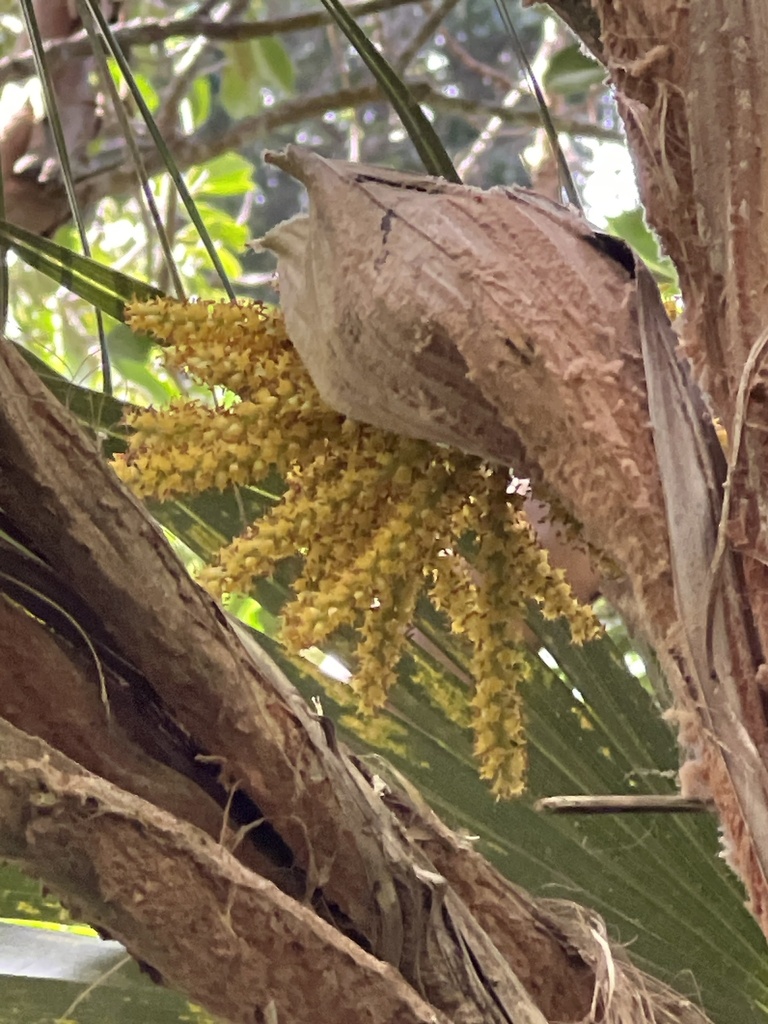
Image via iNaturalist (Research Grade). (c) Susan Fawcett, some rights reserved (CC BY-NC)
⚠️ CRITICALLY ENDANGERED - <100 WILD INDIVIDUALS
Endemic to Kauai's Alakai Swamp - one of the wettest spots on Earth (10,000-11,500mm annual rainfall). Never successfully cultivated. Requires cool temperatures (15-22°C), near 100% humidity, and waterlogged acidic soils. Ultimate conservation challenge.


1. Introduction
Habitat and Distribution
Pritchardia minor is endemic to the island of Kauai in the Hawaiian archipelago, where it represents one of the rarest palms in the world. The entire wild population is restricted to the Alakai Swamp region and adjacent areas on the high plateau of central Kauai, primarily between 1,200-1,400 meters elevation. This remarkable habitat is one of the wettest spots on Earth, receiving 10,000-11,500mm of rainfall annually. The palm grows in montane wet forest and bog margins, often in standing water or saturated soils. The constant cloud cover, persistent rain, and cool temperatures create a unique microclimate unlike any other Pritchardia habitat. The species name "minor" refers to its relatively small stature compared to other Hawaiian Pritchardia species.
Native Continent
Native range: Alakai Swamp, Central Kauai (1,200-1,400m elevation)
Click markers for details • Use buttons to switch map types
Taxonomic Classification
Synonyms
- Washingtonia minor (Becc.) Kuntze (not validly published)
- Sometimes confused with P. hardyi in literature
- Occasionally mislabeled as P. napaliensis var. minor
Common Names
- Alakai Swamp pritchardia (English)
- Small pritchardia (English)
- Dwarf loulu (English)
- Loulu lelo (Hawaiian)
- Bog palm (English descriptive)
- Mountain fan palm (English)
Expansion in the World
P. minor is virtually unknown in cultivation:
- National Tropical Botanical Garden, Kauai (ex-situ conservation)
- Lyon Arboretum, Oahu (1-2 specimens)
- Waimea Arboretum (attempted cultivation)
- No confirmed private cultivation
- Seeds almost never available
- Tissue culture attempts ongoing
- IUCN Red List status: Critically Endangered
The extreme rarity in cultivation reflects both the minuscule wild population and the unique, nearly impossible to replicate habitat requirements.
2. Biology and Physiology
Morphology
Trunk
P. minor is the smallest Hawaiian Pritchardia, developing a slender, solitary trunk rarely exceeding 4-6 meters in height with a diameter of only 10-20cm. The trunk is smooth, gray-green to brown, with closely spaced ring scars. Unlike other Pritchardia, the trunk remains relatively clean of persistent leaf bases. The small stature is an adaptation to the extreme environment and poor, waterlogged soils. Wind exposure often causes characteristic leaning.
Leaves
The crown is sparse compared to other Pritchardia, consisting of 8-15 fan-shaped leaves. Individual leaves are notably small, measuring only 60-90cm across, deeply divided into 30-40 narrow segments. The petiole is proportionally short at 40-70cm. Leaves are yellow-green to green, lacking the waxy coating of lowland species. The segments are stiff and barely droop at the tips, an adaptation to shed the constant rain.
Flower Systems
P. minor produces the smallest inflorescences in Hawaiian Pritchardia. The branched panicle rarely exceeds 50-80cm in length, emerging from among the leaves. Flowers are tiny (2-3mm), pale yellow to cream, densely arranged on short rachillae. Flowering is sporadic throughout the year due to the constant conditions, with slight peaks during marginally drier periods. Fruit production is notably low.
Life Cycle
P. minor has a shortened life cycle estimated at 50-80 years:
- Germination to Seedling (0-3 years): Slow growth in saturated soils
- Juvenile Phase (3-10 years): Establishing in bog conditions
- Sub-adult Phase (10-20 years): Trunk development
- Adult Phase (20-60 years): Limited reproduction
- Senescent Phase (60-80 years): Early decline
First flowering may occur as early as 15-20 years, younger than other Hawaiian Pritchardia.
Specific Adaptations to Climate Conditions
- Waterlogging Tolerance: Survives in saturated soils
- Cool Temperature Adaptation: Thrives in 15-20°C range
- Low Light Tolerance: Adapted to constant cloud cover
- Nutrient Scavenging: Efficient in poor soils
- Reduced Size: Response to extreme conditions
- Rain Shedding: Narrow, stiff leaf segments
3. Reproduction and Propagation
Seed Reproduction
Seed Morphology and Diversity
P. minor produces the smallest fruits among Hawaiian Pritchardia, globose, only 1.5-2.5cm diameter. Fruits are green to yellow-green when ripe, never achieving the dark colors of other species. The exocarp is thin; mesocarp is minimal and barely fleshy; endocarp is proportionally thick. Seeds are spherical, 1-1.5cm diameter, with homogeneous endosperm. Fresh seed weight is only 1-3 grams. Genetic diversity is expected to be extremely low due to tiny population and inbreeding.
Detailed Seed Collection and Viability Testing
- Extremely remote habitat
- Constant rain makes access treacherous
- Very limited seed production
- Legal protection strict
- Fresh viability likely high (85%+)
- Storage behavior unknown
- Probably recalcitrant
- No real data available
Pre-germination Treatments
All theoretical based on related species:
- Minimal Processing: Thin fruit coat
- No Drying: Maintain moisture
- Cool Storage: If any delay
- Light Scarification: Maybe beneficial
Step-by-step Germination Techniques
Hypothetical protocol:
- Medium: High organic, moisture-retentive
- Temperature: Cool 18-22°C (64-72°F)
- Humidity: 90%+ constant
- Light: Heavy shade
- Moisture: Nearly saturated
- Special: Acidic conditions?
Germination Difficulty
Unknown but presumably very difficult:
- No cultivation experience
- Specific requirements unknown
- Cool, wet conditions unique
- Standard methods likely fail
Germination Time
- Estimated: 90-240 days
- No actual data exists
- Probably slow and irregular
Seedling Care and Early Development
Entirely theoretical:
- Cool temperatures essential
- Constant moisture required
- Heavy shade necessary
- Extremely slow growth
- Special nutrition needs likely
Advanced Germination Techniques
No tested protocols exist:
- GA3 might help
- Cool stratification possible?
- Bog simulation needed
- Research desperately needed
4. Cultivation Requirements
Light Requirements
Species-specific Light Tolerance Ranges
Estimated from habitat:
- All stages: 100-500 μmol/m²/s (heavy shade)
- Constant cloud cover adaptation
- Never tolerates high light
- Most shade-demanding Pritchardia
Seasonal Light Variations and Management
- No seasonal variation in habitat
- Constant low light required
- Any direct sun harmful
- Shade cloth essential
Artificial Lighting for Indoor Cultivation
- Low light requirements
- Standard fluorescent adequate
- 8-10 hour photoperiod
- 50-100 foot-candles sufficient
Temperature and Humidity Management
Optimal Temperature Ranges
- Ideal: 15-22°C (59-72°F)
- Acceptable: 12-25°C (54-77°F)
- Minimum: 10°C (50°F)
- Maximum: 28°C (82°F)
- Cool temperatures essential
Cold Tolerance Thresholds
Potentially the hardiest Hawaiian palm:
- Light damage: 8°C (46°F)?
- Severe damage: 5°C (41°F)?
- Possible brief frost survival?
- No actual data
Hardiness Zone Maps
- USDA Zones: 10a-11 (theoretical)
- Possibly Zone 9b with protection
- Cool, humid conditions crucial
Humidity Requirements and Modification
- Optimal: 90-100% constant
- Minimum: 80% (still very high)
- Fog/mist simulation beneficial
- Extremely humidity dependent
Soil and Nutrition
Ideal Soil Composition and pH
pH requirement: 4.5-6.0 (acidic)
Bog adaptation mix:
- 40% sphagnum peat
- 30% coconut coir
- 20% perlite
- 10% sand
High organic matter essential
Nutrient Requirements Through Growth Stages
All theoretical:
- All stages: Very low nutrition
- Acidic fertilizers only
- Minimal feeding required
- Organic sources preferred
Special Considerations:
- Adapted to nutrient-poor bogs
- Standard fertilizers likely harmful
- pH maintenance critical
- Research needed
Organic vs. Synthetic Fertilization
- Ultra-low rates required
- Acid-forming fertilizers only
- Organic preferred
- Fish emulsion diluted
Micronutrient Deficiencies and Corrections
Unknown but likely:
- Iron important in acid conditions
- Avoid calcium/lime
- Foliar feeding safer
- Monitor pH constantly
Water Management
Irrigation Frequency and Methodology
- Constant moisture essential
- Can tolerate waterlogging
- Never allow drying
- Rainwater or RO only
Drought Tolerance Assessment
- Zero drought tolerance
- Death from single dry event
- No recovery ability
- Automatic systems critical
Water Quality Considerations
- Very soft water required
- pH 5.0-6.0 ideal
- No alkalinity tolerance
- Distilled/rain preferred
Drainage Requirements
- Poor drainage tolerated
- Can grow in standing water
- Unique among Pritchardia
- Bog conditions ideal
5. Diseases and Pests
Common Problems in Growing
Unknown in cultivation but expect:
- Cultural problems from wrong conditions
- Root/crown rot if too warm
- Nutrient issues from wrong pH
- Desiccation from low humidity
Identification of Diseases and Pests
No specific information:
- Cool conditions limit diseases
- Pests probably minimal
- Cultural problems primary
- Environmental stress main issue
Environmental and Chemical Protection Methods
- Focus on proper environment
- Minimal chemical use
- Prevention through culture
- Research needed
6. Indoor Palm Growing
Specific Care in Housing Conditions
Indoor Potential:
- Cool room ideal
- Humidity extremely challenging
- Small size advantageous
- Terrarium culture possible?
Requirements:
- Cool temperatures year-round
- Extreme humidity needs
- Low light acceptable
- Acidic medium essential
Replanting and Wintering
All speculative:
- Minimal root disturbance
- Maintain acidic medium
- Cool winter natural
- Never dry out
7. Landscape and Outdoor Cultivation
Potential Applications
- Conservation collections only
- Bog gardens in Hawaii
- Research facilities
- Not for general cultivation
Specialized Requirements
- Alakai Swamp conditions needed
- Impossible in most locations
- Ex-situ conservation priority
- Educational value
8. Cold Climate Cultivation Strategies
Cold Hardiness
Potentially significant for a Hawaiian palm but untested.
Winter Protection
- May tolerate cooler than others
- Constant moisture still critical
- High humidity essential
- Research opportunity
Hardiness Zone
- Unknown but possibly 9b-11
- Cool greenhouse potential
- Bog house ideal
Winter Protection Systems and Materials
- Cool, humid greenhouse
- Bog simulation systems
- Misting essential
- Avoid heating if possible
Establishment and Maintenance in Landscapes
Planting Techniques for Success
If ever attempted:
Bog Creation:
- Lined depression
- Acidic medium
- Constant water
- Heavy shade
Microclimate:
- Fog systems
- Cool temperatures
- Wind protection
- Rain simulation
Long-term Maintenance Schedules
- Daily moisture monitoring
- Weekly pH testing
- Monthly assessment
- Constant documentation
Final Summary
Pritchardia minor stands as Hawaii's most enigmatic palm, adapted to one of Earth's wettest and most unusual environments—the perpetually sodden Alakai Swamp of Kauai. This critically endangered species, the smallest of Hawaiian fan palms, has evolved extraordinary adaptations to cool temperatures, constant saturation, extreme rainfall, and nutrient-poor bog conditions that make it unique among the world's palms.
The complete absence of cultivation experience makes every aspect of growing P. minor theoretical. Its habitat requirements—constant temperatures of 15-22°C, near 100% humidity, waterlogged acidic soils, and heavy shade—are nearly impossible to replicate outside its mountain bog home. These same adaptations that allowed it to colonize Kauai's inhospitable highlands now threaten its survival as climate change alters its narrow ecological niche.
Should seeds ever become available, propagation would require revolutionary approaches: cool temperatures unlike any standard palm protocol, bog-like conditions, and patience with extremely slow growth. The potential cold hardiness suggested by its mountain habitat could make it valuable for palm cultivation in cooler climates, but this remains completely untested.
P. minor represents both a conservation emergency and a scientific mystery. With perhaps fewer than 100 wild individuals remaining, ex-situ conservation is critical yet seemingly impossible given our lack of cultivation knowledge. Any future attempts must focus on precisely replicating Alakai Swamp conditions while documenting every detail for science. This palm challenges our understanding of palm ecology and cultivation, adapted to conditions so extreme that even other Hawaiian endemic plants struggle to survive there. Its preservation depends on protecting its unique habitat while simultaneously developing cultivation protocols that remain entirely hypothetical—a race against time for one of the world's rarest and most specialized palms.
- Critically Endangered - <100 wild individuals
- Endemic to Kauai's Alakai Swamp
- Wettest palm habitat - 10,000-11,500mm rainfall
- Cool temperatures required: 15-22°C
- Near 100% humidity essential
- Acidic bog conditions: pH 4.5-6.0
- Smallest Hawaiian Pritchardia: 4-6m
- Never successfully cultivated
- All cultivation data theoretical
- Ultimate conservation challenge