Pinanga veitchii: A comprehensive Growing Guide for Enthusiasts & Collectors.
Pinanga veitchii
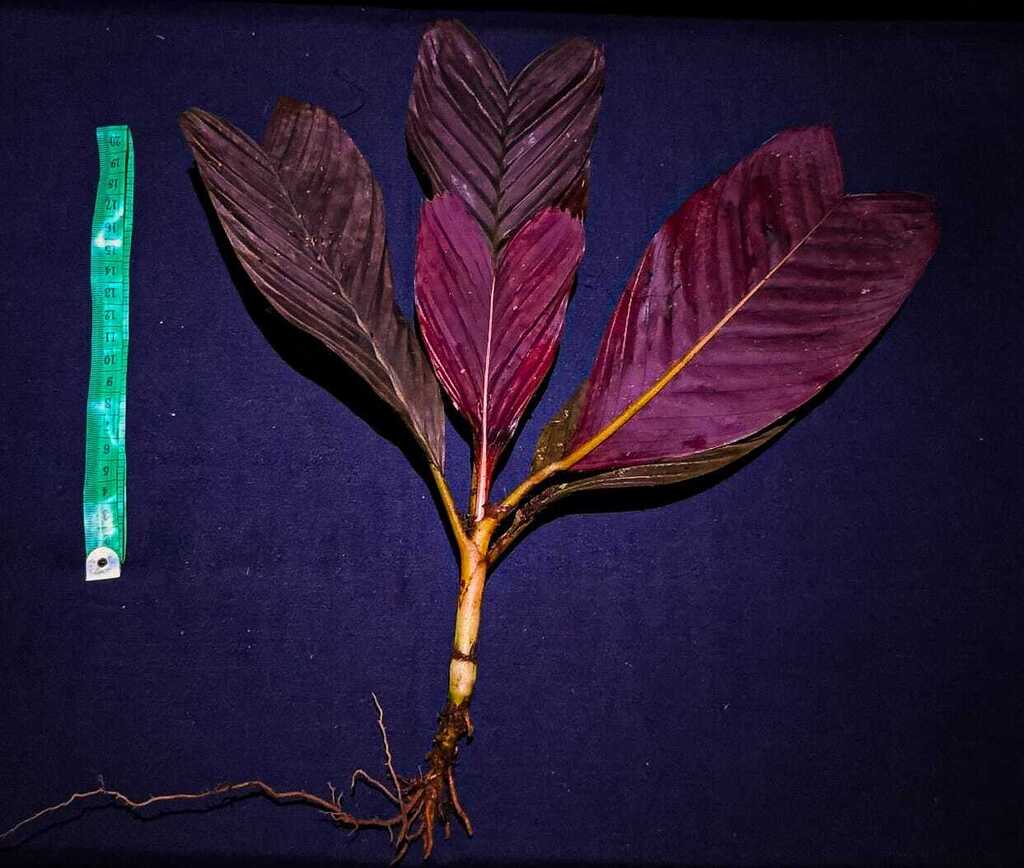
Image via iNaturalist (Research Grade). (c) Carolius Jose Raja, some rights reserved (CC BY-NC)


1. Introduction
Habitat and Distribution
Pinanga veitchii is endemic to the island of Borneo, with populations found in Sabah and Sarawak (Malaysia), Brunei, and Kalimantan (Indonesia). This spectacular understory palm inhabits primary lowland and hill dipterocarp forests from near sea level to 1,200 meters elevation, with optimal populations between 200-800 meters. It grows in deep shade along stream banks, steep slopes, and valleys where humidity remains consistently high.
Native Continent
Scientific Classification
Synonyms
- Pinanga barnesii Becc. (1889)
- Nenga veitchii (H.Wendl. ex H.J.Veitch) Becc.
- Pinanga elmeri Becc.
- Sometimes confused with P. coronata in literature
Common Names
- English: Veitch's pinanga, Ivory crown palm
- Malay: Pinang Veitch
- Chinese: 维奇槟榔 (wéi qí bīn láng)
- French: Palmier de Veitch
Global Expansion
Pinanga veitchii has achieved moderate distribution in specialty collections due to its stunning ornamental qualities:
- Botanical Gardens: Singapore Botanic Gardens, Bogor Botanical Gardens, Fairchild Tropical Botanic Garden
- Private Collections: Hawaii, Florida, California, Queensland
- Commercial Availability: Available from specialist nurseries
- Seed Trade: Seeds regularly offered in trade networks
- Tissue Culture: Protocols established for propagation
2. Biology and Physiology
Morphology
Trunk/Stem
P. veitchii typically develops a solitary trunk, though occasional clustering occurs from basal shoots. The trunk reaches 3-6 meters in height with a diameter of 5-8cm. Young trunks are green, becoming gray-brown with age, marked with prominent, closely spaced ring scars. The internodes are short (2-4cm), giving a bamboo-like appearance.
Leaves
The crown consists of 6-10 pinnate leaves forming an elegant, spreading canopy. Leaves measure 1.5-2.5 meters long with distinctive characteristics. New leaves emerge bright orange-red to coral pink, gradually changing through yellow to deep green - this spectacular color progression is the species' most prized feature. The crownshaft is 30-50cm long, colored cream to pale yellow, creating the "ivory crown" effect.
Flower Systems
P. veitchii is monoecious with infrafoliar inflorescences emerging below the distinctive crownshaft. The inflorescence is 20-40cm long, branched to one order with 8-15 spreading rachillae. Flowers are arranged in characteristic triads (two males flanking one female) along the rachillae. Male flowers are small (3-4mm), cream-colored with 6 stamens. Female flowers are slightly larger (4-5mm), greenish-cream.
Life Cycle
- Germination to seedling: 1-3 months (rapid initial growth)
- Juvenile phase: 2-5 years (crown color develops)
- Sub-adult phase: 5-8 years (trunk elongation)
- Adult phase: 8-30 years (peak ornamental value)
- Senescent phase: 30-40 years (gradual decline)
Specific Adaptations to Climate Conditions
- Deep Shade Tolerance: Thrives in 2-5% of full sunlight
- Colorful New Growth: Attracts specific pollinators
- Rapid Growth: Competes in dynamic forest understory
- High Humidity Requirement: Specialized for rainforest conditions
- Temperature Sensitivity: Narrow optimal range
- Shallow Root System: Efficient nutrient capture in topsoil
3. Reproduction and Propagation
Seed Reproduction
Seed Morphology and Diversity
P. veitchii produces ovoid to ellipsoid fruits, 1.2-1.8cm long and 0.8-1.2cm diameter. Immature fruits are green, ripening to bright red or scarlet, occasionally orange-red. The epicarp is thin and smooth; mesocarp is thin, fibrous, and slightly sweet; endocarp is thin and papery. Seeds are ovoid, 0.8-1.2cm long, with ruminate endosperm showing a distinctive pattern. Fresh seed weight is 0.5-1.5 grams.
Detailed Seed Collection and Viability Testing
- Monitor for color change to bright red
- Collect promptly - birds compete for fruits
- Daily collection during fruiting season
- Process within 48 hours
Viability Testing Methods
- Visual: Plump, firm seeds with no mold
- Float test: Sinkers usually viable
- Cut test: White, marbled endosperm
- Fresh viability: 85-95%
Pre-germination Treatments
- Remove red pericarp immediately
- Soak 24 hours to soften
- Clean thoroughly
- Never allow drying
- 24-48 hours in warm water
- Change water twice daily
- Add fungicide to prevent contamination
Step-by-step Germination Techniques
- Medium: 50% peat, 30% perlite, 20% fine sand
- Container: Community seed trays acceptable
- Sowing: Plant 1-2cm deep
- Temperature: Constant 25-30°C (77-86°F)
- Humidity: 80-90%
- Light: Deep shade from start
- Moisture: Consistently moist, never waterlogged
Germination Difficulty: Easy to Moderate
Success factors include fresh seeds, stable warm temperature, high humidity maintenance, and avoiding overwatering.
Germination Time
- First emergence: 30-60 days
- Peak germination: 60-90 days
- Complete: within 120 days
- Success rate: 70-90% with fresh seeds
Seedling Care and Early Development
- Maintain germination conditions
- First leaves often simple
- No fertilization needed
- 90% shade essential
- Begin weak liquid feeding
- Pinnate leaves develop
- Maintain high humidity
- Color may appear in new leaves
- Transplant to individual pots
- Regular feeding program
- Crownshaft color developing
- Growth rate accelerates
Advanced Germination Techniques
Hormonal Treatments for Germination Enhancement
- Concentration: 100-250 ppm
- Soak time: 24 hours
- Limited improvement (10-15%)
- May speed emergence
- 28-30°C soil temperature
- Significant improvement
- Reduces germination time
- Increases success rate
4. Cultivation Requirements
Light Requirements
Species-specific Light Tolerance Ranges
- Seedlings (0-1 year): 50-200 μmol/m²/s (95% shade)
- Juveniles (1-3 years): 200-400 μmol/m²/s (90% shade)
- Sub-adults (3-6 years): 400-600 μmol/m²/s (85% shade)
- Adults: 500-800 μmol/m²/s maximum (80% shade)
- Critical: Never tolerates direct sun exposure
Seasonal Light Variations and Management
- Consistent deep shade required year-round
- No seasonal adjustment needed
- Morning sun fatal to leaves
- Protect from light gaps in canopy
Artificial Lighting for Indoor Cultivation
- Low light requirements ideal for indoors
- Standard fluorescent adequate
- 8-10 hour photoperiod
- 50-150 foot-candles sufficient
Temperature and Humidity Management
Optimal Temperature Ranges
- Ideal: 24-28°C (75-82°F)
- Acceptable: 20-32°C (68-90°F)
- Minimum survival: 15°C (59°F)
- Maximum tolerance: 35°C (95°F)
- Dislikes temperature fluctuations
Cold Tolerance Thresholds
- Damage threshold: 18°C (64°F)
- Severe damage: 15°C (59°F)
- Fatal: Below 12°C (54°F)
- No frost tolerance
Hardiness Zone Maps
- USDA Zones: 10b-11
- Marginal: Zone 10a
- Sunset Zones: 23-24, H2
- European: H1a only
Humidity Requirements and Modification
- Optimal: 70-85% minimum
- Below 60%: Leaf damage occurs
- Constant humidity critical
- Misting beneficial but avoid crown
Soil and Nutrition
Ideal Soil Composition and pH
- pH preference: 5.5-6.5 (slightly acidic)
-
Rainforest mix:
- 40% quality peat or coir
- 20% aged leaf compost
- 20% perlite
- 10% fine orchid bark
- 10% charcoal
- Rich, moisture-retentive essential
Nutrient Requirements Through Growth Stages
- No feeding first 6 months
- Then 1/4 strength monthly
- Balanced formulation
- NPK ratio: 3-1-2
- Bi-weekly in growth season
- Micronutrients important
- NPK ratio: 10-5-10
- Weekly during growth
- Higher nitrogen beneficial
Organic vs. Synthetic Fertilization
- Fish emulsion excellent
- Worm casting tea
- Composted leaf mulch
- Slow-release preferred
- Liquid applications best
- Quarter strength regularly
- Avoid salt buildup
- Flush monthly
Micronutrient Deficiencies and Corrections
- Iron: Common - chelated iron monthly
- Magnesium: Epsom salts bi-monthly
- Manganese: Occasional deficiency
- Calcium: Rarely needed
Water Management
Irrigation Frequency and Methodology
- Constant moisture essential
- Never allow drying
- Daily in warm weather
- Reduce slightly in cool season
Drought Tolerance Assessment
- Rapid decline if dry
- Leaf tips brown immediately
- Recovery difficult
Water Quality Considerations
- Prefers soft water
- Rainwater ideal
- Avoid hard water
- Chlorine sensitive
Drainage Requirements
- Good drainage but moisture-retentive
- No waterlogging tolerance
- Organic matter improves balance
- Monitor in wet season
5. Diseases and Pests
Common Problems in Growing
- Low humidity damage: Most common issue
- Spider mites: In dry conditions
- Scale insects: On crownshaft
- Root rot: If overwatered
Identification of Diseases and Pests
Fungal Issues
- Leaf spots: Various species in high humidity
- Root rot: Pythium, Phytophthora
- Anthracnose: On new growth
Common Pests
- Spider mites: Fine webbing
- Scale: White/brown bumps
- Mealybugs: Cotton masses
- Thrips: Leaf silvering
Environmental and Chemical Protection Methods
Prevention First
- Maintain optimal conditions
- Good air circulation
- Remove dead material
- Quarantine new plants
Treatment Options
- Neem oil for most pests
- Systemic for persistent scale
- Fungicides preventatively
- Beneficial predators
6. Indoor Palm Growing
Specific Care in Housing Conditions
Indoor Advantages
- Low light needs perfect for indoors
- Compact size ideal for containers
- Beautiful year-round appearance
- Colorful new growth spectacular indoors
Success Requirements
- Humidity control essential
- Stable temperatures
- Away from AC/heat sources
- Regular misting
Placement Options
- Bathrooms excellent (high humidity)
- North windows ideal
- Terrariums for young plants
- Humidity trays help
Replanting and Wintering
Replanting Schedule
- Annually when young
- Every 2-3 years when mature
- Spring optimal timing
Technique
- Water day before
- Minimal root disturbance
- Same planting depth
- High humidity after
- No fertilizer for 1 month
Winter Care
- Maintain 20°C (68°F) minimum
- Increase humidity
- Reduce watering 25%
- No fertilizer Dec-Feb
- Watch for spider mites
- Provide maximum available light
7. Landscape and Outdoor Cultivation
Garden Applications
- Understory palm supreme
- Tropical shade gardens
- Fernery companion
- Container specimen
Design Impact
- Colorful new growth focal point
- Elegant form
- Compact size useful
- Year-round interest
8. Cold Climate Cultivation Strategies
Cold Hardiness
Minimal cold tolerance - true tropical species requiring constant warmth.
Winter Protection
- Greenhouse only below Zone 10b
- Minimum 15°C (59°F)
- High humidity essential
- No cold drafts
Hardiness Zone
- USDA 10b-11: Outdoor cultivation possible
- Zone 10a: Risky
- Zones 9 and below: Heated protection elsewhere
Winter Protection Systems and Materials
Greenhouse Culture
- Warm greenhouse required
- Humidity systems essential
- Shade even in winter
- Stable temperatures critical
Establishment and Maintenance in Landscapes
Planting Techniques for Success
- Deep shade mandatory
- High humidity area
- Wind protection
- Rich soil
- Extensive organic matter
- Ensure drainage
- Acidify if needed
- Deep cultivation
- Spring/summer only
- Shade cloth temporary
- Water immediately
- Mulch heavily
Long-term Maintenance Schedules
Final Summary
Pinanga veitchii stands as one of the most ornamental understory palms in cultivation, combining elegant form with spectacular coloration. Native to Borneo's rainforests, this relatively fast-growing species rewards growers with bright orange-red new leaves and a distinctive cream-colored crownshaft that inspired its common name, the ivory crown palm.
Success with P. veitchii depends on understanding its rainforest understory origins: deep shade (80-95%), constant warmth (24-28°C), high humidity (70-85%), and consistently moist, humus-rich soil. The species shows no tolerance for direct sun, drought, or cold, making it suitable only for tropical gardens or controlled environments. However, its low light requirements make it an excellent houseplant where humidity can be maintained.
Propagation is straightforward with fresh seeds germinating readily in 30-90 days. The key is sourcing fresh seeds, as viability drops rapidly. Once established, growth is relatively quick for an understory palm, with the colorful new growth appearing within 2-3 years and flowering possible by age 6-8.
For tropical gardeners or indoor plant enthusiasts able to provide appropriate conditions, P. veitchii offers unmatched ornamental value. The regular emergence of brilliant orange-red new leaves against the deep green older foliage creates a living kaleidoscope, while the ivory-colored crownshaft adds architectural interest. Its compact size, shade tolerance, and relatively fast growth make it more practical than many rare palms, while its spectacular coloration ensures it remains a prized specimen wherever grown.
Never forget this is a true rainforest understory species—provide the deep shade, warmth, and humidity of its native habitat, and P. veitchii will reward with one of nature's most colorful palm displays.