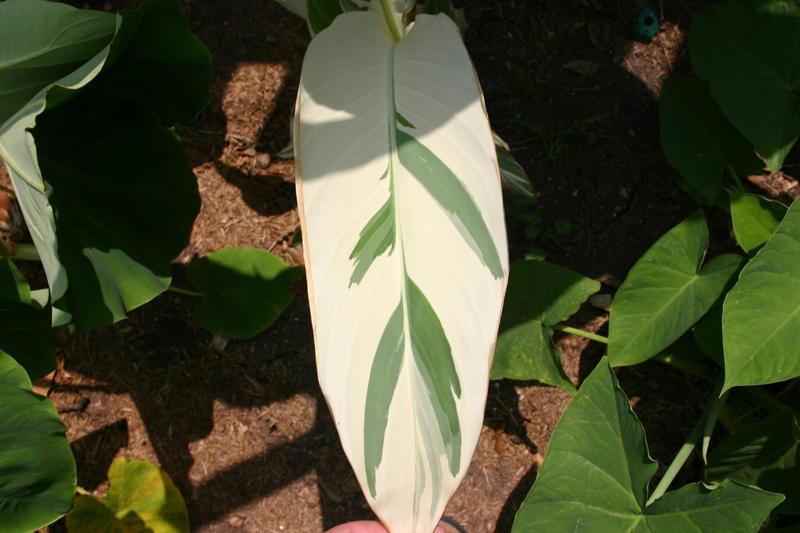
Canna 'Stuttgart' (Stuttgart Canna)

Canna 'Stuttgart' (Stuttgart Canna) - Complete Bulb Growing Guide

Canna 'Stuttgart'

Complete Bulb Growing Guide – Canna Rhizome
⏱ 19 min read
Canna • Rhizome • Summer Bloomer
Canna 'Stuttgart' botanical illustration Rhizome botanical illustration of Canna 'Stuttgart' Canna • Rhizome
🌿
Rhizome
☀️
Summer Bloomer
Orange
150cm
Height
soil line 10cm
Plant 10cm Deep
1234567891011
USDA Zones 7–11
Features
Deer Resistant

Introduction & History

Botanical introduction Vintage botanical plate introducing Canna 'Stuttgart' Botanical Plate Canna 'Stuttgart' Cannaceae

Canna 'Stuttgart', commonly known as Stuttgart Canna, is a summer-blooming rhizome belonging to the Cannaceae family. Native to tropical and subtropical Americas, this Canna species has earned a valued place in ornamental horticulture for its orange flowers that appear during summer, from June through August in most growing zones. Growing to approximately 150 cm tall, it produces distinctive blooms that add color and interest to the garden. The storage organ is a horizontally growing underground stem that produces roots and shoots at its nodes, spreading laterally through the soil. When planted at the recommended depth of 10 cm with 45 cm spacing, this species thrives in USDA hardiness zones 7-11. It performs best in well-drained soil with adequate moisture during the growing season, followed by drier conditions during dormancy. This species is deer and rabbit resistant, making it valuable in areas with wildlife pressure. In garden design, Canna 'Stuttgart' works effectively in borders, mixed plantings, and background positions. The orange flowers complement a wide range of garden styles, from formal beds to naturalistic meadow plantings. With proper care and suitable growing conditions, this bulb rewards gardeners with dependable seasonal displays year after year.

Family: Cannaceae
Genus: Canna
Type: Rhizome
Group: Cultivar

History & Origin

Canna 'Stuttgart' is a garden cultivar within the genus Canna, which belongs to the Cannaceae family. The genus originates from tropical and subtropical Americas, where wild species have been growing for millennia. The breeding and selection of Canna cultivars has a long history in horticulture. Modern cultivars like Canna 'Stuttgart' represent decades of selective breeding to enhance flower color, form, size, and garden performance. Plant breeders have worked to combine the best traits of species and existing hybrids to create improved varieties. Canna 'Stuttgart' has become a popular choice among gardeners for its reliable orange flowers and proven garden performance. It is commercially available from major bulb suppliers and garden centers worldwide, making it accessible to gardeners of all experience levels.

Botanical Description

Bulb anatomy Cross-section showing internal structure of Canna 'Stuttgart' Rhizome Anatomy Emerging shoot Outer tunic Fleshy scales Growing point Basal plate Key Dimensions Plant height: ~150 cm Planting depth: 10 cm Storage type: Rhizome Rule of thumb: plant 2-3x bulb height deep

Canna 'Stuttgart' develops from a rhizome, which is a horizontally growing underground stem that produces roots and shoots at its nodes, spreading laterally through the soil. The plant reaches a mature height of approximately 150 cm under optimal growing conditions. The leaves are typically basal or stem-clasping, emerging with the flower stems. Foliage is mid to dark green, with a lanceolate to ovate shape characteristic of the genus Canna. Flowers are orange, appearing during summer, from June through August in most growing zones. The floral structure follows the typical pattern of the Cannaceae family. Individual blooms are held on sturdy stems above the foliage. As a cultivar, it is best propagated vegetatively to maintain its specific characteristics. The root system develops from the base of the rhizome, with fleshy contractile roots that help position the storage organ at the optimal depth in the soil over successive growing seasons.

Planting Guide

Planting depth guide Planting depth and spacing diagram for Canna 'Stuttgart' Planting Depth & Spacing Guide Soil surface Mulch 10 cm 45 cm spacing Planting Tips Point facing up Water after planting Add 5 cm mulch layer Well-drained soil essential Avoid waterlogged areas

Plant Canna 'Stuttgart' in spring (March-May) after the last frost at a depth of 10 cm, measured from the base of the rhizome to the soil surface. Space individual rhizomes 45 cm apart to allow adequate room for growth and air circulation. Choose a site with full sun (6+ hours direct sunlight daily). The soil should be well-drained, moderately fertile, and neutral to slightly alkaline (pH 6.5-7.5). Prepare the planting area by loosening the soil to a depth of at least 20 cm. Incorporate well-rotted compost or aged manure to improve soil structure and fertility. Ensure good drainage to prevent waterlogging, which can cause rot. Plant with growing points facing upward. Water thoroughly after planting to settle the soil around the rhizome and encourage root development.

Container Growing

Canna 'Stuttgart' grows well in containers, making it suitable for patios, balconies, and small gardens. Use a pot at least 30-45 cm in diameter with drainage holes. Fill with a free-draining compost mix: equal parts multipurpose compost, sharp sand, and perlite. Plant at the same depth as in open ground (10 cm). You can plant more closely in containers than in borders — approximately 8-12 cm apart for a fuller display. Water regularly during the growing season, allowing the top 2 cm of compost to dry between waterings. Feed every 2 weeks with a dilute liquid fertilizer during active growth. Move containers to a cool, frost-free location for winter. Repot every 2-3 years with fresh compost.

Cultivation & Care

Seasonal care Monthly care calendar overview for Canna 'Stuttgart' Seasonal Care Overview 🌱 Spring Active growth Feed regularly Water as needed Water Feed ☀️ Summer Peak bloom Water deeply Deadhead spent Water Feed 🍂 Autumn Lift tender bulbs Clean and store Check for rot Water Feed ❄️ Winter Dormant period Keep frost-free Check stored bulbs Water Feed

During the active growing season, water Canna 'Stuttgart' regularly to maintain consistent soil moisture. Water deeply once or twice weekly rather than light daily watering. Reduce watering as the foliage begins to yellow and die back, indicating the onset of dormancy. Apply a balanced, slow-release fertilizer (10-10-10 or similar) when new growth emerges in spring. A second application of potassium-rich fertilizer (such as 5-10-10) after flowering helps build the rhizome reserves for the following year's bloom. Mulch with 5-8 cm of organic material to conserve moisture, suppress weeds, and moderate soil temperature. Staking may be necessary for taller varieties to prevent wind damage. Remove spent flower heads promptly to prevent energy being diverted to seed production, unless seed is desired for propagation.

Climate & Hardiness

Canna 'Stuttgart' is hardy in USDA zones 7-11. In zones colder than 7, provide winter mulch protection of 8-10 cm to insulate the rhizome from freeze-thaw cycles. This species tolerates warm conditions well and performs reliably in subtropical and tropical gardens. Optimal growing temperatures range from 10-25°C during the active season. Protect from extreme heat above 35°C and sustained freezing below -10°C.

Seasonal Care

Spring: New growth emerges. Begin regular watering and apply first fertilizer dose. Watch for emerging pests. Summer: Peak flowering period. Maintain consistent moisture. Deadhead spent blooms. Monitor for pests and diseases. Autumn: Reduce watering as plants enter dormancy. Apply mulch for winter protection. Winter: Bulbs are dormant underground. No active care needed. Ensure mulch is in place in cold zones.

Common Mistakes to Avoid

Common mistakes when growing Canna 'Stuttgart' include: 1. Planting too shallow or too deep. The correct depth is 10 cm from the base of the rhizome to the soil surface. 2. Underwatering during the active growing season. These plants need consistent moisture while growing and flowering. 3. Removing foliage too early after flowering. Allow leaves to yellow and die back naturally over 6-8 weeks to replenish the storage organ. 4. Failing to provide adequate drainage in containers and planting sites. 5. Neglecting to divide congested clumps every 3-4 years, leading to reduced flowering. 6. Using excessive nitrogen fertilizer, which promotes leafy growth at the expense of flowers. Use a balanced or potassium-rich feed. 7. Planting in too much shade, which reduces flowering over time.

Seasonal Care Calendar

Monthly Care Intensity Chart WaterFeedJanFebMarAprMayJunJulAugSepOctNovDec12345

🌱 Spring (Mar–May)

Water: Light
Feeding: Light feeding
Plant after last frost when soil warms to 15°C. Begin watering and feeding as growth starts.

☀️ Summer (Jun–Aug)

Water: Regular
Feeding: Regular feeding
Water deeply and regularly during active growth and flowering. Feed every 2-3 weeks with balanced fertilizer.

🍂 Autumn (Sep–Nov)

Water: Light
Feeding: No feeding
After first frost, lift tender bulbs/tubers. Cut stems to 10cm, dry for a week, then store in cool, frost-free conditions.

❄️ Winter (Dec–Feb)

Water: Minimal
Feeding: No feeding
Check stored bulbs monthly for rot. Keep in cool (5-10°C), dry, dark location.

Propagation

Propagation methods Division and offset propagation diagram for Canna 'Stuttgart' Propagation Methods Division of Offsets Parent rhizome Offset Rhizome Division New bulblets form Moist vermiculite 20°C for 8-12 weeks From Seed Harvest ripe seed Sow in autumn 3-5 years to bloom Patience required!

Divide Canna 'Stuttgart' rhizomes every 3-4 years to maintain vigor and prevent overcrowding. The best time for division is immediately after flowering or during the dormant period. Lift the clump carefully with a garden fork. Cut the rhizome into sections, each with at least 2-3 healthy growing points and a good root system. Discard any old, woody, or diseased portions from the center of the clump. Dust cut surfaces with fungicide powder and allow to dry for several hours before replanting. Replant divisions at the same depth as the original, spacing them 45 cm apart. Water well after planting and maintain consistent moisture until new growth is established. Division also helps rejuvenate declining clumps and control the spread of aggressive growers.

Diseases & Pests

Disease identification Common diseases and pests affecting Canna 'Stuttgart' Common Diseases & Pests Basal Rot Fusarium fungus Soft, brown decay Fix: improve drainage Grey Mould Botrytis cinerea Fuzzy grey patches Fix: air circulation Remove affected parts Slugs & Snails Eat emerging shoots Worst in wet weather Fix: iron phosphate pellets or barriers Aphids Spread virus diseases Cluster on new growth Fix: insecticidal soap

Iris borers, root-knot nematodes, and bacterial soft rot are key concerns. Crown rot and rhizome rot develop in waterlogged conditions. Ensure excellent drainage and avoid burying rhizomes too deeply. Aphids can spread viral diseases; control with insecticidal soap. Slugs and snails damage young growth. Remove and destroy any rotting rhizome sections, cutting back to healthy tissue and dusting with sulfur. Divide congested clumps every 3-4 years to maintain vigor and air circulation.

Garden Uses & Companions

Garden design Landscape design layout featuring Canna 'Stuttgart' Garden Design Layout Companion Planting Bulbs (focal group) Ornamental grasses Salvias / Agastache Ground cover Annuals (gap filler)

Canna 'Stuttgart' is effective planted in groups of 5-9 for a balanced display. At 150 cm, it provides vertical accent and works best at the back of borders. The orange flowers create a bold statement to the garden during summer, from June through August in most growing zones. Suitable for cottage gardens, wildflower meadows, woodland edges, and informal borders. Consider succession planting with different varieties to extend the flowering season within the genus.

Companion Planting

Pair with ornamental grasses such as Pennisetum and Miscanthus for textural contrast. Combine with summer perennials including Echinacea, Rudbeckia, Salvia, and Agastache. Low-growing annuals like lobelia, alyssum, and petunias can fill gaps at the base. Silver-foliaged plants such as Artemisia and Stachys byzantina create striking color contrasts. Group with other summer bulbs for a tropical effect.

Frequently Asked Questions

When is the best time to plant Canna 'Stuttgart'?

Plant Canna 'Stuttgart' in spring (March-May) after the last frost. Ensure the soil is workable and not waterlogged. Plant at a depth of 10 cm with 45 cm spacing.

How deep should I plant Canna 'Stuttgart' rhizomes?

Plant at a depth of 10 cm, measured from the base of the rhizome to the soil surface. A general rule is to plant at 2-3 times the height of the rhizome.

Why isn't my Canna 'Stuttgart' flowering?

Common causes include: planting too shallow, insufficient sunlight, congested clumps needing division, removing foliage too early the previous year, or lack of nutrients. Apply a potassium-rich fertilizer after flowering.

Can I grow Canna 'Stuttgart' in containers?

Yes. Use a pot at least 30 cm wide with drainage holes. Plant at the same depth as in open ground and use a well-drained compost mix.

Is Canna 'Stuttgart' deer resistant?

Yes, Canna 'Stuttgart' is generally avoided by deer and rabbits.

Explore More Plant Encyclopedias

Roses Palms Ferns Carnivorous Bulbs

Canna 'Stuttgart' (Stuttgart Canna) is a summer-blooming rhizome from the Cannaceae family, producing orange flowers on stems reaching 150 cm. Hardy in USDA zones 7-11, it thrives in well-drained soil in full sun when planted at 10 cm depth. A reliable performer in borders and containers.

Quick Reference: Canna 'Stuttgart'

Genus: Canna
Type: Rhizome
Bloom Season: Summer Bloomer
Color: Orange
Fragrance: None
Planting Depth: 10 cm
USDA Zones: 7-11

Key Principles: Plant at the correct depth, ensure good drainage, allow foliage to die back naturally, and store tender bulbs over winter in cold climates.

Späť na blog