Impuestos incluidos.
Los gastos de envío se calculan en la pantalla de pago.
No se pudo cargar la disponibilidad de retiro
Pinus gerardiana "Kohistan" - VIRIAR.COM
Pinus gerardiana "Kohistan"
Chilgoza Pine, Himalayan Pine, Pine Nuts
Premium seeds from the majestic Himalayan mountains – cultivate your own rare alpine treasure
About Pinus gerardiana "Kohistan"
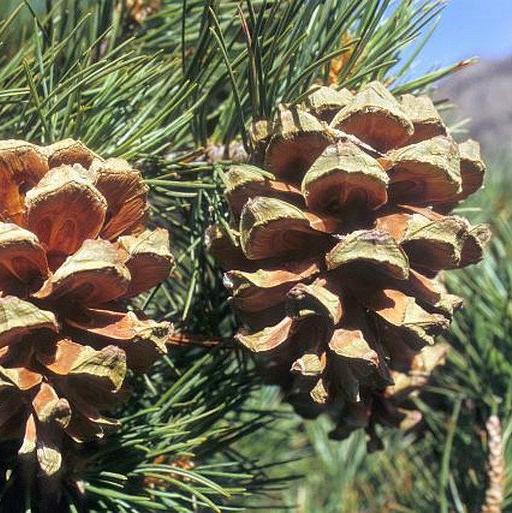
Pinus gerardiana, commonly known as Chilgoza Pine, Neja, or Himalayan Pine, is a remarkable small to medium-sized evergreen conifer native to the northwestern Himalayas. This species thrives in regions spanning Afghanistan, Pakistan, and India, where it has been valued for millennia as both a timber source and producer of nutritious pine nuts.
The "Kohistan" variant is specifically named after the Kohistan district in northern Pakistan, a mountainous region where this exceptional pine variety naturally flourishes. This particular cultivar represents the authentic genetic heritage of pine nuts production regions, making it highly sought after by collectors and growers seeking genuine Himalayan genetics.
Physical Characteristics: Pinus gerardiana typically reaches heights of 10-25 meters (33-82 feet) with an impressive trunk diameter of up to 1 meter (3.3 feet). Young trees display a characteristic conical shape that becomes increasingly irregular and rounded with maturity – a natural adaptation to harsh alpine winds. The bark is distinctly thick, deeply fissured, and exhibits a striking reddish-brown coloration. Needle fascicles contain three long, slender needles arranged tightly around the shoot, creating an elegant fine-textured appearance. Mature cones are woody and ovoid, containing large edible seeds encased in remarkably hard protective shells.
🌲 Significance: For mountain communities throughout the Himalayas, Pinus gerardiana represents far more than an ornamental tree – it is a vital source of nutrition, commerce, and cultural heritage. The nutritious pine nuts, known locally as "chilgoza," provide essential fats, proteins, and minerals. They command premium prices in international markets, making pine nut production a critical economic activity for rural Himalayan populations.
Ecological Importance: In its native habitat, Pinus gerardiana plays a crucial role in high-altitude forest ecosystems, stabilizing steep mountainous terrain and providing shelter for diverse wildlife. The species represents thousands of years of natural selection in extreme alpine conditions, resulting in exceptional drought tolerance and cold hardiness. Growing this species in cultivation preserves this ancient genetic lineage while supporting biodiversity conservation efforts.
Cultivation Requirements
Light Requirements
Pinus gerardiana demonstrates an absolute preference for full sun exposure. The species requires a minimum of 6-8 hours of direct, unobstructed sunlight daily for optimal growth trajectories and maximum seed production potential. While the tree can tolerate partial shade conditions, it performs most vigorously in open, sunny locations that provide consistent, direct solar radiation throughout the growing season.
Temperature & Hardiness
This exceptional alpine species exhibits outstanding cold tolerance and is suitable for USDA hardiness zones 7-9. Pinus gerardiana thrives in cooler, mountainous climates and demonstrates remarkable resilience in harsh winter conditions. Established specimens tolerate sustained temperatures dropping to -15°C (5°F) without significant damage. This exceptional cold hardiness reflects millennia of natural selection in extreme alpine environments where winter temperatures regularly plunge well below freezing.
Soil Composition
Pinus gerardiana demonstrates a distinct preference for well-draining soils with a neutral to slightly acidic pH range of 6.0-7.5. The species exhibits remarkable adaptability to diverse soil types, including sandy, loamy, rocky, and even poor, nutrient-deficient soils commonly encountered in its native mountainous regions. Exceptional drainage is absolutely critical – waterlogged or poorly-draining soils will cause root rot and tree decline. When establishing plantings, amend heavy clay soils with generous quantities of coarse sand, gravel, and organic matter to improve drainage characteristics substantially.
Water Management
Once established, Pinus gerardiana exhibits exceptional drought tolerance reflecting its semi-arid alpine origins. Young, recently planted trees require regular supplemental watering to help establish comprehensive, deep root systems during their establishment phase. Water moderately and allow the soil to dry substantially between applications – never maintain continuously wet conditions. Mature, established trees demand minimal supplemental watering except during prolonged drought periods. The species is inherently well-suited to arid and semi-arid environmental conditions.
Planting & Care Guide
Planting Procedure
Plant Pinus gerardiana during the cool season – either spring or fall – when ambient temperatures are moderate and favorable for root establishment. Select a location featuring full sun exposure and exceptionally well-draining soil. Excavate a planting hole that is precisely twice the width and equivalent in depth to the root ball. Position the tree carefully, ensuring the top of the root ball aligns flush with soil level. Backfill gradually with amended soil, pressing gently to eliminate air pockets. Water thoroughly after planting to settle the soil and establish initial contact between roots and surrounding medium.
Fertilization Strategy
Fertilization is typically unnecessary for Pinus gerardiana, as the species thrives in the naturally nutrient-poor soils characteristic of its alpine habitat. However, in demonstrably nutrient-deficient soils, a light application of balanced, slow-release fertilizer during spring promotes vigorous, healthy growth. Apply according to product specifications, taking care to avoid excessive nitrogen, which promotes weak, elongated growth at the expense of structural integrity. Generally, this species prefers minimal supplementation in typical garden soils.
Pruning Practices
Pruning requirements for Pinus gerardiana are minimal, allowing the species to develop its naturally graceful form. Remove dead, damaged, diseased, or crossing branches promptly to maintain optimal tree structure and health. Perform pruning during late winter or earliest spring, before new growth flushes emerge. Avoid heavy pruning or deformation of the natural form, which can weaken the tree and compromise its aesthetic qualities. Light, selective pruning maintains vigor and encourages development of strong branch architecture.
Propagation Methods
Seed Collection & Preparation
Pinus gerardiana is primarily propagated through seeds collected from mature cones during autumn. Harvest fully mature, hard-shelled cones displaying golden-brown coloration. Extract seeds carefully, then soak them in room-temperature water for 24 hours to soften the rigid outer seed coat and significantly improve subsequent germination rates. Stratification – exposing seeds to several weeks of cool, moist conditions – mimics natural winter conditions and enhances germination substantially. Mix seeds with moist sand in a sealed container and refrigerate at 4°C (39°F) for 30-60 days prior to sowing.
Germination Process
Sow stratified seeds in well-draining seed-starting medium and place in a sunny location receiving minimum 6 hours of direct daily light. Maintain consistent moisture – soil should feel like a wrung-out sponge, never waterlogged or completely dry. Germination occurs over an extended period: expect first seedlings to emerge 3-6 weeks after sowing, with continued germination over subsequent weeks and even months. Germination rates vary considerably based on seed viability and environmental conditions. Maintain patience – some seeds germinate slowly or may require additional stratification cycles.
Transplanting Seedlings
Young seedlings require careful handling and protection during their vulnerable establishment phase. Once seedlings have developed several sets of true needles and are approximately 10-15 cm in height, they can be transplanted into individual pots filled with well-draining seed-starting medium. Minimize root disturbance during transplanting – gently handle seedlings by the foliage rather than the delicate stem. Maintain consistent warmth (18-24°C) and bright light during seedling development. Harden off seedlings gradually before outdoor planting, progressively exposing them to brighter light and cooler temperatures.
Young Tree Establishment
Young trees can be transplanted to outdoor locations, though this should be conducted during early growth stages for optimal success. Exercise extreme caution to minimize root disturbance during transplanting – preserve as much intact soil around the root ball as possible. Young trees require consistent moisture during their first growing season but should never experience waterlogging. Provide dappled shade protection during the first summer, then gradually transition to full sun exposure as plants mature. Expect relatively slow growth during establishment – this is entirely normal and reflects the species' natural growth rate.
Quick Reference Guide
Botanical Name
Pinus gerardiana
Common Names
Chilgoza Pine, Neja, Pine Nuts
Cultivar
"Kohistan" (Pakistan)
Native Region
Northwestern Himalayas
Mature Height
10-25 m (33-82 ft)
Hardiness Zones
USDA 7-9 (-15°C)
Light Requirement
Full Sun (6-8 hrs daily)
Notable Feature
Edible Pine Nuts
VIRIAR.COM
Premier Provider of Rare & Exotic Seeds from Around the World
Specializing in authentic Himalayan germplasm and premium tree seeds selected with exceptional care and botanical expertise.
At VIRIAR, we specialize in delivering premium tropical plants, exotic palms, and rare seeds from our nursery in Topoľníky, Slovakia to plant enthusiasts worldwide. Every shipment is carefully packaged with phytosanitary certificates and expert care instructions to ensure your plants arrive healthy and ready to thrive.
Live Plant Shipping Expertise
We've perfected the art of shipping live tropical plants internationally. Each plant is bare-rooted, wrapped in protective materials, and shipped with moisture-retaining packaging. Our plants are quarantine-certified and come with all necessary documentation for customs clearance.
Global Delivery Network
Real-time tracking from our nursery in Slovakia to your doorstep anywhere in the world
Live Shipments
Active Routes7
Countries Served190+
Avg. Delivery Time6-8 days
Success Rate99.7%
Plants in Transit247
45,000+
Plants Delivered
€45
Starting Shipping Cost
24/7
Tracking Available
100%
Insured Shipments
Our Trusted Shipping Partners
Expert Packaging
Professional bare-root prep, moisture control, protective wrapping for long journeys.
Packaging Process
Roots cleaned & trimmed
Moist sphagnum moss wrap
Bubble wrap protection
Breathable plastic seal
Insulated box cushioning
Phyto Certificates
Official EU certificates and health inspections for international transport.
Documents Included
EU phyto certificate
Health inspection report
CITES permit if needed
Customs invoice
Species ID labels
Live Tracking
Track plants from nursery to doorstep with real-time updates.
Track & Trace
SMS & email alerts
Live GPS location
Delivery time window
Customs status
Delivery photo
Climate Control
Weather monitoring and insulated packaging for temperature protection.
Temperature Safety
Thermal insulation boxes
Heat/cold packs ready
Weather monitoring
Safe range: 5-30°C
Delay if extreme
Care Guide
Detailed planting instructions and aftercare tips included.
Complete Manual
Step-by-step planting
Zone hardiness map
Watering schedule
Soil mix recipe
24/7 expert support
Guarantee
100% alive arrival promise or free replacement.
Our Promise
100% alive arrival
Free replacement
Full refund option
Photo proof in 24h
10+ years trusted
Al seleccionar una opción, se actualiza toda la página.