Aloe butiabana: Complete Care & Growing Guide
Aloe butiabana
Aloe butiabana
1. Introduction & Taxonomy
Few succulent genera command the same devotion among collectors and landscapers as Aloe, and Aloe butiabana carries forward the tradition of bold rosette form and vivid flowering that defines the genus. The tubular flowers — typically in shades of red, orange, and yellow — attract sunbirds and hummingbirds, making aloes as ecologically important as they are ornamental. Its natural range in Butiaba Flats east of Lake Albert in western Uganda provides important clues to the growing conditions, seasonality, and environmental cues that drive its growth cycle and flowering.
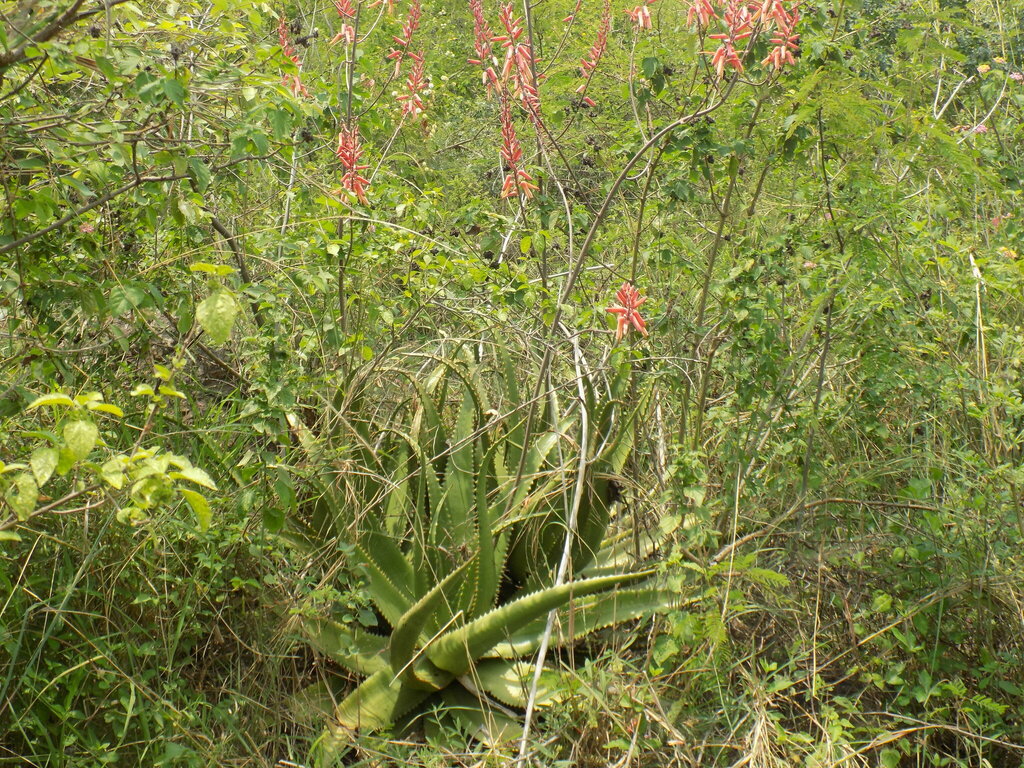
A medium-sized, short-trunked Aloe with glossy leaves and a large, branched inflorescence with bright red flowers. It is native to the Butiaba Flats east of Lake Albert in western Uganda, where it grows in grassland.
Taxonomic Classification
Habitat and Distribution
Aloe butiabana is native to The natural distribution of Aloe butiabana across Butiaba Flats east of Lake Albert in western Uganda provides critical insights into the climate, rainfall patterns, and soil conditions that the species requires for optimal growth in cultivation.. This species is adapted to arid and semi-arid environments and is valued for its ornamental qualities, drought tolerance, and collectability.
Botanical Note: The genus Aloe contains over 500 species of succulent rosettes native primarily to Africa, Madagascar, and the Arabian Peninsula. Aloe vera is one of the world's most widely cultivated medicinal plants. Many species are prized by collectors for their architectural forms, vivid flower colors, and notable drought tolerance.
Native Range & Distribution Map
The map below shows the native range and notable cultivation regions for Aloe butiabana.
2. Biology & Morphology
Growth Form & Architecture
Aloe butiabana forms a rosette of thick, fleshy, succulent leaves, often with marginal teeth and a smooth or tuberculate surface. Aloes range from miniatures just a few centimeters across to massive tree aloes reaching 15+ meters. Most species produce tubular flowers on tall racemes, typically in shades of red, orange, or yellow, that attract sunbirds and other pollinators.
Water Conservation Strategies
Succulents have evolved notable strategies for surviving in arid environments. Thick, fleshy leaves or stems store water reserves. Waxy cuticles and sunken stomata reduce evaporation. Many species use CAM (Crassulacean Acid Metabolism) photosynthesis — opening stomata only at night — dramatically reducing water loss compared to conventional C3 plants.
Key Characteristics
- Height: 0.5–3m
- Growth Habit: Succulent Rosette
- Growth Rate: Moderate under optimal conditions
- Foliage: Evergreen succulent
Succulent Adaptation: Succulents have evolved independently in over 60 plant families — one of the most striking examples of convergent evolution in the plant kingdom. From the stone-mimicking mesembs of Namaqualand to the tree-like aloes of East Africa, these plants demonstrate distinct diversity in their solutions to water scarcity.
Notable Adaptations
Aloe butiabana displays the characteristic aloe architecture — a rosette of succulent leaves that may be smooth, rough, tuberculate, or armed with marginal teeth. The leaf surface often bears spots, bands, or a waxy bloom that reflects excess sunlight. Beneath the epidermis, the bitter aloin layer serves as a chemical defence, while the inner gel stores water. Most aloes are polycarpic, flowering annually or biennially with racemes of tubular flowers in shades of red, orange, and yellow.
3. Reproduction & Propagation
The primary propagation method for Aloe butiabana: Seeds and offsets.
Propagating Aloe butiabana
Propagation of Aloe butiabana is most commonly from offsets — the pups produced around the base of the mother rosette. Detach these when they have developed several leaves and roots of their own, allow the wound to dry for a day or two, then plant in well-drained soil. Seed propagation introduces genetic diversity and is essential for conservation. Aloe seeds are papery and wind-dispersed; sow fresh for best germination.
Seeds of Aloe butiabana should be sown on a well-draining mix of 50% perlite and 50% seed compost. Press seeds gently onto the surface but do not cover. Maintain at 20–25°C and keep slightly moist. Germination typically occurs within 1–4 weeks. Aloes can also be propagated from offsets (pups) that form at the base of mature plants.
Vegetative Propagation
- Offsets/Pups: Many succulents produce basal offsets that can be separated from the parent plant. Allow the cut surface to dry for several days before planting in dry, well-draining mix.
- Leaf Cuttings: Many Crassulaceae (Echeveria, Crassula, Kalanchoe, Sedum) propagate readily from individual leaves placed on dry soil.
- Stem Cuttings: Branching succulents (Euphorbia, Crassula, Aeonium, Senecio) propagate well from stem sections. Allow to callus before planting.
Propagation Tips: (1) Always allow cut surfaces to dry and callus before planting to prevent rot. (2) Use extremely well-draining substrate (50%+ mineral content). (3) Water sparingly until roots establish. (4) Bottom heat (20–25°C) improves rooting success. (5) Protect young plants from intense sun until established.
4. Cultivation Requirements
Cultivation of Aloe butiabana centres on providing excellent drainage and appropriate light. Most aloes prefer full sun but some — particularly those from shaded habitats — appreciate afternoon shade in hot climates. Water moderately during active growth and reduce in winter. Feed sparingly with balanced, dilute fertiliser during the growing season. Aloes are generally forgiving plants that tolerate a degree of neglect.
Soil / Substrate
Well-draining succulent mix with good mineral content. Use a commercial cactus/succulent mix amended with extra perlite or pumice. These genera tolerate slightly richer soil than mesembs. pH 6.0–7.5.
Watering
Water moderately during the growing season, allowing the top few centimeters of soil to dry between waterings. Reduce watering significantly in the dormant season. These genera are more tolerant of occasional overwatering than mesembs, but good drainage remains essential.
Light Requirements
Full sun to bright light for most species. At least 4–6 hours of direct sunlight daily for optimal growth, coloring, and compact form.
Temperature
- Optimal Growth: 15–35°C (59–95°F)
- Minimum Tolerance: –3°C (27°F)
- USDA Hardiness: Zones 9–12
Fertilization
Apply balanced, dilute fertilizer during the growing season. A half-strength liquid fertilizer monthly is sufficient for most species. Reduce or stop feeding during dormancy.
Critical Cultivation Rule: For succulents, drainage is everything. These plants can survive extreme drought and heat — but they cannot survive sitting in wet soil. If in doubt, water less. A plant that looks slightly thirsty is far healthier than one with rotting roots.
Seasonal Care Calendar
Follow this season-by-season guide for optimal care throughout the year.
🌱 Spring (March–May)
Resume regular watering as growth accelerates. Apply dilute succulent fertiliser monthly. Repot if root-bound. Check for mealybugs and aloe mite.
☀️ Summer (June–August)
Water regularly, allowing soil to dry between waterings. Provide full sun to light shade. Monitor for pests.
🍂 Fall (September–November)
Reduce watering as growth slows. Stop fertilising. Check for pests before overwintering indoors.
❄️ Winter (December–February)
Water sparingly. Provide maximum light. Protect from frost. Many aloes flower during winter.
5. Diseases & Pests
Aloe butiabana faces the standard aloe pest complex. Aloe mite is the most disfiguring pest, causing warty, gall-like growths. Mealybugs are the most common insect pest, hiding in the leaf axils. Root rot from poor drainage kills more cultivated aloes than all pests combined. In humid climates, fungal leaf spots may appear. Ensure excellent drainage and air circulation.
Major Problems
Root & Stem Rot
The most common cause of death in succulents. Waterlogged soil, poor drainage, and cold, wet conditions create ideal conditions for Pythium, Phytophthora, and bacterial rot. Symptoms: soft, mushy tissue; brown or black discoloration; foul smell. Prevention: ensure perfect drainage and never overwater.
Mealybugs
White, cottony insects that shelter in leaf axils, between leaves, and on roots. Root mealybugs are particularly insidious as they are invisible above ground. Control: rubbing alcohol on a cotton swab for small infestations; systemic insecticide (imidacloprid) for severe or root infestations.
Common Pests
- Scale Insects — Sap-sucking insects that appear as brown bumps on stems and leaves. Control with horticultural oil or neem oil.
- Spider Mites — Tiny pests that cause stippled, discolored leaves. More common in hot, dry indoor conditions. Increase humidity and use miticide if severe.
- Fungus Gnats — Small flies whose larvae feed on roots in overly moist soil. Allow soil to dry more thoroughly between waterings.
- Snails & Slugs — Can damage soft-leaved species and seedlings. Use slug pellets or copper tape barriers.
Integrated Pest Management: (1) Ensure excellent air circulation and drainage. (2) Quarantine new plants for 2–3 weeks before adding to collections. (3) Inspect regularly — early detection is key. (4) Remove dead leaves promptly. (5) Avoid overhead watering which promotes fungal disease.
Additional Disease & Pest Considerations
Monitor regularly for the first signs of pest or disease problems — early intervention is always more effective than treating established infestations. For succulents, the most common early warning sign is a soft, mushy base or discoloured tissue indicating rot. Act immediately by removing affected tissue and improving drainage.
6. Indoor Growing Guide
Indoor cultivation of Aloe butiabana is possible in very bright conditions. A south-facing conservatory or greenhouse with supplemental lighting offers the best indoor growing conditions.
Container Cultivation
Choose a pot with generous drainage holes. Terracotta is preferred as it allows the soil to dry more quickly than plastic or glazed ceramic. Use a fast-draining succulent mix with at least 50% mineral components (perlite, pumice, coarse sand).
Light & Environment
Maximum light is essential for most succulents indoors. Place in the brightest available position — a south-facing window is ideal. Most succulents tolerate dry indoor air well and do not need misting. Supplemental grow lights can help during winter months and for light-hungry species.
Overwintering Indoors
Move frost-tender species indoors before the first frost. A bright, cool, frost-free position (5–10°C) is ideal for winter. Reduce watering to near zero. The cool, dry rest period promotes flowering in many species.
Indoor Success Tips: For succulents indoors, the motto is: bright, dry, and neglected. These plants thrive on minimal care. Overwatering and insufficient light are the most common indoor problems. A sunny windowsill and watering once every 2–4 weeks is often sufficient.
7. Landscape Use & Design
In landscape design, Aloe butiabana serves as both a structural element and a flowering accent. The rosette provides year-round architectural form, while the seasonal flower spikes — in shades of red, orange, and yellow — provide months of vibrant colour. Aloes are among the most versatile and valuable plants in water-wise landscaping.
Design Applications
- Xeriscaping: Combine with other drought-tolerant plants — cacti, ornamental grasses, and Mediterranean herbs — for a water-wise garden that needs minimal irrigation.
- Rock Garden: Create stunning displays by combining succulents with boulders, gravel mulch, and alpine plants for a naturalistic, low-maintenance effect.
- Container Display: Succulents excel in containers — mix shapes, colors, and textures for living art pieces on patios, balconies, and rooftop gardens.
- Living Walls & Green Roofs: Many hardy succulents (Sempervivum, Sedum, Echeveria) are ideal for vertical gardens and extensive green roofs.
Companion Planting
Create stunning succulent gardens by combining different growth forms:
- Rosette succulents — Aloe, Echeveria, Aeonium, Sempervivum for geometric focal points
- Trailing succulents — Senecio, Sedum, Ceropegia for cascading edges and hanging baskets
- Structural accents — Euphorbia, Pachypodium, tree aloes for vertical drama
- Ground covers — Mesembs, Delosperma, low Sedum for living mulch and carpets of color
Water-Wise Design: In an era of increasing water scarcity, succulents offer a compelling alternative to water-hungry lawns and traditional plantings. A well-designed succulent garden can be as beautiful as a conventional garden while using 80–90% less water. These architectural plants are the foundation of modern xeriscaping.
8. Medicinal & Economic Uses
Aloe is one of the world's most important medicinal plant genera. A. vera gel is used globally for burns, wounds, and skin care. The bitter yellow latex (aloin) is a traditional laxative. Many species have documented anti-inflammatory, antimicrobial, and wound-healing properties supported by modern research.
Economic Significance
- Ornamental Trade: The global succulent market has grown enormously. Rare species, unusual forms, and named cultivars are traded internationally, with collector specimens of some species fetching hundreds or thousands of euros.
- Aloe Products: Aloe vera products (gel, juice, cosmetics, supplements) represent a multi-billion-euro global industry.
- Traditional Medicine: Many succulent species have documented ethnobotanical uses in traditional healing systems across Africa, the Americas, and Asia.
- Conservation Value: Many succulents are threatened in the wild. Seed-grown plants from ethical sources contribute to ex-situ conservation.
Ornamental & Horticultural Value
The primary economic value of most succulent species is ornamental. Their architectural forms, vivid colors, minimal water needs, and ease of propagation have made succulents one of the most popular plant groups worldwide. The social media-driven 'succulent craze' of recent years has brought these plants to an entirely new audience.
Ethical Collecting: Wild collection remains a serious threat to many succulent species, especially Lithops, Conophytum, and rare Euphorbias. Always purchase seed-grown or nursery-propagated plants from reputable sources. Growing from seed is the most ethical and rewarding way to build a collection.
9. Ethnobotany & Cultural Significance
The ethnobotanical significance of Aloe is immense. Alexander the Great is said to have conquered the island of Socotra specifically to secure its aloe plantations for medicinal supplies. In southern Africa, indigenous peoples have used aloes for medicine, cosmetics, and ritual purposes for millennia. The commercial aloe industry — based primarily on A. vera — is worth billions of dollars annually. The conservation of succulent diversity depends on both habitat protection in the wild and responsible cultivation. Growing Aloe butiabana from legally sourced seed or cuttings contributes to the long-term preservation of this species.
Conservation Note: Many succulent species are threatened by habitat loss, illegal collection, and climate change. By growing Aloe butiabana from responsibly sourced seeds, you contribute to the conservation of these notable plants and their ecosystems.
Frequently Asked Questions
How often should I water my aloe?
Aloe butiabana should be watered deeply but infrequently — every 1–2 weeks during the growing season, allowing the soil to dry completely between waterings. Reduce watering in winter. Overwatering is the most common cause of death in cultivated aloes.
How do I get my aloe to flower?
Aloe butiabana flowers most reliably when grown in full sun with excellent drainage and a cool, dry winter rest period. Most aloes flower annually once they reach maturity — typically 3–5 years from seed.
Can I grow Aloe butiabana outdoors in a cold climate?
Aloe butiabana is best suited to USDA zones 9–12 (minimum approximately –3°C (27°F)). In colder climates, container culture with winter protection indoors is the most reliable approach.
What soil does Aloe butiabana need?
The most important soil requirement for Aloe butiabana is drainage. Use a gritty, mineral-based growing medium. In containers, ensure generous drainage holes.
Is aloe gel from any aloe species safe to use?
While Aloe vera gel is widely used for skin care, not all aloe species produce gel with the same properties. Some species contain higher concentrations of aloin, which is a strong purgative and skin irritant. Do not assume that gel from Aloe butiabana is safe without expert identification.
Summary & Key Takeaways
Aloe butiabana is a distinctive member of the genus Aloe, native to Butiaba Flats east of Lake Albert in western Uganda. Hardy to approximately –3°C (27°F) (USDA zones 9–12), it requires warm conditions and frost protection in cooler climates. As a member of the aloes, it belongs to the Asphodelaceae and displays rosette growth.
Key Points to Remember:
- Propagation: Seeds, offsets, cuttings, or division (genus-dependent)
- Light: Bright light to full sun for most species
- Substrate: Extremely well-draining, mineral-rich mix
- Watering: Sparingly — allow to dry completely between waterings
- Hardiness: USDA Zones 9–12, minimum –3°C (27°F)
- Key Feature: Architectural form, drought tolerance, and low-maintenance beauty