Watsonia vanderspuyae (Giant Mountain Watsonia): Complete Care & Growing Guide
Watsonia vanderspuyae
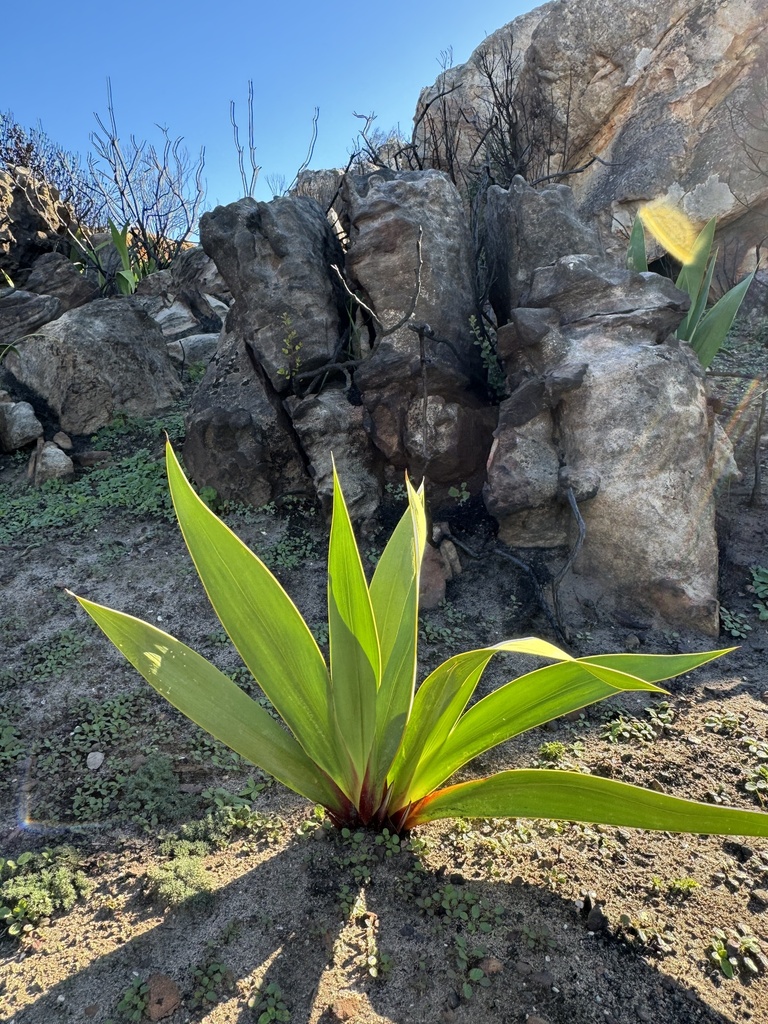
Watsonia vanderspuyae (Giant Mountain Watsonia)
1. Introduction & Taxonomy
Watsonia vanderspuyae grows from an underground bulb. The storage organ carries it through drought, frost, or summer heat — whenever conditions turn hostile, the plant waits them out below ground. Native to Mediterranean climate in southwestern South Africa. Watsonia vanderspuyae is notable for its bulbous or cormous growth habit.
This massive perennial plant in the Iris family (Iridaceae) sports dense tufts of broad, upright leaves and robust, reddish brown flower stalks to 2 m tall with bright red flowers. Watsonia vanderspuyae is native to a Mediterranean climate in southwestern South Africa, where it grows during the wetter winter months and survives the hot, dry summers with a huge corm found deep underground, often wedged between large rocks. It makes a stunning ornamental plant for warm temperate climates.
Taxonomic Classification
Habitat and Distribution
Watsonia vanderspuyae is native to Mediterranean climate in southwestern South Africa.
Botanical Note: The genus Watsonia (bugle lily) contains about 52 species, all native to southern Africa. These cormous perennials produce tall spikes of tubular flowers and are closely related to Gladiolus. Several species have become naturalized in Australia.
Native Range & Distribution Map
The map below shows the native range and notable cultivation regions for Watsonia vanderspuyae.
2. Biology & Morphology
Growth Form & Architecture
Watsonia vanderspuyae grows from an underground bulb or corm — it stores energy and survive dormancy periods. The bulb produces seasonal foliage and flowers, typically dying back after flowering.
Key Characteristics
- Height: 0.6–2.0 m
- Growth Habit: Bulb / Corm
- Growth Rate: Moderate under optimal conditions
- Foliage: Evergreen
Notable Adaptations
Watsonia vanderspuyae photosynthesizes intensively during its active season and stores the surplus as carbohydrates in the bulb. The above-ground parts die back once the reserves are banked. Nothing shows above ground until the next cycle.
3. Reproduction & Propagation
The primary propagation method for Watsonia vanderspuyae: Seeds, offsets, and bulb division.
Propagating Watsonia vanderspuyae
Propagation of Watsonia vanderspuyae from seed allows the production of large numbers of plants and maintains genetic diversity within the species. Fresh seed typically germinates more readily than stored seed. Vegetative propagation through offsets, bulb scaling, or twin-scaling produces plants identical to the parent.
Seeds of Watsonia vanderspuyae should be sown in a well-draining seed mix at 15–20°C. Germination typically takes 2–6 weeks. Bulbous species can also be propagated by offsets (daughter bulbs), bulb scaling, or division of clumps. Seed-grown bulbs may take 2–5 years to reach flowering size.
Vegetative Propagation
- Division: Most clump-forming perennials can be divided in spring or autumn. Lift the plant and separate it into sections, each with roots and growing points.
- Cuttings: Many perennials propagate from stem tip cuttings, basal cuttings, or root cuttings taken during the growing season.
- Offsets/Bulbils: Bulbous and rhizomatous species often produce offsets that can be separated and grown independently.
Propagation Tips: (1) Use clean, sharp tools to prevent disease transmission. (2) Maintain consistent moisture for seeds and cuttings. (3) Bottom heat (18–22°C) improves rooting and germination rates. (4) Label all propagation material with species name and date. (5) Harden off young plants gradually before planting out.
4. Cultivation Requirements
Watsonia vanderspuyae follows the typical bulb cycle: vigorous growth and flowering during its active season, followed by a dormant period when the above-ground parts die back. Allow foliage to die down naturally after flowering — this is when the bulb replenishes its energy stores for next year's display.
Soil / Substrate
Well-draining soil is critical to prevent bulb rot. Most bulbs prefer a sandy, fertile loam. Heavy clay soils should be improved with grit and organic matter. Plant at a depth of 2–3 times the bulb diameter.
Watering
Water regularly during the growing season. As foliage dies back after flowering, reduce watering and keep dormant bulbs on the dry side. Good drainage is essential to prevent bulb rot.
Light Requirements
Full sun to partial shade depending on species. Most herbaceous perennials flower best in full sun (6+ hours daily) but many tolerate or prefer partial shade, especially in hot climates.
Temperature
- Optimal Growth: 5–25°C (41–77°F)
- Minimum Tolerance: –18°C (0°F)
- USDA Hardiness: Zones 6–10
Fertilization
Apply balanced fertilizer during the growing season. A general-purpose liquid fertilizer every 2–4 weeks supports healthy growth and flowering.
Cultivation Tip: Match conditions to the native habitat: Mediterranean climate in southwestern South Africa.
Seasonal Care Calendar
Follow this season-by-season guide for optimal care throughout the year.
🌱 Spring (March–May)
Plant summer-flowering bulbs. Top-dress established clumps with balanced fertilizer. Remove winter mulch as new growth appears. Water as foliage emerges.
☀️ Summer (June–August)
Water during dry spells. Deadhead spent flowers but allow foliage to die back naturally. Stake tall flower spikes if needed. Feed with potassium-rich fertilizer after flowering.
🍂 Fall (September–November)
Plant spring-flowering bulbs. Lift tender bulbs after first frost and store frost-free. Apply mulch to borderline-hardy species. Divide overcrowded clumps.
❄️ Winter (December–February)
Store lifted bulbs in a cool, dry, frost-free place. Check stored bulbs periodically for rot. Plan spring plantings. Order bulbs from specialist suppliers.
5. Diseases & Pests
Watsonia vanderspuyae is vulnerable to bulb rot in waterlogged conditions. Ensure excellent drainage and avoid overwatering during dormancy. Fungal diseases (Botrytis, Fusarium) can affect foliage and bulbs. Inspect bulbs before planting and discard any showing signs of rot or disease.
Fungal Diseases
Root & Crown Rot
The most common cause of death in many perennials. Waterlogged soil, poor drainage, and cold, wet conditions create ideal conditions for Pythium, Phytophthora, and Fusarium. Prevention: ensure good drainage, avoid overwatering, and provide adequate spacing for air circulation.
Powdery Mildew
A common fungal disease affecting many perennials, appearing as white powdery patches on leaves. Encourage good air circulation, water at the base (not overhead), and treat with fungicide if severe.
Common Pests
- Aphids — Small sap-sucking insects that cluster on new growth and flower buds. Control with insecticidal soap, neem oil, or encourage natural predators (ladybugs, lacewings).
- Slugs & Snails — Major pests of soft-leaved perennials, especially in moist conditions. Use slug pellets, copper barriers, or beer traps.
- Spider Mites — Tiny pests causing stippled, discolored leaves. More common in hot, dry conditions. Increase humidity and use miticide if severe.
- Vine Weevil — Adults notch leaf edges; larvae feed on roots (especially devastating for container plants). Use biological control (nematodes) or systemic insecticide.
Integrated Pest Management: (1) Choose disease-resistant varieties when available. (2) Maintain good garden hygiene — remove dead foliage and debris. (3) Water at the base of plants, not overhead. (4) Encourage beneficial insects by planting diverse species. (5) Quarantine new plants before adding to established plantings.
Additional Disease & Pest Considerations
Integrated pest management combines cultural practices (good soil, appropriate watering, companion planting), biological controls (encouraging beneficial insects), and targeted chemical intervention only when necessary. This balanced approach keeps gardens healthy while minimizing environmental impact.
6. Indoor Growing Guide
Watsonia vanderspuyae can be grown in containers for indoor or patio display. Plant bulbs in well-draining potting mix and provide bright light. Container-grown bulbs may need winter protection even if the species is hardy, as pots offer less insulation than garden soil.
Container Cultivation
Choose containers with good drainage holes. Use a quality potting mix appropriate to the species. Ensure adequate drainage to prevent waterlogging.
Light & Environment
Position according to the species' light requirements. Most perennials adapt to typical indoor humidity levels, though some tropical species benefit from increased humidity. Supplemental grow lights can extend the growing season and improve flowering.
Overwintering
This cold-hardy species can remain outdoors in most winters, but container-grown plants are more vulnerable to freezing and may benefit from winter protection.
Container Growing Tips: Container plants dry out faster than garden-grown ones and need more frequent watering and feeding. Use a premium potting mix and feed regularly during the growing season. Repot every 1–2 years to refresh the growing medium and accommodate root growth.
7. Landscape Use & Design
Use Watsonia vanderspuyae to create seasonal highlights in the garden. Plant among evergreen ground covers or later-emerging perennials that will disguise the bulb's dying foliage after flowering. In suitable climates, many bulbs naturalize freely, creating increasingly spectacular displays year after year.
Design Applications
- Mixed Borders: Combine perennials with different heights, textures, and flowering times for a border that provides interest from spring through autumn.
- Cottage Gardens: Plant in informal drifts and allow plants to mingle naturally for a romantic, relaxed style.
- Modern / Minimalist: Use architectural perennials as focal points in clean-lined designs with gravel or paving.
- Wildlife Gardens: Many perennials are excellent for pollinators — bees, butterflies, and hummingbirds — and provide seeds for birds.
Companion Planting
Create harmonious plant communities by combining different growth forms:
- Structural plants — Phormium, Kniphofia, Gunnera for bold architectural accents
- Fillers — Begonia, Impatiens, Lobelia for continuous color and ground coverage
- Bulbs — Gladiolus, Lilium, Allium for seasonal highlights and vertical accents
- Ground covers — Delosperma, Oxalis, Chlorophytum for living mulch and edge softening
Year-Round Interest: The key to a successful perennial garden is layering plants with different peak seasons. Spring bulbs, summer-flowering perennials, autumn grasses, and winter-interest evergreens ensure your garden is never bare. A well-planned perennial garden improves with each passing year.
8. Medicinal & Economic Uses
While Watsonia vanderspuyae is primarily valued as an ornamental plant, the genus has connections to traditional medicine and cultural practices in its native range. Many bulbous plants contain bioactive compounds — some medicinal, others toxic — that continue to interest pharmaceutical researchers.
Economic Significance
- Ornamental Trade: Perennials represent one of the largest segments of the global horticultural industry. The perennial plant market is valued at billions of euros annually, encompassing garden centers, mail order, and specialist nurseries.
- Cut Flower Industry: Many perennials are grown commercially for cut flowers — Gladiolus, Lilium, Agapanthus, and Allium are among the most important cut flower crops globally.
- Ecological Services: Perennial plantings provide essential ecosystem services: pollinator habitat, erosion control, carbon sequestration, and biodiversity support. Native perennial plantings are increasingly valued for ecological restoration.
- Seed Production: Rare and unusual perennial species and cultivars support a specialized seed industry catering to collectors, botanical gardens, and conservation programs.
Ornamental & Horticultural Value
The primary economic value of most perennial species is ornamental. Their seasonal displays of flowers and foliage, year-after-year reliability, and increasing beauty with age make perennials the backbone of garden design worldwide. From cottage gardens to contemporary landscapes, perennials provide structure, color, and interest that annuals cannot match.
Conservation & Sustainability: Growing perennials from seed supports genetic diversity and conservation. Many wild perennial species are threatened by habitat loss, climate change, and overcollection. By cultivating plants from ethically sourced seeds, gardeners contribute to the preservation of botanical biodiversity.
9. Ethnobotany & Cultural Significance
Many bulbous plants hold deep cultural significance. Lilies symbolize purity in Christianity, while in many African cultures, specific bulb species have ritual and medicinal importance. The cut flower industry built on bulbs like gladiolus, lilies, and tulips supports millions of livelihoods worldwide.
Conservation Note: Many perennial species are threatened by habitat loss, overcollection, and climate change. By growing Watsonia vanderspuyae from responsibly sourced seeds, you contribute to the conservation of these notable plants and their ecosystems.
Frequently Asked Questions
When should I plant Giant Mountain Watsonia bulbs?
Plant Watsonia vanderspuyae bulbs in autumn for spring-flowering species, or in spring for summer-flowering species. Plant at a depth of 2–3 times the bulb diameter in well-draining soil.
Do I need to lift Giant Mountain Watsonia bulbs in winter?
In cold climates beyond USDA Zone 7, tender bulbs should be lifted and stored frost-free over winter. Hardy bulbs can remain in the ground with a protective mulch.
Is Giant Mountain Watsonia suitable for beginners?
With appropriate growing conditions, Watsonia vanderspuyae is not difficult to cultivate. Start with healthy, well-established plants and focus on providing the right environment rather than intensive care.
Summary & Key Takeaways
Watsonia vanderspuyae, is a substantial perennial reaching 2 m in height, native to Mediterranean climate in southwestern South Africa, notable for good cold hardiness.
Key Points to Remember:
- Propagation: Seeds, division, cuttings, or offsets (genus-dependent)
- Light: Full sun to deep shade (species-dependent)
- Substrate: Well-draining, enriched with organic matter (most species)
- Watering: Regular during growing season, reduced in dormancy
- Hardiness: USDA Zones 6–10, minimum –18°C (0°F)
- Key Feature: Bulb / Corm — South Africa