Syagrus flexuosa (Acumã Palm): A comprehensive Growing Guide for Enthusiasts & Collectors.
Syagrus flexuosa
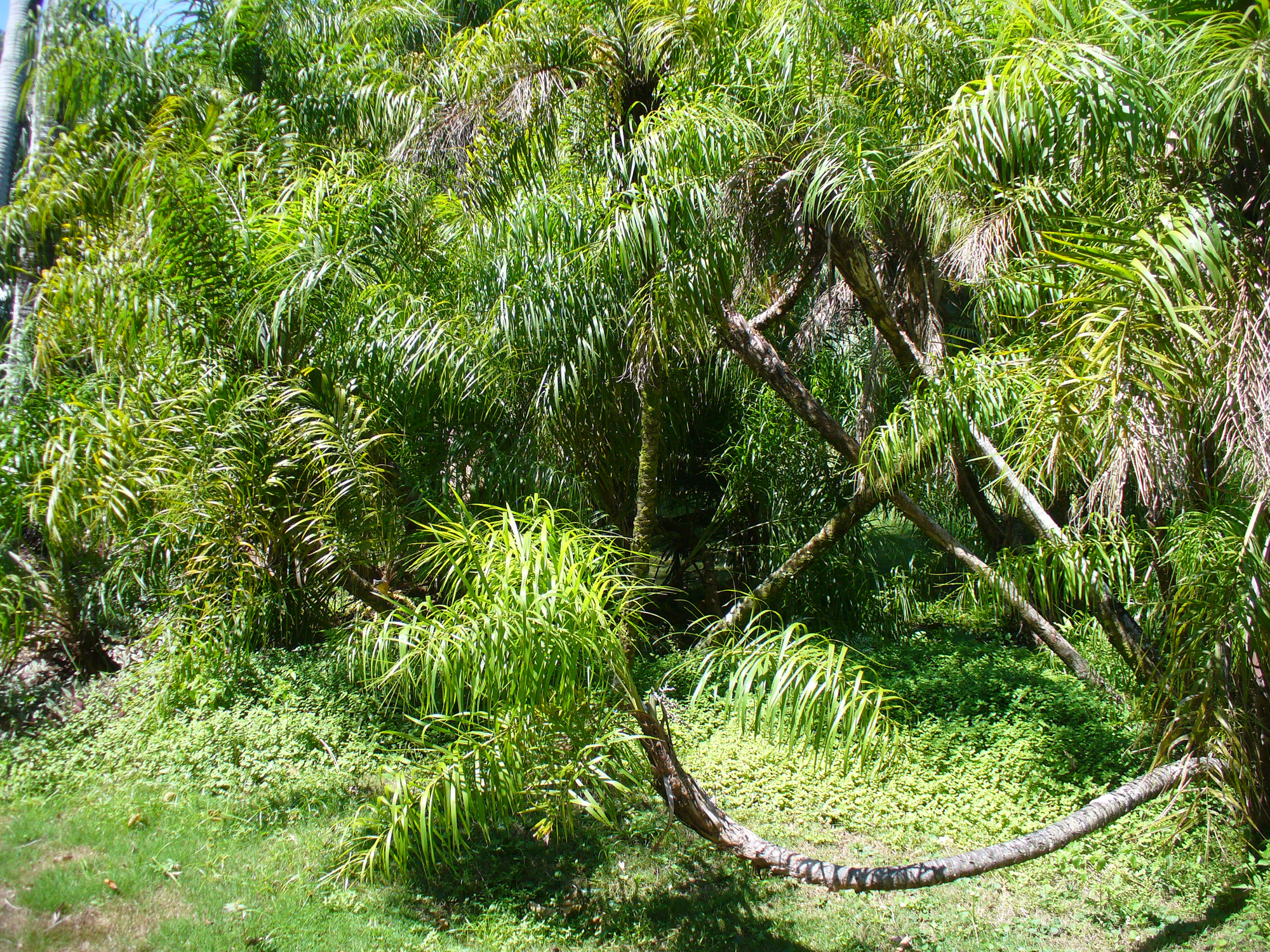
Image by Scott Zona (License: CC BY 2.0)


1. Introduction
Habitat and Distribution
Syagrus flexuosa is endemic to the cerrado (tropical savanna) regions of South America, primarily occupying the vast Brazilian Central Plateau. This adaptable palm thrives in open woodlands, grasslands, and transitional forest edges at elevations ranging from 300 to 1,400 meters above sea level. The species demonstrates remarkable resilience to the cerrado's characteristic environmental extremes, including pronounced dry seasons, frequent fires, and nutrient-poor soils. It commonly grows in sandy or rocky soils with good drainage, often forming scattered populations across the landscape rather than dense stands.
Native Continent
Scientific Classification
Synonyms
- Cocos flexuosa Mart. (basionym)
- Calappa flexuosa (Mart.) Kuntze
- Syagrus acaulis Drude (misapplied)
- Diplothemium flexuosum (Mart.) Drude
- Syagrus campylospatha Barb.Rodr.
- Syagrus loefgrenii Glassman
Common Names
- English: Acumã palm, Coco-babão, Dwarf coconut palm
- Portuguese (Brazil): Acumã, Coquinho-do-cerrado, Palmeirinha-do-cerrado, Coco-de-vassoura
- Spanish: Palma acumã, Coco del cerrado
- Local Brazilian names: Ariri, Coco-babão, Coco-de-cachorro, Licuri-rasteiro
Global Expansion
While primarily remaining within its native range, Syagrus flexuosa has gained attention for ornamental cultivation worldwide:
- North America: Limited cultivation in Florida, Southern California, and Hawaii as an ornamental
- Europe: Grown in Mediterranean climate regions (Southern Spain, Italy, Greece) in botanical gardens
- Australia: Successfully cultivated in Queensland and northern New South Wales
- Asia: Experimental cultivation in tropical and subtropical regions of India and Southeast Asia
- Middle East: Limited success in protected environments in Israel and UAE
The species' expansion has been driven primarily by its ornamental value, drought tolerance, and unique twisted trunk character. Its relatively slow growth and specific germination requirements have limited widespread commercial cultivation.
2. Biology and Physiology
Morphology
Trunk/Stem
Syagrus flexuosa typically develops a short, often subterranean or partially buried trunk reaching 0.5-4 meters in height, rarely exceeding 6 meters. The most distinctive feature is the characteristic flexuous (zigzag or twisted) growth pattern of the aerial portion, from which the species derives its name. Trunk diameter ranges from 10-20 cm, covered with persistent leaf bases arranged in a spiral pattern. The underground portion often extends 1-2 meters deep, serving as a storage organ and fire-resistant structure. The trunk tissue contains high starch reserves, enabling regeneration after fire or drought damage.
Leaves
The crown consists of 6-20 pinnate leaves, each measuring 1-2.5 meters in length. Leaves are strongly arching to nearly erect, with a distinctive blue-green to silver-green coloration due to waxy coating. Each leaf bears 60-140 linear leaflets arranged irregularly along the rachis in clusters of 2-5, creating a plumose appearance. Leaflets measure 20-40 cm long and 1-2 cm wide, with the terminal leaflets often broader. The petiole is 20-60 cm long, with smooth or slightly toothed margins. Leaf production averages 6-8 new leaves annually under optimal conditions.
Flower Systems
Syagrus flexuosa is monoecious, producing separate male and female flowers on the same branched inflorescence (spadix). Inflorescences emerge from among the leaves, initially enclosed in a woody spathe 30-60 cm long. The branched portion measures 20-40 cm, bearing numerous rachillae with cream to yellowish flowers. Male flowers occupy the distal portions of rachillae, with 6-24 stamens per flower. Female flowers are larger, positioned basally, with a three-carpellate ovary. Flowering typically occurs during the wet season (October-March in the Southern Hemisphere), with peak activity in December-January.
Life Cycle
The palm follows an indeterminate growth pattern with distinct phases:
- Germination phase (0-12 months): Remote germination with extended cotyledonary petiole
- Establishment phase (1-5 years): Development of underground trunk, minimal aerial growth
- Juvenile phase (5-10 years): Slow aerial trunk development, increasing leaf production
- Adult vegetative phase (10-15 years): Sexual maturity, regular flowering begins
- Mature reproductive phase (15-100+ years): Annual flowering and fruiting cycles
- Senescence (variable): Gradual decline in vigor, reduced fruit production
Climate Adaptations
- Temperature tolerance: Survives 20-38°C range, with brief tolerance to 45°C
- Cold tolerance: Withstands brief frosts to -5°C when mature
- Drought adaptations: Deep taproot, waxy leaf coating, reduced leaf number during stress
- Fire adaptations: Underground trunk survives surface fires, rapid resprouting ability
- Seasonal adaptations: Reduced growth during dry season (May-September)
3. Reproduction and Propagation
Seed Reproduction
Seed Morphology and Diversity
Syagrus flexuosa produces ovoid to ellipsoid fruits measuring 2.5-4 cm long and 2-3 cm in diameter. The fruit consists of a thin epicarp (skin) that turns from green to orange or yellow when ripe, a fibrous-fleshy mesocarp with sweet aromatic pulp, and a hard endocarp (nut) containing 1-3 seeds (usually 1). Seeds are ovoid, 1.5-2 cm long, with homogeneous, oily endosperm. The embryo is small, lateral, positioned near the base. Seed weight ranges from 1-3 grams. Significant variation exists between populations in fruit size, pulp thickness, and seed viability.
Seed Collection and Viability Testing
Optimal collection timing is crucial, occurring when fruits transition from green to yellow-orange, typically 6-8 months after pollination. Collection methods include:
- Ground collection immediately after natural fall
- Gentle shaking of infructescences
- Use of collection nets to prevent ground contact
- Visual inspection: Plump, heavy seeds indicate viability
- Float test: Viable seeds sink (though some viable seeds may float)
- Cut test: White, firm endosperm indicates health
- Tetrazolium test: 1% solution for 48 hours at 25°C
- Fresh seed viability: 60-80%, declining to <20% after 3 months
Pre-germination Treatments
- Mechanical: File the endocarp at the pointed end without damaging embryo
- Partial removal: Carefully crack endocarp with vice or hammer
- Complete removal: Extract seed from endocarp (highest success rate)
- Natural: Allow 30-60 days of weathering
- Warm water: 40°C for 48-72 hours, changing daily
- Gibberellic acid: 100-500 ppm for 24 hours
- Combination: Scarification followed by GA3 treatment
Step-by-step Germination Techniques
- Fruit processing: Remove all pulp within 48 hours of collection
- Cleaning: Wash thoroughly to prevent fungal growth
- Endocarp treatment: Apply chosen scarification method
- Pre-soaking: Immerse in treatment solution for specified duration
- Growing medium: Mix 50% coarse sand, 30% vermiculite, 20% coconut coir
- Container preparation: Use deep pots (20cm minimum) for taproot development
- Sowing: Plant seeds horizontally at 2-3 cm depth
- Temperature: Maintain 25-30°C (optimal 28°C)
- Moisture: Keep consistently moist but not waterlogged
- Light: Provide bright, filtered light (50% shade cloth)
- Monitoring: Check weekly for emergence and fungal issues
Germination Difficulty: Moderate to Difficult
- Hard endocarp requiring scarification
- Deep dormancy mechanisms
- Specific temperature requirements
Germination Time
- With endocarp: 3-12 months (average 6 months)
- Without endocarp: 1-4 months (average 2 months)
- First sign: Cotyledonary petiole emergence
- Leaf emergence: Additional 2-3 months after germination
Seedling Care and Early Development
- Months 1-3: Maintain constant moisture, 70% shade
- Months 4-6: Begin monthly dilute fertilization (1/4 strength balanced)
- Months 7-12: Gradually reduce shade to 50%
- Year 2: Increase fertilization, prepare for transplanting
- Years 2-3: Transplant when 3-4 leaves present, taproot well-developed
4. Cultivation Requirements
Light Requirements
Species-specific Light Tolerance Ranges
- Seedlings (0-2 years): 50-70% shade essential (4,000-6,000 lux)
- Juveniles (2-5 years): 30-50% shade to full sun (6,000-50,000 lux)
- Adults (5+ years): Full sun preferred (50,000-100,000 lux)
- Minimum tolerance: Survives in 30% full sunlight
- Optimal exposure: 8-12 hours direct sunlight daily
Seasonal Light Variations
- Wet season: Maximum light exposure for growth
- Dry season: Tolerates full exposure despite stress
- Transition periods: No special requirements
Temperature and Humidity Management
Optimal Temperature Ranges
- Ideal growth range: 25-35°C (77-95°F)
- Night temperature: 18-25°C (64-77°F)
- Maximum tolerance: 45°C (113°F) with adequate moisture
- Minimum survival: -5°C (23°F) for brief periods when mature
Cold Tolerance Thresholds
- No damage: Above 5°C (41°F)
- Minor leaf damage: 0 to -2°C (32-28°F)
- Severe damage: -3 to -5°C (27-23°F)
- Death of aerial parts: Below -5°C (23°F)
- Recovery: From underground trunk if roots survive
Hardiness Zone Maps
- USDA Zones: 9b-11 (minimum 25°F/-3.9°C)
- Optimal zones: 10a-11
- Marginal zones: 9a with protection
Soil and Nutrition
Ideal Soil Composition
- Texture: Sandy to sandy loam preferred
- Drainage: Excellent drainage essential
- pH range: 5.0-7.5 (tolerates acidic to slightly alkaline)
- Organic matter: 2-5% adequate
- Recommended mix: 50% coarse sand, 25% garden soil, 15% compost, 10% perlite
Water Management
- Establishment year: Weekly deep watering
- Growing season: Every 10-14 days
- Dry season: Monthly or when showing stress
- Mature plants: Often survive on rainfall alone
- Survives 4-6 months without irrigation when established
- Deep taproot and reduced transpiration adaptations
- Stress signs: Leaf tips brown, reduced leaf number
- Recovery: Rapid with water resumption
8. Cold Climate Cultivation Strategies
Cold Hardiness
- Young plants (0-5 years): Damage below 0°C
- Established plants (5+ years): Survive -5°C briefly
- Underground trunk: Survives -8°C if mulched
- Recovery ability: Resprouts from trunk if top dies
Winter Protection
- Mulching: 20-30cm thick layer over root zone
- Wrapping: Trunk wrap with burlap or frost cloth
- Anti-desiccants: Spray application before cold
- Windbreaks: Essential in exposed locations
Hardiness Zone Specifications
- Zone 9b-11: Suitable for outdoor cultivation
- Zone 9a: Marginal, requires winter protection
- Zone 8b: Container culture with winter storage
- Zone 8a and below: Indoor cultivation only
Final Summary
Syagrus flexuosa represents one of South America's most resilient and distinctive palm species, embodying the harsh beauty of the cerrado ecosystem. Its remarkable adaptations to drought, fire, and poor soils make it an exceptional choice for xeriscape and low-maintenance landscapes, while its unique twisted trunk architecture provides unmistakable ornamental value.
The species' cultivation success depends primarily on understanding its cerrado origins: exceptional drainage requirements, tolerance for nutrient-poor soils, and deep taproot system that resents disturbance. While germination presents challenges due to hard seed coats and deep dormancy, success rates improve dramatically with endocarp removal and appropriate pre-treatments, achieving up to 80% germination versus 30-50% with untreated seeds.
Key cultivation factors include providing full sun exposure for mature plants (though seedlings require shade), ensuring excellent drainage to prevent root rot, and accepting its naturally slow growth rate as an inherent characteristic rather than a cultural problem. The palm's exceptional drought tolerance, surviving 4-6 months without irrigation once established, makes it ideal for water-conscious gardening.
Cold hardiness extends to USDA zone 9b, with brief tolerance to -5°C in mature specimens, significantly expanding its cultivation potential beyond tropical regions. The underground trunk's ability to regenerate after aerial damage from cold or fire provides additional resilience in marginal climates.
For landscape use, Syagrus flexuosa excels as a specimen plant, in xeriscape designs, or naturalistic cerrado-themed gardens. Its compact size (typically under 4 meters) and slow growth make it suitable for smaller spaces where larger palms would overwhelm. The distinctive flexuous trunk develops character with age, creating an increasingly valuable landscape specimen over decades.
Understanding this palm's cerrado adaptations - from fire recovery mechanisms to seasonal drought survival strategies - enables cultivators to work with rather than against its natural tendencies. This approach, combined with patience for its slow but steady growth, rewards gardeners with one of the most characterful and resilient palms available for cultivation, embodying the rugged beauty of South America's great savanna ecosystem.