Saribus jeanneneyi: A comprehensive Growing Guide for Enthusiasts & Collectors.
Saribus jeanneneyi
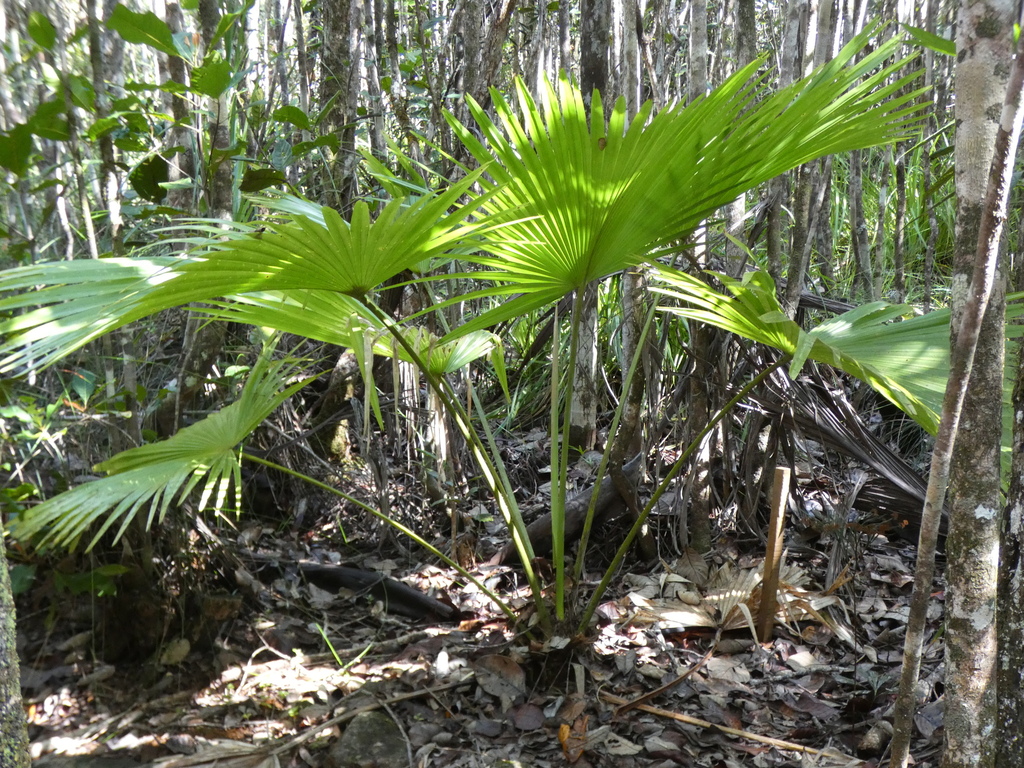
Image via iNaturalist (Research Grade). (c) Valentin Nemia, some rights reserved (CC BY-NC)


1. Introduction
Habitat and Distribution
Saribus jeanneneyi is endemic to New Caledonia, specifically found in the southern and central regions of Grande Terre, the main island. This palm inhabits ultramafic soils derived from serpentine rocks, typically growing in open forests, forest margins, and maquis shrublands at elevations ranging from 200 to 900 meters. The species shows remarkable adaptation to metalliferous soils with high concentrations of nickel, chromium, and magnesium, conditions that would be toxic to most other palm species.
Native Continent
📍 Endemic Distribution:
- New Caledonia: Southern and central Grande Terre
- Habitat: Ultramafic soils, serpentine rocks
- Elevation: 200-900m
- Soil: High in nickel, chromium, magnesium
- Conservation: Endemic species, habitat threatened
Native range: New Caledonia, Southern Pacific
Click on markers for details
Scientific Classification
Synonyms
- Livistona jeanneneyi Becc. (basionym)
- Pritchardiopsis jeanneneyi (Becc.) Becc.
- Livistona inermis var. jeanneneyi (Becc.) Dowe
Common Names
- English: Jeanneney's fan palm, New Caledonian Saribus
- French: Palmier éventail de Nouvelle-Calédonie
- Local Kanak names: Various indigenous names depending on region
Global Expansion
Due to its recent recognition as a distinct species and specialized habitat requirements, Saribus jeanneneyi has limited global distribution:
- Australia: Rare in specialized collections in Queensland
- Hawaii: Present in botanical gardens with ultramafic soil simulation
- Europe: Few specimens in Mediterranean climate botanical gardens
- United States: Limited to specialized collections in California and Florida
- Conservation collections: Priority species in ex-situ conservation programs
The species' expansion is limited by its specific soil requirements and relatively recent availability in cultivation. Most cultivated specimens exist in botanical gardens and specialized palm collections focused on rare and endemic species conservation.
2. Biology and Physiology
Morphology
Trunk/Stem
Saribus jeanneneyi develops a solitary, robust trunk reaching 8-15 meters in height with a diameter of 20-30 cm. The trunk is gray to brown, marked with closely spaced leaf scars creating a ringed pattern. In younger specimens, persistent leaf bases may clothe the upper portion of the trunk. The trunk is typically straight but may show slight curvature in response to slope or light conditions.
Leaves
The species produces large, costapalmate leaves forming a dense, spherical crown of 20-30 leaves. Individual leaves measure 1.5-2 meters in diameter, divided to about half their length into 60-80 segments. Leaf color is distinctive dark green above with a silvery-white underside due to dense tomentum. The petiole extends 1.5-2 meters, armed with small teeth along the margins in younger plants, becoming less pronounced with age. The hastula is prominent and triangular.
Flower Systems
Saribus jeanneneyi is hermaphroditic with cream to pale yellow flowers arranged in branched inflorescences. The inflorescence emerges from among the leaves, extending 1-1.5 meters with 3-4 orders of branching. Individual flowers are small (3-4 mm), with 3 sepals, 3 petals, 6 stamens, and a tricarpellate pistil. Flowering typically occurs in the warm season with peak activity from October to December in its native habitat.
Life Cycle
- Germination to seedling: 2-4 months
- Seedling to juvenile: 2-3 years
- Juvenile to young adult: 5-8 years
- Reproductive maturity: 8-12 years
- Full maturity: 15-20 years
- Lifespan: Estimated 80-150 years
Climate Adaptations
- Temperature tolerance: Adapted to warm subtropical to tropical conditions
- Drought adaptations: Waxy cuticle, deep taproot system
- Soil metal tolerance: Hyperaccumulator mechanisms for heavy metals
- Wind resistance: Flexible petioles and segmented leaves reduce wind damage
- Fire adaptation: Can resprout from protected growing point after mild fires
3. Reproduction and Propagation
Seed Reproduction
Seed Morphology and Diversity
Seeds are globose to ellipsoid, measuring 12-15 mm in diameter. The seed coat is thin and brown to black when mature. Fresh seeds have a white, homogeneous endosperm with a small basal embryo. Seed weight ranges from 0.8-1.2 grams. Genetic diversity within populations is moderate, with some variation in seed size and germination rates between different populations.
Seed Collection and Viability Testing
- Optimal collection: When fruits turn from green to blue-black
- Processing: Remove fleshy pericarp immediately
- Cleaning: Wash thoroughly to remove all fruit residue
- Viability period: Best within 3 months, declining rapidly after 6 months
- Testing methods: Float test (sinkers viable), cut test for white firm endosperm
- Storage: Cool, dry conditions if storage necessary
Pre-germination Treatments
Scarification:
- Mechanical: Light filing of seed coat
- Soaking: 24-48 hours in warm water (30°C)
- Natural weathering: 2-3 weeks in moist conditions
Heat Treatments:
- Warm stratification: 30-35°C for 2 weeks
- No cold stratification required
Step-by-step Germination Techniques
- Seed preparation: Clean and soak for 48 hours
- Growing medium: 50% peat, 30% perlite, 20% coarse sand
- Container: Deep pots to accommodate taproot
- Sowing: Plant at depth equal to seed diameter
- Temperature: Maintain 25-30°C
- Humidity: 70-80% with plastic cover
- Light: Bright indirect light
- Watering: Keep consistently moist but not waterlogged
- Ventilation: Daily airing to prevent fungal issues
Germination Difficulty: Moderate
- Challenges include short viability period and specific temperature requirements
- Success rate: 60-75% with fresh seeds under optimal conditions
Germination Time
- First emergence: 4-8 weeks
- Complete emergence: 8-12 weeks
- First true leaf: 3-4 months
Seedling Care and Early Development
- Month 1-3: High humidity, consistent moisture, 60% shade
- Month 3-6: Begin weak fertilization (quarter strength monthly)
- Month 6-12: Gradually increase light exposure
- Year 1-2: Transplant to larger containers when 3-4 leaves present
Advanced Germination Techniques
Hormonal Treatments:
- GA3: 250-500 ppm for 24 hours improves germination speed
- Smoke water: Natural germination enhancer for fire-adapted species
- Seaweed extract: Enhances root development
- Combined treatments: GA3 + cytokinin shows best results
4. Cultivation Requirements
Light Requirements
Species-specific Light Tolerance
- Seedlings: 50-70% shade essential
- Juveniles: 30-50% shade optimal
- Adults: Full sun to light shade
- Acclimatization: Gradual over 4-6 weeks when changing light levels
Seasonal Light Management
- Summer: Provide afternoon shade in extreme heat
- Winter: Maximize light exposure
- Spring/Fall: Ideal for light transitions
Artificial Lighting for Indoor Cultivation
- Type: Full spectrum LED, 6500K color temperature
- Intensity: 150-300 μmol/m²/s
- Duration: 12-14 hours daily
- Distance: 45-60 cm from foliage
Temperature and Humidity Management
Optimal Temperature Ranges
- Ideal day: 22-30°C (72-86°F)
- Night: 15-22°C (59-72°F)
- Maximum tolerance: 38°C (100°F)
- Minimum survival: 5°C (41°F) briefly
Cold Tolerance and Hardiness
- Hardiness Zone: USDA 9b-11
- Frost tolerance: Light frost to -2°C for brief periods
- Cold damage: Leaf burn below 0°C
- Protection needed: Below 5°C
Humidity Requirements
- Optimal: 60-75%
- Minimum: 40% with adequate watering
- Maximum: 85% with good air circulation
Soil and Nutrition
Ideal Soil Composition
Special requirement: Tolerates ultramafic soils
- pH range: 6.0-7.5 (also tolerates slightly alkaline)
- Texture: Well-draining sandy loam
- Organic matter: 3-5%
- Special mix: Can add serpentine rock fragments for authenticity
Nutrient Requirements
- NPK ratio: 8-4-12 with micronutrients
- Frequency: Monthly during growing season
- Rate: 50-100g per mature plant
- Foliar feeding: Beneficial bi-weekly with dilute solution
Micronutrient Management
- Magnesium: Regular supplementation important
- Iron: Chelated iron for chlorosis prevention
- Manganese: Essential for New Caledonian species
- Nickel tolerance: Natural adaptation, no toxicity issues
Water Management
Irrigation Requirements
- Frequency: 2-3 times weekly in summer
- Volume: Deep watering to encourage deep roots
- Winter: Reduce by 50%
- Drainage: Critical - no waterlogging tolerance
Drought Tolerance
- Rating: Moderate once established
- Survival: 2-3 weeks without water
- Recovery: Good with gradual rehydration
Water Quality
- pH preference: 6.5-7.5
- Salinity: Moderate tolerance
- Chlorine: Allow tap water to stand 24 hours
5. Diseases and Pests
Common Problems
- Nutrient deficiencies: Particularly magnesium and potassium
- Root rot: In poorly drained soils
- Leaf tip burn: From low humidity or fluoride
- Slow growth: Usually insufficient light or nutrients
Disease Identification
Fungal Diseases
- Leaf spot: Circular brown spots; improve air circulation
- Bud rot: Rare but fatal; prevent with good drainage
- Pink rot: Gummy stem lesions; systemic fungicide required
- Root rot: Yellowing and wilting; improve drainage immediately
Bacterial Diseases
- Bacterial leaf streak: Water-soaked streaks; remove affected leaves
- Crown gall: Rare; no effective treatment
Pest Identification
- Scale insects: Common; treat with horticultural oil
- Palm leaf skeletonizer: Caterpillar damage; Bt spray
- Mealybugs: White masses; insecticidal soap
- Spider mites: Fine webbing; miticide or neem oil
Protection Methods
Environmental
- Proper spacing for airflow
- Avoid overhead watering
- Mulch to prevent soil splash
- Regular inspection
Chemical
- Preventive copper sprays in wet season
- Systemic insecticides for persistent pests
- Always test on small area first
6. Indoor Palm Growing
Specific Indoor Care
Container Requirements
- Size: Deep pots for taproot
- Material: Heavy ceramic for stability
- Drainage: Essential - multiple holes
- Repotting: Every 2-3 years in spring
Environmental Control
- Light: South or west window
- Temperature: Consistent 18-25°C
- Humidity: Increase with trays or humidifiers
- Air circulation: Important to prevent disease
Replanting Procedures
- Choose container 20% larger
- Prepare well-draining palm mix
- Water plant day before
- Remove carefully, inspect roots
- Trim damaged roots only
- Position at same depth
- Backfill gradually
- Water thoroughly
- Shade for 2 weeks
Wintering Indoor Palms
- Reduce watering frequency
- Suspend fertilization
- Increase humidity
- Monitor for pests
- Maintain minimum 10°C
- Maximize light exposure
7. Landscape and Outdoor Cultivation
Design Applications
- Specimen planting: Excellent focal point
- Group plantings: Stunning in odd numbers
- Container specimen: For patios and entrances
- Xeriscaping: Suitable for water-wise gardens
- Coastal gardens: Good wind tolerance
- Conservation gardens: Important for species preservation
Site Selection
- Well-drained location essential
- Protection from extreme cold
- Allow space for 4-meter crown spread
- Consider mature height for placement
- Avoid low-lying frost pockets
8. Cold Climate Cultivation Strategies
Cold Hardiness Assessment
- Optimal growth: Above 20°C
- Growth slows: Below 15°C
- Damage threshold: Below 0°C
- Fatal temperature: -4°C sustained
Winter Protection Systems
Passive Protection
- Mulch heavily around base
- Wrap trunk with burlap
- Anti-desiccant sprays
- Windbreaks on cold side
Active Protection
- Christmas lights for heat
- Frost cloth covering
- Temporary greenhouse structures
- Heat cables for extreme events
Hardiness Zone Specifications
- Zone 11-12: No protection needed
- Zone 10: Occasional light protection
- Zone 9b: Regular winter protection
- Zone 9a: Intensive protection or container growing
Winter Protection Materials
- Frost blankets
- Bubble wrap for trunks
- Straw or pine needle mulch
- Bamboo stake frameworks
- Clear plastic for temporary covers
Establishment and Maintenance in Landscapes
Planting Techniques for Success
Site Preparation
- Test soil drainage
- Amend with organic matter
- Create raised bed if needed
- Dig hole 3x root ball width
- Score hole sides to prevent glazing
Planting Process
- Plant at original soil level
- Backfill with amended native soil
- Create water basin
- Apply 10cm mulch layer
- Stake if necessary
- Water deeply
- Provide temporary shade
Long-term Maintenance Schedules
Monthly Tasks
- Check soil moisture
- Inspect for pests
- Fertilize in growing season
- Remove dead leaves
Quarterly Tasks
- Deep watering
- Micronutrient application
- Growth assessment
- Mulch renewal
Annual Tasks
- Soil testing
- Major pruning
- Support check
- Root barrier inspection
5-Year Tasks
- Consider transplanting if needed
- Major crown cleaning
- Soil renovation
- Health evaluation
Final Summary
Saribus jeanneneyi represents one of New Caledonia's remarkable endemic palms, distinguished by its adaptation to ultramafic soils and its elegant fan-shaped leaves with distinctive silvery undersides. This species combines ornamental beauty with botanical significance, being specially adapted to growing in heavy metal-rich soils that would prove toxic to most other palms.
Successful cultivation requires understanding its unique origins on serpentine soils while recognizing that in cultivation, standard well-draining palm soils work perfectly well. The species shows moderate cold tolerance (USDA zones 9b-11), making it suitable for subtropical and warm temperate regions with protection. Its moderate growth rate and eventual medium size (8-15 meters) make it manageable for smaller landscapes compared to larger fan palm species.
Key cultivation points include providing excellent drainage (critical for success), maintaining consistent moisture without waterlogging, and ensuring gradual light transitions from shaded juvenile to sun-tolerant adult stages. The palm's natural adaptation to nutrient-poor ultramafic soils means it requires less fertilization than many palms, though regular micronutrient supplementation enhances growth and appearance.
The species faces conservation challenges in its native habitat due to mining activities and habitat loss, making ex-situ cultivation increasingly important for species preservation. Garden cultivation serves both ornamental and conservation purposes, with each cultivated specimen contributing to the species' survival.
Indoor cultivation is possible in bright locations with adequate humidity, though the palm ultimately performs best outdoors in suitable climates. Its wind tolerance and architectural form make it excellent for coastal and exposed gardens, while its unique foliage color provides year-round interest.
For collectors and botanic gardens, Saribus jeanneneyi offers the opportunity to grow a rare endemic species with unique adaptations. Its moderate size, attractive appearance, and interesting ecology make it a valuable addition to palm collections, particularly those focused on Pacific Island endemics or plants adapted to unusual soil conditions. Success with this species rewards growers with a distinctive palm that serves as both a conversation piece and a contribution to ex-situ conservation efforts.
- Endemic to New Caledonia's ultramafic soils
- Distinctive silvery leaf undersides
- Moderate growth to 8-15 meters
- Tolerates metal-rich soils
- Cold hardy to -2°C briefly
- Conservation priority species
- Excellent drainage essential
- Suitable for zones 9b-11
- Good wind tolerance
- Valuable for ex-situ conservation