Roystonea princeps (Morass Royal Palm): A comprehensive Growing Guide for Enthusiasts & Collectors.
Roystonea princeps
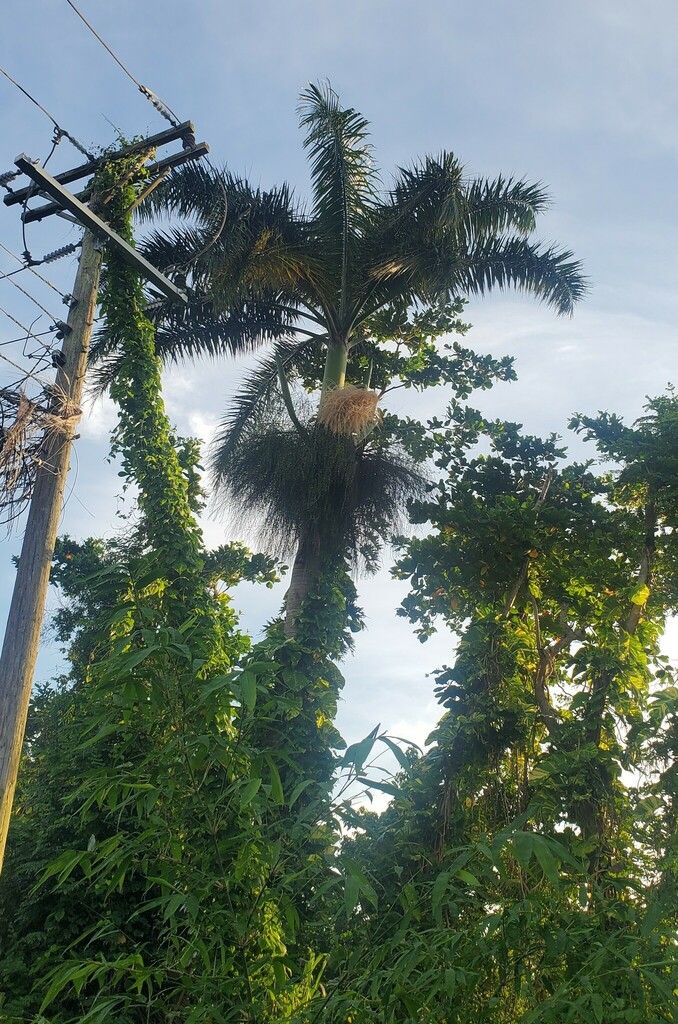
Image via iNaturalist (Research Grade). (c) Eric Keith, some rights reserved (CC BY-NC)
🚨 CRITICALLY ENDANGERED SPECIES
Fewer than 1,000 mature individuals remain in Jamaica's western wetlands. Endemic to Black River Lower Morass and Negril Morass. Distinguished by massive swollen trunk and resistance to lethal yellowing disease. Critical for species survival and wetland conservation.


1. Introduction
Habitat and Distribution
Roystonea princeps is endemic to western Jamaica, specifically confined to the parishes of Westmoreland and St. Elizabeth. This critically endangered palm inhabits lowland swamps and morasses, particularly the Black River Lower Morass and Negril Morass, at elevations from sea level to approximately 50 meters. The species thrives in permanently or seasonally flooded alkaline wetlands with high organic content, forming distinctive palm savannas in association with sedges and other wetland vegetation.
Native Continent
Endemic range: Jamaica's western wetlands
Click markers for details • Use buttons to switch map types
Scientific Classification
Synonyms
- Oreodoxa princeps Becc. (basionym)
- Roystonea regia var. princeps (Becc.) Zona
- Roystonea jamaicana L.H.Bailey (misapplied)
- Euterpe jenmanii C.H.Wright (partially)
Common Names
- Morass royal palm (English)
- Morass cabbage palm (English)
- Jamaican swamp royal palm (English)
- Swamp cabbage (Jamaican Patois)
- Morass palm (Jamaican Patois)
- Palma real de pantano (Spanish)
- Princeps palm (Local)
- Bailey's royal palm (Local)
Global Expansion
Due to its critically endangered status and specific habitat requirements, Roystonea princeps has had limited global expansion:
- Botanical Gardens: Fairchild Tropical Botanic Garden (Florida), Montgomery Botanical Center
- Conservation Collections: Caribbean botanical gardens for ex-situ conservation
- Private Collections: Limited presence in specialized palm collections in tropical regions
- Commercial Cultivation: Minimal due to rarity and protected status
- Habitat Restrictions: Unsuccessful naturalization attempts outside native range due to specific ecological requirements
The species remains primarily confined to Jamaica, with international cultivation focused on conservation rather than commercial or ornamental purposes.
2. Biology and Physiology
Morphology
Trunk/Stem
Roystonea princeps develops a massive, columnar trunk reaching heights of 20-30 meters (65-100 feet), making it one of the tallest Caribbean palms. The trunk is notably swollen at the base (up to 75 cm diameter) and middle section, tapering toward the crown. The surface is smooth, gray to white, with distinctive horizontal leaf scars. The trunk's swollen profile distinguishes it from other Roystonea species, likely an adaptation to its wetland habitat for stability and aeration.
Leaves
The crown consists of 15-20 massive pinnate leaves, each measuring 4-5 meters in length. The petiole is short (30-50 cm), transitioning to a rachis bearing 200-300 leaflets per side. Leaflets are arranged in multiple planes, giving a plumose appearance. Individual pinnae measure 60-90 cm long and 3-4 cm wide, dark green above and slightly lighter below. The crownshaft is prominent, 1.5-2 meters long, bright green to bronze-green, smooth and waxy.
Flower Systems
Infrageneric branching occurs below the crownshaft. The inflorescence is a large panicle, 1-1.5 meters long, initially enclosed in a boat-shaped prophyll. The species is monoecious with unisexual flowers on the same inflorescence. Male flowers occupy the distal portions of rachillae, with 6-9 stamens. Female flowers are basal, with a three-carpellate pistil. Flowering occurs year-round with peak activity in spring (March-May). Flowers are cream to pale yellow, fragrant, attracting various pollinators.
Life Cycle
- Germination phase (1-3 months): Rapid germination in suitable conditions
- Seedling establishment (0-2 years): Development of juvenile leaves
- Juvenile phase (2-8 years): Trunk initiation, pinnate leaf development
- Sub-adult phase (8-15 years): Rapid trunk elongation
- Adult reproductive phase (15+ years): Continuous flowering and fruiting
- Mature phase (20-150+ years): Full height attained, regular reproduction
- Senescence (150-200+ years): Gradual decline in vigor
Climate Adaptations
- Temperature tolerance: Optimal 24-32°C, survives brief exposures to 0°C
- Humidity requirements: 65-90% relative humidity preferred
- Flood adaptations: Aerenchyma in roots, elevated lenticels on trunk base
- Drought resistance: Limited; requires consistent moisture
- Wind resistance: Flexible leaves and strong trunk, hurricane-adapted
- Salt tolerance: Moderate tolerance to brackish conditions
3. Reproduction and Propagation
Seed Reproduction
Seed Morphology and Diversity
Seeds are ellipsoid to obovoid, 11-14 mm long and 8-10 mm wide. The seed coat is brown to dark brown, with ruminate endosperm typical of Roystonea. Fresh weight ranges from 0.8-1.2 grams. Seeds contain high oil content (18-22%) and exhibit minimal morphological variation within populations. The embryo is basal, approximately 2-3 mm long.
Seed Collection and Viability Testing
- Collection timing: When fruits turn purple-black, typically 5-6 months after flowering
- Collection method: Climb or use pole pruners; collect from tree rather than ground
- Processing: Remove pericarp within 48 hours to prevent fermentation
- Cleaning: Wash thoroughly to remove all fruit flesh
Viability Characteristics:
- Viability period: 2-4 weeks under natural conditions; up to 6 months at 20°C with 45% moisture content
- Viability tests: Float test (sinkers viable), cut test (white, firm endosperm), tetrazolium (0.5% for 6 hours)
Pre-germination Treatments
- Generally unnecessary due to thin seed coat
- Light mechanical scarification can improve water uptake
- Avoid chemical scarification
- Warm water soak (35-40°C) for 24 hours
- Alternating temperatures: 20/30°C (12/12 hours) beneficial
Step-by-step Germination Techniques
- Seed preparation: Clean, inspect for damage
- Soaking: Warm water (30°C) for 24-48 hours
- Growing medium: 50% peat, 30% perlite, 20% vermiculite
- Container: Deep pots (15cm minimum) for taproot development
- Sowing: Plant 1-2 cm deep, pointed end down
- Temperature: Maintain 28-30°C constant temperature
- Moisture: Keep consistently moist but not waterlogged
- Humidity: 70-80% using plastic cover or misting
- Light: Bright indirect light or 50% shade
- Monitoring: Check daily, remove any moldy seeds
Germination Difficulty: Easy to Moderate
Success rate: 70-90% with fresh seeds
Primary challenges: Seed availability, rapid viability loss
Germination Time
- Range: 4-12 weeks
- Average: 6-8 weeks under optimal conditions
- First emergence: Cotyledonary petiole appears
- First leaf: 2-3 weeks after initial emergence
Seedling Care and Early Development
Month 1:
- Maintain high humidity, consistent moisture
Months 2-3:
- Begin weekly dilute fertilization (1/4 strength)
Months 4-6:
- Gradually increase light exposure
Months 7-12:
- Transplant to larger containers, full strength fertilizer
Year 2:
- Field planting possible in appropriate climates
Advanced Germination Techniques
Hormonal Treatments:
Smoke water: 10% solution enhances germination
Seaweed extract: Natural growth promoters
Combined treatments: GA3 + cytokinin show synergistic effects
4. Cultivation Requirements
Light Requirements
Species-specific Light Tolerance
- Germination: 50-70% shade essential
- Seedlings (0-1 year): 50% shade (5,000-8,000 lux)
- Juveniles (1-5 years): 30% shade to full sun (8,000-50,000 lux)
- Adults: Full sun preferred (50,000-120,000 lux)
- Photoperiod: Day-neutral but benefits from long days
Seasonal Light Management
- Wet season: Maximum sun exposure for growth
- Dry season: Light shade may reduce stress
- Hurricane season: Temporary shade after storm damage
Artificial Lighting for Indoor Cultivation
- Type: Metal halide or LED full spectrum
- Intensity: 300-500 μmol/m²/s for adults
- Duration: 14-16 hours daily
- Positioning: 1-2 meters above crown
Temperature and Humidity Management
Optimal Temperature Ranges
- Ideal growth: 26-32°C (79-90°F)
- Night minimum: 18-22°C (64-72°F)
- Maximum tolerance: 38°C (100°F)
- Minimum survival: -2°C (28°F) for brief periods
Cold Tolerance and Hardiness
- Hardiness Zone: USDA 10a-12 (minimum 30°F/-1°C)
- Frost damage: Occurs below 0°C
- Recovery: Good from minor frost damage
Humidity Requirements
- Optimal: 70-85% relative humidity
- Minimum: 50% with adequate irrigation
- Wetland simulation: Beneficial for best growth
Soil and Nutrition
Ideal Soil Composition
Type: Organic muck soils preferred
Texture: Clay loam to sandy loam acceptable
pH range: 6.5-8.0 (neutral to slightly alkaline)
Organic matter: 10-20% ideal
Special requirements: Tolerates periodic flooding
Nutrient Requirements
Young palms:
- 8-2-12+4Mg every 3 months
Established palms:
- 8-2-12+4Mg, 1.5 kg per tree quarterly
- Micronutrients: Essential, especially manganese and boron
- Foliar feeding: Beneficial in alkaline soils
Organic vs. Synthetic Fertilization
- Organic: Composted manure, bone meal excellent
- Synthetic: Palm special slow-release preferred
- Combination: Best results with both approaches
Micronutrient Management
- Frizzletop (Mn deficiency): Common in alkaline soils
- Boron deficiency: Leaf tip necrosis
- Iron chlorosis: Yellowing in high pH
- Magnesium: Prevent yellowing of older leaves
Water Management
Irrigation Requirements
- Natural habitat: Wetland species, high water needs
- Frequency: Daily in dry periods
- Volume: 40-60 liters per adult tree
- Method: Flood irrigation mimics natural habitat
Drought Tolerance
- Duration: Poor drought tolerance
- Symptoms: Leaf tip burn, reduced growth
- Recovery: Rapid with water restoration
Water Quality
- pH preference: 6.5-7.5
- Salinity: Moderate tolerance (<2,000 ppm)
- Waterlogging: Excellent tolerance
Drainage Requirements
- Natural: Thrives in poorly drained soils
- Cultivation: Can tolerate well-drained if irrigated
- Flood duration: Survives months of flooding
5. Diseases and Pests
Common Problems
- Nutrient deficiencies: Especially in non-native soils
- Transplant shock: Common due to sensitive root system
- Wind damage: Despite adaptation, severe hurricanes cause damage
- Competition: Sensitive to weed competition when young
Disease Identification
Fungal Diseases
- Ganoderma butt rot: Fatal trunk rot; no cure, prevention essential
- Phytophthora bud rot: Crown collapse; systemic fungicides
- Pestalotiopsis leaf spot: Minor; remove affected leaves
- Graphiola leaf spot: False smut; usually cosmetic
Bacterial Diseases
- Lethal yellowing: Not susceptible (major advantage)
- Bacterial bud rot: Rare; remove affected tissue
Viral Diseases
- Palm bronzing: Monitor for symptoms
- Ringspot virus: Rare in this species
Pest Identification
Insect Pests
- Palmetto weevil: Trunk damage; pheromone traps
- Royal palm bug: Cosmetic leaf damage
- Palm leaf skeletonizer: Caterpillar damage; Bt spray
- Scale insects: Various species; horticultural oil
Other Pests
- Rats: Eat seeds and seedlings
- Land crabs: Damage seedlings in coastal areas
- Snails: Minor damage to young plants
Protection Methods
Environmental
- Select disease-resistant specimens
- Proper nutrition prevents many problems
- Good air circulation reduces fungal issues
- Maintain natural wetland conditions when possible
Chemical
- Preventive trunk injections for borers
- Copper fungicides for leaf spots
- Systemic insecticides as needed
- Always follow IPM principles
6. Indoor Palm Growing
Specific Indoor Care
Container Requirements
- Size: Minimum 75cm diameter for mature specimens
- Depth: At least 60cm for taproot
- Drainage: Essential despite water-loving nature
- Weight: Consider load-bearing capacity
Environmental Control
- Light: South exposure essential or grow lights
- Temperature: Maintain 22-28°C year-round
- Humidity: 65-75% minimum, use humidifiers
- Air circulation: Fans prevent fungal issues
Special Considerations
- Ceiling height minimum 10 meters for mature plants
- Regular crown cleaning
- Monitor for spider mites in dry conditions
- Suitable mainly for conservatories
Replanting Procedures
- Timing: Late spring optimal
- Preparation: Water deeply 2 days prior
- Root ball: Preserve as much as possible
- New container: 25% larger than root ball
- Planting depth: Same as previous level
- Support: Stake for 6 months
- Aftercare: Keep moist, mist frequently
Wintering Indoor Palms
- Temperature: Minimum 15°C (59°F)
- Light: Maximize exposure, supplement if needed
- Watering: Reduce but never allow drying
- Fertilization: Reduce to quarterly
- Humidity: Critical to maintain above 60%
- Pest watch: Spider mites common in heated air
7. Landscape and Outdoor Cultivation
Design Applications
- Avenue planting: Spectacular formal drives
- Specimen focus: Dominant landscape feature
- Water gardens: Natural for pond edges
- Conservation gardens: Important for species preservation
- Public spaces: Parks and botanical gardens
- Coastal landscapes: Wind and salt tolerant
Site Selection
- Low-lying areas ideal
- Protection from extreme winds
- Full sun exposure for best growth
- Allow 8-meter spacing minimum
- Consider ultimate 30-meter height
- Proximity to water features beneficial
8. Cold Climate Cultivation Strategies
Cold Hardiness Assessment
Temperature Thresholds
- Optimal: 26-32°C (79-90°F)
- Growth slows: Below 20°C (68°F)
- Growth stops: Below 15°C (59°F)
- Damage begins: 0°C (32°F)
- Severe damage: -2°C (28°F)
- Death: -4°C (25°F) sustained
Winter Protection Systems
Minimal Protection (Zone 10a)
- Mulch heavily around base
- Anti-desiccant spray on leaves
- Windbreak on north side
Moderate Protection (Zone 9b)
- Wrap trunk with insulation
- Christmas lights for heat
- Temporary greenhouse structure
- Soil heating cables
Hardiness Zone Specifications
- Zones 10b-12: No protection needed
- Zone 10a: Occasional light protection
- Zone 9b: Regular winter protection required
- Zone 9a and below: Not suitable for outdoor cultivation
Winter Protection Materials
- Insulation: Fiberglass batting, foam sheets
- Covers: Heavy frost blankets, bubble wrap
- Heat sources: Incandescent lights, safe heaters
- Structures: PVC frames with plastic sheeting
- Emergency protection: Sprinkler systems for radiation freezes
Establishment and Maintenance in Landscapes
Planting Techniques for Success
Site Preparation
- Soil analysis: Test pH, nutrients, drainage
- Hole dimensions: 2x root ball width and depth
- Soil improvement: Add 40% organic matter
- Create basin: For water retention
- Install irrigation: Drip or micro-sprinklers
Planting Process
- Handle carefully: Sensitive root system
- Plant high: Crown slightly above grade
- Backfill gradually: Water each layer
- Support system: Three-stake method
- Mulch: 15cm organic mulch
- Initial irrigation: Flood thoroughly
- Shade: Temporary for 1 month
Long-term Maintenance Schedules
Special Considerations
- Hurricane preparation protocols
- Conservation status monitoring
- Seed collection for propagation
- Coordination with conservation programs
Final Summary
Roystonea princeps represents one of the Caribbean's most majestic yet endangered palm species, combining exceptional ornamental value with critical conservation importance. Endemic to Jamaica's western wetlands, this species faces habitat loss that has reduced wild populations to fewer than 1,000 mature individuals, making cultivation efforts vital for species survival.
The palm's distinctive swollen trunk, reaching heights of 30 meters, and its adaptation to wetland conditions make it unique among royal palms. Its cultivation requirements reflect its swamp habitat origins, demanding consistent moisture, slightly alkaline soils, and full sun exposure once established. Unlike many palms, R. princeps thrives in periodically flooded conditions, making it ideal for wetland gardens and water features.
Propagation is relatively straightforward with fresh seeds achieving 70-90% germination rates, though seed availability remains limited due to the species' rarity. The palm's resistance to lethal yellowing disease provides a significant advantage over other royal palms in regions where this disease is present. However, its poor drought tolerance and specific soil requirements can challenge cultivation in non-native habitats.
Cold hardiness limits outdoor cultivation to USDA zones 10a-12, with only minor frost tolerance. Indoor cultivation is feasible only in large conservatory settings due to the palm's eventual size. The species responds well to regular fertilization with palm-specific formulations, particularly requiring attention to micronutrient supplementation in alkaline soils.
For landscape use, R. princeps creates stunning avenue plantings and specimen displays, rivaling any palm for tropical elegance. Its fast growth rate once established (1-1.5 meters annually) allows relatively quick landscape impact. The species' wind resistance and recovery ability make it suitable for hurricane-prone regions, though protective measures are still advisable.
Conservation cultivation plays a crucial role in preserving this endangered species. Botanical gardens and serious collectors can contribute to ex-situ conservation while enjoying one of the Caribbean's most spectacular palms. Success requires commitment to providing wetland-like conditions, regular nutrition, and protection from extreme weather.
The future of Roystonea princeps depends on both habitat preservation in Jamaica and expanded cultivation worldwide. Each successfully grown specimen contributes to species preservation while providing growers with a living monument of tropical beauty. Understanding and meeting its specific requirements ensures both horticultural success and participation in conserving this remarkable endangered palm.
- Critically endangered - fewer than 1,000 wild individuals
- Endemic to Jamaica's western wetlands
- Distinctive swollen trunk adaptation
- Fast germination - 4-12 weeks
- High success rate - 70-90%
- Wetland specialist - excellent flood tolerance
- Alkaline soil preference - pH 6.5-8.0
- Zone 10a-12 cultivation
- Lethal yellowing resistant
- Hurricane adapted
- Conservation cultivation essential
- Fast growth once established