Ravenea sambiranensis (Sambirano Ravenea Palm): A comprehensive Growing Guide for Enthusiasts & Collectors.
Ravenea sambiranensis
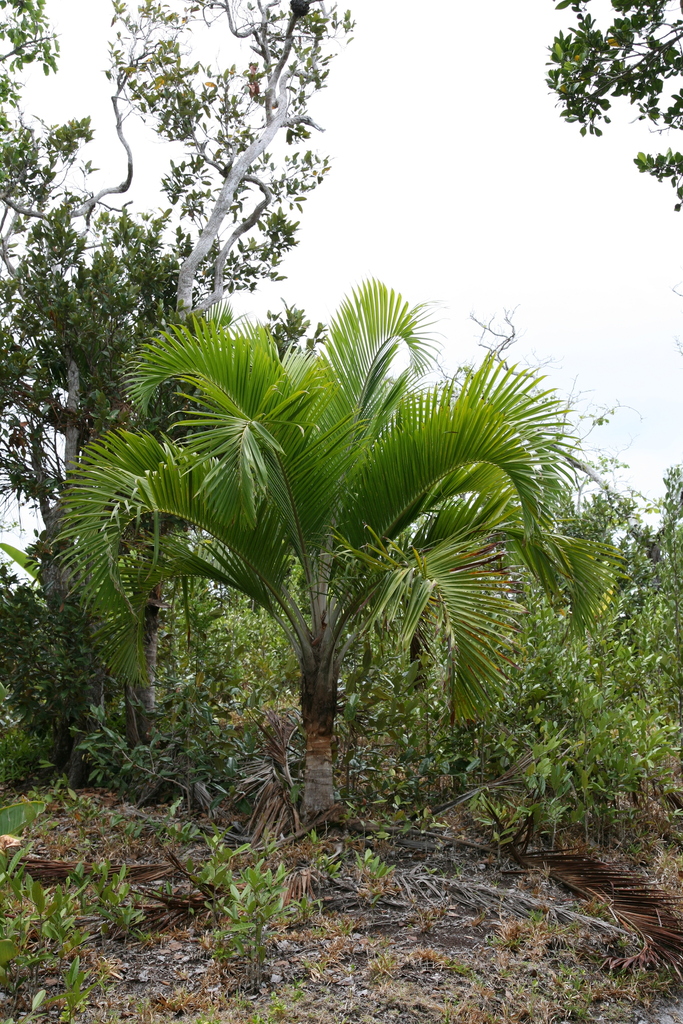
Image via iNaturalist (Research Grade). (c) Tobias Spanner, some rights reserved (CC BY-NC)
🚨 CRITICALLY ENDANGERED SPECIES
Endemic to northwestern Madagascar's Sambirano region. Represents one of the most challenging and rewarding palms to cultivate. Requires ultimate dedication to high humidity and tropical conditions. Conservation breeding programs essential.


1. Introduction
Habitat and Distribution
Ravenea sambiranensis is endemic to northwestern Madagascar, specifically the Sambirano region from which it derives its name. This critically endangered palm is restricted to lowland and mid-elevation rainforests between 50 and 800 meters elevation. The species inhabits the unique transitional forests of the Sambirano River valley, an area characterized by year-round rainfall and rich alluvial soils. Found primarily in the provinces of Diana and Sofia, it grows in forest understory and edges, often on slopes above seasonal streams.
Native Continent
Native range: Northwestern Madagascar Sambirano region
Click markers for details • Use buttons to switch map types
Scientific Classification
Synonyms
- Ravenea amara var. sambiranensis (early varietal designation)
- Louvelia sambiranensis (obsolete combination)
- Ravenea hildebrandtii sensu Jumelle (misapplied name)
Common Names
- Sambirano Ravenea Palm (English)
- Sambirano Majesty Palm (English)
- Palmier de Sambirano (French)
- Ravenea de Sambirano (French)
- Anivona (Malagasy)
- Maroala (Malagasy)
- Sindro (Malagasy)
- Sambirano-Palme (German)
- Palma de Sambirano (Spanish)
Global Expansion
Due to its rarity and recent introduction to cultivation, Ravenea sambiranensis has limited global distribution:
- United States: Rare in specialized collections in Florida and Hawaii
- Europe: Botanic gardens in France, UK, and Belgium
- Australia: Limited cultivation in Queensland botanical collections
- South Africa: Durban Botanic Garden and private collections
- Conservation collections: Part of ex-situ conservation programs worldwide
The species' expansion is restricted by limited seed availability, with most cultivation occurring in botanical institutions participating in conservation programs.
2. Biology and Physiology
Morphology
Trunk/Stem
Ravenea sambiranensis develops a slender, solitary trunk reaching 8-15 meters in height (3-6 meters in cultivation). The trunk diameter is relatively thin at 15-25 cm, with a smooth, green to gray-green surface marked by closely spaced leaf scars. Young trunks often display a slight bottle shape at the base. The slender trunk allows flexibility in forest understory conditions.
Leaves
Gracefully arching pinnate leaves measure 2.5-3.5 meters in length, among the longest in the genus. Each leaf bears 60-80 pairs of narrow, pendant leaflets, creating an elegant, feathery appearance. Individual leaflets are 45-65 cm long and 2-2.5 cm wide, bright green above and slightly paler below. The petiole is 40-60 cm long, green to yellow-green with a smooth, waxy surface. The crown typically maintains 20-25 leaves.
Flower Systems
Dioecious species with separate male and female individuals. Inflorescences emerge from below the crown (infrafoliar), highly branched to three orders. Male inflorescences are longer and more branched, with small white to cream flowers. Female inflorescences are shorter with greenish flowers. Flowering typically begins at 6-10 years under optimal conditions, making it one of the earlier-flowering Ravenea species.
Life Cycle
- Germination phase (1-4 months): Variable germination period
- Seedling establishment (3-12 months): Slow initial growth
- Juvenile phase (1-4 years): Accelerating growth rate
- Sub-adult phase (4-6 years): Rapid trunk elongation
- Adult reproductive phase (6+ years): Annual flowering
- Mature phase (15+ years): Peak reproductive output
- Longevity: Unknown in cultivation, estimated 60+ years in nature
Climate Adaptations
- Temperature preference: 22-32°C optimal
- Humidity requirements: High, 70-90% preferred
- Rainfall needs: Year-round moisture required
- Light tolerance: Understory shade when young
- Wind sensitivity: High due to large leaves
- Seasonal adaptation: Minimal, from everwet climate
3. Reproduction and Propagation
Seed Reproduction
Seed Morphology and Diversity
Seeds are broadly ellipsoid to subglobose, 15-20 mm long and 13-16 mm wide, among the largest in the genus. Fresh seeds display a distinctive purple-brown to black color with a smooth, slightly lustrous surface. The endosperm is homogeneous, hard, and white. Embryo is basal and relatively small. Average seed weight is 2.0-2.8 grams. Limited genetic diversity due to small wild population.
Seed Collection and Viability Testing
- Harvest timing: When fruits turn deep purple-black
- Collection challenge: Limited seed availability
- Processing: Remove pulp immediately
- Cleaning: Multiple rinses to remove all fruit tissue
- Viability period: 4-8 weeks maximum
- Storage potential: Poor, plant immediately
- Viability indicators: Firm endosperm, no fungal growth
Pre-germination Treatments
- Light filing beneficial but not essential
- Avoid heavy scarification
- Natural germination inhibitors minimal
- Consistent warm temperatures crucial
- No cold stratification needed
- Diurnal temperature variation beneficial
Step-by-step Germination Techniques
- Seed acquisition: Source from reputable conservation programs
- Initial preparation: Clean thoroughly, inspect for damage
- Soaking: Warm water (30°C) for 72 hours
- Medium: 50% peat, 25% perlite, 25% vermiculite
- Container: Deep pots, excellent drainage
- Planting depth: 2-3 cm deep
- Temperature control: Maintain 28-32°C
- Humidity: 80-90% essential
- Light: Deep shade initially
- Monitoring: Daily checks for moisture
Germination Difficulty: Moderate to Difficult
- Success rate: 50-70% with fresh seeds
- Highly variable germination timing
- Requires patience and consistent conditions
Germination Time
- Range: 4-16 weeks
- Average: 8-10 weeks
- Some seeds may take up to 6 months
- Erratic germination common
Seedling Care and Early Development
First month:
- Maintain high humidity, deep shade
Months 2-3:
- Very slow growth normal
Months 4-6:
- Begin dilute fertilization
Months 7-12:
- Gradually increase light
Year 2:
- Accelerated growth begins
Advanced Germination Techniques
Hormonal Treatments:
- GA3: 500-750 ppm, 48-hour soak
- Smoke water: Shows promise in trials
- Cytokinin: Combined with GA3
- Mycorrhizal inoculation: Highly beneficial
4. Cultivation Requirements
Light Requirements
Species-specific Light Tolerance
- Seedlings: 70-80% shade (understory conditions)
- Juveniles: 50-70% shade
- Sub-adults: 30-50% shade or filtered light
- Adults: Bright indirect to partial direct sun
- Forest adaptation: Naturally shade-tolerant when young
Seasonal Light Management
- Year-round consistency preferred
- Avoid sudden exposure changes
- Gradual acclimatization essential
Artificial Lighting for Indoor Cultivation
- Type: Full spectrum LED
- Intensity: 100-200 μmol/m²/s
- Duration: 12 hours daily
- Supplementation: UV-A beneficial
Temperature and Humidity Management
Optimal Temperature Ranges
- Ideal day: 25-30°C (77-86°F)
- Night minimum: 20-24°C (68-75°F)
- Maximum tolerance: 38°C (100°F)
- Minimum tolerance: 12°C (54°F)
- Optimal year-round: 24-28°C
Cold Tolerance and Hardiness
- Hardiness Zone: USDA 10b-12
- Frost tolerance: None
- Cold damage: Below 10°C
- Recovery: Poor from cold damage
Humidity Requirements
- Optimal: 75-85%
- Minimum: 60%
- Critical for success: High humidity
- Dry air damage: Rapid leaf desiccation
Soil and Nutrition
Ideal Soil Composition
Rich, organic mixture:
- 40% peat
- 20% bark fines
- 20% perlite
- 20% compost
pH range: 5.5-6.5 (acidic preferred)
Organic matter: 30-40% minimum
Nutrient Requirements
- NPK ratio: 10-5-10 with micronutrients
- Frequency: Bi-weekly in growth season
- Concentration: Half-strength preferred
- Organic preference: Responds well to organic sources
Organic vs. Synthetic Fertilization
- Organic: Composted leaf litter, worm castings
- Synthetic: Slow-release, low salt index
- Foliar feeding: Monthly micronutrient spray
Micronutrient Management
- Iron: Critical, use chelated forms
- Magnesium: Regular Epsom salt applications
- Trace elements: Complete micronutrient mix essential
- Calcium: Important for cell wall development
Water Management
Irrigation Requirements
- Frequency: Never allow to dry completely
- Method: Overhead misting plus soil irrigation
- Water needs: High, consistent moisture
- Seasonal variation: Minimal reduction in cooler months
Drought Tolerance
- Rating: Very poor
- Survival: Less than one week without water
- Symptoms: Rapid leaf desiccation
- Recovery: Usually fatal if severe
Water Quality
- pH preference: 6.0-6.5
- Salinity: Very sensitive (<300 ppm)
- Water type: Rainwater or RO preferred
- Temperature: Room temperature
Drainage Requirements
- Balance critical: Moist but not waterlogged
- Aeration: Essential for root health
- Organic amendments: Improve water retention
- Monitoring: Check moisture daily
5. Diseases and Pests
Common Problems
- Leaf browning: Usually low humidity
- Yellowing: Often iron deficiency
- Slow growth: Normal for species
- Leaf spots: Fungal in high humidity
Disease Identification
Fungal Diseases:
- Cylindrocladium leaf spot: Common in high humidity
- Phytophthora: Root and crown rot
- Pestalotiopsis: Leaf tip blight
- Anthracnose: In stressed plants
Bacterial Diseases:
- Bacterial leaf streak: Rare but serious
- Soft rot: In waterlogged conditions
Pest Identification
Insect Pests:
- Scale insects: Common on indoor plants
- Mealybugs: In leaf bases and crown
- Spider mites: In low humidity
- Thrips: Cause leaf distortion
Protection Methods
Environmental:
- Maintain air circulation
- Avoid water on foliage
- Regular inspection crucial
- Quarantine new plants
Chemical:
- Systemic fungicides preventively
- Horticultural oil for insects
- Neem oil as organic option
- Minimal chemical use preferred
6. Indoor Palm Growing
Specific Indoor Care
Critical Requirements
- Humidity control paramount
- Consistent temperatures
- Avoid drafts and AC
- Regular misting needed
Container Specifications
- Deep pots for taproot
- Excellent drainage crucial
- Plastic retains moisture better
- Size progression gradual
Indoor Challenges
- Achieving adequate humidity
- Preventing spider mites
- Providing sufficient light
- Maintaining consistent moisture
Replanting Procedures
- Timing: Late spring optimal
- Frequency: Every 2-3 years
- Root disturbance: Minimize
- Pot size: Gradual increases
- Soil: Fresh, sterile medium
- Aftercare: High humidity tent
Wintering Indoor Palms
- Temperature: Never below 18°C (64°F)
- Humidity: Increase to offset heating
- Water: Maintain moisture levels
- Light: Supplement if needed
- Fertilization: Reduce by half
- Monitoring: Daily humidity checks
7. Landscape and Outdoor Cultivation
Design Applications
- Understory planting: Natural niche
- Tropical rainforest gardens: Authentic component
- Conservatory specimen: Ideal environment
- Shaded borders: With high moisture
- Collector gardens: Rare species feature
Site Selection
- Protected, shaded location
- High humidity microclimate
- Near water features beneficial
- Wind protection essential
- Rich, organic soil
- Avoid exposed positions
8. Cold Climate Cultivation Strategies
Cold Hardiness Assessment
Temperature Limitations:
- Growth cessation: Below 20°C
- Stress begins: 15°C
- Damage threshold: 12°C
- Severe damage: 10°C
- Fatal: Below 8°C
Winter Protection Systems
Hardiness Zone Specifications
- Zone 10b-12: Outdoor with protection
- Zone 10a: Greenhouse only
- Zone 9 and below: Heated indoor only
Winter Protection Materials
- Indoor cultivation only in temperate zones
- Greenhouse heating essential
- Humidity systems required
- Supplemental lighting needed
Establishment and Maintenance in Landscapes
Planting Techniques for Success (Tropical zones only)
Site Preparation:
- Microclimate selection: Crucial for success
- Soil enrichment: Heavy organic amendment
- Drainage assessment: Balance critical
- Shade structure: May need artificial shade
- Wind protection: Essential consideration
Planting Process:
- Timing: Warm, humid season
- Acclimatization: Gradual over weeks
- Planting hole: Wide, enriched with compost
- Depth: Same as container level
- Backfill: Rich, organic mixture
- Mulching: Heavy organic mulch
- Misting system: Install if needed
Long-term Maintenance Schedules
Daily Tasks:
- Moisture monitoring
- Humidity assessment
- Misting if needed
Weekly Tasks:
- Thorough watering
- Pest inspection
- Foliar feeding
Monthly Tasks:
- Fertilization
- Growth measurement
- Comprehensive health check
- Mulch renewal
Quarterly Tasks:
- Soil testing
- Micronutrient supplementation
- Pruning dead fronds
- Support assessment
Annual Tasks:
- Complete health evaluation
- Soil renovation
- Conservation status documentation
- Propagation attempts if flowering
Final Summary
Ravenea sambiranensis represents one of Madagascar's rarest and most elegant palm species, combining exceptional ornamental qualities with significant conservation challenges. As one of the most endangered Ravenea species, its cultivation serves both horticultural and conservation purposes, making every successfully grown specimen valuable for ex-situ preservation.
The species' natural habitat in the Sambirano region's transitional forests has produced a palm requiring very specific cultivation conditions: consistently warm temperatures, high humidity, and rich, organic soils with perfect moisture balance. These exacting requirements make R. sambiranensis one of the more challenging Ravenea species to cultivate, particularly outside tropical regions.
Its morphological characteristics set it apart within the genus, with exceptionally long, gracefully arching leaves creating an elegant fountain effect unmatched by other Ravenea species. The numerous narrow leaflets produce a fine-textured, feathery appearance that makes it highly desirable for tropical landscape design and conservatory collections. The relatively early flowering age compared to palm size offers hope for conservation breeding programs.
Successful cultivation absolutely requires maintaining humidity levels above 70%, with 80-85% optimal. This requirement alone limits cultivation to tropical outdoor settings, greenhouses, or carefully controlled indoor environments. The species shows virtually no cold tolerance, with damage occurring below 12°C and death likely below 8°C, restricting outdoor cultivation to USDA zones 10b-12.
Propagation presents challenges due to limited seed availability and variable germination rates. The 50-70% germination success with fresh seeds declines rapidly, as seeds remain viable for only 4-8 weeks. The erratic germination pattern, with some seeds taking up to six months to germinate, requires patience and consistent maintenance of optimal conditions throughout the germination period.
For indoor cultivation, success depends on creating a microclimate mimicking its native forest understory. This typically requires grouping plants, using humidity trays, regular misting, and possibly installing humidifiers. The challenge of maintaining these conditions year-round makes R. sambiranensis suitable primarily for dedicated collectors and institutions with appropriate facilities.
The key message for R. sambiranensis cultivation is that this is not a beginner's palm. It requires dedication, appropriate facilities, and constant attention. However, for those able to provide its needs, it offers unparalleled elegance and the satisfaction of contributing to the conservation of one of Madagascar's rarest palm treasures.
- Critically endangered - extremely limited wild populations
- Most elegant Ravenea - longest leaves in genus
- Challenging germination - 4-16 weeks, erratic timing
- Moderate success rate - 50-70% with fresh seeds
- Ultra-high humidity essential - 75-85%
- Narrow temperature range - 25-30°C optimal
- Zone 10b-12 cultivation maximum
- Early maturity - flowers at 6-10 years
- Ultimate cultivation challenge
- Conservation breeding programs essential