Pholidostachys pulchra: A comprehensive Growing Guide for Enthusiasts & Collectors.
Pholidostachys pulchra
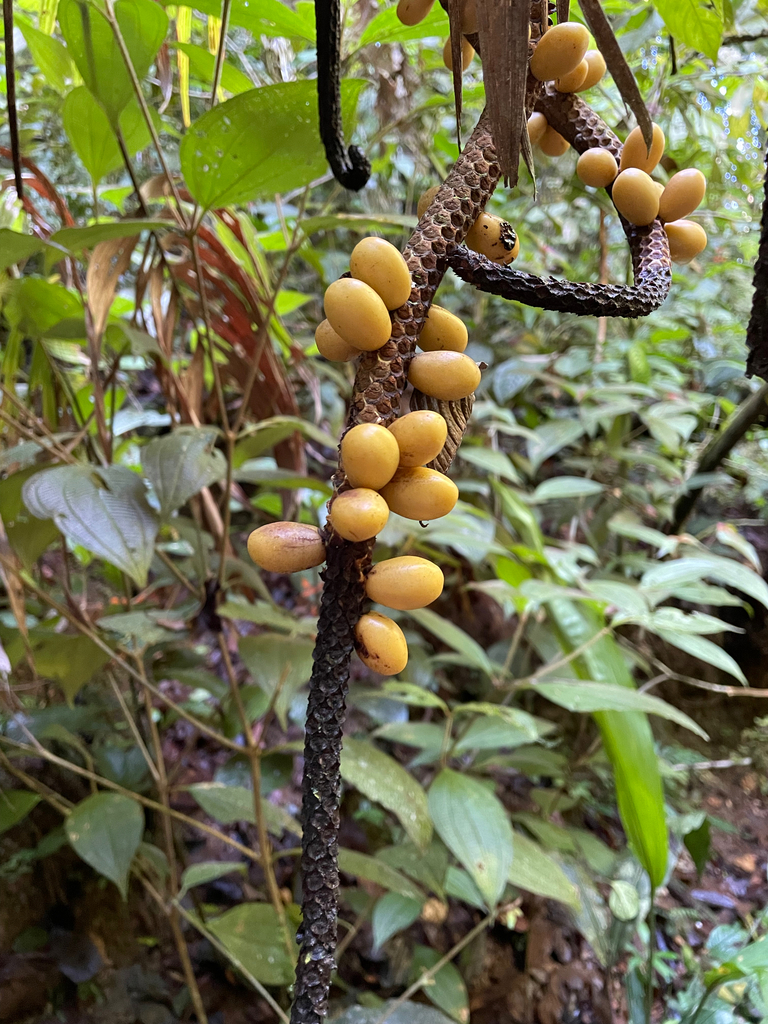
Image via iNaturalist (Research Grade). (c) Paul Foster, some rights reserved (CC BY-NC)
Image via iNaturalist (Research Grade). (c) Paul Foster, some rights reserved (CC BY-NC)


1. Introduction
Habitat and Distribution
Pholidostachys pulchra is endemic to the Pacific lowlands and premontane forests of northwestern South America, with its distribution centered in Colombia's Chocó biogeographic region, one of the world's wettest and most biodiverse areas. The species extends from eastern Panama (Darién Province) through western Colombia (Chocó, Valle del Cauca, Cauca, and Nariño departments) to northwestern Ecuador (Esmeraldas Province). It inhabits primary rainforest understories from sea level to 1,200 meters elevation, thriving in areas with extreme precipitation of 4,000-12,000mm annually. The palm shows a marked preference for steep slopes, ravines, and areas near streams where the canopy is dense and light levels at ground level are less than 2% of full sunlight.
Native Continent
📍 Endemic Distribution:
- Chocó Region: Colombia's wettest area
- Range: Panama to Ecuador
- Habitat: Primary rainforest understory
- Elevation: 0-1,200m
- Rainfall: 4,000-12,000mm annually
Native range: Chocó Region, Panama to Ecuador
Click on markers for details
Taxonomic Classification and Scientific Classification
Synonyms
- Calyptrogyne pulchra (H.Wendl. ex Burret) Burret
- Pholidostachys occidentalis Standl. & L.O.Williams
- Pholidostachys panamensis R.Bernal (not validly published)
Common Names
- English: Beautiful pholidostachys, Scale palm
- Spanish: Maquenque (Colombia, Ecuador), Palma de escama ("scale palm"), Palmito de monte (Panama)
- Colombian: Coquito (Local)
- Chinese: 美丽鳞穗椰
Expansion in the World
P. pulchra has limited but growing presence in cultivation:
- United States: Fairchild Tropical Botanic Garden, Florida (established specimens); Montgomery Botanical Center (conservation collection); Hawaii private collections (most successful)
- Asia: Singapore Botanic Gardens
- Australia: Private collections in tropical Australia
- Availability: Rarely available from specialist nurseries; Seeds occasionally offered internationally
Limited cultivation reflects collection difficulties in remote habitats and specific environmental requirements.
2. Biology and Physiology
Morphology
Trunk
P. pulchra typically develops 3-8 slender, clustering stems from a common base, though solitary individuals occur. Each stem reaches 2-5 meters in height with a diameter of only 2-4cm. The internodes are short (2-5cm), giving the stem a bamboo-like appearance with prominent nodes. Stems are green when young, aging to brown or gray-brown. The clustering habit varies with environmental conditions, with more stems produced in optimal locations. Aerial roots are occasionally produced at the base in very wet conditions.
Leaves
The crown of each stem consists of 4-8 pinnate leaves, creating an elegant, fountain-like appearance. Leaves measure 1.5-2.5 meters long including the 30-50cm petiole. The distinctive feature is the irregular leaflet arrangement and varying leaflet widths, creating a "messy" but attractive appearance. Leaflets number 15-25 per side, arranged in groups of 2-4 at different angles. Individual leaflets vary dramatically in width from 2-12cm and length from 30-60cm. The leaf surface is deep green above with a satiny sheen, paler below. New leaves emerge bronze-tinted.
Flower Systems
P. pulchra is monoecious with a unique infrafoliar inflorescence structure that gives the genus its name. The inflorescence emerges below the leaves, initially enclosed in 5-8 overlapping, scale-like bracts arranged spirally (hence "Pholidostachys" = scale spike). The spike-like inflorescence is 15-30cm long, unbranched, densely covered with flowers arranged in spirals. Male and female flowers are intermixed, with females opening first (protogynous). Flowers are small (3-5mm), cream to pale yellow, and produce a sweet fragrance at dusk. Flowering occurs throughout the year with peaks during the wettest months.
Life Cycle
P. pulchra has a relatively short life cycle for individual stems:
- Germination to Seedling (0-2 years): Slow initial establishment
- Juvenile Phase (2-5 years): First clustering begins
- Sub-adult Phase (5-10 years): Multiple stems develop
- Adult Phase (10-30 years): Full clump flowering
- Senescent Phase: Individual stems die after 30-40 years but clump persists
First flowering occurs at 7-10 years on individual stems.
Specific Adaptations to Climate Conditions
- Extreme Shade Tolerance: Survives in <2% light
- High Rainfall Adaptation: Tolerates waterlogged soils
- Clustering Habit: Insurance against stem death
- Flexible Leaflets: Reduces rain damage
- Scale-like Bracts: Protect flowers from rain
- Continuous Flowering: Takes advantage of year-round warmth
3. Reproduction and Propagation
Seed Reproduction
Seed Morphology and Diversity
P. pulchra produces small, ovoid to ellipsoid fruits, 1.5-2.5cm long and 1-1.5cm diameter. Fruits are initially green, ripening to bright orange or red-orange. The exocarp is thin and smooth; mesocarp is fleshy, oily, and aromatic; endocarp is thin and papery. Seeds are ovoid, 1.2-1.8cm long, with homogeneous endosperm and a basal embryo. The seed surface shows distinctive longitudinal grooves. Fresh seed weight is 0.8-1.5 grams. Significant variation exists in fruit color and size between populations, with Colombian forms generally larger than Panamanian ones.
Detailed Seed Collection and Viability Testing
Collection Methods:
- Monitor fruiting stems year-round
- Collect orange to red fruits
- Process immediately in humid conditions
- High fruit production per inflorescence
Viability Testing:
- Float test: Viable seeds sink
- Cut test: White, firm endosperm
- Oil content indicates freshness
- Fresh viability: 85-95%
- One month: 60-70%
- Three months: 30-40%
- Six months: <10%
Pre-germination Treatments
Fruit Processing:
- Remove fleshy mesocarp completely
- Ferment 2-3 days if needed
- Clean thoroughly
- Never allow drying
Scarification:
- Usually unnecessary
- Very light sanding if used
- Focus on basal area
- Natural grooves aid water entry
Soaking:
- 24-48 hours in warm water
- Change water every 12 hours
- Seeds should plump slightly
Step-by-step Germination Techniques
- Medium: 50% peat moss, 30% perlite, 20% fine orchid bark
- Container: Community seed trays acceptable
- Sowing: Plant 1-2cm deep
- Temperature: Constant 25-30°C (77-86°F)
- Humidity: Maintain 80-90%
- Light: Deep shade from start
- Moisture: Keep consistently moist
- Fresh seeds essential
- Temperature consistency
- High humidity required
- Shade important
Germination Time
- First germination: 30-60 days
- Peak germination: 60-90 days
- Complete process: 120 days
- Success rate: 70-85% with fresh seeds
Seedling Care and Early Development
Months 0-6:
- Maintain high humidity
- Deep shade essential (90%+)
- No fertilization needed
- Keep constantly moist
Months 6-12:
- Begin weak monthly feeding
- Can transplant at 3-4 leaves
- Maintain deep shade
- Watch for clustering
Years 2-3:
- Increase pot size
- Regular feeding program
- First offsets may appear
- Growth rate increases
Advanced Germination Techniques
Hormonal Treatments for Germination Enhancement
- Low concentration: 250-500 ppm
- 24-hour soak
- 15-20% improvement
- Speeds germination
- Limited benefit
- May help older seeds
- 1:100 dilution
- Day/night variation beneficial
- 30°C day/25°C night
- Mimics forest floor
4. Cultivation Requirements
Light Requirements
Species-specific Light Tolerance Ranges
- Seedlings (0-2 years): 50-200 μmol/m²/s (95%+ shade)
- Juveniles (2-5 years): 100-400 μmol/m²/s (90-95% shade)
- Sub-adults (5-10 years): 200-600 μmol/m²/s (85-90% shade)
- Adults: 300-800 μmol/m²/s (80-85% shade minimum)
Seasonal Light Variations and Management
- Consistent deep shade required
- No seasonal adjustment needed
- Protect from any direct sun
- Leaf bleaching indicates excess light
Artificial Lighting for Indoor Cultivation
- Very low light requirements
- Standard room lighting often sufficient
- 8-10 hour photoperiod
- 50-150 foot-candles adequate
Temperature and Humidity Management
Optimal Temperature Ranges
- Ideal: 23-28°C (73-82°F)
- Acceptable: 18-32°C (64-90°F)
- Minimum survival: 13°C (55°F)
- Maximum tolerance: 35°C (95°F)
- Consistent temperatures preferred
Cold Tolerance Thresholds
- Damage threshold: 15°C (59°F)
- Severe damage: 10°C (50°F)
- Fatal: 5°C (41°F)
- No frost tolerance
Hardiness Zone Maps
- USDA Zones: 10b-11
- Marginal in 10a
- Sunset Zones: 23-24
- European: H1a
Humidity Requirements and Modification
- Optimal: 75-90%
- Minimum: 60%
- High humidity critical
- Frequent misting beneficial
Soil and Nutrition
Ideal Soil Composition and pH
Rainforest Floor Mix for Scale Palm
- pH preference: 5.5-6.5 (slightly acidic)
-
Rainforest floor mix:
- 40% high-quality peat
- 20% leaf compost
- 20% perlite
- 15% fine bark
- 5% charcoal
- Rich, moisture-retentive essential
Nutrient Requirements Through Growth Stages
Seedlings (0-1 year):
- No fertilization
- Rich medium sufficient
Juveniles (1-5 years):
- NPK ratio: 3-1-2
- Monthly dilute application
- Organic preferred
Adults (5+ years):
- NPK ratio: 10-5-10
- Bi-weekly in growth season
- Micronutrients important
Organic vs. Synthetic Fertilization
- Fish emulsion ideal
- Compost tea beneficial
- Worm castings top dressing
- Mimics forest nutrition
- Dilute liquid feeds
- Avoid salt buildup
- Slow-release risky
- Quarter strength recommended
Micronutrient Deficiencies and Corrections
- Iron: Common in alkaline conditions
- Magnesium: Epsom salts monthly
- Manganese: Foliar spray effective
- Generally undemanding if soil rich
Water Management
Irrigation Frequency and Methodology
- Constant moisture essential
- Never allow drying
- Can tolerate wet feet
- Rainwater preferred
Water Quality Considerations
- Soft water preferred
- Sensitive to salts
- pH 5.5-6.5 ideal
- Avoid chlorinated water
Drainage Requirements
- Good drainage preferred but not critical
- Tolerates waterlogging better than most
- Organic matter aids balance
- Can grow in constantly moist soil
5. Diseases and Pests
Common Problems in Growing
- Low humidity damage: Primary issue
- Light stress: Bleaching common
- Spider mites: In dry conditions
- Root problems: Usually too dry
Identification of Diseases and Pests
Disease Issues:
- Few fungal problems
- Crown rot if damaged
- Root rot rare
- Very disease resistant
Pest Problems:
- Spider mites: Primary pest
- Scale insects: Occasional
- Mealybugs: In leaf bases
- Thrips: Minor issue
Environmental and Chemical Protection Methods
Prevention:
- Maintain high humidity
- Appropriate shade levels
- Good air circulation
- Quarantine new plants
Treatment:
- Neem oil for most pests
- Increase humidity for mites
- Systemic insecticides rarely
- Hand removal often sufficient
6. Indoor Palm Growing
Specific Care in Housing Conditions
- Low light requirements ideal
- Compact clustering size
- Attractive year-round
- Excellent houseplant potential
- Humidity supplementation
- North window placement
- Consistent moisture
- Warm temperatures
- Moderate pot size adequate
- Clustering contained well
- Attractive in decorative pots
- Long-lived in containers
Replanting and Wintering
Replanting Schedule:
- Every 2-3 years
- Spring timing best
- When clusters expand
Process:
- Maintain moisture before
- Divide carefully if desired
- Rich, fresh medium
- Same planting depth
- High humidity recovery
Winter Care:
- Maintain 18°C (64°F) minimum
- Increase humidity
- Reduce watering slightly
- No fertilization
- Mist frequently
- Watch for spider mites
7. Landscape and Outdoor Cultivation
Tropical Garden Applications
- Understory excellence
- Stream bank plantings
- Deep shade gardens
- Rainforest recreation
Design Features
- Elegant clustering form
- Irregular leaf pattern
- Year-round flowering
- Natural appearance
Establishment and Maintenance in Landscapes
Planting Techniques for Success
Site Selection:
- Deepest shade available
- High humidity area
- Protection from wind
- Near water features ideal
Soil Preparation:
- Rich organic matter
- Moisture retention critical
- Acidic pH adjustment
- Deep mulch layer
Installation:
- Plant in groups
- Close spacing acceptable
- Immediate shade cloth
- Constant moisture
Long-term Maintenance Schedules
Weekly:
- Moisture monitoring
- Misting in dry weather
Monthly:
- Fertilization in season
- Remove old inflorescences
- Check for pests
Annually:
- Divide if needed
- Refresh mulch
- Soil enrichment
- Evaluate shade levels
Special Considerations:
- Allow natural form
- Don't remove offsets
- Document flowering
- Protect from disturbance
8. Cold Climate Cultivation Strategies
Cold Hardiness
Winter Protection
- Greenhouse only in temperate zones
- Minimum 15°C (59°F)
- High humidity critical
- No cold drafts
Hardiness Zone
- USDA 10b-11 only
- Not viable below 10b
- Heated protection essential
Winter Protection Systems and Materials
Greenhouse Culture:
- Warm greenhouse required
- Humidity systems essential
- Shade even in winter
- Consistent temperatures
Final Summary
Pholidostachys pulchra, the beautiful scale palm, represents one of the most shade-tolerant palms available to cultivation. Native to the hyper-wet forests of the Chocó region, this clustering species has adapted to extremes of rainfall and shade that would challenge most plants. Its elegant fountain-like clusters, irregularly arranged leaflets, and year-round flowering create an authentic rainforest ambiance in suitable gardens.
The key to success with P. pulchra lies in understanding its origin in one of Earth's wettest places—the Chocó, where rain is measured in meters, not millimeters, and the forest floor receives barely any direct light. This translates to cultivation requirements of deep shade (80-95%), constant moisture, high humidity (75-90%), and rich, acidic soil with abundant organic matter. Unlike many palms, it tolerates waterlogged conditions and actually suffers more from drying than from excess moisture.
Propagation is relatively straightforward with fresh seeds, which germinate readily in 30-90 days under warm, humid conditions. The clustering habit means established plants can also be divided, though this should be done carefully to maintain the natural clump appearance. Growth is moderate, with flowering possible within 7-10 years.
For growers in USDA Zones 10b-11 seeking an authentic rainforest understory palm, P. pulchra offers unmatched authenticity combined with surprising durability if its basic needs are met. Its tolerance for deep shade makes it valuable for difficult garden locations and indoor cultivation where most palms fail. Success comes from embracing its love of shade and moisture rather than trying to adapt it to brighter, drier conditions. The reward is a palm that brings the mysterious beauty of the Chocó rainforest to suitable gardens, complete with elegant form, continuous flowering, and the knowledge that each cluster recreates a small piece of one of Earth's most biodiverse ecosystems.
- Extreme shade tolerance - thrives in <2% light
- Clustering habit with 3-8 slender stems
- Constant moisture essential - zero drought tolerance
- High humidity required (75-90%)
- Tropical only - USDA 10b-11
- Excellent houseplant due to low light needs
- Unique scale-like flower bracts
- Year-round flowering in suitable conditions
- Authentic Chocó rainforest representative