Pholidocarpus macrocarpus: A comprehensive Growing Guide for Enthusiasts & Collectors.
Pholidocarpus macrocarpus
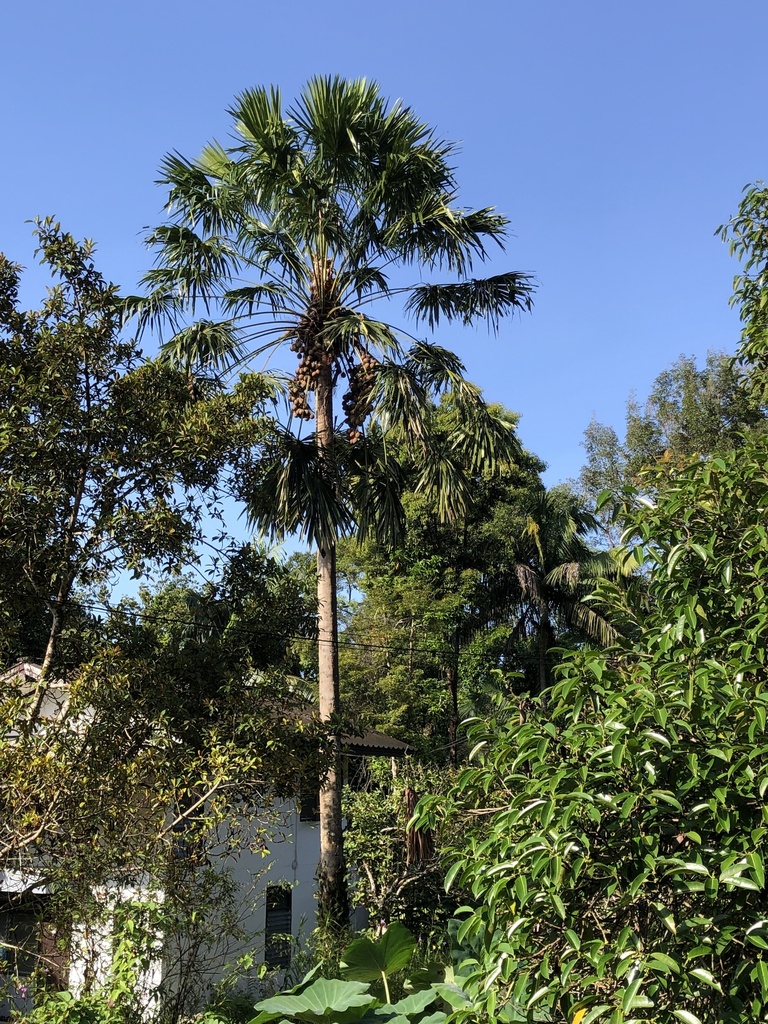
Image via iNaturalist (Research Grade). (c) Woraphot Bunkhwamdi, some rights reserved (CC BY-NC)


1. Introduction
Habitat and Distribution, Native Continent
Pholidocarpus macrocarpus is endemic to the northwestern regions of Borneo, with populations primarily in Sarawak (Malaysia), Brunei, and northwestern Kalimantan (Indonesia). This impressive palm inhabits mixed dipterocarp forests on well-drained slopes and ridges between 100-1,000 meters elevation, with optimal growth between 300-700 meters. Unlike its congeners that prefer alluvial soils, P. macrocarpus thrives on yellow-red podzolic soils derived from sandstone and shale. The species occurs in areas with extremely high rainfall, typically 3,000-4,500mm annually with no distinct dry season. It often grows in association with other Bornean endemic palms in the understory of primary forest, where the canopy provides protection from direct sun and maintains high humidity year-round.
📍 Endemic Distribution:
- Sarawak, Malaysia: Primary habitat
- Brunei: Limited populations
- Kalimantan, Indonesia: Northwestern regions
- Elevation: 100-1,000m (optimal 300-700m)
- Rainfall: 3,000-4,500mm annually
- Status: ENDANGERED
Native range: Northwestern Borneo only
Click on markers for details
Taxonomic Classification and Scientific Classification
Synonyms
- Pholidocarpus grandis Ridl. (1903)
- Pholidocarpus borneensis Becc. ex Martelli (invalid)
- Sometimes misidentified as P. majadum in collections
Common Names
- English: Large-fruited pholidocarpus, Giant scale palm
- Malay: Kepau buah besar (large fruit kepau)
- Iban: Pantu
- Brunei Malay: Serdang
- Chinese: 大果鳞果椰
Expansion in the World
P. macrocarpus remains virtually absent from cultivation worldwide:
- Not present in any major botanical gardens outside Borneo
- A few specimens in private collections in Southeast Asia
- Never available commercially
- Seeds rarely collected due to remote habitat
- No documented cultivation in the West
- IUCN Red List status: ENDANGERED
The absence from cultivation reflects the species' remote habitat, large size, and specific environmental requirements that are difficult to replicate outside its native range.
2. Biology and Physiology
Morphology
Trunk
P. macrocarpus develops a robust, solitary trunk reaching 15-25 meters in height with a diameter of 35-50cm. The trunk is distinctive dark brown to black, with very closely spaced ring scars creating a corrugated appearance. The upper portion retains persistent leaf bases longer than other Pholidocarpus species, often clothed in black fibers for 5-8 meters below the crown. The base shows moderate buttressing, particularly on slopes.
Leaves
The crown consists of 25-35 massive palmate leaves forming a dense, dome-shaped canopy. Individual leaf blades measure 3.5-4.5 meters across, slightly smaller than P. kingianus but more numerous. The petiole is 2.5-3.5 meters long, armed with recurved black spines up to 6cm long, the largest in the genus. The blade is divided into 70-100 segments, each segment further split at the tips, creating a very full appearance. Leaves are deep green above with a waxy coating, silvery-green beneath. The costa extends 1.5 meters into the blade.
Flower Systems
Hermaphroditic with massive interfoliar inflorescences emerging horizontally before becoming pendulous. The inflorescence reaches 2.5-3.5 meters long, the longest in the genus. The peduncle is stout, covered in dark brown scales and spines. Flowers are arranged in dense clusters along numerous rachillae. Individual flowers are small (5-6mm), creamy white to pale yellow, strongly fragrant at night. Peak flowering occurs irregularly, often triggered by climatic events.
Life Cycle
P. macrocarpus has an extended life cycle of 120-180 years:
- Germination to Seedling (0-5 years): Very slow initial growth
- Juvenile Phase (5-20 years): Establishment in forest understory
- Sub-adult Phase (20-40 years): Trunk development and elevation
- Adult Phase (40-130 years): Canopy emergence and reproduction
- Senescent Phase (130-180 years): Gradual decline
First flowering occurs at 35-45 years, later than most palms.
Specific Adaptations to Climate Conditions
- Rain Forest Adaptation: Waxy leaves shed excess water
- Slope Stability: Buttressed base and deep roots
- Low Light Tolerance: Survives decades in deep shade
- Spine Defense: Largest spines (6cm) deter orangutans
- Irregular Flowering: Responds to climate cues
- Persistent Leaf Bases: Protection from epiphytes
3. Reproduction and Propagation
Seed Reproduction
Seed Morphology and Diversity
P. macrocarpus produces the largest fruits in the genus, justifying its specific name. Fruits are broadly ovoid to depressed-globose, 8-12cm diameter and 6-10cm tall, weighing up to 500 grams. The scales are extremely thick and woody, dark purple-brown to black when ripe, arranged in 15-20 spiral rows. Each fruit typically contains a single large seed, rarely 2. Seeds are globose, 4-6cm diameter, the largest among Pholidocarpus. The endosperm is homogeneous, very hard, with a large lateral embryo. Fresh seed weight ranges from 30-60 grams.
Detailed Seed Collection and Viability Testing
- Remote forest habitat access difficult
- Fruits produced irregularly (every 2-4 years)
- Competition from wildlife intense
- Canopy height makes collection dangerous
- Weight test: >40g seeds most viable
- Firmness: Rock-hard endosperm essential
- Float test: Less reliable due to air pockets
- Fresh viability: 90-95%
- Two weeks: 70-80%
- One month: 50-60%
- Three months: <20%
Pre-germination Treatments
Scale Removal Challenge:
- Soak fruits 10-14 days
- Mechanical removal needed
- Power tools sometimes required
- Complete cleaning essential
Scarification:
- Heavy filing required
- Focus on micropyle region
- Acid scarification: 20% H₂SO₄ for 1 hour
- Hot water: 70°C for 45 minutes
Embryo Exposure:
- Careful partial seed coat removal
- Expose embryo area only
- Dramatic improvement in germination
- Requires skill to avoid damage
Step-by-step Germination Techniques
- Container: Very large pots (40cm+ deep)
- Medium: 35% coarse sand, 35% forest soil, 20% coconut husk chips, 10% charcoal
- Planting: 8-10cm deep due to large size
- Temperature: Constant 26-30°C (79-86°F)
- Humidity: 80-90% critical
- Light: Complete shade initially
- Special: Bottom heat beneficial
Germination Difficulty
Major challenges:
- Extremely hard seed coat
- Very long germination time
- Large size requires space
- High humidity needs
Germination Time
- First emergence: 120-300 days
- Peak germination: 300-450 days
- Complete process: up to 700 days
- Success rate: 30-60% typical
Seedling Care and Early Development
Year 1:
- Maintain forest conditions
- 95% shade essential
- High humidity critical
- No fertilization
Years 2-4:
- Very slow growth normal
- Begin light feeding year 3
- Maintain deep shade
- Large containers needed
Years 5-7:
- Finally ready for planting out
- Still requires 80% shade
- Regular feeding program
- Spine development begins
Advanced Germination Techniques
Hormonal Treatments for Germination Enhancement
Gibberellic Acid (GA3):- High concentration: 1500-2000 ppm
- Injection most effective
- Combine with scarification
- 40-50% improvement
- BAP at 200 ppm
- Promotes embryo growth
- Use with GA3
- Some success reported
- Last resort for rare seeds
- Requires laboratory conditions
- 70% success possible
- Very technical process
4. Cultivation Requirements
Light Requirements
Species-specific Light Tolerance Ranges
- Seedlings (0-5 years): 100-300 μmol/m²/s (90-95% shade)
- Juveniles (5-20 years): 300-700 μmol/m²/s (80-90% shade)
- Sub-adults (20-40 years): 700-1200 μmol/m²/s (60-80% shade)
- Adults: 1200-1800 μmol/m²/s (40-60% shade preferred)
Extremely shade-tolerant, especially when young.
Seasonal Light Variations and Management
- Consistent deep shade for decades
- Adults can handle more variation
- Never full sun exposure
- Forest conditions ideal
Artificial Lighting for Indoor Cultivation
- Not practical due to size
- Low light needs when young
- Standard fluorescents adequate temporarily
- Natural forest light best
Temperature and Humidity Management
Optimal Temperature Ranges
- Ideal: 24-28°C (75-82°F)
- Acceptable: 20-32°C (68-90°F)
- Minimum survival: 16°C (61°F)
- Maximum tolerance: 35°C (95°F)
- Stable temperatures critical
Cold Tolerance Thresholds
- Damage begins: 18°C (64°F)
- Severe damage: 15°C (59°F)
- Fatal: 12°C (54°F)
- No cold tolerance
Hardiness Zone Maps
- USDA Zones: 11 only
- Marginal in 10b
- Requires tropical conditions
- No cold tolerance
Humidity Requirements and Modification
- Optimal: 80-95%
- Minimum: 70%
- Constant high humidity essential
- Misting systems recommended
Soil and Nutrition
Ideal Soil Composition and pH
Forest Soil Recreation Essential
Forest soil recreation:
- 30% forest topsoil
- 25% leaf mold
- 20% coarse sand
- 15% coconut husk
- 10% hardwood charcoal
- Rich in organic matter
Nutrient Requirements Through Growth Stages
Seedlings (0-5 years):
- Minimal feeding
- Forest floor nutrients sufficient
- Light organic matter only
Juveniles (5-20 years):
- NPK ratio: 3-1-2
- Quarterly application
- Increase gradually
Adults (20+ years):
- NPK ratio: 12-4-8
- Heavy feeding required
- Monthly during growth
- Organic supplements important
Organic vs. Synthetic Fertilization
Organic Preferred:- Replicates forest nutrition
- Aged leaf compost base
- Slow-release meals
- Maintains soil biology
- Low-salt formulations
- Avoid quick-release
- Monitor pH changes
- Combine with organics
Micronutrient Deficiencies and Corrections
- Iron: Common in cultivation
- Magnesium: Regular supplements
- Manganese: Foliar feeding
- Trace elements: Forest soil amendments
Water Management
Irrigation Frequency and Methodology
- Very high water needs
- Never allow drying
- Daily in dry weather
- Overhead sprinklers ideal
Drought Tolerance Assessment
- Rapid decline if dry
- Permanent damage quickly
- Constant moisture essential
Water Quality Considerations
- Rainwater preferred
- Low salt tolerance
- Acidic water beneficial
- Avoid hard water
Drainage Requirements
- Good drainage essential
- No waterlogging despite moisture needs
- Slope planting ideal
- Organic matter improves structure
5. Diseases and Pests
Common Problems in Growing
- Humidity stress: Most common issue
- Nutrient deficiencies: In non-forest soils
- Root rot: If waterlogged
- Scale insects: In low humidity
Identification of Diseases and Pests
Disease Issues:
- Phytophthora root rot
- Various leaf spots in low humidity
- Crown rot if water collects
- Generally healthy in proper conditions
Pest Problems:
- Scale insects: Various species
- Mealybugs: In crown
- Spider mites: If too dry
- Borers: Rare but serious
Environmental and Chemical Protection Methods
Prevention Critical:
- Maintain forest conditions
- High humidity prevents most issues
- Good air circulation
- Proper nutrition
Treatment Options:
- Minimal chemicals preferred
- Neem oil for scales
- Increase humidity for mites
- Address environment first
6. Indoor Palm Growing
Specific Care in Housing Conditions
- Massive eventual size
- Extreme humidity needs
- Large spine hazard
- Forest conditions required
Only appropriate for:
- Tropical conservatories
- Botanical gardens
- Research facilities
Replanting and Wintering
Container Limitations:
- Temporary only when young
- Massive containers needed
- Impractical long-term
- Ground planting essential
Tropical Requirements:
- No cold tolerance
- Year-round warmth
- Constant humidity
- No winter care needed in tropics
7. Landscape and Outdoor Cultivation
Limited Landscape Use
- Botanical collections only
- Requires forest setting
- Not for open landscapes
- Conservation priority
Design Restrictions
- Safety concerns (spines)
- Space requirements
- Specific conditions needed
- Natural forest best
8. Cold Climate Cultivation Strategies
Cold Hardiness
This species cannot survive any cold conditions.
Winter Protection
- Impossible outdoors
- Heated conservatory only
- Minimum 20°C (68°F)
- High humidity year-round
Hardiness Zone
- USDA Zone 11 only
- Not viable elsewhere
- Tropical greenhouse essential
Winter Protection Systems and Materials
Requires sophisticated systems:
- Computer-controlled environment
- Misting systems
- Heating backup
- Professional management
Establishment and Maintenance in Landscapes
Planting Techniques for Success
Site Requirements:
- Forest understory only
- Protection from wind
- High canopy shade
- Moisture retention
Soil Preparation:
- Recreate forest floor
- Deep organic layer
- Ensure drainage
- Acidify if needed
Installation Process:
- Wet season planting
- Minimize root disturbance
- Immediate shade cloth
- Moisture monitoring
Long-term Maintenance Schedules
Daily:
- Moisture checking
- Humidity monitoring
Weekly:
- Pest inspection
- Dead tissue removal
Monthly:
- Fertilization
- pH testing
- Growth measurement
Special Requirements:
- Professional care needed
- Safety equipment
- Forest maintenance
- Long-term commitment
Final Summary
Pholidocarpus macrocarpus, the giant scale palm of Borneo, represents one of the most challenging yet spectacular palms for cultivation. Endemic to the remote rainforests of northwestern Borneo, this endangered species has evolved remarkable adaptations including the largest fruits in its genus (up to 12cm diameter) and the longest spines (6cm) among Pholidocarpus species.
The species' extreme requirements make it suitable only for dedicated conservationists and institutions. It demands constant temperatures of 24-28°C, humidity of 80-95%, and deep shade for many years—conditions that replicate its rainforest home. The massive size, formidable spines, and specific soil requirements further limit its cultivation to botanical gardens and research facilities in tropical regions.
Propagation presents exceptional challenges, with the rock-hard seeds taking up to two years to germinate even under optimal conditions. The extremely limited seed availability due to remote habitat and irregular fruiting makes every propagation attempt valuable for conservation. Success rates remain low (30-60%) even with advanced techniques.
For the few institutions capable of providing appropriate conditions, P. macrocarpus offers an opportunity to preserve one of Borneo's most impressive endemic palms. Success requires recreating rainforest conditions precisely: acidic, organic-rich soil, constant moisture without waterlogging, deep shade for decades, and unwavering commitment to maintaining high humidity. This is not a palm for casual cultivation but rather a species that demands respect for both its magnificent presence and its exacting requirements. Those who succeed in growing it contribute to preserving a spectacular piece of Borneo's threatened rainforest heritage.
- ⚠️ ENDANGERED species - conservation priority
- Largest fruits in genus - up to 12cm diameter
- Longest spines - up to 6cm long
- Extremely slow growth - first flowering at 35-45 years
- Very long germination - up to 700 days
- No cold tolerance - Zone 11 only
- Requires constant 80-95% humidity
- Deep shade essential for decades
- Not suitable for home cultivation
- Professional care required