Phoenix caespitosa: A comprehensive Growing Guide for Enthusiasts & Collectors.
Phoenix caespitosa
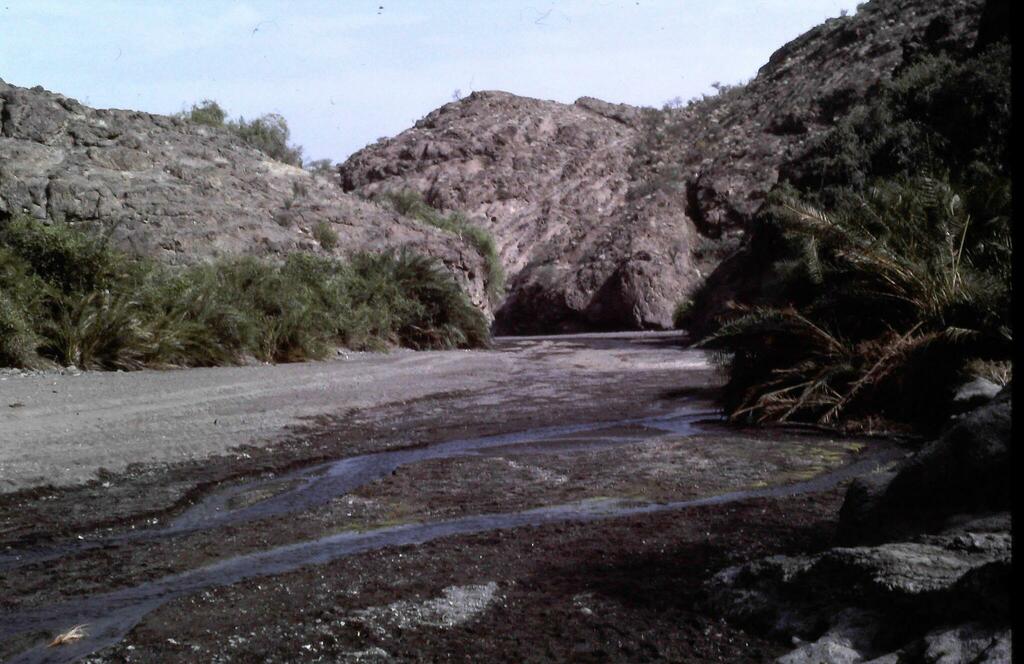
Image via iNaturalist (Research Grade). (c) mikee84, some rights reserved (CC BY-NC)


1. Introduction
Habitat and Distribution, Native Continent
Phoenix caespitosa is native to the Arabian Peninsula, Horn of Africa, and parts of North Africa, with populations in Saudi Arabia, Yemen, Oman, Somalia, Djibouti, Ethiopia, Sudan, and southern Egypt. This remarkable clustering palm inhabits some of Earth's most challenging environments, from coastal plains to mountain oases up to 2,000 meters elevation. It thrives in areas with annual rainfall as low as 50-400mm, often growing in wadis (seasonal watercourses), around springs, and in rocky areas where underground water is accessible. The species shows remarkable adaptability, surviving temperatures exceeding 50°C and tolerating both saline conditions near coasts and alkaline soils inland. P. caespitosa often forms extensive colonies in desert oases, creating critical habitat for wildlife.
📍 Native Distribution:
- Arabian Peninsula: Saudi Arabia, Yemen, Oman
- Horn of Africa: Somalia, Djibouti, Ethiopia
- North Africa: Sudan, southern Egypt
- Habitat: Wadis, oases, rocky areas
- Elevation: 0-2,000m
- Rainfall: 50-400mm annually
Taxonomic Classification and Scientific Classification
Synonyms
- Phoenix dactylifera var. caespitosa (Chiov.) A.Chev.
- Phoenix reclinata auct. non Jacq. (misidentified)
- Phoenix abyssinica Drude (in part)
- Phoenix arabica Burret
Common Names
- English: Arabian clustering date palm, Desert date palm
- Arabic: نخيل الصحراء (nakhil al-sahra), Dom
- Somali: Timir
- Chinese: 丛生海枣 (cóng shēng hǎi zǎo)
Expansion in the World
P. caespitosa is increasingly cultivated in arid regions:
- Middle Eastern botanical gardens
- Desert botanical gardens in USA (Arizona, California)
- Australian arid zone collections
- Mediterranean xeriscape gardens
- Increasingly available from specialists
- Seeds regularly offered
- IUCN Red List status: Not evaluated
Growing interest reflects exceptional drought tolerance and unique clustering habit.
2. Biology and Physiology
Morphology
Growth Form
P. caespitosa is distinguished by its clustering habit, forming dense clumps of 5-25 stems (occasionally up to 50) arising from a common base. Individual trunks are relatively slender, 10-20cm in diameter, reaching 3-8 meters in height (rarely to 12m). The multi-stemmed growth creates impressive colonies that can spread several meters wide. Trunks are covered with persistent leaf bases in a spiral pattern, eventually becoming bare and showing distinctive ring scars.
Leaves
Each stem bears 15-30 pinnate leaves forming relatively open crowns. Leaves are 2-3 meters long, strongly arched, creating a graceful appearance. The petiole (30-60cm) is armed with formidable spines 5-12cm long, bright orange when young, aging to gray-black. Leaflets number 30-50 per side, arranged in groups giving a plumose appearance. They are notably glaucous blue-green to gray-green, stiff, and sharp-pointed—adaptations to extreme aridity. The waxy coating is pronounced, giving the entire plant a silvery appearance in harsh light.
Inflorescences
Dioecious with inflorescences emerging from leaf axils. Male inflorescences are 40-80cm long, much-branched with white to cream flowers densely packed on catkin-like rachillae. Female inflorescences are stouter, elongating to 1 meter or more when in fruit. The prophyll is boat-shaped, woody, covered in brown scales. Flowering is often triggered by rainfall but can occur sporadically year-round in cultivation.
Fruits
Fruits are smaller than commercial dates, ovoid to cylindrical, 15-25mm long and 10-15mm wide. They ripen from green through yellow to deep brown or black. The flesh is thin but sweet, though quality varies greatly between populations. Seeds are 10-15mm long with the characteristic ventral groove. In harsh conditions, fruit production may be sporadic.
Life Cycle
P. caespitosa's clustering habit provides longevity insurance:
- Germination to Seedling (0-2 years): Moderate growth
- Juvenile Phase (2-6 years): First suckers appear
- Clustering Phase (6-15 years): Multiple stems develop
- Adult Phase (15-100+ years): Continuous sucker production
- Colony Longevity: Potentially centuries
Individual stems flower at 8-12 years, but colonies achieve continuous reproduction.
Specific Adaptations to Climate Conditions
- Extreme Heat Tolerance: Survives 50°C+ temperatures
- Clustering Strategy: Individual stem loss tolerated
- Deep Root System: Accesses groundwater
- Glaucous Foliage: Reflects intense radiation
- Drought Dormancy: Reduces activity in extreme drought
- Salt Tolerance: Coastal population adaptations
3. Reproduction and Propagation
Seed Reproduction
Seed Morphology and Diversity
P. caespitosa seeds are relatively small for Phoenix, ellipsoid, 10-15mm long and 6-9mm wide, with the characteristic deep ventral groove. The endosperm is homogeneous, very hard when dry. Fresh seed weight ranges from 0.4-1.0 grams. Considerable genetic diversity exists across the species' wide range, with populations showing adaptation to local conditions—coastal forms showing salt tolerance, mountain forms cold tolerance.
Detailed Seed Collection and Viability Testing
Collection Methods:
- Monitor female plants for ripe fruits
- Collect when dark brown/black
- Often produced in clusters
- Net placement helpful
Viability Testing:
- Float test reliable
- Visual inspection for plumpness
- Cut test: White endosperm
- Fresh viability: 85-95%
- Storage: Orthodox behavior
- One year cool storage: 70-80%
- Long-term storage possible
Pre-germination Treatments
Fruit Processing:
- Remove thin flesh
- Minimal fermentation needed
- Clean and dry briefly
- Can store cleaned seeds
Scarification:
- File seed coat
- Hot water: 80°C for 5 minutes
- Concentrate on groove
- 40% improvement typical
Soaking:
- 24-48 hours warm water
- Change water daily
- Seeds swell slightly
Step-by-step Germination Techniques
- Medium: 60% sand, 30% perlite, 10% compost
- Container: Standard seed trays fine
- Planting: 2cm deep
- Temperature: 25-40°C (77-104°F)
- Humidity: 50-70% adequate
- Light: Full sun tolerated
- Moisture: Allow slight drying
Germination Difficulty
Easy - one of the easiest Phoenix:
- Tolerates temperature extremes
- Not humidity dependent
- Vigorous seedlings
- High success rates
Germination Time
- First germination: 21-45 days
- Peak germination: 45-75 days
- Complete process: 120 days
- Success rate: 85-95%
Seedling Care and Early Development
Year 1:
- Fast early growth
- Full sun from start
- Monthly feeding beneficial
- Deep containers for taproot
Years 2-3:
- First suckers appearing
- Maintain single stem initially
- Drought tolerance developing
- Can plant out
Years 4-5:
- Allow clustering
- Established drought tolerance
- Minimal care needed
Advanced Germination Techniques
Hormonal Treatments for Germination Enhancement
Gibberellic Acid (GA3):
- 200-400 ppm
- 24-hour soak
- Speeds germination
- More uniform emergence
Smoke Water:
- Effective treatment
- Mimics habitat fires
- 1:100 dilution
Vegetative Propagation
Division of Suckers:
- Wait until suckers have roots
- Spring division best
- High success rate (80%+)
- Faster than seeds
- Maintains colony genetics
4. Cultivation Requirements
Light Requirements
Species-specific Light Tolerance Ranges
- All stages: Full sun required
- Shade intolerance: Etiolates rapidly
- Maximum light: Best growth and clustering
- Indoor growing: Not suitable
Seasonal Light Variations and Management
- Year-round full sun
- No shade needed ever
- Winter sun beneficial
- Maximizes hardiness
Artificial Lighting for Indoor Cultivation
- Not feasible indoors
- Extreme light needs
- Full sun greenhouse only
- Minimum 8 hours direct sun
Temperature and Humidity Management
Optimal Temperature Ranges
- Ideal: 30-45°C (86-113°F)
- Acceptable: 10-50°C (50-122°F)
- Minimum survival: -5°C (23°F) brief
- Maximum tolerance: 52°C (126°F)
- Extreme temperature champion
Cold Tolerance Thresholds
- Light damage: 0°C (32°F)
- Severe damage: -5°C (23°F)
- Death: -8°C (18°F) if prolonged
- Recovery from crown possible
Hardiness Zone Maps
- USDA Zones: 8b-11
- Zone 8a possible in dry areas
- Sunset Zones: 11-24
- European: H4-H5
Humidity Requirements and Modification
- Optimal: 20-50% (low)
- Maximum tolerable: 70%
- Desert adaptation
- High humidity problematic
Soil and Nutrition
Ideal Soil Composition and pH
Ideal Desert Mix
- pH tolerance: 6.0-8.5 (wide range)
- Native soils: Sandy to rocky
- Drainage: Absolutely critical
- Salt tolerance: Moderate to high
- Poor soil: Well tolerated
Nutrient Requirements Through Growth Stages
Seedlings (0-2 years):
- Light feeding beneficial
- 1/2 strength monthly
- Avoid overfeeding
Juveniles (2-6 years):
- NPK ratio: 3-1-3
- Quarterly application
- Low rates
Adults (6+ years):
- NPK ratio: 8-2-10
- 2-3 times yearly
- Minimal needs
Organic vs. Synthetic Fertilization
Minimal Requirements:
- Adapted to poor soils
- Excess reduces hardiness
- Occasional compost adequate
- Focus on drainage
Micronutrient Deficiencies and Corrections
- Generally: Very tolerant
- Iron: Rare in alkaline soils
- Magnesium: Occasional
- Usually: Problem-free
Water Management
Irrigation Frequency and Methodology
- Extreme drought tolerance
- Deep, infrequent watering
- Allow thorough drying
- Increase only when fruiting
Drought Tolerance Assessment
Among most drought-tolerant palms:
- Survives on 50mm annual rainfall
- Deep roots find water
- Growth stops but survives
Water Quality Considerations
- Tolerates poor water
- Moderate salt tolerance
- Alkaline water fine
- Very adaptable
Drainage Requirements
Most critical factor:
- No waterlogging ever
- Raised beds in wet areas
- Sandy/gravelly ideal
5. Diseases and Pests
Common Problems in Growing
- Bayoud disease: Potential susceptibility
- Root rot: Only with poor drainage
- Scale insects: Occasional
- Generally: Very healthy
Identification of Diseases and Pests
Disease Issues:
- Fusarium wilt: Monitor
- Leaf spots: Rare
- Root problems: Preventable
Pest Problems:
- Red palm weevil: Regional concern
- Scale insects: Minor
- Generally pest-free
Environmental and Chemical Protection Methods
Cultural Prevention:
- Proper drainage prevents most issues
- Full sun reduces problems
- Natural resistance high
- Minimal intervention
6. Indoor Palm Growing
Specific Care in Housing Conditions
Not Suitable for Indoors:
- Extreme light requirements
- Low humidity needs
- Clustering habit
- Outdoor only
Replanting and Wintering
Container Challenges:
- Clustering complicates
- Large containers needed
- Division necessary
- Outdoor placement required
7. Landscape and Outdoor Cultivation
Garden Applications
- Xeriscape centerpiece
- Desert gardens
- Oasis effects
- Drought-tolerant screens
- Colony specimens
Design Impact
- Unique clustering form
- Blue-green color
- Architectural interest
- Low maintenance
- Wildlife habitat
8. Cold Climate Cultivation Strategies
Cold Hardiness
Good cold tolerance for a desert palm:
- Hardy to Zone 8b
- Brief freezes tolerated
- Dry cold better than wet
Winter Protection
- Mulch crown base
- Ensure perfect drainage
- Avoid winter wet
- Recovers from damage
Hardiness Zone
- USDA 8b-11 reliable
- Zone 8a possible
- Mediterranean climates ideal
Winter Protection Systems and Materials
- Simple mulching sufficient
- Drainage critical
- Avoid plastic covers
- Natural adaptations effective
Establishment and Maintenance in Landscapes
Planting Techniques for Success
Site Selection:
- Full sun essential
- Perfect drainage mandatory
- Allow space for colony
- Consider mature spread
Soil Preparation:
- Improve drainage drastically
- No rich amendments
- Elevated planting
- Gravel mulch ideal
Planting Process:
- Spring planting best
- Handle spiny leaves carefully
- Initial deep watering
- Then reduce moisture
Long-term Maintenance Schedules
Minimal Care Program:
- Annual inspection
- Occasional fertilization
- Remove dead leaves
- Manage colony size
Colony Management:
- Thin if overcrowded
- Propagate choice stems
- Control spread if needed
- Otherwise self-maintaining
Final Summary
Phoenix caespitosa represents one of the most resilient and adaptable palms available to cultivation, combining extreme environmental tolerance with a unique clustering growth form. Native to some of Earth's harshest deserts, this remarkable species has evolved strategies that make it invaluable for xeriscape and desert landscaping worldwide.
The clustering habit provides both ornamental interest and survival insurance—individual stems may fail, but the colony persists. This same trait, combined with extreme drought tolerance, heat resistance, and surprising cold hardiness, makes P. caespitosa one of the most forgiving Phoenix species for challenging climates. Its blue-green foliage and architectural form create year-round interest with virtually no maintenance.
Propagation is straightforward with excellent germination rates and easy division of rooted suckers. The species' tolerance for extreme conditions extends to the seedling stage, making it one of the easiest Phoenix to grow from seed. Its adaptability to various soils, water qualities, and pH ranges further enhances its cultivation potential.
For gardeners in USDA Zones 8b-11 seeking a distinctive, low-maintenance palm for difficult sites, P. caespitosa offers exceptional value. Its ability to thrive on minimal water, extreme temperatures, and poor soils while maintaining attractive appearance makes it ideal for sustainable landscaping. The clustering habit creates living sculptures that develop character over decades, forming impressive colonies that serve as focal points in desert gardens.
Success requires little more than full sun and perfect drainage, proving that some of nature's toughest palms can also be the easiest to grow, bringing the resilient beauty of Arabian oases to gardens worldwide.
Key Takeaways:
- Extreme drought tolerance - 50mm annual rainfall minimum
- Clustering growth - 5-25 stems per colony
- Heat champion - survives 50°C+
- Cold hardy to -5°C brief periods
- Easy propagation from seed (85-95% success)
- Minimal maintenance required
- Very adaptable to poor soils (pH 6.0-8.5)
- Excellent for xeriscaping
- Glaucous blue-green foliage
- Colony longevity: potentially centuries