Nypa fruticans: A comprehensive Growing Guide for Enthusiasts & Collectors.
Nypa fruticans
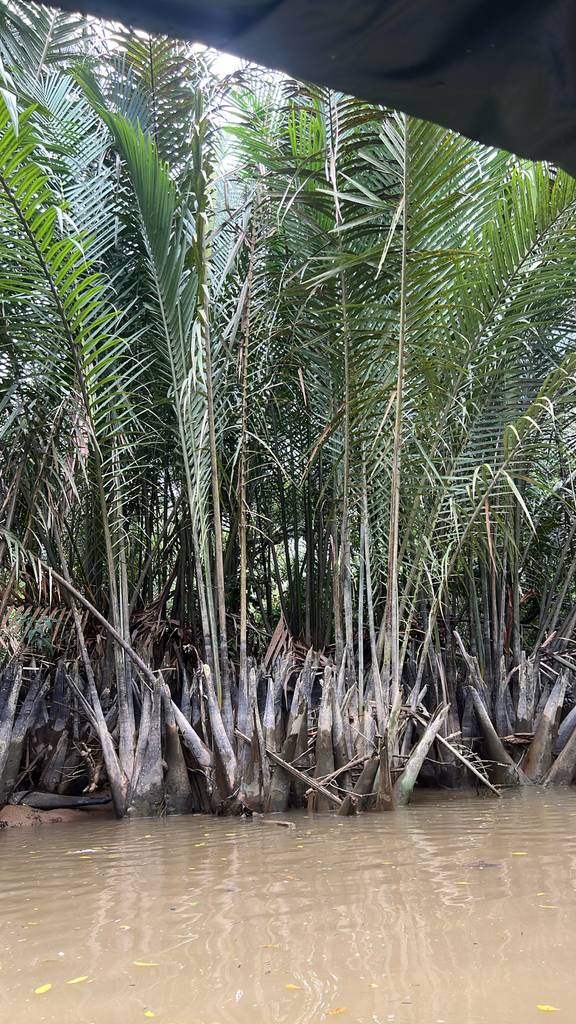
Image via iNaturalist (Research Grade). (c) Inas Tihani, some rights reserved (CC BY-NC)


1. Introduction
Habitat and Distribution
Nypa fruticans has one of the widest distributions among palms, naturally occurring throughout the tropical Indo-Pacific region. Its range extends from Sri Lanka and the Ganges Delta through Southeast Asia (including India, Bangladesh, Myanmar, Thailand, Cambodia, Vietnam, Malaysia, Indonesia, Philippines) to northern Australia and the western Pacific islands (Papua New Guinea, Solomon Islands). This remarkable palm exclusively inhabits mangrove ecosystems and brackish water environments, thriving in the intertidal zone where it forms extensive pure stands.
Native Continent
It grows from sea level to the upper tidal limits, preferring areas with regular tidal inundation, water salinity of 0-22 ppt, and annual rainfall exceeding 1,500mm. Nypa is often the dominant species in brackish water zones, forming the unique "nypa swamp" ecosystem.
Scientific Classification
Synonyms
- Nipa fruticans (Wurmb) Thunb.
- Nypa arborescens Wurmb ex H.Wendl.
- Nipa litoralis Blanco
- Cocos nypa Lour.
- Nypa fruticans var. neameana F.M.Bailey
Common Names
- English: Nipah palm (most common), Mangrove palm, Attap palm
- Filipino/Spanish: Nipa
- Bengali: Golpata
- Vietnamese: Dừa nước ("water coconut")
- Chinese: 水椰 ("shuǐ yē")
- Thai: ตาว ("tao")
- Malay: Buah atap
Global Expansion
Nypa fruticans has both expanded naturally and been introduced to new regions:
- Native throughout Indo-Pacific mangroves
- Introduced to West Africa (Nigeria, Cameroon) - now invasive
- Introduced to Trinidad - established
- Panama Canal Zone - controlled populations
- Common in botanical gardens with water features
- Increasingly planted for restoration projects
- IUCN Red List status: Least Concern (widespread)
2. Biology and Physiology
Morphology
Growth Form
Leaves
The massive pinnate leaves emerge directly from the rhizome, forming rosettes at branch tips. Mature leaves are 4-9 meters long, among the longest in the palm family. The rigid petiole comprises 1/3 of total length and is D-shaped in cross-section. Leaflets number 50-70 per side, each 50-130cm long and 3-7cm wide, regularly arranged and held in a single plane. Young leaves emerge bright yellow-green, maturing to glossy dark green. A mature clump may have 30-50 leaves visible above the tide.
Root System
- Extensive branching from rhizome nodes
- Pneumatophores absent (unlike many mangroves)
- Aerenchyma tissue for oxygen transport
- Salt exclusion mechanisms at root level
- Anchoring roots penetrate deep into substrate
Flower Systems
Nypa is monoecious with a unique inflorescence structure. The erect inflorescence rises 1-1.5m above the leaves on a stout peduncle. Male flowers are arranged in catkin-like branches surrounding a central globose head of female flowers. Male flowers are orange-yellow, producing copious pollen. Female flowers are tightly packed in the central head, which develops into the distinctive fruiting structure. Flowering occurs year-round with tidal and lunar influences on timing.
Life Cycle
Nypa fruticans has an indefinite lifespan due to clonal growth:
- Germination to Establishment (0-3 years): Floating seed phase, rooting
- Juvenile Phase (3-10 years): Rhizome development, first branching
- Early Reproductive (10-20 years): Initial flowering and fruiting
- Mature Phase (20-100+ years): Full productivity, extensive clones
- Persistence: Individual clones may live centuries
First flowering typically occurs at 7-10 years from seed.
Specific Adaptations to Climate Conditions
3. Reproduction and Propagation
Seed Reproduction
Seed Morphology and Diversity
Nypa produces one of the most distinctive fruiting structures among palms. The globose fruiting head, 25-30cm diameter, contains 30-50 compressed, angular fruits. Individual fruits are 10-15cm long, 6-8cm wide, with a smooth, brown, fibrous husk. Each fruit contains a single seed with ruminate endosperm. The entire fruiting head can weigh 5-10kg. Seeds remain viable while floating in seawater for 4-5 months, enabling long-distance dispersal. Fresh seed weight (with husk) is 50-150 grams.
Detailed Seed Collection and Viability Testing
- Monitor fruiting heads for maturity (brown color)
- Harvest entire head before dispersal
- Best collection at low tide
- Process immediately or store in seawater
- Float test: Viable seeds float (adaptation!)
- Visual inspection: No cracks or damage
- Shake test: Liquid endosperm audible
- Fresh viability: 90-95%
- Seawater storage: 80% after 3 months
- Dry storage: Fatal within days
Pre-germination Treatments
- Can leave intact (natural)
- Or remove for faster germination
- Soak in seawater if removed
- Never allow drying
- Generally unnecessary
- Natural abrasion during floating
- Light filing of germination pore
- Maintain moisture always
- Gradual freshwater transition
- Start with 50% seawater
- Reduce over 2 weeks
- Improves establishment
Step-by-step Germination Techniques
- Medium: Muddy sand or sandy clay
- Container: Large tubs or ponds
- Planting: Half-bury horizontally
- Water: Brackish initially (10-15 ppt)
- Temperature: 25-35°C (77-95°F)
- Light: Full sun to light shade
- Tidal simulation: Beneficial but not essential
Germination Difficulty
- High viability of fresh seeds
- No dormancy mechanisms
- Tolerates wide conditions
- Main requirement is moisture
Germination Time
- Initial root: 30-60 days
- First leaf: 60-120 days
- Establishment: 6-12 months
- Success rate: 80-95%
Seedling Care and Early Development
- Maintain brackish water
- Gradually reduce salinity
- Full sun preferred
- Rapid early growth
- Rhizome development begins
- Can tolerate tidal inundation
- Heavy feeding beneficial
- Watch for pests
- First branching occurs
- Established in permanent site
- Nearly maintenance-free
Advanced Germination Techniques
Hormonal Treatments for Germination Enhancement
- Natural germination efficient
- GA3 shows minimal benefit
- IBA may improve rooting
- Focus on conditions not hormones
- 10-15 ppt ideal for germination
- Matches natural estuary conditions
- Better than freshwater alone
- Gradual adaptation important
Vegetative Propagation
- Select healthy branch tips
- Cut 50-100cm sections with growing point
- Must include active buds
- Plant immediately in mud
- Success rate: 70-90%
4. Cultivation Requirements
Light Requirements
Species-specific Light Tolerance Ranges
- Seedlings (0-1 year): 1000-2000 μmol/m²/s (50% shade acceptable)
- Juveniles (1-5 years): 1500-2200 μmol/m²/s (light shade to full sun)
- Adults: Full sun preferred (2200+ μmol/m²/s)
High light tolerance throughout life.
Seasonal Light Variations and Management
- Consistent high light preferred
- Tolerates seasonal variations
- Reduced growth in shade
- Etiolation rare
Artificial Lighting for Indoor Cultivation
- Metal halide or intense LED
- 14-16 hour photoperiod
- Generally unsuitable indoors
Temperature and Humidity Management
Optimal Temperature Ranges
- Ideal: 26-35°C (79-95°F)
- Acceptable: 20-40°C (68-104°F)
- Minimum survival: 15°C (59°F)
- Maximum tolerance: 45°C (113°F) briefly
- True tropical species
Cold Tolerance Thresholds
- Growth stops: 20°C (68°F)
- Damage begins: 15°C (59°F)
- Severe damage: 10°C (50°F)
- Fatal: 5°C (41°F)
Hardiness Zone Maps
- USDA Zones: 10b-11
- Marginal in 10a
- Sunset Zones: 24, H1
- European: H1a only
Humidity Requirements and Modification
- Optimal: 70-95%
- Minimum: 60%
- Natural habitat very humid
- Misting beneficial in dry climates
Soil and Nutrition
Ideal Soil Composition and pH
- pH tolerance: 5.0-8.0 (very wide)
- Natural substrate: Muddy, anaerobic
- Cultivation mix: 40% clay or heavy loam, 30% organic matter, 20% sand, 10% aged manure
- Salinity tolerance: 0-35 ppt
Nutrient Requirements Through Growth Stages
- Rich nutrition beneficial
- NPK ratio: 3-1-2
- Monthly application
- Heavy feeder
- NPK ratio: 8-3-12
- Bi-weekly in growth season
- Very heavy feeder
- NPK ratio: 15-5-15
- Continuous feeding optimal
Organic vs. Synthetic Fertilization
- Manure ideal
- Fish emulsion
- Seaweed extracts
- Mimics nutrient-rich estuary
- High nitrogen critical
- Complete micronutrients
- Slow-release in wet conditions
- Salt-based acceptable
Micronutrient Deficiencies and Corrections
- Iron: Common in alkaline conditions
- Magnesium: Yellow older leaves
- Manganese: Important in cultivation
- Boron: Distorted new growth
Water Management
Irrigation Frequency and Methodology
- Waterlogging tolerated
- Tidal flooding ideal
- Never allow drying
Drought Tolerance Assessment
- Rapid death if dry
- Cannot recover from desiccation
- Automated water systems recommended
Water Quality Considerations
- Brackish water ideal (5-15 ppt)
- Freshwater acceptable
- High salt tolerance (ocean water)
- pH flexible
Special Water Requirements
- Standing water tolerated
- Flooding beneficial
- Pond cultivation ideal
- Artificial wetland systems
5. Diseases and Pests
Common Problems in Growing
- Rhizome rot: In stagnant freshwater
- Leaf beetles: Brontispa longissima
- Scale insects: Various species
- Nutrient deficiencies: In pure sand
Identification of Diseases and Pests
Major Pests
- Brontispa longissima: Hispid beetle
- Rhynchophorus spp.: Palm weevils
- Aspidiotus scales: White encrustations
- Wild boar: Rhizome damage (native range)
Disease Issues
- Ganoderma: Basal stem rot
- Phytophthora: In poor drainage
- Leaf spots: Various fungi
- Generally disease-resistant
Environmental and Chemical Protection Methods
- Maintain water flow
- Remove dead material
- Proper nutrition
- Natural predators
- Systemic insecticides for beetles
- Minimal fungicide needs
- Biological controls preferred
- IPM approach recommended
6. Indoor Palm Growing
Specific Care in Housing Conditions
- Massive size
- Water requirements
- High light needs
- Humidity demands
- Greenhouse pond systems
- Artificial lighting
- Automated water
- Expect challenges
Replanting and Wintering
- Rhizome sections best
- Massive root system
- Aquatic soil needed
- Professional help advised
- Maintain above 20°C (68°F)
- Full light exposure
- Consistent water
- Growth slows but continues
7. Landscape and Outdoor Cultivation
Landscape Applications
- Pond edges
- Artificial wetlands
- Erosion control
- Tropical water gardens
- Conservation plantings
Design Impact
- Massive tropical presence
- Reflects in water
- Wildlife habitat
- Natural screening
Special Considerations
- Space requirements huge
- Invasive potential
- Check local regulations
- Long-term commitment
8. Cold Climate Cultivation Strategies
Cold Hardiness
No cold tolerance - strictly tropical species.
Winter Protection
- Heated greenhouse with pond only option
- Minimum 20°C (68°F) essential
Hardiness Zone
- USDA 10b-11 only
- Death below 10a
Winter Protection Systems and Materials
- Heated water systems
- Supplemental lighting
- High humidity maintenance
Establishment and Maintenance in Landscapes
Planting Techniques for Success
- Water edge mandatory
- Full sun exposure
- Room for spread
- Consider invasiveness
- Natural or artificial
- Tidal simulation ideal
- Brackish option
- Permanent water
- Rhizome sections or seedlings
- Plant at water line
- Anchor securely
- Immediate flooding
Long-term Maintenance Schedules
Final Summary
Nypa fruticans stands unique among palms as the only true mangrove specialist, with its remarkable adaptations to intertidal life making it both fascinating and challenging for cultivation. This ancient palm, with fossil records dating back 70 million years, has evolved the unique strategy of horizontal growth, extensive rhizome branching, and floating seed dispersal that enables it to dominate brackish water environments throughout the Indo-Pacific.
The key to successful cultivation lies in replicating its wetland habitat—permanent water, full sun, rich nutrition, and ideally some salinity. While germination is straightforward with fresh seeds, the real challenge is providing appropriate aquatic conditions long-term. The massive size, spreading habit, and absolute water requirement limit cultivation to tropical areas with natural or artificial wetlands.
Despite cultivation challenges, Nypa offers tremendous value. It provides erosion control, wildlife habitat, and numerous products including sugar (from inflorescence sap), alcohol, vinegar, and traditional building materials from leaves. Its ability to thrive in brackish water makes it valuable for coastal restoration and climate change adaptation projects.
For appropriate settings—tropical botanical gardens with water features, coastal restoration projects, or large private water gardens—Nypa fruticans creates unmatched tropical ambiance while serving ecological functions. Success requires understanding that this is not a terrestrial palm that tolerates wet conditions, but rather an aquatic species that happens to be a palm.
With proper siting and minimal maintenance, it rewards with rapid growth, impressive architecture, and the satisfaction of growing one of the palm family's most specialized members. Its increasing invasiveness outside its native range serves as a reminder of both its vigor and the responsibility required when cultivating potentially invasive species.
Nypa fruticans can become highly invasive outside its native range. Before cultivation, check local regulations and consider the long-term ecological implications. This species requires permanent commitment to aquatic conditions and responsible management to prevent unwanted spread.