Livistona decora: A comprehensive Growing Guide for Enthusiasts & Collectors.
Livistona decora
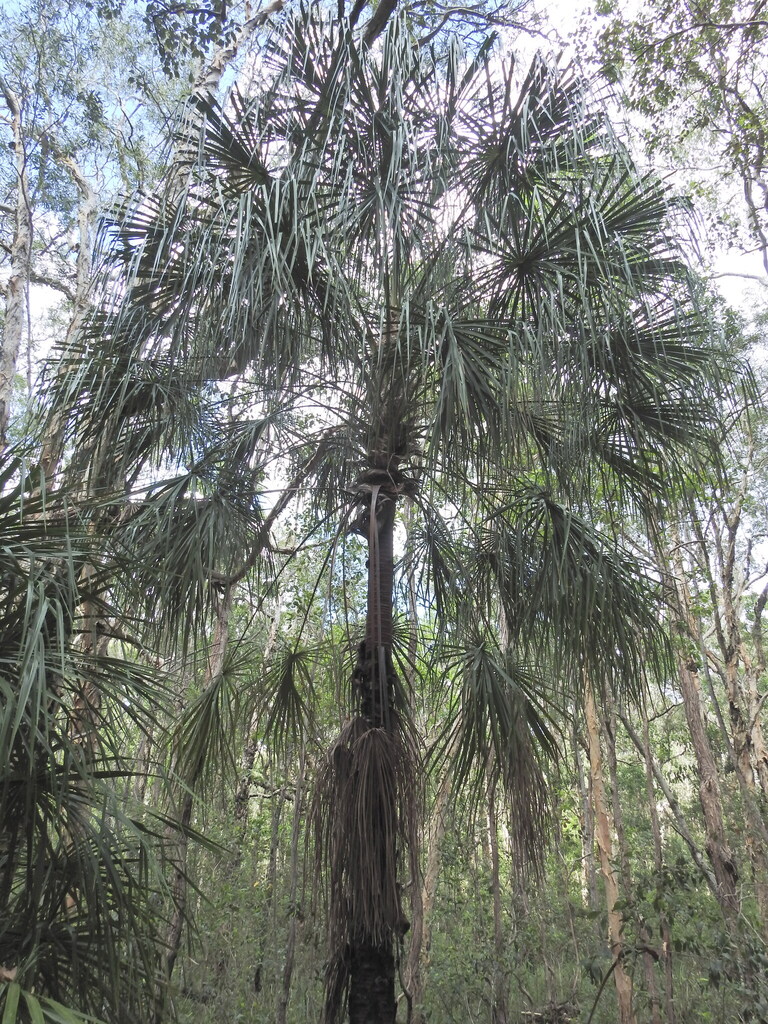
Image via iNaturalist (Research Grade). (c) Scott W. Gavins, some rights reserved (CC BY)


1. Introduction
Habitat and Distribution, Native Continent
Livistona decora (formerly L. decipiens) is endemic to eastern coastal Queensland, Australia, from approximately Townsville south to the Rockhampton region. This elegant fan palm inhabits a variety of ecosystems including coastal plains, open woodlands, melaleuca swamps, and the margins of rainforests, from sea level to 600 meters elevation. It thrives in areas with subtropical to tropical climate receiving 800-1,800mm annual rainfall with summer wet season concentration. The species shows remarkable adaptability, growing in permanently wet swamps, seasonally dry woodlands, and coastal dunes. It often forms dense stands in suitable habitat, particularly in seasonally flooded areas where competition from other vegetation is reduced.
📍 Endemic Distribution:
- Region: Coastal Queensland, Australia
- Range: Townsville south to Rockhampton region
- Elevation: Sea level to 600 meters
- Habitat: Coastal plains, woodlands, melaleuca swamps, rainforest margins
- Climate: Subtropical to tropical, 800-1,800mm annual rainfall
- Adaptability: Wet swamps to seasonally dry woodlands
Native range: Eastern coastal Queensland (Endemic)
Click on markers for details
Taxonomic Classification and Scientific Classification
Synonyms
- Livistona decipiens Becc. (1910) - long-used name
- Corypha decora W.Bull (basionym, 1895)
- Livistona coalescens F.M.Bailey
- Sabal blackburniana Glazebr.
Common Names
- Ribbon fan palm (English)
- Weeping cabbage palm (English)
- Decipiens palm (English - from former name)
- Queensland fan palm (English)
Expansion in the World
L. decora has become increasingly popular in cultivation:
- Common in Australian gardens
- Growing popularity in Florida and California
- Mediterranean climate gardens
- Increasingly available from nurseries
- Seeds regularly traded
- IUCN Red List status: Least Concern
Its weeping habit and adaptability drive cultivation expansion.
2. Biology and Physiology
Morphology
Trunk
L. decora develops a solitary, straight to slightly curved trunk reaching 12-20 meters in height with a diameter of 20-30cm. The trunk is distinctive gray to brown, prominently ringed with leaf scars, and often retains fibrous leaf bases on the upper portion. The base may be slightly enlarged, particularly in swampy habitats. Young palms often maintain a "skirt" of dead leaves for several years.
Leaves
The crown consists of 30-50 costapalmate leaves forming a dense, spherical to somewhat elongated canopy. Individual leaves are circular, 1.2-2 meters across, divided to nearly the base into 60-80 segments. The defining characteristic is the dramatically weeping or pendulous segments that hang vertically, creating a fountain or curtain effect. This gives the palm its common name "weeping cabbage palm." Petioles are 1.5-2.5 meters long, robust, and armed with stout, curved black thorns along the margins, particularly fierce on young plants. Leaves are bright glossy green above and below.
Inflorescence
L. decora produces large, branched inflorescences that emerge from among the leaf bases and extend well beyond the leaves. The inflorescence reaches 1.5-2.5 meters long with 4-5 orders of branching. Flowers are small (3-4mm), cream to pale yellow, and bisexual. Flowering occurs primarily in late spring to early summer (October-December in Australia) and is often synchronized within populations.
Life Cycle
L. decora follows a typical Livistona life pattern:
- Germination to Seedling (0-3 years): Moderate growth rate
- Juvenile Phase (3-12 years): Characteristic weeping form develops
- Sub-adult Phase (12-25 years): Trunk elongation period
- Adult Phase (25-100+ years): Maturity and regular fruiting
- Longevity: 150-200 years estimated
First flowering typically occurs at 20-25 years or when trunk reaches 4-6 meters.
Specific Adaptations to Climate Conditions
- Flood Tolerance: Survives seasonal inundation
- Drought Adaptation: Deep roots access water table
- Wind Resistance: Weeping segments reduce wind load
- Salt Tolerance: Moderate coastal adaptation
- Fire Recovery: Can resprout after crown damage
- Variable Habitats: Phenotypic plasticity
3. Reproduction and Propagation
Seed Reproduction
Seed Morphology and Diversity
L. decora produces globose to ellipsoid fruits, 15-20mm diameter, ripening from green through red to glossy black or blue-black. The epicarp is thin and smooth; the mesocarp is minimal but sweet; the endocarp is thin and papery. Each fruit contains a single seed, 12-15mm diameter, with homogeneous endosperm and a basal embryo. Fresh seed weight is 1-2 grams. Fruit color can vary within populations, with some trees producing blue-black fruits and others purple-black.
Detailed Seed Collection and Viability Testing
Collection Methods:
- Monitor for black/blue-black coloration
- Collect fallen fruits promptly
- Net placement effective
- Process within days
Viability Testing:
- Float test reliable
- Visual inspection for damage
- Firm, white endosperm essential
- Fresh viability: 85-95%
- 3 months: 70-80%
- 6 months: 50-60%
- 1 year: 30-40%
Pre-germination Treatments
Fruit Processing:
- Remove all fruit pulp
- Clean thoroughly
- Brief air drying acceptable
- Plant fresh for best results
Scarification:
- Light filing beneficial
- Hot water: 70°C for 5 minutes
- Speeds germination
- Not essential for fresh seeds
Soaking:
- 24-48 hours warm water
- Initiates germination
- Change water daily
Step-by-step Germination Techniques
- Medium: 50% coarse sand, 50% peat or coir
- Container: Deep pots preferred
- Planting: 2-3cm deep
- Temperature: 25-32°C (77-90°F)
- Humidity: 65-80%
- Light: Bright shade to partial sun
- Moisture: Consistent moisture
Germination Difficulty
Easy to moderate:
- Fresh seeds germinate well
- Temperature important
- Uniform germination
- Vigorous seedlings
Germination Time
- First germination: 30-60 days
- Peak germination: 60-90 days
- Complete process: 120 days
- Success rate: 75-90%
Seedling Care and Early Development
First year:
- Moderate growth rate
- 50-70% shade optimal
- Begin feeding at 3 months
- Watch for scale insects
Years 2-3:
- Weeping habit emerging
- Increase light gradually
- Regular fertilization
- Transplant when needed
Years 4-5:
- Can tolerate full sun
- Landscape ready
- Drought tolerance developing
- Minimal care needed
Advanced Germination Techniques
Hormonal Treatments for Germination Enhancement
Gibberellic Acid (GA3):
- 300-500 ppm
- 24-hour soak
- 15-25% improvement
- More uniform germination
Bottom Heat:
- 30°C soil temperature
- Speeds germination significantly
- Reduces fungal issues
- Professional method
Smoke Water:
- Some benefit noted
- Natural fire adaptation
- 1:100 dilution
- Optional treatment
4. Cultivation Requirements
Light Requirements
Species-specific Light Tolerance Ranges
- Seedlings (0-1 year): 800-1500 μmol/m²/s (50-70% shade)
- Juveniles (1-5 years): 1200-2000 μmol/m²/s (30-50% shade)
- Sub-adults (5-12 years): 1800-2200+ μmol/m²/s (light shade to full sun)
- Adults: Full sun to partial shade tolerant
Adaptable to various light conditions.
Seasonal Light Variations and Management
- Tolerates seasonal changes
- Best growth in full sun
- Maintains form in partial shade
- Young plants need protection
Artificial Lighting for Indoor Cultivation
- Moderate to high light needs
- Standard grow lights marginal
- Better for conservatories
- 300-500 foot-candles minimum
Temperature and Humidity Management
Optimal Temperature Ranges
- Ideal: 22-32°C (72-90°F)
- Acceptable: 5-40°C (41-104°F)
- Minimum survival: -3°C (27°F) brief
- Maximum tolerance: 45°C (113°F)
- Good temperature range
Cold Tolerance Thresholds
- Light damage: -1°C (30°F)
- Moderate damage: -3°C (27°F)
- Severe damage: -5°C (23°F)
- Fatal: -7°C (19°F)
Hardiness Zone Maps
- USDA Zones: 9a-11
- Marginal in 8b with protection
- Sunset Zones: 13-17, 19-24
- European: H3-H2
Humidity Requirements and Modification
- Optimal: 50-80%
- Minimum: 30%
- Tolerates dry air reasonably
- Benefits from humidity
Soil and Nutrition
Ideal Soil Composition and pH
- pH preference: 5.5-7.5 (wide range)
-
Soil adaptability:
- Sandy soils
- Clay soils
- Swampy soils
- Well-drained preferred
-
Cultivation mix:
- Any quality potting soil
- Add drainage material
- Organic matter beneficial
Nutrient Requirements Through Growth Stages
Seedlings (0-2 years):
- Monthly light feeding
- Balanced formula
- 1/2 strength
Juveniles (2-8 years):
- NPK ratio: 8-2-12+4Mg
- Monthly in warm months
- Palm special ideal
Adults (8+ years):
- NPK ratio: 12-4-12+4Mg
- Quarterly application
- Manganese important
Organic vs. Synthetic Fertilization
Organic Program:
- Aged manure excellent
- Compost beneficial
- Mulch regularly
- Natural and effective
Synthetic Program:
- Palm special formulations
- Controlled-release works well
- Watch for deficiencies
- Convenient option
Micronutrient Deficiencies and Corrections
- Manganese: "Frizzletop" common
- Magnesium: Yellow banding
- Iron: Rare but possible
- Potassium: Tip burn
Water Management
Irrigation Frequency and Methodology
- Moderate to high water needs
- Tolerates wet conditions
- Regular watering best
- Deep, thorough irrigation
Drought Tolerance Assessment
- Moderate drought tolerance
- Established plants resilient
- Growth slows when dry
- Recovers well
Water Quality Considerations
- Tolerates various water
- Moderate salt tolerance
- Not particularly fussy
- Avoid very saline water
Drainage Requirements
- Adaptable to drainage
- Tolerates wet feet
- Prefers good drainage
- Survives waterlogging
5. Diseases and Pests
Common Problems in Growing
- Scale insects: Most common pest
- Nutrient deficiencies: Especially Mn
- Root rot: In poorly drained soils
- Generally healthy species
Identification of Diseases and Pests
Common Pests:
- White scale: On leaves and trunk
- Brown soft scale: On rachis
- Mealybugs: In crown
- Palm aphids: New growth
Diseases:
- Leaf spots: Various fungi
- Bud rot: In wet conditions
- Root rot: Poor drainage
- Pink rot: After injury
Nutritional Issues:
- Frizzletop: Manganese
- Yellowing: Various causes
- Tip burn: Salt or potassium
Environmental and Chemical Protection Methods
Cultural Methods:
- Good air circulation
- Proper nutrition
- Adequate drainage
- Remove infected material
Chemical Controls:
- Horticultural oil for scale
- Systemic insecticides
- Fungicides if needed
- Micronutrient sprays
6. Indoor Palm Growing
Specific Care in Housing Conditions
Indoor Challenges:
- High light needs
- Large size eventually
- Humidity requirements
- Better for conservatories
Success Factors:
- Bright location essential
- Regular misting
- Consistent watering
- Monthly feeding
Replanting and Wintering
Replanting Needs:
- Every 2-3 years young
- Spring timing best
- Fresh soil important
- Gradual size increase
Winter Care:
- Reduce watering 30%
- Stop fertilization
- Maintain humidity
- Watch for pests
- Stable temperatures
7. Landscape and Outdoor Cultivation
Landscape Uses
- Specimen palm
- Group plantings
- Waterside plantings
- Large containers
- Parks and gardens
Design Impact
- Weeping habit unique
- Tropical elegance
- Movement in breeze
- Year-round beauty
- Distinctive silhouette
8. Cold Climate Cultivation Strategies
Cold Hardiness
Good cold tolerance extends range significantly.
Winter Protection
- Mature plants handle light frost
- Protect below -1°C
- Mulch root zone
- Wrap if severe cold expected
Hardiness Zone
- USDA 9a-11 standard
- Zone 8b with excellent protection
- Coastal areas best
Winter Protection Systems and Materials
- Frost blankets effective
- Christmas lights for warmth
- Avoid plastic directly on fronds
- Remove protection promptly
Establishment and Maintenance in Landscapes
Planting Techniques for Success
Site Selection:
- Sun to light shade
- Allow for size
- Consider reflection pools
- Protect from cold wind
Soil Preparation:
- Improve drainage if heavy
- Add organic matter
- Wide planting hole
- Check pH if needed
Installation:
- Plant at correct depth
- Water thoroughly
- Stake large specimens
- Mulch immediately
Long-term Maintenance Schedules
Regular Care:
- Quarterly fertilization
- Deep monthly watering if dry
- Annual pruning of dead fronds
- Monitor for pests
Special Maintenance:
- Allow natural weeping form
- Don't over-prune
- Document growth
- Protect in cold snaps
Final Summary
Livistona decora, the ribbon fan palm, combines exceptional ornamental value with remarkable adaptability, making it increasingly popular in cultivation worldwide. Native to varied habitats in coastal Queensland, from swamps to dry woodlands, this species brings unique beauty through its dramatically weeping leaf segments that create a living fountain effect.
The palm's adaptability to different soils, moisture regimes, and light conditions—from full sun to partial shade—makes it suitable for diverse landscape applications. Its moderate size and relatively fast growth for a palm add to its appeal, while good cold tolerance extends its cultivation range into warm temperate regions.
Propagation is straightforward with fresh seeds, and seedlings show good vigor. The species' tolerance for both wet and moderately dry conditions provides flexibility in placement and irrigation management. While scale insects and manganese deficiency require attention, overall health is excellent with basic care.
For growers in USDA Zones 9a-11, L. decora offers a distinctive alternative to more common fan palms. Its weeping habit creates movement and elegance in the landscape, whether used as a specimen, in groups, or near water features where its reflection doubles the impact. The cascading segments that give it its common names also provide practical benefits, reducing wind resistance and creating a unique microclimate beneath.
Success requires little more than reasonable soil, regular water during establishment, and attention to nutrition. In return, this beautiful palm provides a lifetime of graceful beauty, asking only for occasional fertilization and removal of old fronds. Its combination of adaptability, distinctive form, and moderate maintenance makes L. decora an excellent choice for those seeking something special in a landscape palm.
- Queensland endemic - Townsville to Rockhampton
- Distinctive weeping leaf segments - fountain effect
- Adaptable to various habitats - swamps to dry woodlands
- Moderate size - 12-20m height
- Good cold tolerance - USDA zones 9a-11
- Easy propagation - 75-90% germination
- Drought tolerant when established
- Minimal maintenance required
- Excellent landscape specimen
- IUCN: Least Concern
Viriar AI Plant Identifier
Ask about palms & plants