Licuala merguensis: A comprehensive Growing Guide for Enthusiasts & Collectors.
Licuala merguensis
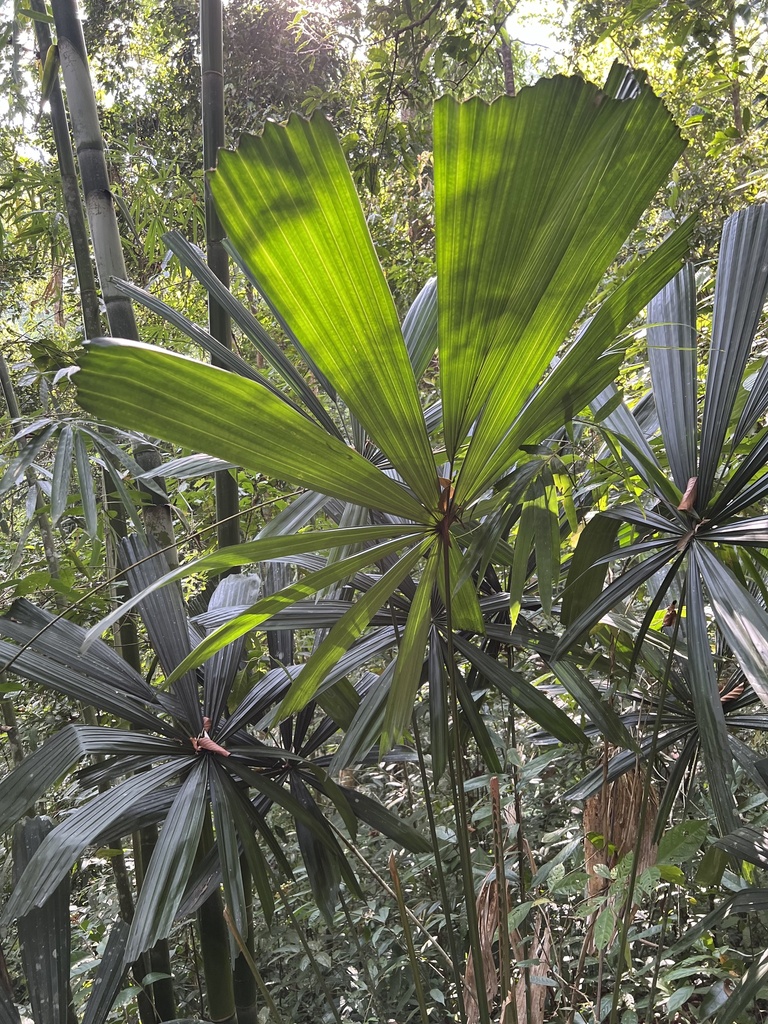
Image via iNaturalist (Research Grade). (c) Демьян К, some rights reserved (CC BY-NC)


1. Introduction
Habitat and Distribution, Native Continent
Licuala merguensis is endemic to the Mergui Archipelago (Myeik Archipelago) of southern Myanmar and extends into the adjacent coastal regions and islands of southwestern Thailand, particularly in Ranong and Phang Nga provinces. This rare palm inhabits lowland rainforests on both mainland and islands, from sea level to 400 meters elevation. It shows a strong preference for well-drained slopes and ridges in areas with annual rainfall of 3,000-4,500mm and no true dry season. The species thrives in the understory of primary forests, often on coral-derived limestone soils unique to these coastal areas. Its extremely limited distribution makes it one of the rarest Licuala species in the wild.
Native Continent
📍 Endemic Distribution:
- Myanmar: Mergui Archipelago (Myeik Archipelago), southern region
- Thailand: Ranong and Phang Nga provinces
- Elevation: Sea level to 400 meters
- Habitat: Lowland rainforest understory
- Rainfall: 3,000-4,500mm annually, no dry season
- Soil: Coral-derived limestone slopes and ridges
Native range: Mergui Archipelago (Myanmar-Thailand border region)
Click on markers for details
Taxonomic Classification and Scientific Classification
Synonyms
- Licuala kunstleri var. merguensis (Becc.) Furtado (not accepted)
- Sometimes misidentified as L. spinosa in collections
- Confused with L. kunstleri in older literature
Common Names
- English: Mergui fan palm
- English: Myeik palm (alternative spelling)
- Thai: พัดมะเหยียะ (phat ma-yia)
- Chinese: 墨吉轴榈
Expansion in the World
- Nong Nooch Tropical Garden, Thailand (few specimens)
- Singapore Botanic Gardens (single plant)
- Private collections in Thailand and Malaysia
- Very rarely available commercially
- Seeds occasionally offered by specialists
- IUCN Red List status: Endangered
The combination of restricted natural range and political difficulties in the region limits access and cultivation.
2. Biology and Physiology
Morphology
Growth Form
L. merguensis is a solitary, understory palm reaching 3-5 meters in height. The trunk is slender, 5-8cm in diameter, covered with persistent fibrous leaf bases that create a shaggy appearance. In older specimens, the lower trunk becomes clean and reveals closely spaced ring scars. The trunk is typically straight but may lean slightly toward light gaps.
Leaves
The most spectacular feature is the large, orbicular (circular) leaves that can reach 1.5-2 meters in diameter. Each leaf is divided into 16-24 wedge-shaped segments that are split to the base, creating a distinctive geometric pattern. The segments are pleated, dark glossy green above and silvery-green below with prominent veins. The leaf margin is minutely toothed. Petioles are 1.5-2.5 meters long, slender, armed with small recurved spines along the margins, particularly dense near the base.
Crown
A mature palm typically carries 15-25 leaves forming an impressive spherical crown. New leaves emerge bright green with a bronze tinge, creating beautiful color contrast. The large, geometric leaves overlap to form an almost complete circle when viewed from below.
Flower Systems
L. merguensis is hermaphroditic with interfoliar inflorescences that extend beyond the leaves. The branched inflorescence can reach 2-3 meters long, with primary branches that rebranch into thread-like rachillae bearing tiny cream-colored flowers. Each flower is about 3mm across with 3 sepals, 3 petals, 6 stamens, and a single pistil. Flowering occurs mainly during the early wet season (April-June) with sporadic flowering throughout the year.
Life Cycle
L. merguensis has a moderate life cycle typical of understory palms:
- Germination to Seedling (0-3 years): Slow initial establishment
- Juvenile Phase (3-10 years): Gradual leaf size increase
- Sub-adult Phase (10-20 years): Trunk development begins
- Adult Phase (20-80 years): Full size and regular reproduction
- Senescent Phase (80-100+ years): Gradual decline
First flowering typically occurs at 15-20 years when the palm reaches 2-3 meters tall.
Specific Adaptations to Climate Conditions
- Large Circular Leaves: Maximum light capture in deep shade
- Silvery Undersides: Reflects light from forest floor
- Flexible Segments: Withstands rain and wind
- Spiny Petioles: Defense against herbivores
- Year-round Growth: Adaptation to aseasonal climate
- Limestone Tolerance: Grows on coral-derived soils
3. Reproduction and Propagation
Seed Reproduction
Seed Morphology and Diversity
L. merguensis produces globose to slightly ovoid fruits, 1.2-1.8cm diameter, ripening from green through yellow-orange to bright red. The epicarp is smooth and thin; the mesocarp is fleshy and sweet when ripe; the endocarp is thin and papery. Each fruit contains a single globose seed, 8-12mm diameter, with homogeneous endosperm and a lateral embryo. Fresh seed weight is 0.8-1.5 grams. Limited genetic diversity is expected due to the restricted population and habitat fragmentation.
Detailed Seed Collection and Viability Testing
- Monitor palms during fruiting season (July-October)
- Collect red ripe fruits from ground or tree
- Process within 24-48 hours
- Handle carefully - short viability
- Float test: Viable seeds sink
- Visual inspection: Plump, heavy seeds best
- Cut test: White, firm endosperm
- Fresh viability: 85-95%
- One week: 70-80%
- Two weeks: 50-60%
- One month: <20%
Pre-germination Treatments
Fruit Processing:
- Remove all flesh immediately
- Clean thoroughly
- Never allow drying
- Plant within days ideally
Minimal Scarification:
- Very light sanding only
- Seed coat naturally thin
- Focus on cleanliness
- Avoid damage
Moisture Maintenance:
- Keep in moist sphagnum if delayed
- Never soak - causes rot
- Fungicide beneficial
Step-by-step Germination Techniques
- Medium: 50% peat, 30% perlite, 20% fine sand
- Container: Individual pots preferred
- Planting: Surface sow or barely cover
- Temperature: 26-30°C (79-86°F) constant
- Humidity: 85-95% critical
- Light: Deep shade (90-95% shade cloth)
- Moisture: Evenly moist, never waterlogged
Germination Difficulty
- Extremely short seed viability
- High humidity requirement critical
- Temperature sensitive
- Contamination common
Germination Time
- First germination: 45-90 days
- Peak germination: 90-150 days
- Complete process: up to 200 days
- Success rate: 60-80% if very fresh
Seedling Care and Early Development
Year 1:
- Maintain germination conditions
- First leaves simple, round
- No fertilization
- 95% humidity essential
Years 2-3:
- Divided leaves appear
- Begin very dilute feeding
- Maintain deep shade
- Growth very slow
Years 4-5:
- Increasing leaf complexity
- Regular fertilization
- Can reduce to 90% shade
- Establish in larger containers
Advanced Germination Techniques
Hormonal Treatments for Germination Enhancement
Gibberellic Acid (GA3):
- Low concentration: 200-300 ppm
- Brief soak: 12-24 hours
- Limited improvement (10-15%)
- Fresh seeds respond better
Smoke Water:
- May help break dormancy
- 1:100 dilution
- Natural forest treatment
- Results variable
Biological Inoculants:
- Mycorrhizal fungi beneficial
- Forest soil additions
- Improves survival more than germination
4. Cultivation Requirements
Light Requirements
Species-specific Light Tolerance Ranges
- Seedlings (0-3 years): 50-150 μmol/m²/s (95% shade essential)
- Juveniles (3-10 years): 150-400 μmol/m²/s (85-90% shade)
- Sub-adults (10-20 years): 400-800 μmol/m²/s (75-80% shade)
- Adults: 600-1200 μmol/m²/s maximum (70% shade minimum)
Seasonal Light Variations and Management
- Consistent deep shade required
- Increase protection in hot seasons
- Morning sun fatal to young plants
- Dappled light ideal for adults
Artificial Lighting for Indoor Cultivation
- Low light requirements ideal for indoors
- Standard fluorescent adequate
- 10-12 hour photoperiod
- 50-150 foot-candles sufficient
Temperature and Humidity Management
Optimal Temperature Ranges
- Ideal: 24-30°C (75-86°F)
- Acceptable: 20-32°C (68-90°F)
- Minimum survival: 15°C (59°F)
- Maximum tolerance: 35°C (95°F)
- Consistent temperatures preferred
Cold Tolerance Thresholds
- Damage begins: 18°C (64°F)
- Severe damage: 15°C (59°F)
- Fatal: 10°C (50°F)
- No frost tolerance
Hardiness Zone Maps
- USDA Zones: 10b-11
- Marginal in 10a with protection
- Sunset Zones: 23-24
- European: H1a only
Humidity Requirements and Modification
- Optimal: 75-90% year-round
- Minimum survival: 65%
- Misting multiple times daily if needed
- Humidity trays essential indoors
Soil and Nutrition
Ideal Soil Composition and pH
Limestone Adaptation Mix for Licuala merguensis
- pH preference: 6.0-7.5 (neutral to slightly alkaline)
-
Limestone adaptation mix:
- 30% quality potting soil
- 20% crushed coral or limestone
- 20% coconut coir
- 20% perlite
- 10% composted bark
- Calcium availability important
Nutrient Requirements Through Growth Stages
Seedlings (0-3 years):
- No fertilization year one
- 1/8 strength monthly years 2-3
- Focus on root development
Juveniles (3-10 years):
- NPK ratio: 3-1-2
- Monthly during growing season
- Include calcium supplements
Adults (10+ years):
- NPK ratio: 8-2-12+3Ca
- Bi-monthly application
- Micronutrients essential
Organic vs. Synthetic Fertilization
Organic Program:
- Aged compost base
- Crushed oyster shell
- Fish emulsion monthly
- Mimics forest floor nutrition
Synthetic Approach:
- Low salt formulations
- Include calcium nitrate
- Slow-release preferred
- Avoid acid fertilizers
Micronutrient Deficiencies and Corrections
- Calcium: Often deficient - lime supplements
- Magnesium: Epsom salts monthly
- Iron: Despite alkaline preference
- Manganese: Foliar application
Water Management
Irrigation Frequency and Methodology
- Consistent moisture critical
- Never allow drying
- Increase in warm weather
- Avoid overhead watering on crown
Drought Tolerance Assessment
- Rapid decline if dry
- Leaf segments brown quickly
- Recovery unlikely from severe drought
Water Quality Considerations
- Tolerates moderately hard water
- Benefits from calcium in water
- pH 6.5-7.5 acceptable
- Avoid very soft water
Drainage Requirements
- Good drainage essential
- No waterlogging tolerance
- Elevated planting beneficial
- Coarse amendments helpful
5. Diseases and Pests
Common Problems in Growing
- Leaf spots: Various fungi in high humidity
- Scale insects: On petioles and leaves
- Calcium deficiency: Common issue
- Crown rot: From overhead watering
Identification of Diseases and Pests
- Pestalotiopsis leaf spots: Gray-brown spots
- Colletotrichum: Anthracnose on leaves
- Phytophthora: Crown and root rot
- Cylindrocladium: Leaf blight
- Palm scale: White or brown bumps
- Mealybugs: Cotton masses in crown
- Spider mites: In low humidity
- Thrips: Silvering of leaves
Environmental and Chemical Protection Methods
Cultural Prevention:
- Optimal air circulation
- Avoid water on leaves
- Remove infected material
- Quarantine new plants
Chemical Options:
- Systemic fungicides if severe
- Horticultural oil for scales
- Neem oil preventatively
- Minimal chemical use preferred
6. Indoor Palm Growing
Specific Care in Housing Conditions
- Low light tolerance ideal
- Moderate size manageable
- Spectacular foliage display
- High humidity challenging
- Bright indirect light
- Humidity control essential
- Stable temperatures
- Quality water important
- Wide, shallow pots best
- Excellent drainage critical
- Quality potting medium
- Repot infrequently
Replanting and Wintering
Replanting Schedule:
- Every 3-4 years maximum
- Only when rootbound
- Spring timing optimal
- Minimal root disturbance
Replanting Process:
- Water thoroughly day before
- Use fresh limestone-amended mix
- Same planting depth critical
- Larger pot only slightly
- High humidity recovery period
Winter Care:
- Maintain minimum 18°C (64°F)
- Reduce watering slightly
- Increase humidity compensation
- No fertilization Nov-Feb
- Maximum light available
- Monitor for pests closely
7. Landscape and Outdoor Cultivation
Garden Applications
- Understory specimen supreme
- Tropical shade garden focal point
- Container specimen
- Conservation collections
Design Features
- Geometric leaf pattern stunning
- Architectural presence
- Year-round interest
- Combines with ferns beautifully
8. Cold Climate Cultivation Strategies
Cold Hardiness
Winter Protection
- Heated greenhouse essential
- Minimum 15°C (59°F) absolute
- High humidity maintained
- No cold drafts tolerated
Hardiness Zone
- USDA Zone 11 preferred
- Zone 10b marginal
- Tropical greenhouse required elsewhere
Winter Protection Systems and Materials
- Full climate control
- Automated systems beneficial
- Backup heating critical
- Humidity control integrated
Establishment and Maintenance in Landscapes
Planting Techniques for Success
Site Selection Critical:
- Deep shade mandatory
- Protection from wind
- High humidity area
- Rich, well-draining soil
Soil Preparation:
- Limestone amendments beneficial
- Rich organic matter
- Perfect drainage
- Raised beds if needed
Planting Process:
- Spring planting only
- Large planting hole
- Minimal root disturbance
- Immediate mulching
Long-term Maintenance Schedules
Weekly Tasks:
- Moisture monitoring
- Humidity checking
- Pest inspection
Monthly Tasks:
- Fertilization (growing season)
- Remove old leaves carefully
- Check calcium levels
- General health assessment
Annual Tasks:
- Soil testing
- Calcium supplementation
- Mulch renewal
- Photo documentation
Special Considerations:
- Protect spectacular leaves
- Avoid physical damage
- Document for conservation
- Share propagation successes
Final Summary
Licuala merguensis stands as one of the most spectacular and rare fan palms in cultivation, with its enormous circular leaves divided into geometric segments creating an unforgettable display. Endemic to the Mergui Archipelago of Myanmar and adjacent Thailand, this endangered species combines extraordinary beauty with challenging cultivation requirements.
The key to success lies in replicating its rainforest understory origins: deep shade (70-95% shade cloth), high humidity (75-90%), consistent warmth (24-30°C), and surprisingly, slightly alkaline soil enriched with calcium from the coral-derived soils of its homeland. The massive circular leaves, reaching 2 meters across, demand protection from sun, wind, and physical damage.
Propagation presents challenges due to extremely rapid seed viability loss—seeds must be planted within days of collection for best results. The slow growth rate requires patience, with plants taking 15-20 years to flower. However, even young plants display the characteristic geometric leaf pattern that makes this species so desirable.
For growers able to provide appropriate conditions, L. merguensis rewards with one of nature's most architectural foliage displays. Its rarity in the wild due to habitat loss makes cultivation increasingly important for conservation. Each cultivated specimen helps preserve this endangered species while providing unmatched ornamental value. Success ultimately depends on understanding its specialized requirements—particularly the need for deep shade and high humidity—while appreciating that this palm's extraordinary beauty justifies every effort in its cultivation. In appropriate climates or controlled environments, L. merguensis offers palm enthusiasts the opportunity to grow a living geometric masterpiece.
- Endangered species - restricted to Mergui Archipelago
- Circular leaves up to 2 meters diameter
- 16-24 geometric wedge-shaped segments
- Extremely short seed viability - plant within days
- Deep shade essential - 70-95% shade cloth
- High humidity critical - 75-90%
- Slightly alkaline soil preferred - pH 6.0-7.5
- Calcium supplements important
- Poor cold tolerance - minimum 15°C (59°F)
- USDA zones 10b-11 only
- Slow growth but spectacular display
- Excellent indoor palm with proper humidity