Geonoma pauciflora: A comprehensive Growing Guide for Enthusiasts & Collectors.
Geonoma pauciflora
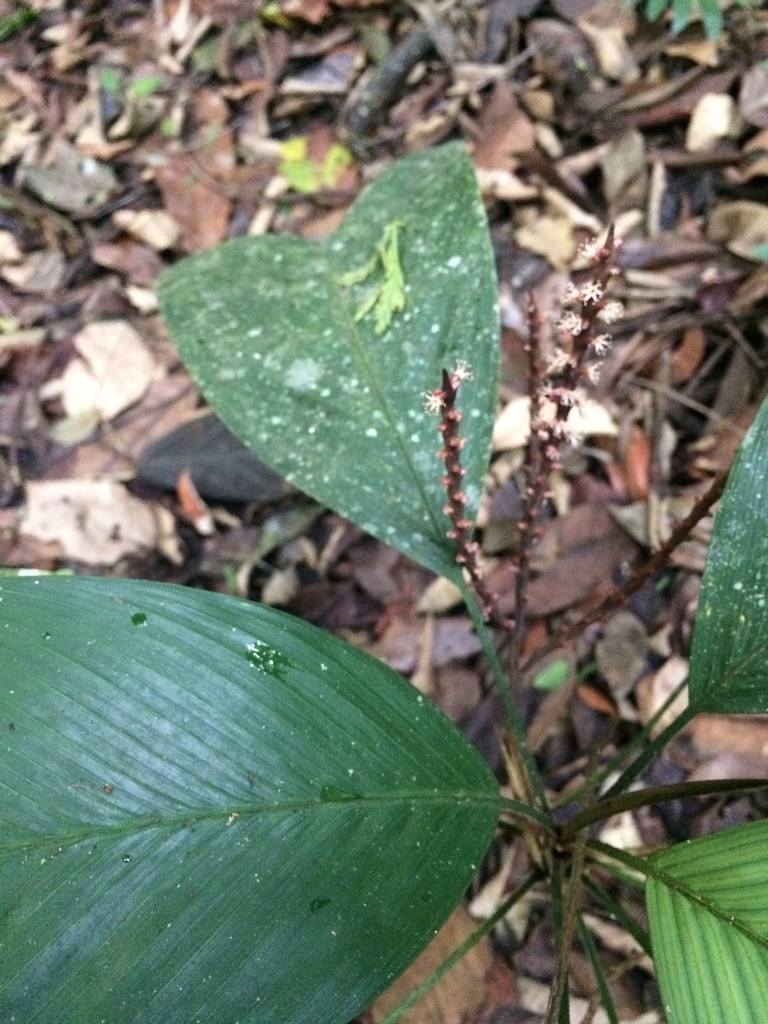
Image via iNaturalist (Research Grade). (c) B. Phalan, some rights reserved (CC BY)


1. Introduction
Habitat and Distribution, Native Continent
Geonoma pauciflora is a small to medium-sized understory palm native to the coastal mountain ranges and lowland rainforests of eastern Brazil, particularly in the Atlantic Forest biome. Its distribution extends from southern Bahia through Espírito Santo, Rio de Janeiro, São Paulo, to northern Paraná, typically occurring between sea level and 1,200 meters elevation. The species shows strong preference for humid forests with well-developed canopy layers, thriving in both coastal restinga forests and montane rainforests.
G. pauciflora characteristically grows on slopes with rich, well-draining soils, often near streams but not in flooded areas. Annual rainfall in its habitat ranges from 1,200-2,500mm with no severe dry season. The palm forms part of the diverse Atlantic Forest understory, frequently associated with tree ferns, Heliconia species, and various Araceae. The specific epithet "pauciflora" meaning "few-flowered" refers to its characteristically small inflorescences with reduced flower numbers. Population densities vary considerably, from scattered individuals to local concentrations of 30-50 plants per hectare in optimal habitats. The species shows moderate tolerance for secondary forests, persisting in older regenerating areas with adequate shade.
Native Continent
📍 Atlantic Forest Distribution:
- States: Bahia, Espírito Santo, Rio de Janeiro, São Paulo, Paraná
- Elevation: Sea level to 1,200 meters
- Habitat: Understory of humid forests, near streams
- Climate: 1,200-2,500mm annual rainfall
- Biome: Atlantic Forest (Mata Atlântica)
Native range: Eastern Brazil (Atlantic Forest)
Click on markers for details
Taxonomic Classification and Scientific Classification
Described by Carl Friedrich Philipp von Martius in 1843, this species has been consistently recognized despite some taxonomic confusion with related Atlantic Forest species.
Synonyms
- Geonoma pauciflora var. pauciflora (autonym)
- Geonoma pauciflora var. minima Drude (smaller form)
- Geonoma glazioviana Drude (heterotypic synonym)
- Geonoma microcarpa Drude (later synonym)
Common Names
- Portuguese: Aricanga-miúda
- Portuguese: Palmito-anão
- Portuguese: Guaricanga-pequena
- English: Few-flowered geonoma
- English: Small Atlantic palm
- Local names: Palmeirinha (general), Coquinho-do-mato (forest coconut)
Expansion of Palm Trees in the World
G. pauciflora's cultivation history began with botanical garden collections in Rio de Janeiro during the late 19th century. European introduction occurred through plant exchanges in the 1890s, with specimens reaching Kew Gardens and Berlin Botanical Garden. The species gained modest popularity during the mid-20th century houseplant boom due to its compact size and shade tolerance.
Commercial export from Brazil began in the 1970s, though at smaller scales than other Geonoma species. Introduction to North American cultivation occurred through Florida importers in the 1980s. The palm has proven relatively adaptable to cultivation, establishing in botanical gardens throughout the tropics. Limited tissue culture success in the 1990s maintained dependence on seed propagation.
Current cultivation spans tropical and subtropical regions globally, with particular success in coastal areas with high humidity. The species has naturalized in some Hawaiian gardens and parts of coastal Queensland. Commercial availability remains sporadic, dependent on Brazilian seed collection. Estimated global cultivation numbers 20,000-30,000 plants, making it moderately common in specialized collections.
2. Biology and Physiology
Morphology (Stem, Leaves, Flower Systems)
Stem Characteristics
G. pauciflora typically develops 1-5 slender stems from a compact base, with solitary-stemmed and clustering forms both common. Individual stems reach 1.5-4 meters in height with a diameter of 1-3 cm. Stems are green when young, becoming brown to gray-brown with age, marked by closely spaced leaf scars at 2-4 cm intervals. The clustering tendency varies between populations, with coastal forms more likely to produce multiple stems.
Aerial stems are remarkably straight and smooth, lacking the curves common in many understory palms. The base may be slightly swollen in older specimens. Growth rate is moderate for a small palm, averaging 10-20 cm annually once established. New shoots in clustering forms emerge gradually over many years rather than simultaneously. Stem longevity is estimated at 20-30 years for individual shoots, with clones persisting longer through vegetative reproduction.
Leaf Architecture
The crown consists of 5-10 leaves creating an open, elegant appearance. Leaves are regularly pinnate in most populations, though simple-leaved forms occur. Total length ranges from 40-100 cm including the petiole. The petiole is 10-25 cm long, slender, green to brownish. When pinnate, leaves have 6-16 pairs of sigmoid pinnae, regularly arranged and held in one plane. Pinnae are 15-25 cm long, 2-4 cm wide, with characteristic drip tips.
Simple-leaved forms have bifid or occasionally entire blades. Leaf texture is moderately thin, dark green above and slightly paler below. New leaves emerge light green without red pigmentation. The regular pinnation and moderate size create an attractive formal appearance. Individual leaves persist 12-18 months. Coastal populations tend to have thicker, more leathery leaves than inland forms.
Flower Systems
Inflorescences justify the specific name, being notably small with few flowers. Each stem produces 1-3 inflorescences annually from leaf axils. The spadix is unbranched or rarely with 2 short branches, only 8-20 cm long. The spathe is proportionally small (5-12 cm), quickly deciduous. Flowers are sparsely arranged in triads, with typically only 20-60 flowers per inflorescence.
Male flowers are cream-colored, 2-3 mm, with 6 stamens. Female flowers are slightly larger, greenish-cream. The species shows moderate protandry with 4-6 day separation between phases. Flowering peaks during the warmer months (October-March) but can occur year-round. Despite few flowers, fruit set is often high (50-70%) due to efficient pollination. Small beetles and thrips are the primary pollinators. The reduced inflorescence size may represent an energy-saving adaptation to shaded environments.
Life Cycle of Palm Trees
Germination and Seedling Phase (0-2 years)
Seeds germinate in 60-120 days under optimal conditions. Initial growth produces simple, bifid leaves. Seedling establishment is moderately successful (50-60%) with proper care. Early growth focuses on root development.
Juvenile Development (2-6 years)
Transition to pinnate leaves occurs in year 2-3. Stem remains at or below ground level. Clustering forms may show first basal shoots. Growth rate accelerates after year 3.
Sub-adult Phase (6-10 years)
Aerial stem emergence begins around year 6-8. Initial height growth 10-15 cm annually. Adult leaf characteristics fully developed. Multiple stems evident in clustering forms.
Reproductive Maturity (8-15 years)
First flowering typically at 8-12 years or when stems reach 1 meter. Initial fruit production modest but reliable. Annual flowering becomes regular. Peak vigor during this phase.
Mature Production (15-30 years)
Consistent annual flowering and fruiting. New stem production continues in clustering forms. Individual stems reach maximum height. Reliable seed producer.
Senescence (30+ years)
Individual stems decline after 25-30 years. Clustering forms regenerate continuously. Gradual reduction in flowering. Natural replacement in clusters.
Specific Adaptation to Different Climate Conditions
G. pauciflora shows adaptations to Atlantic Forest conditions:
Light Flexibility
- Tolerates deep to moderate shade (10-50% full sun)
- Optimal at 20-40% shade
- More light tolerant than appearance suggests
- Adapts to changing canopy
- Cannot tolerate full sun
Temperature Range
- Optimal: 20-28°C
- Tolerates: 10-35°C
- Coastal forms more heat tolerant
- Brief cold snaps to 5°C survived
- Growth slows below 15°C
Moisture Adaptations
- Prefers high humidity (70-85%)
- Tolerates brief dry periods
- Coastal forms adapted to salt spray
- Good drainage essential
- Moderate drought recovery
Soil Tolerance
- pH range 5.0-7.0
- Prefers organic-rich soils
- Tolerates various textures
- Sensitive to waterlogging
- Mycorrhizal associations beneficial
3. Reproduction and Propagation
Seed Reproduction
Seed Morphology and Diversity
G. pauciflora produces small, globose to ellipsoid fruits measuring 8-12 mm in diameter. The exocarp is smooth, ripening from green to purple-black or occasionally bright red in some populations. The mesocarp is thin (1-1.5 mm) but juicy and sweet. The endocarp is papery, easily removed. Seeds are globose, 6-9 mm diameter, with homogeneous white endosperm. Fresh seed weight averages 0.3-0.6 grams.
Coastal and inland populations show subtle differences in seed size and germination requirements. The embryo is basal, proportionally medium-sized. Despite small inflorescences, seed production can be substantial due to high fruit set, with individual plants producing 100-500 viable seeds annually. Mast fruiting occurs every 2-3 years. Seed viability follows typical Geonoma patterns, declining rapidly after harvest.
Detailed Seed Collection and Viability Testing
Collection Planning
- Monitor multiple populations
- Peak fruiting December-March
- Color indicates ripeness
- Wildlife competition significant
Harvesting Methods
- Ground collection acceptable
- Shake ripe bunches gently
- Use collection sheets
- Process within 24 hours
- Keep cool and moist
Processing Protocol
- Soak fruits 6-12 hours
- Remove pulp by rubbing
- Float test for viability
- Rinse thoroughly
- Never allow drying
Viability Window
- Fresh: 75-85%
- 1 week: 40-60%
- 2 weeks: 10-20%
- 3 weeks: Near zero
- Immediate sowing best
Pre-germination Treatments
Minimal Treatment Required
- Fresh seeds germinate well
- Complete pulp removal essential
- No scarification needed
- Brief fungicide treatment beneficial
Optional Enhancements
- GA3 at 100-200 ppm shows slight benefit
- 24-hour soak improves uniformity
- Temperature cycling not necessary
- Natural germination reliable
Step-by-step Germination Techniques with Humidity and Temperature Controls
Standard Protocol
- Community pots acceptable
- Good drainage essential
- Cover for humidity
- Adequate depth
- Peat/coir: 50%
- Perlite: 25%
- Vermiculite: 15%
- Sand: 10%
- pH 5.5-6.5
- Temperature: 25-28°C
- Humidity: 80-85%
- Shade: 70-80%
- Consistent conditions
- Plant 5-10mm deep
- Space 2-3cm apart
- Cover lightly
- Water gently
- Check moisture daily
- Maintain humidity
- Remove failed seeds
- Expect gradual emergence
Germination Difficulty
Moderate difficulty:
- Fresh seeds essential
- Consistent conditions required
- Fungal issues possible
- Patience needed
Success factors:
- Seed freshness
- Stable temperature
- High humidity
- Disease prevention
Germination Time
- First emergence: 60-90 days
- Peak germination: 90-120 days
- Complete: 120-150 days
- Good uniformity
- 60-75% success typical
Seedling Care and Early Development Stages
Initial Care (0-6 months)
- Maintain high humidity
- Deep shade essential
- Minimal watering
- No fertilization
- Monitor for pests
Establishment (6-18 months)
- Gradual light increase
- Begin dilute feeding
- Individual pots
- Maintain moisture
- Growth accelerates
Juvenile Phase (18 months-3 years)
- 30-50% shade
- Regular fertilization
- Annual repotting
- Watch for clustering
- Prepare for planting
Advanced Germination Techniques
Hormonal Treatments for Germination Enhancement
Modest Benefits:
- GA3 improves speed slightly
- Combination treatments show promise
- Natural germination adequate
- Cost-benefit questionable
Division Alternative:
- Clustering forms divide well
- Spring timing best
- High success rate
- Instant mature plants
4. Cultivation Requirements
Light Requirements
Species-specific Light Tolerance Ranges
G. pauciflora demonstrates good shade adaptability with moderate light optimal. Best growth occurs at 20-40% of full sunlight (10,000-20,000 lux). Seedlings establish well under 60-70% shade. Adults can tolerate up to 60% sun in humid conditions but show stress above this. Light compensation point is approximately 30 μmol/m²/s. Photosynthetic saturation occurs at 400-600 μmol/m²/s. The species efficiently utilizes variable light conditions typical of forest understories. Excessive shade causes etiolation while too much light bleaches leaves.
Seasonal Light Variations and Management
Atlantic Forest seasonality affects growth:
Summer (Wet Season):
- Natural shade from full canopy
- Optimal growing conditions
- Monitor for adequate light
- Increase ventilation
Winter (Drier Season):
- Increased light penetration
- May need supplemental shade
- Watch for moisture stress
- Adjust as needed
Artificial Lighting for Indoor Cultivation
Good houseplant potential:
Light Requirements:
- Bright indirect light
- 8,000-15,000 lux
- East or north windows
- Supplementation rarely needed
Temperature and Humidity Management
Optimal Temperature Ranges by Species
Moderate temperature requirements:
Optimal Ranges:
- Day: 22-28°C
- Night: 18-24°C
- Annual mean: 20-26°C
- Minimal fluctuation preferred
Temperature Tolerance:
- Minimum: 10°C briefly
- Maximum: 35°C with humidity
- Growth range: 15-32°C
- Frost: Not tolerated
Cold Tolerance Thresholds with Hardiness Zone Maps
Limited cold tolerance:
USDA Zones:
- Zone 9b: Marginal
- Zone 10a: Good with protection
- Zone 10b-11: Optimal
- Zone 12: Excellent
- 10°C: Growth slows
- 7°C: Leaf damage possible
- 5°C: Significant damage
- 2°C: Often fatal
Humidity Requirements and Modification Techniques
Moderate to high humidity preferred:
Requirements:
- Optimal: 70-80%
- Minimum: 60%
- Tolerates: 50-90%
- Consistency beneficial
Enhancement Methods:
- Grouping plants
- Mulching heavily
- Misting systems
- Shade retention
- Natural barriers
Soil and Nutrition
Ideal Soil Composition and pH Values
Adaptable to various soils:
Preferred Conditions:
- Rich, organic soil
- Good drainage essential
- pH 5.5-6.5 optimal
- Tolerates 5.0-7.0
- Loam: 40%
- Compost: 30%
- Bark: 20%
- Perlite: 10%
Nutrient Requirements Through Growth Stages
Moderate feeder:
Fertilization Program:
- Seedlings: Begin at 6 months
- Juveniles: Monthly half-strength
- Adults: Full strength bi-monthly
- Reduce in winter
Nutrient Balance:
- N-P-K: 3-1-2 ratio
- Micronutrients important
- Organic supplements beneficial
- Avoid excess salts
Organic vs. Synthetic Fertilization Approaches
Both suitable:
Organic Benefits:
- Improves soil structure
- Slow release
- Builds biology
- Sustainable
Synthetic Option:
- Precise control
- Quick response
- Cost effective
- Easy application
Micronutrient Deficiencies and Corrections
Common issues:
Iron Deficiency:
- Yellow new growth
- Common in alkaline soils
- Chelated iron effective
- Lower pH helps
Magnesium Deficiency:
- Older leaf yellowing
- Epsom salts correct
- Common in sandy soils
- Regular monitoring
Water Management
Irrigation Frequency and Methodology
Regular moisture important:
Watering Needs:
- Check every 2-3 days
- Deep watering preferred
- Adjust seasonally
- Morning application
Methods:
- Hand watering
- Drip irrigation
- Sprinklers acceptable
- Avoid overwatering
Drought Tolerance Assessment by Species
Moderate tolerance:
- Survives brief dry periods
- Recovery usually good
- Deep roots helpful
- Prevention preferred
Water Quality Considerations
Relatively tolerant:
- pH 6.0-7.5 acceptable
- Moderate salt tolerance
- Chlorine sensitivity low
- Room temperature best
Drainage Requirements
Good drainage essential:
- No waterlogging
- Quick percolation
- Raised beds beneficial
- Monitor in wet season
5. Diseases and Pests
Common Problems in Growing
G. pauciflora shows good general resistance to pests and diseases, with most problems arising from cultural issues rather than pathogens.
Identification of Diseases and Pests
Disease Issues
Leaf Spots:
- Various fungi
- Circular lesions
- Yellow halos
- Rarely serious
Root Rot:
- Poor drainage cause
- Yellowing and wilting
- Prevention critical
- Often fatal
Pest Problems
Scale Insects:
- Common on stems
- Yellow stippling
- Honeydew present
- Oil sprays effective
Palm Aphids:
- New growth affected
- Curled leaves
- Sooty mold secondary
- Soap sprays work
Caterpillars:
- Occasional defoliation
- Various species
- Hand picking feasible
- Bt effective
Environmental and Chemical Protection Methods
IPM Approach:
- Cultural practices first
- Encourage beneficials
- Targeted treatments
- Minimal chemicals
Prevention:
- Proper spacing
- Good sanitation
- Quarantine new plants
- Regular monitoring
6. Indoor Palm Growing
Specific Care in Housing Conditions
Good houseplant choice:
Advantages:
- Moderate size
- Shade tolerance
- Attractive form
- Relatively easy
Requirements:
- Bright indirect light
- Moderate humidity
- Regular watering
- Occasional feeding
Container Culture:
- Size up gradually
- Well-draining mix
- Stable placement
- Rotate periodically
Replanting and Wintering
Repotting Schedule:
- Every 2-3 years
- Spring timing
- Minimal root disturbance
- Fresh medium
Winter Care:
- Reduce watering
- Maintain above 15°C
- Increase humidity
- Stop fertilizing
7. Landscape and Outdoor Cultivation
Versatile landscape palm:
Applications:
- Understory plantings
- Container specimen
- Mass plantings
- Mixed borders
Design Features:
- Fine texture
- Moderate size
- Natural clustering
- Year-round interest
Site Selection:
- Partial shade
- Protected location
- Good drainage
- Rich soil
8. Cold Climate Cultivation Strategies
Cold Hardiness
Hardy to 5°C briefly. Prefers warmth. Protection needed Zone 9. Container culture safer.
Winter Protection
Methods:
- Mulch heavily
- Wrap if needed
- Temporary covers
- Move containers
Hardiness Zone
- Zones 9b-11 outdoors
Establishment and Maintenance in Landscapes
Planting Techniques for Success
Site Preparation:
- Choose appropriate shade
- Amend soil well
- Ensure drainage
- Plan spacing
Planting Process:
- Spring planting best
- Match soil level
- Water thoroughly
- Mulch immediately
Long-term Maintenance Schedules
Regular Care:
- Bi-weekly watering checks
- Monthly fertilization (growing season)
- Annual pruning
- Pest monitoring
Mature Management:
- Division of clusters
- Renewal pruning
- Soil amendment
- Long-term health
Final Summary
Geonoma pauciflora represents an excellent choice for cultivation in appropriate climates, combining manageable size, attractive appearance, and relative ease of care. Its adaptation to Atlantic Forest conditions translates well to cultivation in humid subtropical and tropical regions.
Key cultivation factors include:
- Moderate Light Requirements: Providing 20-40% shade balances growth with practicality.
- Fresh Seed Essential: Using seeds within two weeks ensures good germination success (60-75%).
- Temperature Flexibility: Tolerating 10-35°C with optimal growth at 20-28°C suits various climates.
- Moderate Humidity: Requiring 70-80% humidity is achievable in many settings.
- Well-draining Soil: Rich, organic substrates with pH 5.5-6.5 support healthy growth.
- Regular Production: Consistent flowering and fruiting aids propagation efforts.
- Versatile Growth: Both solitary and clustering forms offer landscape options.
Success with G. pauciflora comes from understanding its Atlantic Forest origins while appreciating its adaptability to cultivation. The species rewards basic care with years of tropical elegance, making it suitable for both beginning palm enthusiasts and advanced collectors seeking reliable, attractive understory species.
- Height: 1.5-4m
- Spread: 1-2m (clustering forms wider)
- Light: 20-40% shade optimal
- Temperature: 20-28°C optimal, minimum 10°C
- Humidity: 70-80% preferred
- Soil: Rich, well-draining, pH 5.5-6.5
- Water: Regular, never waterlogged
- USDA Zones: 9b-11
- Germination: 60-120 days
- First flowering: 8-12 years