Mosses Encyclopedia — Complete Bryophyte Growing Guide
Browse by Group
🌿 Acrocarpous Mosses
Upright-growing mosses that bear sporophytes at the tips of their main stems. These cushion and turf-forming species include some of the most recognisable mosses — from the tall haircap mosses (Polytrichum) to the ubiquitous wall screw-moss (Tortula) and the silver-tipped Bryum argenteum of pavements worldwide.


🍀 Pleurocarpous Mosses
Carpet-forming mosses that branch freely and produce sporophytes on short lateral branches. These mat and weft builders dominate forest floors, covering logs and soil with lush green tapestries. Hypnum, Thuidium, and Brachythecium are among the most abundant mosses in temperate woodlands.


🟤 Sphagnum & Peat Mosses
The peat-forming mosses of bogs, mires, and wetlands. Sphagnum species hold up to 20 times their dry weight in water, creating and maintaining the acidic, waterlogged conditions of peatlands. These ecologically critical mosses store approximately one-third of the world's soil carbon.


🪶 Feather Mosses
Elegant, pinnately branched mosses with a feathery or fern-like appearance. Ptilium crista-castrensis (knight's plume), Hylocomium splendens (stair-step moss), and Pleurozium schreberi form extensive carpets on boreal and temperate forest floors, playing vital roles in nutrient cycling.


🪨 Rock Mosses
Saxicolous specialists that colonise bare rock surfaces from mountain summits to coastal cliffs. Grimmia, Andreaea, and Racomitrium endure extreme exposure, desiccation, and UV radiation, forming dark cushions that begin the slow process of rock weathering and soil formation.


💧 Aquatic Mosses
Mosses adapted to life in or beside water, from fully submerged stream species like Fontinalis to semi-aquatic Cratoneuron in calcareous springs. Many aquatic mosses are prized in the aquarium hobby, where they attach to hardscape and provide shelter for fish and invertebrates.




🌳 Epiphytic Mosses
Tree-dwelling mosses that grow on bark, branches, and twigs without parasitising their hosts. Orthotrichum, Ulota, and Neckera are characteristic of clean-air woodlands, while tropical epiphytes like Meteorium form spectacular hanging curtains in cloud forests.


💚 Pincushion Mosses
Compact, dome-shaped mosses that form tight, rounded cushions on soil, rock, and rotting wood. Leucobryum (white cushion moss) and Campylopus species are popular in terrarium culture and Japanese moss gardens for their neat, sculptural growth habit.


🌴 Tropical Mosses
Bryophytes of warm, humid forests — from the giant Dawsonia superba (the world's tallest moss at 60cm) to delicate pendant species draping rainforest canopy branches. Tropical moss diversity far exceeds temperate regions, with many species still being described by science.


🌱 Liverworts
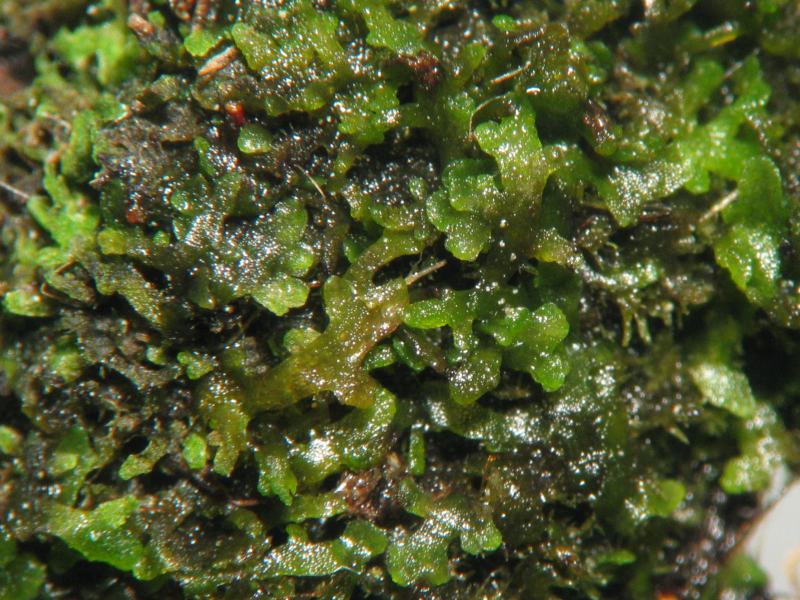
Non-moss bryophytes closely related to mosses, often found in similar habitats. Thallose liverworts like Marchantia and Conocephalum spread flat across wet surfaces, while leafy liverworts such as Frullania and Plagiochila grow among mosses on trees, rocks, and soil.


Climbing Plants Encyclopedia
358 climbing species with training, pruning, and support guides.
Browse Climbers →