Heliconia solomonensis (Solomon Heliconia): Complete Care & Growing Guide for Heliconia Enthusiasts & Collectors.
Heliconia solomonensis
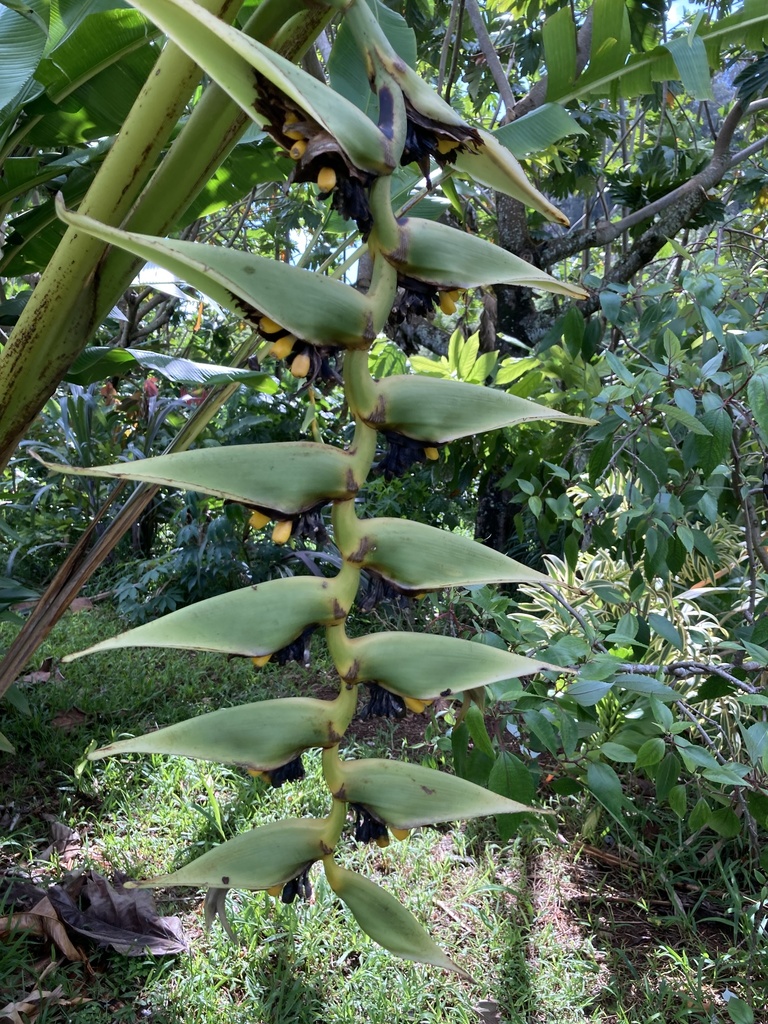
Heliconia solomonensis (Solomon Heliconia) (Source: inaturalist)
1. Introduction & Taxonomy
Heliconia solomonensis stands as a remarkable botanical anomaly, being one of only two Heliconia species native to the Old World—specifically the Solomon Islands and the Bismarck Archipelago of Papua New Guinea. While the vast majority of the approximately 200 Heliconia species evolved in the tropical Americas, H. solomonensis represents an ancient dispersal event across the Pacific, making it a subject of intense biogeographic interest. This towering species challenges the common assumption that all Heliconias are exclusively New World plants, offering living evidence of long-distance oceanic dispersal or vicariance dating back millions of years.
Reaching impressive heights of 4.5 to 6 meters (15 to 20 feet), Solomon Heliconia develops robust pseudostems formed from tightly overlapping leaf sheaths, creating a palm-like architectural presence in its native lowland rainforest habitats. The plant produces striking inflorescences that emerge from the pseudostem apex, displaying bracts in shades that range from orange-red to coral, adapted to attract the honeyeaters and lorikeets that serve as its primary pollinators in the absence of hummingbirds, which are absent from the Pacific region.
First scientifically described from specimens collected in the Solomon archipelago, H. solomonensis has gained recognition among tropical plant collectors and botanical gardens as a living curiosity—a bridge between the diverse American Heliconia flora and the isolated Pacific tropics. Its cultivation outside its native range has proven successful in warm, humid climates from Southeast Asia to tropical Australia, where gardeners prize it both for its botanical significance and its dramatic stature in tropical landscapes.
Heliconia solomonensis is notable for reaching an impressive 6 m in height.If you thought Heliconias only came from the New World, well, you were wrong. This very unusual species hails from the Solomon Islands and the Bismarck Archipelago. It will reach a height of 4.5 to 6.5 m (15 to 22 ft.) with banana-like foliage. The inflorescences are pendent and distichous and have glossy, pale green bracts. The mature fruits are bright orange and show off below the bracts.
Taxonomic Classification
Habitat and Distribution
Heliconia solomonensis is native to New World, well, you were wrong. This species inhabits diverse environments typical of tropical Heliconiaceae, from lowland rainforest gaps and riverbanks to montane cloud forests.
Botanical Note: The family Heliconiaceae contains a single genus, Heliconia, with approximately 200 species. Native primarily to the tropical Americas, with a few species in the western Pacific, heliconias are closely related to bananas (Musaceae) and gingers (Zingiberaceae) within the order Zingiberales. They are characterized by their musoid (banana-like) growth habit, large paddle-shaped leaves, and spectacular inflorescences with colourful waxy bracts that attract hummingbird pollinators. The bracts — not the small true flowers hidden within — are the showy part that makes heliconias among the most striking tropical ornamentals and cut flowers in the world.
Native Range & Distribution Map
The map below shows the native range and notable cultivation regions for Heliconia solomonensis.
2. Biology & Morphology
<\!-- SIZE_COMPARISON_SVG -->Growth Form & Architecture
Heliconia solomonensis is a large, musoid (banana-like) herbaceous perennial that grows from a robust underground rhizome. Like its close relatives the bananas (Musaceae), it forms pseudostems from tightly rolled leaf sheaths. Each pseudostem produces a single inflorescence before dying back, while new shoots continuously emerge from the rhizome to replace it. The large, paddle-shaped leaves are arranged in a single plane (distichous), giving the plant its characteristic banana-like silhouette.
Leaf Morphology
The leaves of Heliconia solomonensis are large and paddle-shaped, arranged in two ranks (distichous) along the pseudostem. Unlike bananas, heliconia leaves typically have long petioles that twist at the base, orienting the blade in a characteristic pattern. The midrib is prominent, and leaves can range from 30 cm to over 3 m long depending on species.
Inflorescence & Bract Structure
The spectacular "flowers" of heliconias are actually colourful, waxy bracts — modified leaves that enclose the small, tubular true flowers within. These bracts can be erect (pointing upward), pendant (hanging downward), or spiralling, and come in vivid reds, oranges, yellows, pinks, and greens. The true flowers emerge one at a time from within each bract and produce nectar that attracts hummingbird pollinators — heliconias and hummingbirds have co-evolved in a remarkable mutualistic relationship.
Key Characteristics
- Height: 3-6 m
- Growth Habit: Musoid / Rhizomatous
- Growth Rate: Fast under optimal conditions
Anatomical Insight: Heliconias have five fertile stamens (unlike gingers which have just one). The fruit is a drupe containing 1-3 seeds with a hard, stony endocarp — often bright blue or purple when ripe, attracting birds that disperse the seeds. The waxy coating on many heliconia bracts (pruinosity) serves as protection against water and UV radiation, and gives species like H. chartacea their distinctive frosted appearance.
Notable Adaptations
The pseudostems of Heliconia solomonensis are composed of spirally arranged leaf sheaths that form a rigid, columnar structure capable of supporting the plant's considerable height of up to 6 meters. Each pseudostem typically produces 8 to 12 large, oblong-elliptic leaves with prominent midribs and parallel lateral veins characteristic of the Heliconiaceae. The leaf blades can reach 1.5 to 2 meters in length and 40 to 60 centimeters in width, creating a dense canopy that intercepts sunlight in the forest understory and edges where this species naturally occurs. Unlike many American Heliconias that have evolved waxy or glaucous leaf surfaces, H. solomonensis displays a matte green coloration that reflects adaptation to the consistently humid conditions of its insular tropical habitat.
The inflorescence structure of H. solomonensis is erect and terminal, emerging from the central channel of the pseudostem as the growth apex transitions from vegetative to reproductive development. The bracts are arranged in a distichous (two-ranked) pattern, each subtending several tubular flowers that open sequentially over a period of weeks. The flowers themselves are relatively small and greenish-yellow with white tips, producing copious nectar that attracts native Pacific honeyeaters, particularly species in the Myzomela and Philemon genera. This pollination syndrome differs markedly from the hummingbird pollination systems of American Heliconias, representing an evolutionary convergence with different avian taxa.
The root system is composed of thick, fibrous rhizomes that spread laterally through the upper soil layers, anchoring the tall pseudostems while also serving as storage organs for carbohydrates and water. These rhizomes produce adventitious roots and lateral buds that give rise to new pseudostem shoots, creating expanding clumps over time. The rhizome structure is more robust and woody than many American species, possibly an adaptation to the periodic droughts and tropical cyclones that affect the Solomon Islands region.
3. Reproduction & Propagation
<\!-- PROPAGATION_METHODS_SVG -->The primary propagation methods for Heliconia solomonensis: Rhizome division or seed.
Propagating Heliconia solomonensis
Heliconia solomonensis produces fleshy, blue-black drupes that mature approximately 8 to 12 weeks after pollination, each containing one to three hard seeds embedded in a mucilaginous pulp. Seed dispersal in native habitats is accomplished primarily by frugivorous birds including imperial pigeons and fruit doves, which consume the fruits and void the seeds at considerable distances from parent plants. The seeds exhibit a tough, impermeable seed coat that enforces dormancy and requires specific germination triggers. In cultivation, mechanical scarification by nicking the seed coat with a file or knife, followed by soaking in warm water for 24 to 48 hours, significantly improves germination rates. Fresh seeds sown in warm (25-30°C), moist substrate typically germinate within 4 to 8 weeks, though older seeds may take considerably longer or fail entirely.
Vegetative propagation is the preferred method for most growers, as it maintains genetic uniformity and allows for much faster establishment than seed-grown plants. Rhizome division is best performed at the beginning of the growing season when ambient temperatures and soil warmth promote rapid root regeneration. Select divisions should include at least one mature pseudostem with an actively growing shoot and a substantial portion of rhizome with visible buds. Plant divisions at the same depth they previously grew, ensuring the rhizome is covered with 5 to 8 centimeters of soil. Water thoroughly and maintain consistent moisture during the establishment period of 6 to 10 weeks. Well-established divisions may flower within 12 to 18 months, whereas seed-grown plants typically require 3 to 4 years to reach flowering maturity.
In situ, H. solomonensis exhibits clonal reproduction through lateral rhizome expansion, with individual genets potentially persisting for decades and spreading to form dense stands in favorable microsites. The species appears to have a mixed mating system, with both outcrossing facilitated by bird pollinators and potential for geitonogamous self-pollination between flowers on the same inflorescence. This reproductive flexibility may have contributed to the successful establishment of founding populations following ancient long-distance dispersal events from the Americas to the Pacific islands.
Heliconia seeds have a hard, stony endocarp and can be slow to germinate — typically 2-6 months, sometimes up to a year. Soak seeds in warm water for 48-72 hours before sowing, and scarify if possible. Maintain warmth (28-32°C) and consistent moisture. Rhizome division is much faster and more reliable for established plants.
Vegetative Propagation
- Rhizome Division: The most reliable method for heliconias. Divide established clumps at the start of the growing season, ensuring each division has at least 2-3 pseudostems and a section of rhizome with healthy roots
- Timing: Best done in early spring (or start of wet season in the tropics) just as new growth begins
Heliconia Pollination Biology: Heliconias are almost exclusively pollinated by hummingbirds — one of the best examples of ornithophily (bird pollination) in the plant kingdom. The tubular flowers produce copious nectar, and the curved bract shapes often match the bill curvature of specific hummingbird species. In the Neotropics, hermit hummingbirds (Phaethornithinae) are the primary pollinators, following regular routes ("traplines") between heliconia plants. The Pacific species are pollinated by bats and some by insects.
Propagation Tips: (1) Heliconia seeds have very hard seed coats — soak for 48-72 hours in warm water and scarify if possible. (2) Use a warm, moist substrate (peat/coir and perlite) at 28-32°C. (3) Germination is slow (2-12 months) — be patient and keep the substrate moist. (4) Rhizome divisions flower in 1-2 years; seed-grown plants may take 3-5 years. (5) When dividing, ensure each piece has at least 2-3 growth buds and trim leaves by half to reduce transpiration stress.
4. Cultivation Requirements
<\!-- CULTIVATION_SVG -->Successful cultivation of Heliconia solomonensis requires replication of its native lowland tropical rainforest conditions, with consistently warm temperatures between 22 and 32°C, high relative humidity above 70 percent, and protection from direct midday sun during establishment. Select planting sites with rich, well-draining organic soil that retains moisture without becoming waterlogged—amending native soil with aged compost, coconut coir, or well-rotted leaf mold improves both water retention and drainage. Space plants 2 to 3 meters apart to accommodate mature clump size, and provide shelter from strong winds that can shred the large leaves and topple tall pseudostems. In marginal climates where winter temperatures occasionally drop below 15°C, plant in locations with northern exposure (southern hemisphere) or southern exposure (northern hemisphere) to maximize warmth, and consider microclimate manipulation with thermal mass elements.
Water requirements are substantial throughout the growing season, with established clumps requiring deep irrigation two to three times weekly during dry periods to support the large transpiring leaf area and rapid growth of emerging pseudostems. Drip irrigation systems or soaker hoses deliver moisture efficiently to the root zone while minimizing foliar wetness that can promote fungal diseases. Fertilization should emphasize nitrogen and potassium to support vigorous vegetative growth and inflorescence development—apply a balanced slow-release fertilizer formulated 14-14-14 or similar at the start of the growing season, supplemented with monthly applications of water-soluble fertilizer at half-strength during active growth. Organic alternatives include monthly applications of well-aged poultry manure, fish emulsion, or compost tea, which also support beneficial soil microbiota.
Regular maintenance includes removal of spent pseudostems at ground level after flowering to redirect plant resources to developing shoots and prevent the accumulation of dead tissue that harbors pests and pathogens. Old leaf material should be removed as it senesces, maintaining a clean appearance and reducing disease pressure. Mulching around clumps with 8 to 10 centimeters of organic material conserves soil moisture, moderates root zone temperature, suppresses weeds, and provides a slow-release nutrient source as it decomposes. Monitor for signs of nutrient deficiency, particularly nitrogen (chlorotic older leaves) and magnesium (interveinal chlorosis), and adjust fertilization accordingly.
Soil / Substrate
Rich, well-draining soil with abundant organic matter. A mix of compost (40%), peat or coir (30%), perlite (20%), and bark (10%) works well. Heliconias are heavy feeders that thrive in fertile, humus-rich soil.
Watering
Maintain consistent moisture during active growth. Heliconias are tropical plants that prefer evenly moist soil and do not tolerate prolonged drought. Water deeply and regularly during the growing season, reducing frequency in cooler months.
Light Requirements
Most heliconias perform best in full sun to bright, filtered light. Some species (particularly Hedychium and Alpinia) tolerate full sun in humid climates, while forest-floor species prefer dappled shade. Strong afternoon sun in dry climates can scorch leaves.
Temperature
- Optimal Growth: 20–30°C (68–86°F)
- Minimum Tolerance: 2°C (36°F)
- USDA Hardiness: Zones 10-12
Humidity
Most heliconias thrive at 60–80% relative humidity. Low humidity causes brown leaf edges, reduced flowering, and increased pest susceptibility. In dry climates, mist foliage regularly, use humidifiers, or group plants together to create a favourable microclimate.
Fertilization
Heliconias are heavy feeders during active growth. Apply a balanced fertilizer (NPK 10-10-10 or 20-20-20) every 2–3 weeks during the growing season. Supplemental potassium promotes flowering, while nitrogen drives leafy growth. Organic mulch and compost provide slow-release nutrition. Reduce or stop feeding during dormancy or winter.
Common Cultivation Mistake: Rhizome rot from waterlogged soil is the most common cause of heliconia losses. During the resting period, keep dormant rhizomes nearly dry. In active growth, heliconias are thirsty plants, but even then, ensure containers have adequate drainage holes and never allow pots to sit in standing water for extended periods.
Seasonal Care Calendar
Follow this season-by-season guide for optimal care timing throughout the year.
🌱 Spring (March–May)
Resume regular fertilization as temperatures warm and new shoots emerge. Divide overcrowded clumps if needed. Increase watering frequency as day length and temperature rise. Remove any cold-damaged tissue from winter. Apply fresh mulch layer.
☀️ Summer (June–August)
Maintain consistent soil moisture with deep irrigation 2-3 times weekly. Fertilize monthly with balanced formula. Monitor for leaf spot diseases during humid periods. Inflorescences typically emerge during this season. Remove spent pseudostems after flowering completes.
🍂 Fall (September–November)
Continue regular watering and fertilization through early fall. Begin reducing fertilizer applications in late season. Monitor weather forecasts for first cold events in marginal climates. Ensure good air circulation to minimize fungal issues during humid autumn periods.
❄️ Winter (December–February)
Reduce watering frequency as growth slows, but do not allow soil to dry completely. Withhold fertilization during dormant period. Provide cold protection if temperatures below 10°C are forecast. Remove any damaged foliage only after new spring growth emerges. Maintain mulch layer for root insulation.
5. Diseases & Pests
Heliconia solomonensis is susceptible to several fungal diseases common to tropical Heliconiaceae, particularly in conditions of excessive moisture, poor air circulation, or stress-induced vulnerability. Leaf spot diseases caused by Cercospora, Phyllosticta, and Pseudocercospora species manifest as brown or black lesions with yellow halos, typically beginning on older leaves and progressing upward. Severe infections lead to premature leaf senescence and reduced photosynthetic capacity. Cultural control measures include spacing plants adequately for air circulation, avoiding overhead irrigation that keeps foliage wet for extended periods, and removing infected leaves promptly to reduce inoculum sources. Fungicidal applications of copper-based products or systemic triazoles may be warranted in severe cases, applied according to label directions with attention to resistance management through product rotation.
Root and rhizome rots caused by Pythium, Phytophthora, and Fusarium species are serious threats in poorly drained soils or situations of chronic overwatering. Affected plants display yellowing foliage, stunted growth, and wilting despite adequate soil moisture, with rhizome examination revealing brown, mushy tissue with a foul odor. Prevention is far more effective than treatment—ensure excellent soil drainage through site selection and amendments, avoid planting too deeply, and irrigate judiciously based on actual soil moisture rather than fixed schedules. Affected plants should be removed promptly to prevent spread to healthy individuals, and soil should be allowed to dry thoroughly or amended with additional drainage material before replanting.
Insect pests include heliconia beetle larvae that bore into pseudostems and rhizomes, causing structural weakness and providing entry points for secondary pathogens. Adult beetles feed on foliage, creating characteristic notching along leaf margins. Hand-picking adults, removing and destroying infested pseudostems, and maintaining plant vigor through proper cultural practices constitute the primary management strategy. Aphids, mealybugs, and scale insects occasionally colonize new growth and inflorescence bracts, excreting honeydew that supports sooty mold growth. These soft-bodied insects can be controlled with insecticidal soap sprays, horticultural oil applications, or by encouraging natural predators such as ladybird beetles and lacewings through preservation of habitat diversity.
Major Diseases
Heliconia Rust (Puccinia heliconiae)
The most common fungal disease of heliconias. Causes reddish-brown pustules on leaf undersides, leading to yellowing and premature leaf drop. Remove affected leaves promptly and improve air circulation. Fungicides containing mancozeb or chlorothalonil can help prevent spread.
Rhizome Rot (Pythium, Fusarium)
Fungi attack the rhizome in waterlogged conditions, causing soft, mushy, discoloured tissue. Prevention: ensure excellent drainage, avoid overwatering, and sterilize tools. In containers, use well-draining media and never let pots sit in standing water.
Bacterial Wilt (Ralstonia solanacearum)
Causes rapid wilting and collapse of pseudostems with watersoaked, foul-smelling rhizome rot. There is no cure; remove and destroy infected plants immediately. Use disease-free planting material and avoid replanting in contaminated soil.
Common Pests
- Spider Mites — Thrive in dry conditions; cause stippled, bronzed foliage. Increase humidity and apply miticides.
- Shoot Borers — Larvae tunnel into pseudostems, causing wilting of individual shoots. Remove and destroy affected stems.
- Mealybugs — White, cottony masses in leaf sheaths and at the base of pseudostems. Treat with isopropyl alcohol or systemic insecticide.
- Scale Insects — Brown or white bumps on stems and leaf undersides. Scrape off manually or treat with horticultural oil.
- Rhizome Scale — Tiny scales on stored or dormant rhizomes. Inspect rhizomes before planting and treat with insecticidal soap.
- Slugs & Snails — Feed on tender new shoots emerging from rhizomes. Use barriers, traps, or baits.
Integrated Pest Management: (1) Quarantine all new plants for 2-4 weeks. (2) Inspect rhizomes before planting for signs of rot or pests. (3) Maintain optimal humidity (60-80%) to deter mites. (4) Use sterile, well-draining potting media. (5) Sterilize cutting tools between plants with 70% isopropyl alcohol. (6) Neem oil is effective as both preventive and treatment for most soft-bodied pests on heliconias.
6. Indoor Growing Guide
Growing Heliconia solomonensis as a container specimen is challenging due to its substantial mature size but can be attempted in large conservatories, atriums, or heated greenhouses with ceiling heights of at least 5 to 6 meters. Select a container with a minimum capacity of 200 to 300 liters to accommodate the extensive root system, ensuring excellent drainage through multiple large holes. Use a rich, moisture-retentive growing medium composed of equal parts quality potting soil, aged compost, and perlite or coarse sand, which provides both nutrient availability and the drainage necessary to prevent root rot in containerized conditions. Position the plant where it receives bright, indirect light throughout the day, avoiding direct sun that can scorch leaves in the confined environment where air movement is limited.
Container cultivation requires vigilant attention to watering, as the large leaf area and restricted root volume lead to rapid moisture depletion during warm periods. Check soil moisture daily during active growth, watering thoroughly when the top 5 centimeters becomes dry to the touch. Fertilize every two weeks during the growing season with a balanced water-soluble fertilizer at half the recommended strength, as nutrients leach quickly from containerized growing media. Humidity requirements remain high—aim for 60 to 80 percent relative humidity through frequent misting, use of humidity trays filled with pebbles and water, or placement near a humidifier. Without adequate humidity, leaf margins brown and the plant becomes more susceptible to spider mite infestations that thrive in dry air.
Container Selection
Use a wide container that allows the rhizome to spread horizontally. Heliconias produce vigorous lateral rhizome growth, so wider pots are better than deep narrow ones. Use containers at least 45-60 cm in diameter for mature plants. Ensure adequate drainage holes to prevent rhizome rot.
Indoor Light
Most heliconias need bright, indirect light for best growth and flowering indoors. A south- or west-facing window works well. Supplement with grow lights during winter — full-spectrum LEDs for 12-14 hours daily make a dramatic difference in growth quality and flower production. Many heliconias need very high light levels (10,000+ lux) to flower indoors.
Humidity & Air Circulation
Indoor humidity of 50-70% is adequate for most species; 70-80% is optimal for lush growth and flowering. Central heating and air conditioning can drop humidity below 30%, causing brown leaf edges, reduced growth, and pest vulnerability. Use humidifiers, group tropical plants together, or grow in a bathroom with natural light.
Seasonal Indoor Care
- Spring: Resume regular feeding and increase watering as new growth emerges. Repot or divide if rhizomes are crowded.
- Summer: Peak growth — water consistently, feed every 2 weeks, consider moving outdoors to a shaded spot for the summer months
- Autumn: Reduce feeding. Growth slows; reduce watering frequency.
- Winter: Minimal growth — water sparingly, stop fertilizing. Watch for spider mites in dry heated rooms.
Indoor Success Key: The combination of bright indirect light, consistent humidity above 55%, and a wide container with well-draining substrate covers 90% of indoor heliconia success. If your plant is struggling, address these three factors before anything else.
7. Landscape Use & Design
In tropical and subtropical landscape designs, Heliconia solomonensis functions as an exceptional architectural specimen that provides instant vertical impact and lush tropical atmosphere. Plant as a focal point in prominent locations where its towering stature and bold foliage can be appreciated, such as entry gardens, courtyard corners, or as a backdrop for lower-growing plantings. The species works particularly well in naturalistic rainforest gardens when planted in groups of three to five individuals, creating a grove effect that mimics its natural clustering habit while allowing space for air circulation between clumps. Combine with other large-leaved tropical plants such as Musa, Ensete, Alpinia, and tree ferns to create layered compositions that emphasize foliage texture and form.
Site selection should prioritize locations protected from strong winds, which are inevitable given the plant's height and large sail-like leaves—plant behind structures, walls, or windbreak vegetation to minimize mechanical damage. The species performs best in partial shade or dappled sunlight, making it ideal for understory plantings beneath open-canopied trees where it receives morning sun and afternoon shade. Avoid planting too close to structures, paths, or utilities, as mature clumps expand 2 to 3 meters in diameter and can overwhelm nearby features. The inflorescences, while not as showy as some American Heliconia species, add seasonal interest and attract nectarivorous birds, enhancing the garden's ecological value as habitat for native fauna.
Design Applications
- Tropical Border: Combine with bananas, gingers, aroids, and tree ferns for layered jungle texture
- Focal Point: Heliconias command attention — use as bold architectural specimens in garden beds or along paths where the inflorescences can be admired up close
- Partial Shade: Most heliconias thrive in dappled shade or filtered light, perfect for underplanting beneath palms or large trees
- Container Feature: Large decorative pots on patios and terraces allow flexible placement and easy winter protection
- Cut Flowers: Heliconia inflorescences are among the most spectacular and long-lasting tropical cut flowers, prized worldwide in floristry
Companion Planting
Create stunning tropical compositions by pairing with:
- Banana species (Musa, Ensete) — dramatic height and complementary bold foliage
- Heliconias — bold, colourful inflorescences and similar cultural needs
- Tree Ferns (Dicksonia, Cyathea) — structural understory contrast
- Aroids (Alocasia, Colocasia) — bold foliage at the middle and lower layers
- Cannas — similar rhizomatous habit with vibrant flowers
- Begonias — shade-loving foliage contrast at ground level
Design Principle: Heliconias provide both lush tropical foliage and spectacular inflorescences. Use tall species (H. caribaea, H. bihai) as backdrop, mid-sized species (H. psittacorum, H. stricta) in the middle ground, and compact cultivars as ground-level accents. Group plants of different inflorescence types (pendant, erect, spiral) for year-round visual interest and diverse hummingbird attraction.
8. Cold Climate Strategies
Heliconia solomonensis exhibits limited cold tolerance, with significant foliar damage occurring at temperatures below 10°C and lethal injury to pseudostems and rhizomes when temperatures approach freezing. In regions where occasional cold snaps threaten otherwise suitable tropical climates, strategic protection measures can preserve valuable specimens. When cold weather is forecast, water plants thoroughly 24 to 48 hours in advance, as moist soil retains and releases more heat than dry soil, providing several degrees of root zone temperature buffering. Apply a thick mulch layer of 15 to 20 centimeters around the base of clumps, extending outward to cover the rhizome spread area, using materials such as straw, shredded leaves, or pine needles that provide insulation without compacting.
For aboveground protection during brief cold events, construct temporary shelters using stakes or hoops covered with frost cloth, burlap, or even old blankets, ensuring the covering reaches to ground level to trap rising soil heat. Avoid using plastic sheeting in direct contact with foliage, as condensation and contact can cause more damage than the cold itself. String lights (incandescent, not LED) placed carefully under the covering can provide supplemental heat output without fire risk. Remove protective coverings when temperatures rise above 15°C to prevent overheating and fungal disease development in the enclosed humid environment.
Following damage from unexpected cold events, resist the urge to immediately remove frost-damaged foliage, as the dead tissue provides some insulation to the crown and emerging shoots. Wait until new growth emerges from the rhizome in spring before cutting away damaged pseudostems at ground level. Recovery time varies depending on the severity of cold exposure and rhizome damage, with lightly affected plants resuming growth within 4 to 8 weeks while severely damaged specimens may require an entire growing season to fully recover. In areas with regular winter cold, permanent in-ground cultivation is impractical—instead, grow plants in large containers that can be moved to protected locations or heated greenhouses during the cold season.
Hardiness Thresholds
- USDA Zones: 10-12
- Minimum Survival Temperature: 2°C (36°F)
Overwintering Options
- Rhizome Storage: Lift rhizomes after foliage dies back, dry for 1-2 days, then store in slightly damp peat, vermiculite, or wood shavings at 5-10°C. Check monthly for rot or desiccation.
- Heavy Mulch (borderline zones): Apply 15-30 cm of dry mulch (straw, leaves, bark) over the rhizome zone after the first frost. Cover with waterproof material to prevent moisture saturation. This works well for hardier species like H. schiedeana.
- Container Culture: Move potted plants indoors to a bright, cool location (10-15°C). Reduce watering significantly for dormant species.
- Greenhouse: An unheated or minimally heated glasshouse provides ideal winter protection for tender heliconias.
Winter Survival Rule: Cold + wet = death. Heliconia rhizomes are sensitive to both frost and waterlogging. Rhizomes that sit in cold, waterlogged soil rot rapidly. Ensure excellent drainage above all else when overwintering heliconias outdoors. Raised beds and gritty soil amendments dramatically improve winter survival rates.
9. Ethnobotany & Cultural Significance
Within the indigenous cultures of the Solomon Islands and Bismarck Archipelago, Heliconia solomonensis holds cultural significance that differs markedly from the New World Heliconia traditions documented in Central and South American societies. The robust leaves have historically been utilized as temporary wrapping materials for food preparation, particularly for wrapping fish, taro, and other foods prior to earth oven cooking in traditional Melanesian cuisine. The watertight nature of the large leaf blades when properly folded makes them serviceable for carrying water or creating temporary rain shelters during foraging expeditions in the rainforest. While not as widely documented as the uses of pandanus or sago palm leaves, H. solomonensis leaves served as readily available utilitarian materials in the plant's native range.
The inflorescence bracts and pseudostems have been noted in ethnobotanical surveys as occasional sources of fiber for cordage and binding materials, though the plant does not appear to have been systematically cultivated for fiber production in the way that banana relatives were managed. Some oral traditions preserved by Solomon Islands communities describe the plant's association with forest spirits and its use as a boundary marker between cultivated gardens and wild forest lands, suggesting cultural recognition of the species beyond purely utilitarian applications. The striking appearance of flowering plants may have held aesthetic or symbolic value in traditional contexts, though detailed documentation of such cultural dimensions remains limited in the ethnobotanical literature.
In contemporary times, H. solomonensis has gained recognition in the global horticultural trade primarily for its botanical curiosity value as an Old World Heliconia, rather than for any continuation of traditional uses. Conservation organizations have expressed concern about habitat loss in the Solomon Islands and Bismarck Archipelago due to logging and agricultural expansion, potentially threatening wild populations of this biogeographically significant species in portions of its native range.
Conservation Note: Many heliconia species face increasing pressure from tropical deforestation and habitat fragmentation. As keystone species for hummingbird pollinators and other wildlife, their conservation is critical for maintaining tropical ecosystem health. Cultivating diverse heliconia species in gardens and collections contributes to ex-situ conservation. By growing Heliconia solomonensis, you help maintain the genetic diversity of this spectacular plant family.
Frequently Asked Questions
Why is Heliconia solomonensis botanically significant?
Heliconia solomonensis is one of only two Heliconia species native to the Old World, specifically the Solomon Islands and Bismarck Archipelago, while the remaining 200+ species are exclusively found in tropical America. This makes it a remarkable example of ancient long-distance dispersal across the Pacific Ocean and a subject of intense biogeographic research into plant distribution patterns.
How does pollination differ from American Heliconia species?
Unlike American Heliconias that are pollinated by hummingbirds, H. solomonensis is pollinated by Pacific honeyeaters and lorikeets, as hummingbirds are absent from the Old World. This represents an evolutionary convergence where different bird lineages have adopted similar nectar-feeding roles, with the plant's flowers producing copious nectar to attract these avian visitors.
Can Heliconia solomonensis be grown in subtropical climates?
H. solomonensis requires consistently warm tropical conditions and is severely damaged by temperatures below 10°C, making it unsuitable for areas with regular cool seasons. It can be attempted in warm subtropical regions with only occasional brief cold snaps if provided with protection during cold events, or grown in containers that can be moved to heated greenhouses during winter.
How long does it take for this species to flower from seed?
Seed-grown plants typically require 3 to 4 years to reach flowering maturity, as the plant must develop a substantial rhizome system and sufficient stored energy reserves before transitioning to reproductive development. Vegetatively propagated divisions from mature clumps can flower much faster, often within 12 to 18 months if given optimal growing conditions.
What is the best method to propagate Heliconia solomonensis?
Rhizome division is the preferred propagation method, performed at the start of the growing season by separating sections that include at least one mature pseudostem, an actively growing shoot, and substantial rhizome with visible buds. This method is faster and more reliable than seed propagation, which requires scarification and can take 4-8 weeks to germinate even under ideal conditions.
Summary & Key Takeaways
Heliconia solomonensis is a towering Old World heliconia native to the Solomon Islands and Bismarck Archipelago, reaching 4.5-6 meters tall and representing a remarkable biogeographic anomaly among the predominantly American Heliconia genus. This robust species features large oblong leaves and erect inflorescences with coral-orange bracts, pollinated by Pacific honeyeaters rather than hummingbirds, and requires consistently warm tropical conditions with high humidity for successful cultivation.
Key Points to Remember:
- Propagation: Division/seed
- Light: Bright indirect to filtered light (partial shade preferred)
- Substrate: Rich, well-draining, high in organic matter
- Humidity: 60-80% for optimal growth and flowering
- Hardiness: USDA Zones 10-12, minimum 2°C (36°F)
- Key Threat: Rhizome rot during dormancy — drainage and dry rest are paramount