Heliconia sclerotricha: Complete Care & Growing Guide for Heliconia Enthusiasts & Collectors.
Heliconia sclerotricha
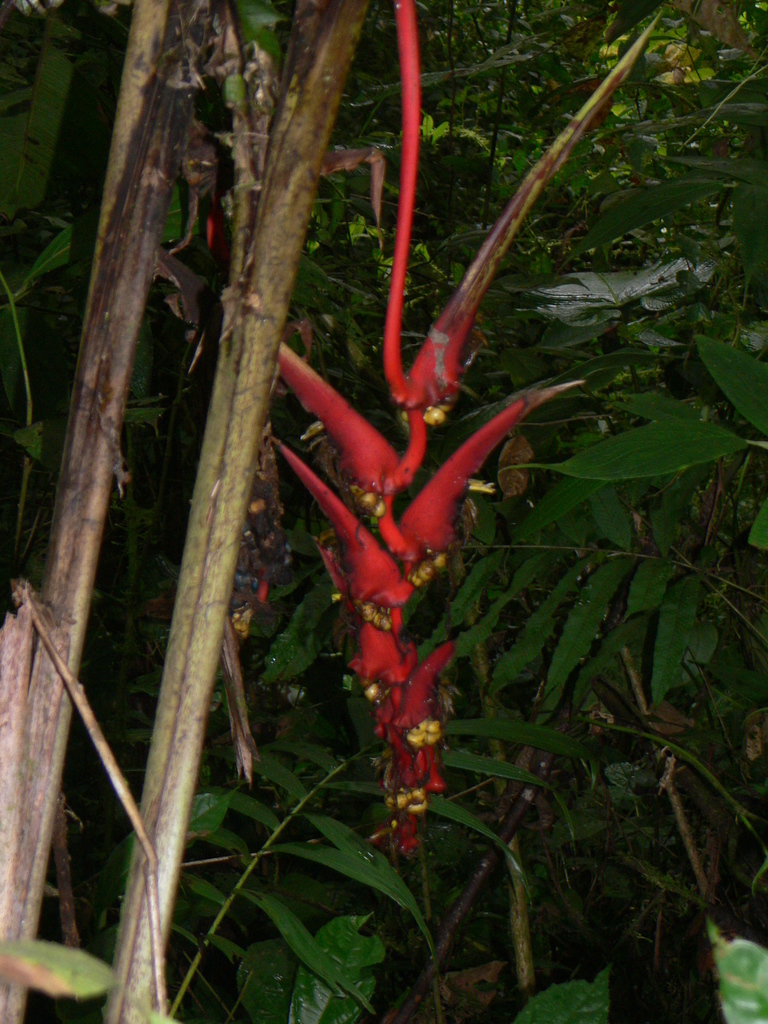
Heliconia sclerotricha (Source: inaturalist)
1. Introduction & Taxonomy
In the misty rainforests of western Ecuador, where the Andes descend into the lowlands and moisture-laden clouds cling to the forest canopy, Heliconia sclerotricha emerges as one of the most distinctive and sought-after species in its genus. This rare heliconia captivates botanists and collectors with its pendent inflorescences that spiral gracefully through the understory, their large purplish-red bracts densely covered in coarse hairs that give the plant its scientific name—sclerotricha, meaning "hard hair." Unlike the more commonly cultivated upright heliconias, this species produces blooms that hang downward in elegant cascades, creating a dramatic vertical element in its native habitat.
The hairy texture of H. sclerotricha's bracts serves multiple ecological functions in the humid Ecuadorian rainforests. These trichomes help regulate moisture levels around the developing flowers, prevent excessive water accumulation that could lead to fungal infections, and may deter certain herbivorous insects. The purplish-red coloration, which intensifies in full sun or cooler temperatures, acts as a beacon for hummingbird pollinators that navigate the dim forest understory. Each inflorescence can reach 40-60 centimeters in length, with 12-20 distichous to spiraling bracts that open sequentially over several weeks, ensuring a prolonged flowering period that maximizes pollination opportunities.
Endemic to a relatively narrow elevation range in western Ecuador, Heliconia sclerotricha occupies both lowland rainforests near sea level and montane forests up to approximately 1,200 meters. This adaptability to varied elevations makes it somewhat more cold-tolerant than strictly lowland species, though it still requires consistently warm temperatures and high humidity to thrive. The species has become increasingly rare in its native habitat due to deforestation and habitat fragmentation, making cultivation efforts particularly important for conservation. For tropical plant enthusiasts willing to provide the specific conditions it requires, H. sclerotricha offers an unparalleled combination of architectural form, tactile interest, and spectacular color.
A rare, large Heliconia from lowland and montane rainforests in western Ecuador with pendent, distichous to spiraling inflorescences that have large, hairy, purplish red bracts. In cultivation, Heliconia sclerotricha is best suited to tropical and some warm temperate climates.
Taxonomic Classification
Habitat and Distribution
Heliconia sclerotricha is native to lowland and montane rainforests in western Ecuador. This species inhabits diverse environments typical of tropical Heliconiaceae, from lowland rainforest gaps and riverbanks to montane cloud forests.
Botanical Note: The family Heliconiaceae contains a single genus, Heliconia, with approximately 200 species. Native primarily to the tropical Americas, with a few species in the western Pacific, heliconias are closely related to bananas (Musaceae) and gingers (Zingiberaceae) within the order Zingiberales. They are characterized by their musoid (banana-like) growth habit, large paddle-shaped leaves, and spectacular inflorescences with colourful waxy bracts that attract hummingbird pollinators. The bracts — not the small true flowers hidden within — are the showy part that makes heliconias among the most striking tropical ornamentals and cut flowers in the world.
Native Range & Distribution Map
The map below shows the native range and notable cultivation regions for Heliconia sclerotricha.
2. Biology & Morphology
<\!-- SIZE_COMPARISON_SVG -->Growth Form & Architecture
Heliconia sclerotricha is a large, musoid (banana-like) herbaceous perennial that grows from a robust underground rhizome. Like its close relatives the bananas (Musaceae), it forms pseudostems from tightly rolled leaf sheaths. Each pseudostem produces a single inflorescence before dying back, while new shoots continuously emerge from the rhizome to replace it. The large, paddle-shaped leaves are arranged in a single plane (distichous), giving the plant its characteristic banana-like silhouette.
Leaf Morphology
The leaves of Heliconia sclerotricha are large and paddle-shaped, arranged in two ranks (distichous) along the pseudostem. Unlike bananas, heliconia leaves typically have long petioles that twist at the base, orienting the blade in a characteristic pattern. The midrib is prominent, and leaves can range from 30 cm to over 3 m long depending on species.
Inflorescence & Bract Structure
The spectacular "flowers" of heliconias are actually colourful, waxy bracts — modified leaves that enclose the small, tubular true flowers within. These bracts can be erect (pointing upward), pendant (hanging downward), or spiralling, and come in vivid reds, oranges, yellows, pinks, and greens. The true flowers emerge one at a time from within each bract and produce nectar that attracts hummingbird pollinators — heliconias and hummingbirds have co-evolved in a remarkable mutualistic relationship.
Key Characteristics
- Height: 1-5m
- Growth Habit: Musoid / Rhizomatous
- Growth Rate: Fast under optimal conditions
Anatomical Insight: Heliconias have five fertile stamens (unlike gingers which have just one). The fruit is a drupe containing 1-3 seeds with a hard, stony endocarp — often bright blue or purple when ripe, attracting birds that disperse the seeds. The waxy coating on many heliconia bracts (pruinosity) serves as protection against water and UV radiation, and gives species like H. chartacea their distinctive frosted appearance.
Notable Adaptations
The morphology of Heliconia sclerotricha reflects its adaptation to the humid, shaded conditions of Ecuadorian rainforests. The plant produces robust pseudostems that can reach 2-4 meters in height, formed from tightly wrapped leaf sheaths that create a banana-like appearance. The leaves themselves are large and oblong-elliptic, measuring 80-120 centimeters in length and 25-35 centimeters in width, with prominent midribs and parallel venation characteristic of the Heliconiaceae family. The leaf undersides often display a slightly glaucous bloom, and the petioles can extend 40-80 centimeters, allowing the leaves to capture filtered sunlight in the forest understory. The entire plant forms dense clumps through rhizomatous growth, with new shoots emerging regularly from the underground stem system.
The most remarkable anatomical feature of H. sclerotricha is its inflorescence structure and indumentum. The flowering stem emerges from the center of the pseudostem and quickly curves downward, producing a pendent raceme that hangs freely in the air. Each bract is boat-shaped (cymbiform) and measures 10-15 centimeters long, with a keeled structure that protects the flowers within. The dense covering of stiff, appressed trichomes gives the bracts a velvety to almost scabrous texture, unlike the smooth, waxy bracts of most heliconia species. These hairs are multicellular and persist throughout the life of the inflorescence, even as the bracts age. The flowers themselves are tubular, yellowish-green with darker tips, and produce copious nectar to attract hermit hummingbirds—particularly species in the genera Phaethornis and Glaucis—which are the primary pollinators.
The pollination biology of H. sclerotricha follows the classic heliconia-hummingbird mutualism, but with adaptations specific to pendent inflorescences. The downward-hanging blooms allow hummingbirds to approach from below and hover while feeding, a position that ensures pollen transfer to the bird's head and throat. The sequential opening of flowers within each bract, combined with the gradual maturation of bracts from base to apex, creates a predictable nectar resource that encourages repeated visits by territorial hummingbirds. After successful pollination, the ovaries develop into blue drupes approximately 8-12 millimeters in diameter, which are consumed by fruit-eating birds that disperse the seeds. The entire reproductive cycle from emergence to fruit maturation takes approximately 4-6 months, with peak flowering typically occurring during the wettest periods of the year when hummingbird activity is highest.
3. Reproduction & Propagation
<\!-- PROPAGATION_METHODS_SVG -->The primary propagation methods for Heliconia sclerotricha: Rhizome division or seed.
Propagating Heliconia sclerotricha
Seed germination in Heliconia sclerotricha requires specific conditions that mimic its native rainforest environment. Fresh seeds have the highest viability, as they lose germination capacity relatively quickly when stored—typically within 2-3 months even under optimal conditions. Before sowing, the fleshy fruit pulp must be completely removed by mashing the drupes and washing the seeds thoroughly, as residual pulp contains germination inhibitors. The cleaned seeds should be scarified lightly with sandpaper or soaked in warm water for 24 hours to soften the hard seed coat. Sow seeds 1-2 centimeters deep in a well-draining medium of equal parts peat, perlite, and coarse sand, and maintain constant moisture and temperatures of 25-30°C. Germination is typically erratic and slow, occurring over 6-12 weeks, with some seeds remaining dormant for several months before sprouting. Providing bottom heat and covering the seed tray with clear plastic to maintain high humidity can improve germination rates significantly.
Vegetative propagation through division is the preferred method for maintaining H. sclerotricha, as it preserves the genetic characteristics of superior forms and produces flowering-sized plants much more quickly than seed-grown specimens. The best time to divide clumps is during the active growing season when new shoots are emerging vigorously. Carefully excavate the rhizome system and use a sharp, sterilized knife or spade to separate sections that include at least 3-5 pseudostems with healthy roots and a portion of the rhizome containing dormant buds. Each division should be potted immediately into a large container or planted in the ground, ensuring the rhizome is positioned at the same depth it was previously growing. Water thoroughly and maintain high humidity around the foliage by misting regularly or enclosing the plant in a transparent cover for the first 2-3 weeks. New growth typically appears within 4-6 weeks, and divided plants often flower within 12-18 months if provided with optimal care.
Tissue culture propagation has been successfully employed for rare Heliconia species and could be valuable for conserving and distributing H. sclerotricha. Explants taken from actively growing shoot tips or lateral buds can be surface-sterilized and cultured on Murashige and Skoog medium supplemented with cytokinins such as BAP (6-benzylaminopurine) at 2-4 mg/L to induce shoot multiplication. Once sufficient shoots have proliferated, they can be transferred to a rooting medium containing auxins like IBA (indole-3-butyric acid) at 0.5-1 mg/L. Acclimatization of tissue-cultured plantlets requires gradually reducing humidity over 3-4 weeks while maintaining warm temperatures and bright, indirect light. This method allows for rapid propagation of disease-free plants and could help establish H. sclerotricha more widely in cultivation, reducing pressure on wild populations.
Heliconia seeds have a hard, stony endocarp and can be slow to germinate — typically 2-6 months, sometimes up to a year. Soak seeds in warm water for 48-72 hours before sowing, and scarify if possible. Maintain warmth (28-32°C) and consistent moisture. Rhizome division is much faster and more reliable for established plants.
Vegetative Propagation
- Rhizome Division: The most reliable method for heliconias. Divide established clumps at the start of the growing season, ensuring each division has at least 2-3 pseudostems and a section of rhizome with healthy roots
- Timing: Best done in early spring (or start of wet season in the tropics) just as new growth begins
Heliconia Pollination Biology: Heliconias are almost exclusively pollinated by hummingbirds — one of the best examples of ornithophily (bird pollination) in the plant kingdom. The tubular flowers produce copious nectar, and the curved bract shapes often match the bill curvature of specific hummingbird species. In the Neotropics, hermit hummingbirds (Phaethornithinae) are the primary pollinators, following regular routes ("traplines") between heliconia plants. The Pacific species are pollinated by bats and some by insects.
Propagation Tips: (1) Heliconia seeds have very hard seed coats — soak for 48-72 hours in warm water and scarify if possible. (2) Use a warm, moist substrate (peat/coir and perlite) at 28-32°C. (3) Germination is slow (2-12 months) — be patient and keep the substrate moist. (4) Rhizome divisions flower in 1-2 years; seed-grown plants may take 3-5 years. (5) When dividing, ensure each piece has at least 2-3 growth buds and trim leaves by half to reduce transpiration stress.
4. Cultivation Requirements
<\!-- CULTIVATION_SVG -->Cultivating Heliconia sclerotricha successfully requires recreating the warm, humid, and consistently moist conditions of its native Ecuadorian rainforest habitat. The species performs best in USDA zones 10b-11, where nighttime temperatures rarely drop below 4°C, though it shows slightly more cold tolerance than many lowland heliconias due to its montane ecotype. In marginal climates, provide a sheltered location protected from cold winds and consider growing it in a large container that can be moved to a greenhouse or conservatory during cooler months. The soil should be rich in organic matter, well-draining yet moisture-retentive, with a pH of 5.5-6.5. Incorporate generous amounts of aged compost, leaf mold, or well-rotted manure before planting, and add coarse sand or perlite if drainage is questionable. Plant rhizomes 5-8 centimeters deep in a location that receives filtered sunlight or partial shade—approximately 40-60% shade cloth is ideal in subtropical climates, while dappled shade beneath tree canopies works well in truly tropical settings.
Water management is critical for H. sclerotricha, as the species evolved in environments with consistent year-round rainfall. During active growth, the soil should remain evenly moist but never waterlogged, which can cause rhizome rot. Apply 5-10 centimeters of organic mulch around the base to conserve moisture, regulate soil temperature, and suppress weeds. In dry climates or during drought periods, daily watering may be necessary, particularly for container-grown specimens. Fertilization should be regular and generous—apply a balanced, slow-release fertilizer (such as 14-14-14 or 10-10-10) at the beginning of the growing season, supplemented with monthly applications of liquid fertilizer diluted to half strength. Alternatively, use organic fertilizers like fish emulsion, seaweed extract, or compost tea every 2-3 weeks. The hairy bracts benefit from high atmospheric humidity of 60-80%, so regular misting, grouping plants together, or using a humidifier in enclosed growing spaces can improve vigor and inflorescence quality.
Advanced cultivation techniques can enhance flowering and overall plant performance. Once clumps become established (typically after 2-3 years), remove older pseudostems that have already flowered to redirect energy into new growth and future blooms. Cut these spent stems at ground level using clean, sharp pruners. Thinning the clump to maintain 8-12 healthy pseudostems of varying ages ensures continuous flowering while preventing overcrowding. Watch for the characteristic downward-curving flowering stem emerging from the center of mature pseudostems during the warmer months—these stems may need gentle support if they become entangled in surrounding foliage. Because H. sclerotricha produces pendent inflorescences, plant it on slopes, in raised beds, or in elevated containers where the blooms can hang freely and be appreciated from below. This positioning also improves air circulation around the bracts and reduces the risk of fungal infections that can mar the distinctive hairy texture.
Soil / Substrate
Rich, well-draining soil with abundant organic matter. A mix of compost (40%), peat or coir (30%), perlite (20%), and bark (10%) works well. Heliconias are heavy feeders that thrive in fertile, humus-rich soil.
Watering
Maintain consistent moisture during active growth. Heliconias are tropical plants that prefer evenly moist soil and do not tolerate prolonged drought. Water deeply and regularly during the growing season, reducing frequency in cooler months.
Light Requirements
Most heliconias perform best in full sun to bright, filtered light. Some species (particularly Hedychium and Alpinia) tolerate full sun in humid climates, while forest-floor species prefer dappled shade. Strong afternoon sun in dry climates can scorch leaves.
Temperature
- Optimal Growth: 20–30°C (68–86°F)
- Minimum Tolerance: -15°C (5°F)
- USDA Hardiness: Zones 7-10
Humidity
Most heliconias thrive at 60–80% relative humidity. Low humidity causes brown leaf edges, reduced flowering, and increased pest susceptibility. In dry climates, mist foliage regularly, use humidifiers, or group plants together to create a favourable microclimate.
Fertilization
Heliconias are heavy feeders during active growth. Apply a balanced fertilizer (NPK 10-10-10 or 20-20-20) every 2–3 weeks during the growing season. Supplemental potassium promotes flowering, while nitrogen drives leafy growth. Organic mulch and compost provide slow-release nutrition. Reduce or stop feeding during dormancy or winter.
Common Cultivation Mistake: Rhizome rot from waterlogged soil is the most common cause of heliconia losses. During the resting period, keep dormant rhizomes nearly dry. In active growth, heliconias are thirsty plants, but even then, ensure containers have adequate drainage holes and never allow pots to sit in standing water for extended periods.
Seasonal Care Calendar
Follow this season-by-season guide for optimal care timing throughout the year.
🌱 Spring (March–May)
As temperatures warm and growth accelerates, apply slow-release balanced fertilizer (14-14-14) at the base of clumps. Remove any cold-damaged pseudostems from winter and increase watering frequency as plants enter active growth. Divide overcrowded clumps if necessary. Monitor for aphids and spider mites on new growth and treat promptly. Begin regular supplemental feeding every 2-3 weeks with diluted liquid fertilizer to support the vigorous spring flush.
☀️ Summer (June–August)
Maintain consistently moist soil through regular watering, potentially daily during hot, dry periods. Ensure humidity remains high by misting or using humidifiers in enclosed growing spaces. Watch for emerging inflorescences and provide support if needed to prevent stems from tangling in surrounding foliage. Continue biweekly liquid fertilization. Inspect hairy bracts closely for signs of Botrytis or other fungal issues, especially during humid weather, and improve air circulation if problems develop. Peak flowering typically occurs during the wettest summer months.
🍂 Fall (September–November)
Continue regular watering as long as temperatures remain warm, but gradually reduce fertilization by half as growth slows preparing for cooler weather. Remove spent inflorescences and any yellowing or damaged leaves. Apply thick organic mulch (10-15 cm) around the base of plants in marginal climates to insulate rhizomes before first cold snap. Begin preparing cold protection materials (frost blankets, covers, heat sources) if temperatures below 10°C are forecast. Move container plants to protected locations before cold weather arrives.
❄️ Winter (December–February)
In frost-free tropical zones, growth continues but slows; maintain moderate watering and reduce fertilization to monthly applications. In subtropical areas where plants die back, protect rhizomes with heavy mulch and covers during cold snaps. For container plants moved indoors, reduce watering to match lower light levels but do not allow soil to dry completely. Maintain temperatures above 15°C and humidity above 50% in greenhouse or indoor settings. Avoid fertilizing dormant or semi-dormant plants until spring growth resumes. Resist pruning cold-damaged foliage until after all danger of frost has passed.
5. Diseases & Pests
Heliconia sclerotricha is susceptible to several fungal diseases common to Heliconiaceae, particularly when grown outside its native range or in conditions of poor air circulation and excessive moisture. Leaf spot diseases caused by Cercospora, Phyllosticta, and Bipolaris species frequently appear as small, dark lesions that expand into larger necrotic areas with yellow halos. These infections are exacerbated by overhead watering that keeps foliage wet for extended periods, especially during cooler weather. The hairy bracts are particularly vulnerable to Botrytis cinerea (gray mold), which thrives in the humid microclimate created by the dense trichomes. Infected bracts develop water-soaked patches that quickly turn brown and become covered with fuzzy gray spores. To prevent fungal diseases, ensure adequate spacing between plants, avoid wetting foliage during irrigation, and improve air movement with fans in greenhouse settings. At the first sign of infection, remove affected leaves or bracts and apply copper-based fungicides or biological controls like Bacillus subtilis according to label directions.
Bacterial diseases, particularly Pseudomonas and Erwinia species, can cause rapid tissue collapse and pseudostem rot in H. sclerotricha. Symptoms include water-soaked streaks on leaves and sheaths, foul-smelling soft rot at the base of pseudostems, and sudden wilting of otherwise healthy-looking plants. These bacteria typically enter through wounds caused by insects, mechanical damage, or pruning tools, making sanitation crucial. Always sterilize cutting tools between plants using a 10% bleach solution or 70% alcohol. If bacterial rot is detected, immediately remove and destroy affected pseudostems, cutting well below the infected area into healthy tissue. Improve soil drainage to prevent standing water around rhizomes, and avoid over-fertilizing with nitrogen, which produces soft, succulent growth more susceptible to bacterial invasion. There are no effective chemical controls for bacterial diseases, so prevention through cultural practices is essential.
Insect pests pose moderate threats to H. sclerotricha, with spider mites, aphids, and heliconia beetle (Xanthosoma atrovirens) being the most problematic. Spider mites thrive in hot, dry conditions and cause stippling, yellowing, and eventual bronzing of leaves. Increasing humidity and regularly hosing down foliage can suppress mite populations, while horticultural oil or insecticidal soap provides organic control. Aphids cluster on new growth and developing inflorescences, sucking sap and excreting honeydew that encourages sooty mold. Encourage natural predators like ladybugs and lacewings, or spray with neem oil or insecticidal soap. The heliconia beetle, where present, feeds on leaves and can defoliate plants if populations are high. Handpicking adults and larvae is effective for small collections, while Bacillus thuringiensis (Bt) or pyrethrin-based insecticides can be used for severe infestations. Scale insects occasionally infest the pseudostems and leaf sheaths, appearing as small, immobile bumps that can weaken plants over time. Remove scales by rubbing with alcohol-soaked cotton swabs or apply horticultural oil to suffocate them.
Major Diseases
Heliconia Rust (Puccinia heliconiae)
The most common fungal disease of heliconias. Causes reddish-brown pustules on leaf undersides, leading to yellowing and premature leaf drop. Remove affected leaves promptly and improve air circulation. Fungicides containing mancozeb or chlorothalonil can help prevent spread.
Rhizome Rot (Pythium, Fusarium)
Fungi attack the rhizome in waterlogged conditions, causing soft, mushy, discoloured tissue. Prevention: ensure excellent drainage, avoid overwatering, and sterilize tools. In containers, use well-draining media and never let pots sit in standing water.
Bacterial Wilt (Ralstonia solanacearum)
Causes rapid wilting and collapse of pseudostems with watersoaked, foul-smelling rhizome rot. There is no cure; remove and destroy infected plants immediately. Use disease-free planting material and avoid replanting in contaminated soil.
Common Pests
- Spider Mites — Thrive in dry conditions; cause stippled, bronzed foliage. Increase humidity and apply miticides.
- Shoot Borers — Larvae tunnel into pseudostems, causing wilting of individual shoots. Remove and destroy affected stems.
- Mealybugs — White, cottony masses in leaf sheaths and at the base of pseudostems. Treat with isopropyl alcohol or systemic insecticide.
- Scale Insects — Brown or white bumps on stems and leaf undersides. Scrape off manually or treat with horticultural oil.
- Rhizome Scale — Tiny scales on stored or dormant rhizomes. Inspect rhizomes before planting and treat with insecticidal soap.
- Slugs & Snails — Feed on tender new shoots emerging from rhizomes. Use barriers, traps, or baits.
Integrated Pest Management: (1) Quarantine all new plants for 2-4 weeks. (2) Inspect rhizomes before planting for signs of rot or pests. (3) Maintain optimal humidity (60-80%) to deter mites. (4) Use sterile, well-draining potting media. (5) Sterilize cutting tools between plants with 70% isopropyl alcohol. (6) Neem oil is effective as both preventive and treatment for most soft-bodied pests on heliconias.
6. Indoor Growing Guide
Growing Heliconia sclerotricha indoors or in greenhouse environments presents unique challenges but can be highly rewarding for collectors who lack suitable outdoor climates. The primary requirements are ample space—the plant can reach 2-4 meters in height and spread extensively—and sufficient light to promote flowering. Position containers near south-facing windows in the Northern Hemisphere (north-facing in the Southern Hemisphere) where the plant receives bright, indirect light for most of the day, or supplement with full-spectrum grow lights providing 400-600 foot-candles for 12-14 hours daily. The temperature should remain consistently between 18-30°C, with nighttime temperatures not dropping below 15°C. Avoid placing plants near heating vents, air conditioners, or drafty windows that create temperature fluctuations. Container selection is crucial—use pots at least 40-50 centimeters in diameter with multiple drainage holes to accommodate the spreading rhizome system and provide stability for the tall pseudostems.
Maintaining adequate humidity indoors is perhaps the greatest challenge when growing H. sclerotricha as a container specimen. Central heating and air conditioning typically reduce indoor humidity to 20-40%, far below the 60-80% this species prefers. Combat low humidity by placing containers on large trays filled with pebbles and water (ensuring the pot base sits above the waterline), grouping multiple tropical plants together to create a humid microclimate, running a cool-mist humidifier nearby, or enclosing the plant in a large terrarium or glass-walled plant room. Mist the foliage daily with tepid water, but avoid excessive misting of the hairy inflorescences, which can trap moisture and promote fungal growth. The restricted root environment of containers requires more frequent fertilization than garden plantings—apply diluted liquid fertilizer every 2-3 weeks during active growth, and flush the soil periodically with plain water to prevent salt accumulation. Repot every 2-3 years in spring, dividing the rhizome if the plant becomes too large for indoor management, and refresh the potting medium with a rich, well-draining mix. With proper care, greenhouse-grown H. sclerotricha can flower reliably and provide a spectacular tropical focal point.
Container Selection
Use a wide container that allows the rhizome to spread horizontally. Heliconias produce vigorous lateral rhizome growth, so wider pots are better than deep narrow ones. Use containers at least 45-60 cm in diameter for mature plants. Ensure adequate drainage holes to prevent rhizome rot.
Indoor Light
Most heliconias need bright, indirect light for best growth and flowering indoors. A south- or west-facing window works well. Supplement with grow lights during winter — full-spectrum LEDs for 12-14 hours daily make a dramatic difference in growth quality and flower production. Many heliconias need very high light levels (10,000+ lux) to flower indoors.
Humidity & Air Circulation
Indoor humidity of 50-70% is adequate for most species; 70-80% is optimal for lush growth and flowering. Central heating and air conditioning can drop humidity below 30%, causing brown leaf edges, reduced growth, and pest vulnerability. Use humidifiers, group tropical plants together, or grow in a bathroom with natural light.
Seasonal Indoor Care
- Spring: Resume regular feeding and increase watering as new growth emerges. Repot or divide if rhizomes are crowded.
- Summer: Peak growth — water consistently, feed every 2 weeks, consider moving outdoors to a shaded spot for the summer months
- Autumn: Reduce feeding. Growth slows; reduce watering frequency.
- Winter: Minimal growth — water sparingly, stop fertilizing. Watch for spider mites in dry heated rooms.
Indoor Success Key: The combination of bright indirect light, consistent humidity above 55%, and a wide container with well-draining substrate covers 90% of indoor heliconia success. If your plant is struggling, address these three factors before anything else.
7. Landscape Use & Design
In tropical and subtropical landscape design, Heliconia sclerotricha serves as a dramatic accent plant that draws the eye with its unique pendent inflorescences and architectural foliage. The species is best suited to informal, naturalistic gardens that evoke the layered structure of rainforest environments. Plant it in the understory of taller trees where dappled shade mimics its native habitat, or use it as a bold specimen in shaded courtyards, alongside water features, or in sunken gardens where the hanging blooms can be viewed at eye level or from above. The distinctive hairy, purplish-red bracts provide textural and color contrast when paired with smooth-leaved companions like philodendrons, anthuriums, or ferns, while the vertical lines of the pseudostems complement the horizontal branching of understory shrubs. Group plantings of 3-5 specimens create impressive clumps that make a stronger visual impact than single plants, but allow 1.5-2 meters spacing to prevent overcrowding as the clumps expand.
Because H. sclerotricha requires consistently moist soil and high humidity, it excels in bog gardens, rain gardens, or areas adjacent to ponds and streams where natural moisture levels remain high. The plant's rhizomatous growth habit makes it effective for stabilizing slopes and preventing erosion in shaded areas, though it spreads less aggressively than some heliconia species. In formal landscapes, the somewhat unruly growth habit may require regular maintenance to remove spent pseudostems and contain spread, so it's better suited to less manicured settings where its naturalistic character can shine. The rare and unusual nature of H. sclerotricha makes it a collector's plant that can become a focal point and conversation starter in botanical gardens, tropical plant collections, or specialty gardens focused on Ecuadorian or Andean flora. When siting the plant, remember that the pendent inflorescences need space to hang freely—avoid planting too close to paths where people might damage the delicate blooms, and consider positioning it on raised berms or slopes where the flowers can cascade downward without obstruction.
Design Applications
- Tropical Border: Combine with bananas, gingers, aroids, and tree ferns for layered jungle texture
- Focal Point: Heliconias command attention — use as bold architectural specimens in garden beds or along paths where the inflorescences can be admired up close
- Partial Shade: Most heliconias thrive in dappled shade or filtered light, perfect for underplanting beneath palms or large trees
- Container Feature: Large decorative pots on patios and terraces allow flexible placement and easy winter protection
- Cut Flowers: Heliconia inflorescences are among the most spectacular and long-lasting tropical cut flowers, prized worldwide in floristry
Companion Planting
Create stunning tropical compositions by pairing with:
- Banana species (Musa, Ensete) — dramatic height and complementary bold foliage
- Heliconias — bold, colourful inflorescences and similar cultural needs
- Tree Ferns (Dicksonia, Cyathea) — structural understory contrast
- Aroids (Alocasia, Colocasia) — bold foliage at the middle and lower layers
- Cannas — similar rhizomatous habit with vibrant flowers
- Begonias — shade-loving foliage contrast at ground level
Design Principle: Heliconias provide both lush tropical foliage and spectacular inflorescences. Use tall species (H. caribaea, H. bihai) as backdrop, mid-sized species (H. psittacorum, H. stricta) in the middle ground, and compact cultivars as ground-level accents. Group plants of different inflorescence types (pendant, erect, spiral) for year-round visual interest and diverse hummingbird attraction.
8. Cold Climate Strategies
While Heliconia sclerotricha shows slightly more cold tolerance than strictly lowland species due to its montane origins, it remains sensitive to temperatures below 10°C and will suffer serious damage or death if exposed to frost. In marginal climates where occasional cold snaps occur, implementing a comprehensive cold protection strategy is essential for plant survival. Begin preparing plants for cooler weather in autumn by reducing fertilization to harden off new growth, though continue regular watering as drought stress increases cold sensitivity. Apply a thick layer (10-15 centimeters) of organic mulch around the base of plants to insulate the rhizomes, which are the most critical part to protect since they can regenerate new growth even if pseudostems are damaged. Use materials like straw, shredded leaves, or pine bark that provide insulation while allowing some air circulation.
When temperatures are forecast to drop below 10°C, cover plants with frost blankets, burlap, or large sheets supported by stakes to create an insulating air space above the foliage. Avoid letting the covering material rest directly on the leaves, as contact points can still freeze. For added protection during extended cold periods, place incandescent lights (not LEDs, which produce minimal heat) beneath the covers to provide gentle warmth, or use commercial heat cables designed for plant protection. Container-grown specimens offer the advantage of mobility—move them into greenhouses, conservatories, or even heated garages with supplemental lighting when cold weather threatens. If moving plants indoors temporarily, acclimate them gradually by bringing them in for progressively longer periods over several days to minimize transplant shock from the changing light and temperature conditions.
After cold damage occurs, resist the temptation to immediately prune affected foliage, as damaged leaves still provide some protection to the pseudostems and rhizomes beneath. Wait until danger of further cold exposure has passed and new growth emerges in spring before removing dead or damaged tissues. Cut damaged pseudostems back to ground level, leaving healthy rhizomes to produce new shoots. If the rhizomes themselves were frozen (indicated by mushy, foul-smelling tissue when excavated), the plant is likely dead and should be removed. For H. sclerotricha grown in areas with regular winter temperatures below 15°C, container culture is the most practical approach, allowing plants to be moved to protected environments during the coldest months. In these situations, reduce watering and fertilization during the indoor period to match the plant's slower growth rate in lower light conditions, but maintain high humidity and temperatures above 15°C to keep the plant healthy until it can be returned outdoors in spring.
Hardiness Thresholds
- USDA Zones: 7-10
- Minimum Survival Temperature: -15°C (5°F)
Overwintering Options
- Rhizome Storage: Lift rhizomes after foliage dies back, dry for 1-2 days, then store in slightly damp peat, vermiculite, or wood shavings at 5-10°C. Check monthly for rot or desiccation.
- Heavy Mulch (borderline zones): Apply 15-30 cm of dry mulch (straw, leaves, bark) over the rhizome zone after the first frost. Cover with waterproof material to prevent moisture saturation. This works well for hardier species like H. schiedeana.
- Container Culture: Move potted plants indoors to a bright, cool location (10-15°C). Reduce watering significantly for dormant species.
- Greenhouse: An unheated or minimally heated glasshouse provides ideal winter protection for tender heliconias.
Winter Survival Rule: Cold + wet = death. Heliconia rhizomes are sensitive to both frost and waterlogging. Rhizomes that sit in cold, waterlogged soil rot rapidly. Ensure excellent drainage above all else when overwintering heliconias outdoors. Raised beds and gritty soil amendments dramatically improve winter survival rates.
9. Ethnobotany & Cultural Significance
Heliconia sclerotricha's restricted range in western Ecuador and its relative rarity in both wild and cultivated settings mean that documented ethnobotanical uses are limited compared to more widespread heliconia species. However, indigenous communities and local populations in Ecuador have historically utilized various Heliconia species in ways that likely extend to H. sclerotricha. The large, waxy leaves of heliconias serve as natural wrapping materials for food preparation and storage—the leaves are used to wrap fish, meats, tamales, and other items before cooking, as they impart no flavor but provide protection and help retain moisture. The antimicrobial properties of heliconia leaves, attributed to compounds in the leaf tissues, may also help preserve wrapped foods. While specific documentation for H. sclerotricha is lacking, its large leaves would make it functionally equivalent to other species used for this purpose in Ecuadorian coastal and montane regions.
The fibrous pseudostems and leaf sheaths of heliconias have been employed in traditional crafts and construction. When dried, the tough fibers can be stripped and woven into cordage, baskets, or mats, though this use is more common with larger, more abundant species. In some areas, the hollow pseudostems are cut and used as temporary water conduits or as natural containers. The flowers of various Heliconia species, including potentially H. sclerotricha, have been observed being visited not only by hummingbirds but also by bats in some locations, and the nectar-rich blooms could theoretically be used as a minor source of sweetness, though no specific records exist for this species. The ornamental value of heliconias has long been recognized by indigenous peoples, who planted them around dwellings and in ceremonial spaces—their bold colors and dramatic forms held aesthetic and possibly symbolic significance.
In contemporary ethnobotany, H. sclerotricha serves more as an indicator species for forest health and a subject of conservation concern rather than as a resource for direct human use. Its restricted distribution makes it valuable for studying biogeographical patterns in the Ecuadorian Andes and the impact of habitat fragmentation on endemic species. Conservation programs have begun working with local communities to protect remaining populations of rare heliconias like H. sclerotricha, recognizing that these plants are part of the cultural and natural heritage of the region. Ecotourism initiatives that highlight the unique flora of western Ecuador, including rare heliconias, provide economic incentives for conservation while educating visitors about the importance of protecting these specialized ecosystems. Botanical gardens and research institutions in Ecuador and internationally are increasingly cultivating H. sclerotricha as part of ex situ conservation efforts, ensuring that the species survives even as its native habitat continues to face pressure from agricultural expansion and urban development.
Conservation Note: Many heliconia species face increasing pressure from tropical deforestation and habitat fragmentation. As keystone species for hummingbird pollinators and other wildlife, their conservation is critical for maintaining tropical ecosystem health. Cultivating diverse heliconia species in gardens and collections contributes to ex-situ conservation. By growing Heliconia sclerotricha, you help maintain the genetic diversity of this spectacular plant family.
Frequently Asked Questions
Why are the bracts of Heliconia sclerotricha hairy, and will this texture persist throughout flowering?
The dense covering of stiff hairs (trichomes) on the bracts serves multiple ecological functions: regulating moisture levels around the flowers, preventing fungal colonization in the humid rainforest environment, and possibly deterring certain herbivorous insects. This distinctive sclerotrichous (hard-haired) texture persists throughout the entire flowering period and is a stable characteristic of the species. The hairs do not fall off as the bracts mature, making this one of the most reliably identifiable features of H. sclerotricha even from a distance.
How long does it take for Heliconia sclerotricha to flower from a newly divided plant or rhizome section?
A healthy division with 3-5 established pseudostems and good root development will typically produce its first inflorescence within 12-18 months under optimal growing conditions—warm temperatures (22-28°C), high humidity (60-80%), consistent moisture, regular fertilization, and partial shade. Smaller divisions or those stressed during transplanting may take 2-3 years to reach flowering size. Seed-grown plants require significantly longer, typically 3-5 years before producing their first blooms, making vegetative propagation the preferred method for most growers.
Can Heliconia sclerotricha tolerate full sun, or must it be grown in shade?
In its native Ecuadorian rainforest habitat, H. sclerotricha grows in the understory with filtered sunlight or dappled shade. While it can tolerate brief periods of morning sun, particularly in cooler climates, intense midday and afternoon sun will scorch the leaves, fade the bract color, and stress the plant. Ideal conditions provide 40-60% shade, either from shade cloth or from the canopy of taller trees. In very hot climates (above 32°C regularly), even more shade may be necessary, while in cooler subtropical areas with mild summers, somewhat more light can be tolerated as long as humidity remains high.
What is the best way to display Heliconia sclerotricha so the pendent inflorescences can be fully appreciated?
Because the inflorescences hang downward and can reach 40-60 centimeters in length, the plant should be positioned where the blooms can cascade freely and be viewed from below or at eye level. Ideal planting sites include elevated beds, slopes, berms, or the tops of retaining walls. In containers, place pots on tall stands, plant benches, or pedestals. In landscape settings, plant alongside paths or patios where people can walk beneath the hanging blooms. Avoid planting in flat ground surrounded by dense vegetation, as the flowers may become obscured or damaged by surrounding plants.
Is Heliconia sclerotricha invasive, and will it take over my garden?
H. sclerotricha spreads through underground rhizomes and will gradually form expanding clumps, but it is not considered invasive or aggressively spreading compared to some heliconia species. Its growth rate is moderate, and the clumps can be easily managed by dividing every 3-4 years or by digging around the perimeter to sever rhizomes attempting to spread beyond desired boundaries. The species' specific requirements for consistently warm temperatures, high humidity, and shade also limit its ability to colonize areas outside its preferred conditions. In climates where it struggles to thrive, it will remain well-behaved and may even decline without proper care.
Summary & Key Takeaways
Heliconia sclerotricha is a rare Ecuadorian species distinguished by its pendent, spiraling inflorescences with large, hairy purplish-red bracts. Native to lowland and montane rainforests in western Ecuador, it requires warm temperatures, high humidity, and partial shade to thrive. The distinctive sclerotrichous (hard-haired) texture of the bracts and the cascading bloom habit make it a prized specimen for collectors and tropical gardens.
Key Points to Remember:
- Propagation: Division/seed
- Light: Bright indirect to filtered light (partial shade preferred)
- Substrate: Rich, well-draining, high in organic matter
- Humidity: 60-80% for optimal growth and flowering
- Hardiness: USDA Zones 7-10, minimum -15°C (5°F)
- Key Threat: Rhizome rot during dormancy — drainage and dry rest are paramount