Cycas canalis subsp. canalis (Dorisvale Sago): Complete Care & Growing Guide
Cycas canalis subsp. canalis
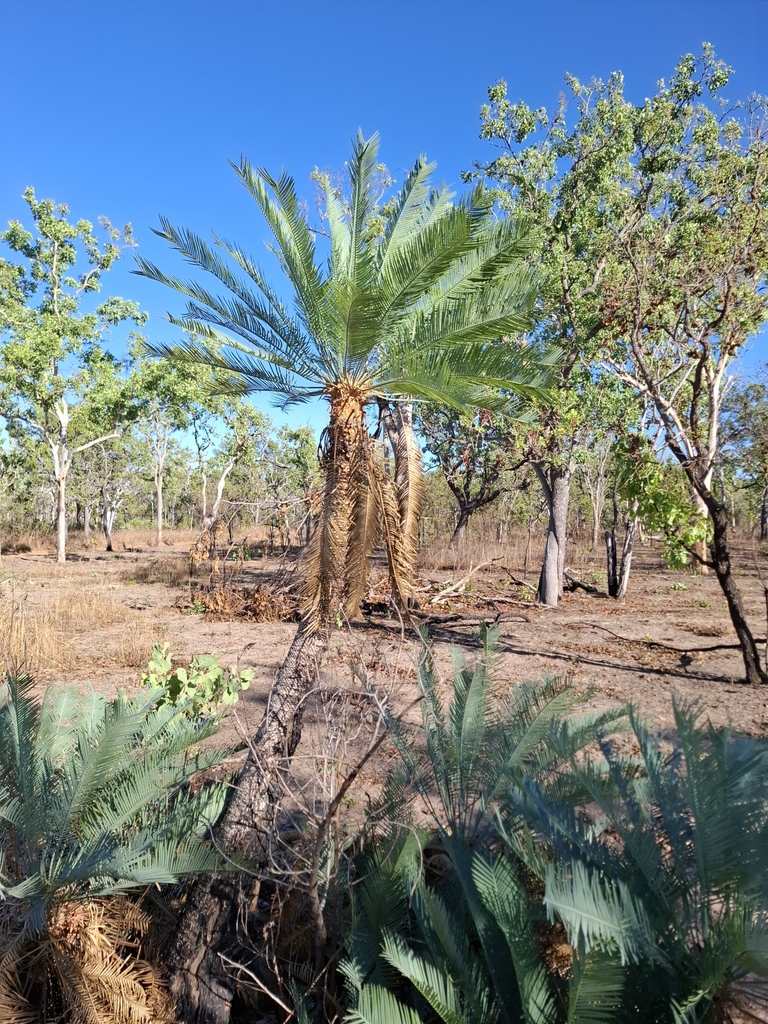
Cycas canalis subsp. canalis (Dorisvale Sago)
1. Introduction & Taxonomy
Cycas canalis subsp. canalis is a distinctive member of the genus Cycas, a dioecious gymnosperm whose lineage stretches back to the Permian period, predating both dinosaurs and flowering plants. Its natural range in Eucalyptus woodlands in the northern part of the Northern Territory in Australia provides important clues to its preferred growing conditions.
A magnificent, rather compact cycad with short, flat, blue leaves, native to Eucalyptus woodlands in the northern part of the Northern Territory in Australia.
Taxonomic Classification
Habitat and Distribution
Cycas canalis subsp. canalis is native to Eucalyptus woodlands in the northern part of the Northern Territory in Australia. This species inhabits environments typical of the Cycadaceae, from coastal scrub and rocky hillsides to subtropical woodlands and montane forests.
Botanical Note: The family Cycadaceae contains a single genus, Cycas, with approximately 115 species distributed across Asia, Australasia, and East Africa. Cycas is the oldest and most primitive genus of living cycads, distinguished by its megasporophylls (modified leaves bearing ovules) rather than true cones in female plants. Cycas revoluta, the Japanese sago palm, is the most widely cultivated cycad in the world. Despite their common name, cycads are not palms — they are gymnosperms more closely related to conifers and ginkgoes.
Native Range & Distribution Map
The map below shows the native range and notable cultivation regions for Cycas canalis subsp. canalis.
2. Biology & Morphology
Growth Form & Architecture
Cycas canalis subsp. canalis is a palm-like cycad that develops a stout, cylindrical caudex topped by a symmetrical crown of stiff, pinnate fronds. The caudex surface is typically covered with persistent leaf bases, creating the characteristic diamond or spiral pattern seen in many cycads.
Frond Morphology
Cycad fronds are typically pinnate (divided once into leaflets called pinnae), though Bowenia is unique in having bipinnate fronds. New fronds emerge from the central apex in a tight circinate vernation (coiled like a fiddlehead), often with a striking bronze, copper, or reddish color before hardening to green. Fronds are generally leathery and tough, adapted to resist herbivory and harsh conditions. In many species, the lower pinnae are reduced to spines along the petiole.
Reproduction
Cycads are gymnosperms ('naked seeds') that reproduce via cones (strobili), not flowers or spores. They are strictly dioecious — each individual plant is either male or female. Male cones produce pollen, while female cones bear ovules that develop into large, often brightly colored seeds after pollination. Pollination in cycads is primarily by beetles (entomophily), a relationship that has evolved over hundreds of millions of years. Some cycad species also use thermogenesis (heat production) to volatilize compounds that attract pollinators.
Coralloid Roots
A distinctive feature of all cycads is the presence of coralloid roots — specialized, coral-like root structures that harbor symbiotic cyanobacteria (blue-green algae). These cyanobacteria fix atmospheric nitrogen, providing the cycad with a natural fertilizer source. This adaptation allows cycads to thrive in nutrient-poor soils where other plants struggle.
Key Characteristics
- Height: 2-6m
- Growth Habit: Palm-like Cycad
- Growth Rate: Very Slow under optimal conditions
- Reproductive Type: Dioecious (separate male and female plants)
Anatomical Insight: Cycad caudices contain a large pith surrounded by a cylinder of vascular tissue and a thick cortex. Unlike true trees, cycads have very little secondary wood (xylem) and instead store large quantities of starch in their pith and cortex. This starchy core is why some cycads (e.g., Cycas revoluta, Encephalartos) have been used as food sources by indigenous peoples, though the raw material is highly toxic and requires extensive processing to remove cycasin and other harmful compounds.
Notable Adaptations
A defining feature of Cycas canalis subsp. canalis is its coralloid roots — specialised lateral roots that host colonies of nitrogen-fixing cyanobacteria (blue-green algae). This symbiotic relationship provides the plant with a supplementary nitrogen source, an adaptation that may contribute to cycads' ability to thrive in nutrient-poor soils.
3. Reproduction & Propagation
The primary propagation method for Cycas canalis subsp. canalis: Seeds.
Propagating Cycas canalis subsp. canalis
Propagation of Cycas canalis subsp. canalis is possible both from seed and from basal offsets. Seeds require a male plant for pollination — hand pollination is often necessary in cultivation, as the specialist beetle pollinators are absent outside the species' native range. Sow seeds fresh in a warm, well-drained medium; germination may take several months to over a year.
Cycad seeds are large, often colorful (red, orange, or yellow), and have a fleshy outer coat (sarcotesta) that attracts animal dispersers. Seeds germinate slowly, often taking 1-6 months or longer. Sow fresh seeds in a warm, moist, well-draining mix (perlite and peat or coarse sand). Remove the fleshy sarcotesta before sowing to reduce rot risk. Maintain temperatures of 25-30°C for optimal germination. Cycad seedlings grow extremely slowly — expect only 1-2 fronds per year in the early stages.
Vegetative Propagation
Some cycad species produce offsets (basal suckers) that can be separated and grown independently, though not all species do so reliably.
Cycad Life Cycle: Cycads are gymnosperms with a relatively simple reproductive cycle compared to flowering plants. Male cones produce vast quantities of pollen, which is typically transferred to female cones by specialized beetles. After pollination, seeds develop over many months (sometimes over a year). Both male and female plants must be present for seed production, and since cycads are slow to reach reproductive maturity (often 10-15+ years), patience is essential for breeders.
Propagation Tips: (1) Use only fresh seeds — cycad seed viability declines rapidly with age. (2) Remove the sarcotesta (fleshy seed coat) before sowing to prevent fungal rot. (3) Soak seeds in water for 24-48 hours before planting. (4) Bottom heat (25-30°C) significantly improves germination rates. (5) Be patient — some species take 3-12 months to germinate. (6) Once the first root (radicle) emerges, handle seedlings with care as cycad roots are brittle.
4. Cultivation Requirements
Cultivation of Cycas canalis subsp. canalis follows standard cycad practice: very well-drained, gritty soil (pumice, gravel, bark), full sun to partial shade, and restrained watering. Cycads are drought tolerant once established and rot quickly in waterlogged conditions. Feed sparingly with a balanced slow-release fertilizer in spring.
Soil / Substrate
Well-draining soil is absolutely essential for cycads. A mix of coarse sand or pumice (40%), pine bark (30%), perlite (20%), and a small amount of compost (10%) works well. Cycads are adapted to mineral-poor, rocky soils and will rot in heavy, water-retentive substrates. Slightly acidic to neutral pH (5.5-7.0) is ideal. In-ground plantings should be on raised beds or slopes to ensure excess water drains away from the caudex.
Watering
Cycads are drought-tolerant once established, but consistent moisture during the growing season promotes healthier growth and larger fronds. Water deeply but infrequently — allow the top few centimeters of soil to dry between waterings. Overwatering is the most common cause of cycad death — always err on the side of too dry rather than too wet. Reduce watering significantly in winter when growth slows.
Light Requirements
Most cycads thrive in full sun to bright partial shade. Cycas species generally perform best in full sun, which promotes compact, sturdy growth and larger cones. Young seedlings of all genera benefit from some shade protection.
Temperature
- Optimal Growth: 20–35°C (68–95°F)
- Minimum Tolerance: -5°C (23°F)
- USDA Hardiness: Zones 8-11
Humidity
Most cycads tolerate a wide range of humidity levels and are not as humidity-dependent as many tropical plants. Cycas species are generally tolerant of low humidity once established, making them excellent plants for Mediterranean and arid subtropical climates.
Fertilization
Cycads are slow feeders and require only moderate fertilization. Apply a balanced, slow-release fertilizer (low in phosphorus) in spring and summer. Organic fertilizers such as blood and bone meal work well. Avoid over-fertilizing, which can cause root burn and attract pests. The coralloid roots provide supplemental nitrogen through their cyanobacterial symbiosis.
Common Cultivation Mistake: Overwatering and poor drainage are the number one killers of cycads in cultivation. Unlike most tropical plants, cycads evolved to handle dry periods and their thick caudex stores water. A soggy, poorly draining substrate will cause root rot and caudex rot, which is often fatal. Always use a very free-draining mix and ensure pots have adequate drainage holes.
5. Diseases & Pests
The primary threats to Cycas canalis subsp. canalis in cultivation are scale insects (especially cycad aulacaspis scale), mealybugs, and root rot from overwatering. In tropical regions, cycad blue butterfly (Theclinesthes onycha or Chilades pandava) larvae can defoliate plants rapidly — inspect new leaf flushes carefully and remove caterpillars by hand.
Major Problems
Caudex (Crown) Rot
The most serious issue for cycads. Caused by overwatering, poor drainage, or fungal infection of the caudex apex. The growing point softens and turns mushy, often with a foul odor. Prevention is key — ensure excellent drainage and avoid water sitting in the crown. If caught early, rot can sometimes be treated by removing affected tissue, treating with fungicide, and allowing the wound to dry.
Root Rot
Caused by persistently wet soil conditions, especially in cold weather. Roots and coralloid roots turn dark and mushy. Improve drainage, reduce watering, and repot into a faster-draining mix. Treat with systemic fungicide.
Common Pests
- Scale Insects — The most significant pest of cycads worldwide. Aulacaspis yasumatsui (cycad aulacaspis scale) has devastated cycad populations globally. White, crusty encrustations on fronds, caudex, and roots. Treat with systemic imidacloprid or horticultural oil. Repeated treatments are necessary.
- Mealybugs — White, cottony masses in leaf bases and between pinnae. Treat with isopropyl alcohol, neem oil, or systemic insecticide.
- Cycad Weevils — Tranes spp. bore into caudices of Macrozamia and Lepidozamia; Antliarhinus zamiae attacks Encephalartos cones and caudices. Check regularly and treat with appropriate insecticides.
- Mites — Spider mites can affect indoor specimens in dry conditions. Increase humidity and treat with miticide or insecticidal soap.
Prevention: (1) Inspect new plants thoroughly before adding to your collection — scale is easily spread. (2) Quarantine new acquisitions for at least 2-3 weeks. (3) Maintain good air circulation around plants. (4) Avoid overwatering — most fungal issues stem from excess moisture. (5) Systemic insecticides applied preventively can protect against scale and weevils.
Additional Disease & Pest Considerations
In tropical and subtropical regions, cycad blue butterfly larvae (Chilades pandava in Asia, Theclinesthes onycha in Australia) can cause severe defoliation by feeding on soft, emerging leaves. Monitor new leaf flushes carefully and remove caterpillars by hand. In severe cases, apply Bacillus thuringiensis (Bt) spray to emerging growth.
6. Indoor Growing Guide
Cycas canalis subsp. canalis is well-suited to indoor cultivation, sharing the resilience to dry indoor conditions that makes Cycas species among the best houseplants in the cycad order. Bright, direct light is essential — a south-facing window or supplemental grow lighting produces the best results. Water only when the substrate is dry.
Container Selection
Use a sturdy container with excellent drainage — multiple drainage holes are essential. Terracotta or unglazed ceramic pots are ideal as they allow the substrate to dry evenly. Choose a pot that is only slightly larger than the root ball; cycads prefer being somewhat root-bound. A heavy pot also provides stability for top-heavy specimens.
Indoor Light
Bright, direct or indirect light — a south-facing or west-facing window is ideal for most cycads. Most cycads need as much light as possible indoors — insufficient light causes weak, elongated fronds. Supplement with full-spectrum grow lights during winter months in northern latitudes.
Humidity & Air Circulation
Most cycads are tolerant of average indoor humidity (40-60%). Good air circulation is more important than high humidity for preventing fungal issues. Avoid misting the crown directly, as trapped moisture can cause rot.
Seasonal Indoor Care
- Spring: Resume regular watering and begin fertilizing as new frond growth appears. This is the best time to repot if needed.
- Summer: Peak growing season. Water when the top layer of soil dries. Consider moving the plant outdoors to a sunny position for the season.
- Autumn: Reduce watering and stop fertilizing as growth slows. Bring outdoor plants inside before first frost.
- Winter: Water sparingly — cycads are semi-dormant and need very little moisture. Keep in the brightest position available. Avoid cold draughts.
Indoor Success Key: Light is the single most important factor for indoor cycad success. Cycads that receive insufficient light produce weak, floppy, elongated fronds and are more susceptible to pests and disease. If you cannot provide a very bright windowsill, supplement with grow lights. Also, always err on the side of underwatering rather than overwatering.
Species-Specific Indoor Tips
Cycas species are among the most forgiving indoor cycads, tolerating lower light levels and drier air than many genera. However, Cycas canalis subsp. canalis will produce its best growth with maximum light exposure. Avoid placement near heating vents, which can cause rapid drying of the leaf tips. Rotate the pot quarterly to ensure even growth development. Feed sparingly during the growing season with a balanced liquid fertilizer diluted to half strength. Overfeeding can cause leaf burn in these slow-growing plants. Flush the soil occasionally to prevent salt buildup.
7. Landscape Use & Design
In landscape design, Cycas canalis subsp. canalis serves as a premier architectural specimen, providing the stiff, pinnate foliage and sculptural trunk form that defines prehistoric-themed and Mediterranean-style gardens.
Design Applications
- Architectural Specimen: A mature cycad is one of the most striking structural plants for any garden. The symmetrical crown of stiff fronds atop a rugged caudex creates a living sculpture.
- Prehistoric/Jurassic Garden: Cycads are the quintessential plants for creating a prehistoric garden theme — combine with tree ferns, Wollemi pines, and Ginkgo for an authentic ancient landscape.
- Xeric/Mediterranean Garden: Most cycads are drought-tolerant once established, making them ideal for water-wise landscaping alongside succulents, palms, and other xerophytes.
- Container Feature: Cycads in decorative pots make stunning patio, courtyard, or entrance features. Their slow growth means they remain in scale for many years.
Companion Planting
Create stunning compositions by pairing with:
- Palms — complementary tropical silhouettes at different scales
- Tree Ferns (Cyathea, Dicksonia) — recreate a Mesozoic landscape
- Succulents & Aloes — textural contrast in dry gardens
- Agaves & Yuccas — dramatic architectural partners in xeric themes
- Ornamental Grasses — soft textures to contrast cycad rigidity
- Ground Covers (Dymondia, Dichondra) — low carpet beneath cycad specimens
Design Principle: Cycads are living sculptures — treat them as you would a piece of garden art. Give each specimen enough space for the crown to develop fully without competition. A single well-placed cycad can anchor an entire garden bed. Use contrasting textures (fine grasses, broad-leaved perennials) to highlight the cycad's bold, geometric form. Under-plant with low-growing species that will not compete for the spotlight.
Species-Specific Design Ideas
Combine Cycas canalis subsp. canalis with complementary architectural plants for a cohesive prehistoric or Mediterranean garden theme: palms (Trachycarpus, Chamaerops) for vertical accent, agaves and aloes for bold rosette forms, ornamental grasses for textural contrast, and low-growing succulents as groundcover. This layered approach creates a landscape of enduring structural interest.
8. Cold Climate Strategies
Cycas canalis subsp. canalis can be cultivated in temperate climates with proper winter management. Options include protecting in-ground plants with dry mulch and waterproof crown covers, or growing in containers that can be moved indoors. Minimum survival temperature is approximately 2°C (36°F).
Hardiness Thresholds
- USDA Zones: 8-11
- Minimum Survival Temperature: -5°C (23°F)
Overwintering Options
- Crown Protection: In marginal climates, protect the crown (growing point) with a wrap of horticultural fleece or burlap. Stuff the crown with straw or dry leaves to insulate the apex from frost. This is the most critical area to protect.
- In-Ground Protection: Apply a thick mulch (15-20 cm) around the base of the caudex. In severe frost, wrap the entire caudex with insulating material. Ensure the crown stays dry — wet cold is far more damaging than dry cold.
- Container Culture: For less hardy species, container growing allows you to move plants to shelter during winter. An unheated garage, conservatory, or greenhouse with temperatures above 5°C is ideal for overwintering.
- Microclimate Selection: Plant near south-facing walls, under eaves, or in courtyards where reflected heat and wind protection create milder conditions. Raised beds also improve drainage and keep roots drier in winter.
Winter Survival Rule: Protect the crown at all costs. Like tree ferns, cycads have a single apical growing point — if this freezes, the plant dies. The caudex itself is more resilient than the crown. Wet, cold conditions are more lethal than dry cold; good drainage is as important as temperature protection. Some species (Cycas revoluta) have proven surprisingly cold-hardy in cultivation with proper protection.
Additional Winter Protection
The slow metabolism of cycads means they are less affected by reduced light during winter overwintering than fast-growing tropical plants. A bright, unheated room or cool conservatory provides adequate winter quarters for most cycad species.
9. Ethnobotany & Cultural Significance
The genus Cycas holds particular importance in Asian garden culture, where species have been cultivated as prized ornamentals for centuries. In Japanese garden design, cycads symbolise longevity and endurance. The processed starch from Cycas revoluta caudices provided famine food in historical periods. The cultural significance of Cycas canalis subsp. canalis reflects this deep tradition. As the most endangered order of plants globally, cycads face an uncertain future. The combination of extremely slow growth, habitat loss, and illegal collection has pushed many species toward extinction. Growing Cycas canalis subsp. canalis from legally sourced seed contributes to ex-situ conservation while providing the grower with a genuinely ancient botanical experience. All parts of cycads contain cycasin, a potent hepatotoxin and carcinogen. Cycad material is toxic to humans, dogs, cats, and livestock if ingested. The attractively coloured seeds pose a particular risk to pets and children. Exercise appropriate caution in gardens where animals or young children have access.
Conservation Note: Cycads are among the most threatened plant groups on Earth. All cycad species are listed under CITES (Convention on International Trade in Endangered Species), with many species critically endangered due to habitat loss and illegal collection. Cycads are living fossils, with a lineage stretching back approximately 280 million years to the Permian period. By growing Cycas canalis subsp. canalis from legally sourced material, you contribute to the ex-situ conservation of these ancient and irreplaceable plants.
Frequently Asked Questions
How fast does Dorisvale Sago grow?
Cycas canalis subsp. canalis, like all cycads, grows extremely slowly. Annual caudex growth may be measured in millimetres, and a seedling can take 10–20 years or more to reach reproductive maturity. This slow growth rate makes cycads exceptionally long-lived — individual plants can persist for hundreds of years.
How do I tell if my Dorisvale Sago is male or female?
Cycads are strictly dioecious — each plant is either male or female, genetically determined. The only reliable way to identify sex is when the plant produces a cone. Male cones are typically elongated and produce pollen, while female cones are shorter, broader, and produce ovules (seeds when pollinated). In Cycas, cone shape differences are usually distinctive once you have seen both sexes.
Is Dorisvale Sago toxic?
Yes. All parts of Cycas canalis subsp. canalis contain cycasin, a potent hepatotoxin and carcinogen. Ingestion is dangerous for humans, dogs, cats, horses, and other animals. The colourful seeds are particularly attractive and hazardous. Cycad poisoning in dogs (from chewing seeds or leaves) can cause liver failure and death. Keep cycads away from pets and young children.
How cold-hardy is Dorisvale Sago?
Cycas canalis subsp. canalis is estimated to be hardy in USDA zones 10-12, with a minimum survival temperature of approximately 2°C (36°F). Standard cycad cold protection applies: keep the crown dry during winter, mulch the base, and consider container culture with indoor overwintering in colder regions.
Can Dorisvale Sago be grown indoors?
Yes, Cycas canalis subsp. canalis is well-suited to indoor cultivation. Cycads tolerate dry indoor air better than most tropical plants, and their slow growth keeps them manageable for years. Provide the brightest available light (south-facing window or grow lights), use a very well-draining gritty potting mix, and water sparingly — allow the substrate to dry between waterings.
How often should I water Dorisvale Sago?
Cycads are drought-tolerant once established and rot easily if overwatered. In containers, water thoroughly and then allow the substrate to dry significantly before watering again. In the ground, established cycads in well-drained soil may need supplemental water only during prolonged dry periods. Reduce watering in winter when growth slows. The most common cause of cycad death in cultivation is root rot from overwatering.
Why are cycads expensive?
Cycad prices reflect their extremely slow growth — a plant that takes 15 years to reach saleable size inherently costs more to produce than one grown in a single season. Additionally, cycads are dioecious (needing both sexes for seed), many species are CITES-listed with trade restrictions, and collector demand for rare species is strong.
What soil does Dorisvale Sago need?
Very well-draining, gritty soil is essential. A mix of 50% inorganic material (pumice, perlite, coarse gravel) and 50% organic (bark fines, coir, quality compost) provides the drainage and aeration cycads demand. Heavy clay or consistently moist soils cause root rot. Cycads are slow feeders — apply slow-release fertilizer sparingly in spring.
Summary & Key Takeaways
Cycas canalis subsp. canalis is a distinctive member of the genus Cycas, native to Eucalyptus woodlands in the northern part of the Northern Territory in Australia. Hardy to approximately 2°C (36°F) (USDA zones 10-12), it can be grown in suitable temperate climates with appropriate winter protection. Like all cycads, it is extremely slow-growing, dioecious, and contains toxic cycasin in all plant parts.
Key Points to Remember:
- Propagation: Seeds or offsets
- Light: Full sun to bright partial shade
- Substrate: Extremely well-draining; coarse sand, pumice, bark mix
- Watering: Deep but infrequent — allow to dry between waterings; drought-tolerant once established
- Hardiness: USDA Zones 8-11, minimum -5°C (23°F)
- Key Threat: Scale insects (especially Aulacaspis yasumatsui) and overwatering / root rot
- Conservation: All cycads are CITES-listed; many are critically endangered living fossils