Remusatia hookeriana: Complete Care & Growing Guide for Aroid Enthusiasts & Collectors.
Remusatia hookeriana
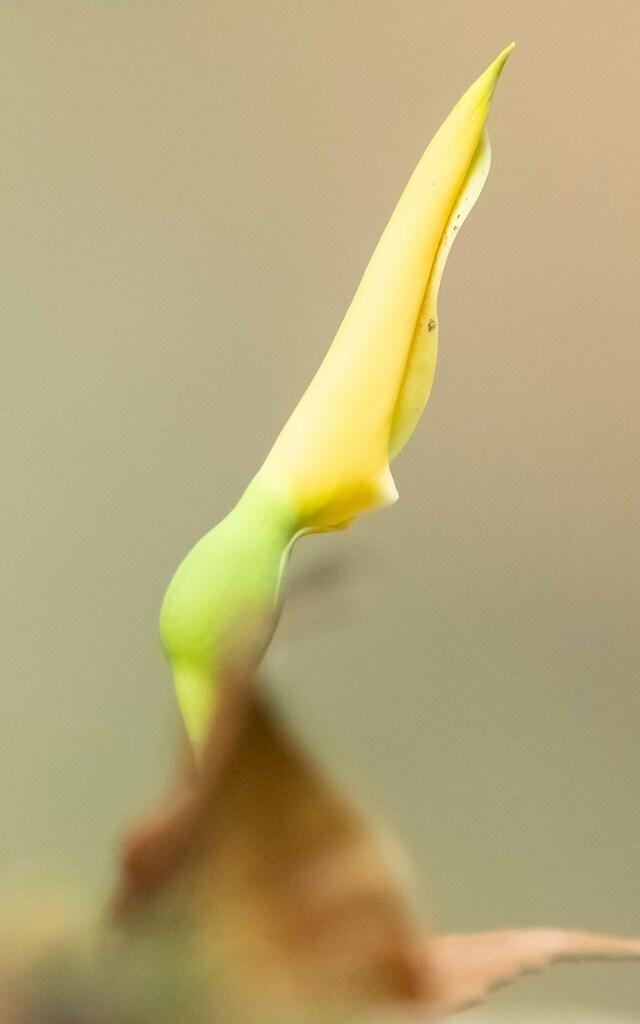
Remusatia hookeriana (Source: inaturalist)
1. Introduction & Taxonomy
The Araceae is one of the most species-rich and morphologically diverse plant families, and Remusatia hookeriana exemplifies this variety with its own unique combination of foliage, inflorescence, and ecological adaptation. Its natural range in undergrowth of mountain forests in the Himalayas to 2400 m provides important clues to its preferred growing conditions. Remusatia hookeriana is notable for its underground tuber that stores energy during dormancy.
This delightful, small, often epiphytic aroid is native to the undergrowth of mountain forests in the Himalayas to 2400 m (7900 ft.) between Nepal and Indo-China. It is easily reproduced by bulbils and forms mats of creeping rhizomes that in spring give rise to small, heart-shaped leaves that are purplish below. Perfect as a ground cover for temperate climates in USDA Zones 8 to 10.
Taxonomic Classification
Habitat and Distribution
Remusatia hookeriana is native to undergrowth of mountain forests in the Himalayas to 2400 m. This species inhabits diverse environments typical of the aroid family, from tropical rainforest understories to montane cloud forests.
Botanical Note: The family Araceae (aroids) is one of the largest monocot families, comprising over 3,750 species across 144 genera. Aroids are defined by their unique inflorescence: a fleshy spike (spadix) bearing tiny flowers, surrounded by a modified leaf (spathe). This family includes some of the most popular houseplants (Monstera, Philodendron, Pothos) as well as important food crops (taro, Colocasia esculenta) and the plant with the world’s largest unbranched inflorescence (Amorphophallus titanum).
Native Range & Distribution Map
The map below shows the native range and notable cultivation regions for Remusatia hookeriana.
2. Biology & Morphology
Growth Form & Architecture
Remusatia hookeriana grows as an epiphyte (or occasionally lithophyte), perching on tree branches or rock surfaces in its native habitat. Its root system is adapted for clinging to substrates and absorbing moisture from humid air and organic debris.
Leaf Morphology
The leaves of Remusatia hookeriana are heart-shaped (cordate). Like all aroids, new leaves emerge rolled or folded from a protective cataphyll, gradually unfurling to reveal the full lamina.
Inflorescence Structure
The inflorescence is the hallmark of the aroid family: a central spadix bearing densely packed, tiny flowers, enclosed or subtended by a spathe (a modified bract). In Remusatia, the spathe can be highly ornamental and varies from subtle green to dramatically coloured.
Key Characteristics
- Height: 0.3-1m
- Growth Habit: Tuberous / Epiphytic
- Growth Rate: Moderate under optimal conditions
Anatomical Insight: Unlike bananas (Musaceae) which form pseudostems from leaf sheaths, aroids have true stems — though these may be underground (tubers, corms, rhizomes), creeping (stolons), or climbing (with aerial roots). The calcium oxalate raphides (needle-shaped crystals) found in most aroid tissues serve as a defence against herbivory and can cause skin irritation in humans.
Notable Adaptations
The tissues of Remusatia hookeriana are laden with raphides — microscopic needle-shaped crystals of calcium oxalate that deter herbivores. When plant cells are ruptured by chewing, these crystals penetrate mucous membranes, causing intense burning and swelling. The underground tuber of Remusatia hookeriana serves as both a storage organ and a survival structure. During dormancy, the tuber sustains the plant through adverse conditions, fuelling rapid regrowth when warmth and moisture return.
3. Reproduction & Propagation
The primary propagation methods for Remusatia hookeriana: Division, offsets, or seed.
Propagating Remusatia hookeriana
The unique bulbil dispersal mechanism of Remusatia hookeriana makes propagation remarkably easy. Bulbils can be collected and planted at any time during the growing season. Tuber division and seed are also viable but less commonly used.
Seeds should be sown fresh for best results, as aroid seeds generally do not tolerate drying.
Vegetative Propagation
- Division: Separate offsets or split rhizomes during the growing season, ensuring each division has roots and at least one growth point
- Stem Cuttings: For climbing species — cut below a node with an aerial root, root in moist sphagnum at 22–28°C
Aroid Pollination Biology: Many aroid species are protogynous — the female flowers on the spadix mature before the males, promoting cross-pollination. Some genera (notably Amorphophallus and Arisaema) produce heat and volatile compounds to attract fly pollinators.
Propagation Tips: (1) Aroid seeds must be sown fresh — viability drops rapidly with storage. (2) Use sterile, well-draining substrate (perlite, sphagnum, or vermiculite). (3) Maintain warmth (22–28°C) and high humidity. (4) Many aroids can be propagated in water initially, then transferred to soil. (5) Wear gloves when handling cut stems — calcium oxalate sap causes skin irritation.
4. Cultivation Requirements
Remusatia hookeriana performs best in humus-rich, well-drained soil with a slightly acidic to neutral pH (5.5–7.0). Good drainage is critical — tuberous aroids are extremely susceptible to rot in waterlogged conditions. Partial shade mimics the dappled forest-floor light of its native habitat. Maintain humidity above 60% for optimal growth. Mist foliage regularly in dry conditions, but ensure good air circulation to prevent fungal issues. A digital hygrometer is invaluable for monitoring conditions. Remusatia hookeriana tolerates cooler conditions than most aroids. Provide 10–28°C during the growing season; it can survive brief dips to near freezing when dormant. Aroids are moderate feeders. Apply a balanced slow-release fertiliser at the start of the growing season, supplemented with fortnightly liquid feeds during peak growth.
Soil / Substrate
Use a chunky, well-aerated mix: orchid bark (40%), perlite (30%), peat or coir (20%), charcoal (10%). The key is excellent drainage and air circulation around the roots.
Watering
Maintain consistent moisture during active growth. Most aroids prefer evenly moist (not soggy) soil. Allow the top 2-3 cm to dry between waterings to prevent root rot.
Light Requirements
Bright indirect light is ideal. Most aroids are understory plants adapted to dappled shade. Avoid direct afternoon sun which can scorch leaves. Many climbing aroids develop larger, more mature leaves when given a support to climb toward the light.
Temperature
- Optimal Growth: 18–28°C (65–82°F)
- Minimum Tolerance: -15°C (5°F)
- USDA Hardiness: Zones 7-10
Humidity
Most aroids thrive at 60–80% relative humidity. Low humidity causes brown leaf tips, reduced growth, and increased pest susceptibility. Use humidifiers, pebble trays, or group plants together to create a favourable microclimate.
Fertilization
Feed with a balanced liquid fertilizer (NPK 20-20-20) every 2–4 weeks during the growing season. Reduce or stop feeding during dormancy or winter. Calcium and magnesium supplements can prevent common deficiencies.
Common Cultivation Mistake: Overwatering is the number one killer of aroids in cultivation. Ensure containers have adequate drainage holes and never allow pots to sit in standing water (except for truly aquatic species). Root rot from Pythium and Phytophthora is often fatal before symptoms are visible above soil level.
Monthly Care Calendar
Use this visual guide for seasonal care timing. Intensity levels indicate how much attention each task requires.
5. Diseases & Pests
Remusatia hookeriana is susceptible to the standard suite of aroid diseases: Pythium and Phytophthora root rots, Erwinia bacterial soft rot, and various fungal leaf spots. Good cultural practices — proper drainage, adequate air circulation, and avoidance of overhead watering — prevent most problems.
Major Diseases
Bacterial Soft Rot (Erwinia / Pectobacterium)
The most devastating aroid disease. Bacteria liquefy plant tissue, causing mushy, foul-smelling collapse of stems, petioles, and tubers. Spreads rapidly in warm, wet conditions. Prevention: avoid overwatering, ensure drainage, sterilize tools. Infected tissue must be removed immediately and destroyed.
Root and Tuber Rot (Pythium, Phytophthora)
Oomycete pathogens that thrive in waterlogged substrates. Symptoms include wilting despite moist soil, yellowing leaves, and brown/black roots. Use well-draining media and allow appropriate drying between waterings.
Anthracnose (Colletotrichum)
Fungal leaf spots with dark margins, often with concentric rings. Common in humid conditions with poor air circulation. Remove affected leaves and improve ventilation.
Common Pests
- Spider Mites — Thrive in dry conditions; cause stippled, bronzed foliage. Increase humidity and apply miticides.
- Mealybugs — White, cottony masses in leaf axils and on stems. Treat with isopropyl alcohol or systemic insecticide.
- Thrips — Cause silvery streaks on leaves. Particularly problematic on Anthurium and Monstera.
- Scale Insects — Brown or white bumps on stems and leaf undersides. Scrape off manually or treat with horticultural oil.
- Fungus Gnats — Larvae feed on roots in overly moist substrate. Allow topsoil to dry and use yellow sticky traps.
Integrated Pest Management: (1) Quarantine all new plants for 2–4 weeks. (2) Inspect regularly — early detection is key. (3) Maintain optimal humidity (60–80%) to deter mites. (4) Use sterile potting media. (5) Sterilize cutting tools between plants with 70% isopropyl alcohol. (6) Neem oil is effective as both preventive and treatment for most soft-bodied pests.
Additional Disease & Pest Considerations
Mealybugs and scale insects are common on aroids, hiding in leaf axils, under leaves, and along stems. Inspect regularly and treat with isopropyl alcohol on a cotton swab for small infestations, or systemic insecticide for heavier attacks. Biological control with Cryptolaemus montrouzieri (mealybug destroyer) is effective in warm conditions.
6. Indoor Growing Guide
Indoor cultivation of Remusatia hookeriana is feasible in bright, warm, humid conditions. Supplement natural light with full-spectrum LED grow lights during winter months for best results.
Container Selection
Select a pot with drainage holes sized appropriately for the root mass. Oversized pots retain excess moisture and increase rot risk.
Indoor Light
Most aroids are understory plants and thrive in bright, indirect light. A north- or east-facing window (Northern Hemisphere) is typically ideal. Supplement with grow lights during winter — full-spectrum LEDs for 12–14 hours daily make a dramatic difference in growth quality.
Humidity & Air Circulation
Indoor humidity of 50–70% is adequate for most species; 70–80% is optimal. Central heating and air conditioning can drop humidity below 30%, causing brown leaf tips, reduced growth, and pest vulnerability. Use humidifiers, group tropical plants together, or grow in a bathroom with natural light.
Seasonal Indoor Care
- Spring: Resume regular feeding and increase watering. Repot if root-bound.
- Summer: Peak growth — water consistently, feed every 2 weeks, consider moving outdoors to a shaded spot
- Autumn: Reduce feeding. Growth slows; reduce watering frequency.
- Winter: Minimal growth — water sparingly, stop fertilizing. Watch for spider mites in dry heated rooms.
Indoor Success Key: The combination of bright indirect light, consistent humidity above 55%, and well-draining substrate covers 90% of indoor aroid success. If your plant is struggling, address these three factors before anything else.
Species-Specific Indoor Tips
Clean leaves regularly with a damp cloth to remove dust, maximise photosynthesis, and discourage spider mites. Rotate the pot quarterly to ensure even growth. Group tropical aroids together to create a beneficial humidity microclimate.
7. Landscape Use & Design
In tropical and subtropical landscapes, Remusatia hookeriana makes an excellent ground-cover or understory accent. Its spreading habit fills gaps between larger structural plants, creating a layered, naturalistic planting.
Design Applications
- Tropical Border: Combine with bananas, heliconias, gingers, and tree ferns for layered jungle texture
- Shade Garden: Most aroids thrive in dappled shade — perfect for underplanting beneath palms or large trees
- Water Feature: Plant near water features for a lush, tropical atmosphere
- Container Feature: Large decorative pots on patios and terraces allow flexible placement
- Vertical Interest: Use upright species as structural accents in mixed plantings
Companion Planting
Create stunning tropical compositions by pairing with:
- Banana species (Musa, Ensete) — dramatic height and complementary bold foliage
- Tree Ferns (Dicksonia, Cyathea) — structural understory contrast
- Bromeliads — colourful rosettes at ground level
- Orchids — epiphytic companions on shared supports
- Hardy Gingers (Hedychium) — fragrant flowers and lush foliage
- Begonias — shade-loving foliage contrast
Design Principle: Aroids provide some of the boldest foliage textures available to gardeners. Use them to create layered depth — large-leaved species (Alocasia, Xanthosoma) as backdrop, mid-sized species (Philodendron, Anthurium) in the middle ground, and compact species (Aglaonema, Spathiphyllum) at the front.
Species-Specific Design Ideas
For maximum tropical effect, create layered plantings with Remusatia hookeriana as a structural element, surrounded by Hedychium (ginger lily), Canna, Strelitzia, and ornamental grasses for textural contrast. Mulch heavily with organic matter for moisture retention and a finished appearance.
8. Cold Climate Strategies
The highland origin of Remusatia hookeriana confers greater cold hardiness than most tropical aroids. With the rootstock protected by deep mulching, it can be grown outdoors in USDA zones 7-10. Excellent drainage is essential — cold combined with waterlogging is fatal.
Hardiness Thresholds
- USDA Zones: 7-10
- Minimum Survival Temperature: -15°C (5°F)
Overwintering Options
- Container Culture: Move potted plants indoors to a bright, cool location (12-18°C). Reduce watering significantly.
- Heavy Mulch (borderline zones): Apply 15–30 cm of dry mulch over the crown/tuber zone after the first frost. Cover with waterproof material to prevent moisture saturation.
- Greenhouse: An unheated or minimally heated glasshouse provides ideal winter protection for tender aroids.
- Indoor Windowsill: Many compact aroids thrive year-round on bright windowsills, making cold protection unnecessary.
Winter Survival Rule: Cold + wet = death. This applies to aroids even more than to bananas. Tubers and rhizomes that sit in cold, waterlogged soil rot rapidly. Ensure excellent drainage above all else when overwintering aroids outdoors.
Additional Winter Protection
In borderline zones, a cloche or cold frame placed over the dormant crown provides excellent protection from the combination of cold rain and frost that kills more aroids than cold alone. In all cases, excellent drainage is more important than any amount of insulation. A well-drained, dry root zone can survive significantly colder temperatures than a waterlogged one. Amend heavy clay soils with grit and organic matter before planting.
9. Ethnobotany & Cultural Significance
While specific ethnobotanical records for Remusatia hookeriana are limited, the family Araceae has deep significance across tropical cultures. Aroid corms and tubers serve as staple foods for millions, while the dramatic inflorescences and bold foliage have inspired horticultural traditions worldwide. Wild populations of Remusatia hookeriana, like many aroid species, face increasing pressure from habitat destruction, agricultural expansion, and overcollection for the horticultural trade. Responsible sourcing and propagation from cultivated stock are essential for conservation.
Conservation Note: Many aroid species face increasing pressure from habitat destruction, over-collection, and climate change. Cultivating diverse aroid species in gardens and collections contributes to ex-situ conservation. By growing Remusatia hookeriana, you help maintain the genetic diversity of this remarkable plant family.
Frequently Asked Questions
How big does Remusatia hookeriana get?
Specific size data for Remusatia hookeriana is limited. As a member of Remusatia, expect growth patterns typical of the genus.
How cold-hardy is Remusatia hookeriana?
Remusatia hookeriana is estimated to be hardy in USDA zones 7-10, with a minimum survival temperature of approximately -15°C (5°F). Good drainage and dry mulch protection improve cold survival significantly.
Is Remusatia hookeriana toxic to pets and children?
Yes. Like virtually all aroids, Remusatia hookeriana contains calcium oxalate crystals (raphides) throughout its tissues. Chewing any part of the plant causes intense burning and swelling of the mouth and throat. Keep away from children, cats, and dogs. Handling may cause skin irritation in sensitive individuals — wear gloves when pruning or repotting.
Can Remusatia hookeriana be grown indoors?
Remusatia hookeriana can be grown indoors with adequate light and humidity. Provide the brightest indirect light available and maintain humidity above 60%.
How do you propagate Remusatia hookeriana?
Tuber division is the most reliable method. Divide dormant tubers ensuring each section has a growth eye. Dust cut surfaces with fungicide. Seed is also viable but requires fresh seed and specific germination conditions for the genus.
How often should I water Remusatia hookeriana?
Water Remusatia hookeriana when the top 2–3 cm of substrate has dried. Aroids generally prefer consistently moist (not waterlogged) conditions during active growth. Reduce watering in winter or during dormancy. Never allow the roots to sit in standing water.
Why are the leaves of Remusatia hookeriana turning yellow?
Yellow leaves on Remusatia hookeriana typically indicate overwatering, root rot, insufficient light, or nutrient deficiency. Check the roots: healthy aroid roots are white or light tan; brown, mushy roots indicate rot. Improve drainage, reduce watering, and ensure adequate light.
What soil does Remusatia hookeriana need?
A well-draining, moisture-retentive mix suits most aroids. For epiphytic types: orchid bark, perlite, and sphagnum. For terrestrial types: peat/coir, perlite, and compost. For tuberous types: loam, leaf mould, and coarse sand. Good drainage is critical — waterlogging is the primary cause of aroid death.
Summary & Key Takeaways
Remusatia hookeriana is a distinctive member of the genus Remusatia, native to undergrowth of mountain forests in the Himalayas to 2400 m, notable for a tuberous rootstock. It shows meaningful cold tolerance (USDA zones 7-10, minimum -15°C (5°F)), making it suitable for cultivation in warm temperate climates with winter protection.
Key Points to Remember:
- Propagation: Division/seed
- Light: Bright indirect light (most aroids are understory plants)
- Substrate: Well-draining, rich in organic matter
- Humidity: 60-80% for optimal growth
- Hardiness: USDA Zones 7-10, minimum -15°C (5°F)
- Key Threat: Overwatering and root rot — drainage is paramount