Agave simplex: Complete Care & Growing Guide - Complete Agave & Yucca Growing Guide
Agave simplex
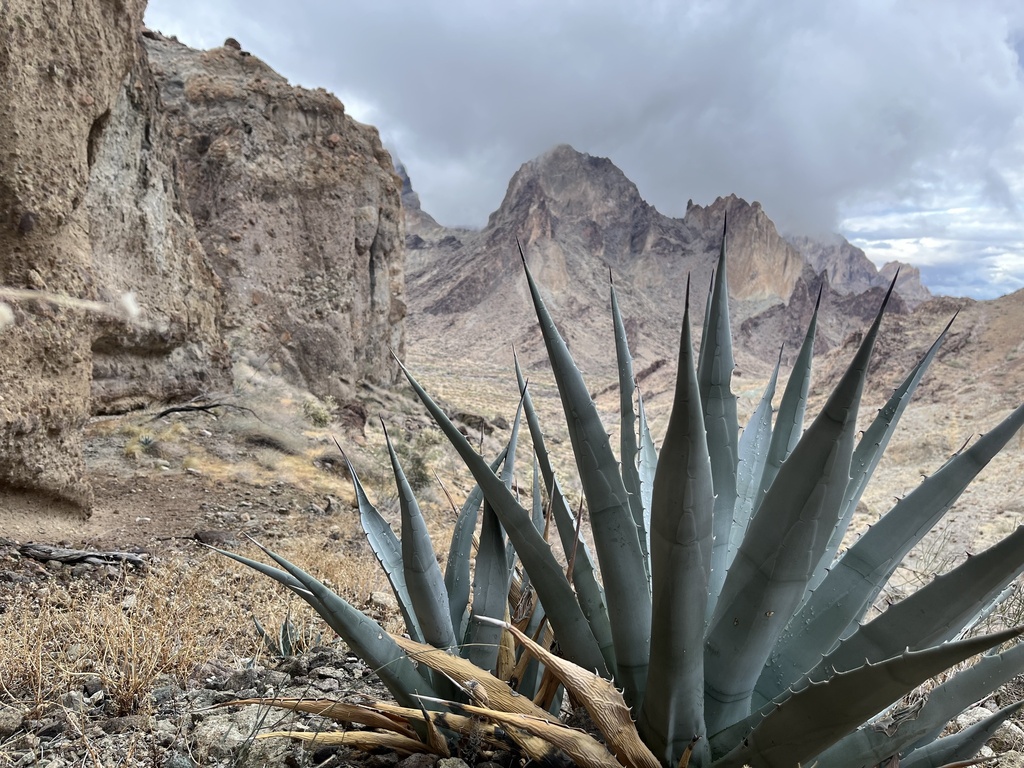
Agave simplex
1. Introduction & Taxonomy
Agave simplex (Asparagaceae, order Asparagales) is a rosette plant native to arid regions of the Americas. Agave simplex is notable for exceptional drought tolerance.
Agave is a genus of plants. Agave is a genus of monocots native to the arid regions of the Americas. The genus is primarily known for its succulent and xerophytic species that typically form large rosettes of strong, fleshy leaves.
Taxonomic Classification
Habitat and Distribution
Agave simplex is native to arid regions of the Americas. This species is adapted to arid and semi-arid environments and is valued for its architectural form, drought tolerance, and cultural significance.
Botanical Note: The genus Agave contains about 270 species of succulent rosettes native to the Americas, with the greatest diversity in Mexico. Many are monocarpic, flowering once after years or decades of growth, then dying after setting seed. Agaves are of immense economic importance as the source of tequila, mezcal, pulque, sisal fiber, and agave syrup.
Native Range & Distribution Map
The map below shows the native range and notable cultivation regions for Agave simplex.
2. Biology & Morphology
Growth Form & Architecture
Agave simplex forms a symmetrical rosette of thick, succulent leaves, often armed with marginal teeth and a sharp terminal spine. Most agaves are monocarpic — after years or decades of vegetative growth, they produce a single, massive flower spike (sometimes 6–12 m tall) bearing thousands of flowers, then the rosette dies. Before dying, most species produce offsets (pups) and/or bulbils to ensure survival.
Water Conservation Strategies
Plants in this group have evolved notable strategies for surviving in arid environments. Thick, succulent leaves store water reserves. Waxy cuticles and sunken stomata reduce evaporation. CAM (Crassulacean Acid Metabolism) photosynthesis — opening stomata only at night — dramatically reduces water loss compared to conventional C3 plants.
Key Characteristics
- Height: 1-2m
- Growth Habit: Succulent Rosette
- Growth Rate: Slow under optimal conditions
- Foliage: Evergreen succulent
Desert Adaptation: Agaves, yuccas, and their relatives are among the most drought-tolerant plants on Earth. Their architectural forms, water-storing tissues, and efficient photosynthetic pathways make them ideally suited to xeriscaping and low-water gardens in an era of increasing water scarcity.
3. Reproduction & Propagation
The primary propagation method for Agave simplex: Seeds and offsets/pups.
Seed Propagation
Seeds of Agave simplex should be sown on a well-draining mix of 50% pumice/perlite and 50% seed compost. Press seeds gently onto the surface but do not cover deeply. Maintain at 20–25°C and keep slightly moist. Germination typically occurs within 1–4 weeks. Agaves grow slowly from seed — most species take 5–15+ years to reach flowering size.
Vegetative Propagation
- Offsets/Pups: Many agave-family plants produce basal offsets that can be separated from the parent plant. Allow the cut surface to dry for several days before planting in dry, well-draining mix.
- Bulbils: Some agaves and furcraeas produce bulbils (plantlets) on their flower spikes. These can be detached and planted directly.
- Stem Cuttings: Dracaenas, cordylines, and yuccas can be propagated from stem sections. Cut into 15–30 cm lengths, allow to callus, and plant vertically in sandy mix.
Propagation Tips: (1) Always allow cut surfaces to dry and callus before planting to prevent rot. (2) Use extremely well-draining substrate (50%+ mineral content). (3) Water sparingly until roots establish. (4) Bottom heat (20–25°C) improves rooting success. (5) Protect young plants from intense sun until established.
4. Cultivation Requirements
Soil / Substrate
Extremely well-draining, mineral-rich substrate is essential. Use a mix of 50–70% mineral components (pumice, perlite, coarse sand, crushed granite) with 30–50% organic matter. Many collectors use pure mineral substrate. pH 6.0–8.0. Raised beds improve drainage in areas with heavy soil.
Watering
Water very sparingly. These desert plants are adapted to long periods without rain. Allow the substrate to dry completely between waterings. Overwatering is by far the most common cause of death. In winter, reduce watering to near zero for most species.
Light Requirements
Full sun is essential for most species. At least 6–8 hours of direct sunlight daily for optimal growth and coloring.
Temperature
- Optimal Growth: 15–35°C (59–95°F)
- Minimum Tolerance: -5°C (23°F)
- USDA Hardiness: Zones 9-12
Fertilization
Most desert species require minimal feeding. A light application of balanced, slow-release fertilizer in spring is sufficient. Avoid high-nitrogen fertilizers which promote soft, weak growth susceptible to rot and cold damage.
Critical Cultivation Rule: For agaves, yuccas, and their relatives, drainage is everything. These plants can survive extreme drought, heat, and cold — but they cannot survive sitting in wet soil. If in doubt, water less. A plant that looks slightly thirsty is far healthier than one with rotting roots.
5. Diseases & Pests
No major disease issues reported for Agave simplex. Good drainage prevents most problems.
Major Problems
Root & Crown Rot
The most common cause of death in agaves and their relatives. Waterlogged soil, poor drainage, and overhead watering create ideal conditions for Phytophthora and bacterial rot. Symptoms: soft, mushy base; yellowing outer leaves; foul smell. Prevention: ensure perfect drainage and avoid water sitting in the crown.
Agave Snout Weevil (Scyphophorus acupunctatus)
A devastating pest of agaves and related plants. Adult weevils bore into the heart of the plant, introducing bacteria that cause fatal rot. By the time symptoms are visible, the plant is usually beyond saving. Prevention: apply systemic insecticide (imidacloprid) preventively to at-risk specimens.
Common Pests
- Scale Insects & Mealybugs — Sap-sucking insects that shelter under leaves and in crevices. Control with horticultural oil, neem oil, or rubbing alcohol on a cotton swab.
- Thrips — Tiny insects that cause silvery scarring on leaves. Usually cosmetic damage only. Control with neem oil or insecticidal soap if severe.
- Slugs & Snails — Can damage young plants and seedlings. Use slug pellets, copper tape, or beer traps.
- Agave Beetle — Larvae bore into leaves and stems. Remove affected material and destroy.
Integrated Pest Management: (1) Ensure excellent air circulation and drainage. (2) Avoid overhead watering. (3) Inspect new plants carefully before adding to collections. (4) Remove dead leaves promptly. (5) Apply preventive systemic insecticide to valuable agave specimens in areas where snout weevil is present.
6. Indoor Growing Guide
Agave simplex can be grown in a container in a bright, sunny position. Agaves make dramatic architectural houseplants, though their spines require careful placement. Use a heavy, stable pot to prevent toppling.
Container Cultivation
Use a heavy terracotta or ceramic pot with generous drainage holes. Shallow, wide pots suit rosette-forming species better than deep, narrow ones. Use a fast-draining cactus/succulent mix with 50% mineral components.
Light & Environment
Maximum light is essential. Place in the brightest available position — a south-facing window is ideal. These desert plants tolerate dry indoor air well and do not need misting. Supplemental grow lights can help during winter months.
Overwintering Indoors
Move frost-tender species indoors before the first frost. A bright, cool, frost-free position (5–10°C) is ideal for winter. Reduce watering to near zero. The cool, dry rest period promotes flowering in many species.
Indoor Success Tips: For agaves and yuccas indoors, the motto is: bright, dry, and neglected. These plants thrive on minimal care. Overwatering and insufficient light are the most common indoor problems. A sunny windowsill and watering once a month in winter is often sufficient.
7. Landscape Use & Design
Agave simplex is a superb architectural plant for xeriscaping, Mediterranean gardens, and modern landscape designs. Its bold, sculptural form creates dramatic focal points requiring virtually no irrigation once established.
Design Applications
- Xeriscaping: Combine with other drought-tolerant plants — cacti, euphorbias, ornamental grasses, and Mediterranean herbs — for a water-wise garden that needs minimal irrigation.
- Architectural Accent: Use large specimens as focal points at entrances, in courtyards, or at the center of gravel gardens.
- Container Display: Smaller species and varieties make stunning container plants for patios, balconies, and rooftop gardens.
- Rock Garden: Combine with boulders, gravel mulch, and alpine/arid plants for a naturalistic desert or Mediterranean effect.
Companion Planting
Create stunning desert gardens by combining agave-family plants with:
- Ornamental grasses — Nassella, Muhlenbergia, Stipa provide feathery contrast to bold rosette forms
- Cacti & succulents — Opuntia, Echinocactus, Euphorbia create diverse desert compositions
- Mediterranean shrubs — lavender, rosemary, santolina add fragrance and color
- Gravel & boulders — mineral mulches complement the austere beauty of desert plants
Xeriscaping & Water Conservation: In an era of increasing water scarcity, agaves, yuccas, and their relatives offer a compelling alternative to water-hungry lawns and traditional plantings. A well-designed xeriscape can be as beautiful as a conventional garden while using 50–75% less water. These architectural plants are the backbone of any water-wise design.
8. Fiber & Economic Uses
Agave species are among the most important fiber plants in the world. A. sisalana (sisal) produces strong, durable fiber used in rope, twine, and sacking. A. fourcroydes (henequen) yields similar fiber. Beyond fiber, agaves are the source of tequila, mezcal, pulque, and agave syrup — products of enormous economic significance, especially in Mexico.
Traditional & Modern Uses
- Fiber: Sisal (Agave sisalana), henequen (A. fourcroydes), and fique (Furcraea) produce strong natural fibers for rope, twine, and textiles.
- Beverages: Tequila (A. tequilana), mezcal (various Agave spp.), pulque (A. salmiana), and sotol (Dasylirion spp.) are economically important spirits.
- Food: Agave syrup, roasted agave hearts (traditionally pit-roasted), and yucca flowers are edible products.
- Medicinal: Traditional uses include anti-inflammatory preparations, wound healing, and digestive remedies from various species.
Ornamental & Horticultural Value
The primary economic value of most species in cultivation is ornamental. Agaves, yuccas, and their relatives are increasingly popular in modern landscape design, green architecture, and the global succulent plant trade. Rare species and cultivars command premium prices among collectors.
Sustainability Note: As global demand for natural fibers, sustainable agriculture, and low-water landscaping grows, agave-family plants are increasingly recognized for their economic and environmental potential. Many species thrive on marginal land unsuitable for conventional agriculture, offering income opportunities in arid and semi-arid regions.
Summary & Key Takeaways
Agave simplex, is a member of the genus Agave, native to arid regions of the Americas, notable for exceptional drought tolerance.
Key Points to Remember:
- Propagation: Seeds, offsets, or stem cuttings (genus-dependent)
- Light: Full sun for most species
- Substrate: Extremely well-draining, mineral-rich mix
- Watering: Sparingly — allow to dry completely between waterings
- Hardiness: USDA Zones 9-12, minimum -5°C (23°F)
- Key Feature: Architectural form, drought tolerance, and low-maintenance beauty